Why Does My Cat Get Diarrhea After Changing Food: Causes
A sudden food change can upset your cat’s gut bacteria, causing loose stools, cramps, or diarrhea.
If you are wondering why does my cat get diarrhea after changing food, the answer is often linked to a fast switch, new ingredients, or a sensitive digestive system. Most cases improve with a calm, gradual transition, but diarrhea can also signal parasites, food intolerance, infection, or another health problem. This guide explains what may be happening, what you can do at home, and when your cat needs a veterinarian.
Why does my cat get diarrhea after changing food?
A cat’s digestive system is built for consistency. When the food changes suddenly, the stomach and intestines must adjust to new proteins, fats, fibers, moisture levels, and additives. This change can disturb the normal balance of gut bacteria and make stool soft or watery.
That is the main reason why does my cat get diarrhea after changing food becomes a common concern. The new food may not be “bad,” but your cat may need more time to digest it.
Common reasons include:
• A sudden change from one brand or recipe to another
• A new protein, such as chicken, beef, fish, or turkey
• Higher fat content in the new food
• More fiber or plant ingredients
• Milk, cream, or dairy-based treats
• Food intolerance or allergy
• Stress caused by travel, boarding, visitors, or another pet
• A hidden illness that began around the same time as the food change
A cat’s gut works like a small garden. Helpful bacteria live there and assist with digestion. A sudden diet change can disturb that garden before it has time to adapt.

How fast food changes cause loose stool
When you change your cat’s diet overnight, the digestive tract receives a different mix of nutrients all at once. The body may move food through the intestines too quickly. When this happens, the colon cannot absorb enough water, so the stool becomes soft or watery.
The new food may also contain ingredients that your cat has not eaten before. For example, a cat that has always eaten chicken may develop loose stool after suddenly eating a fish-based recipe. This does not always mean a true allergy. It may simply reflect poor tolerance or a sensitive gut.
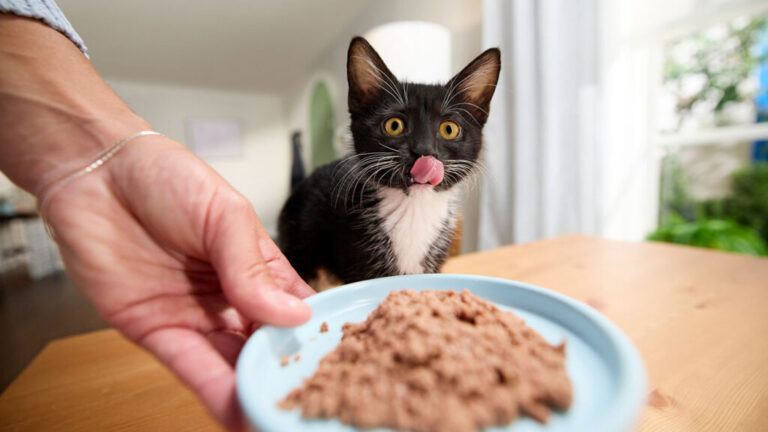
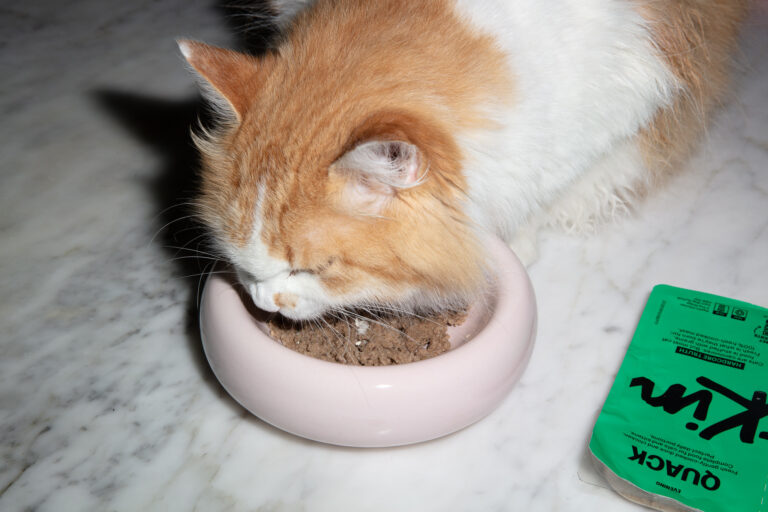
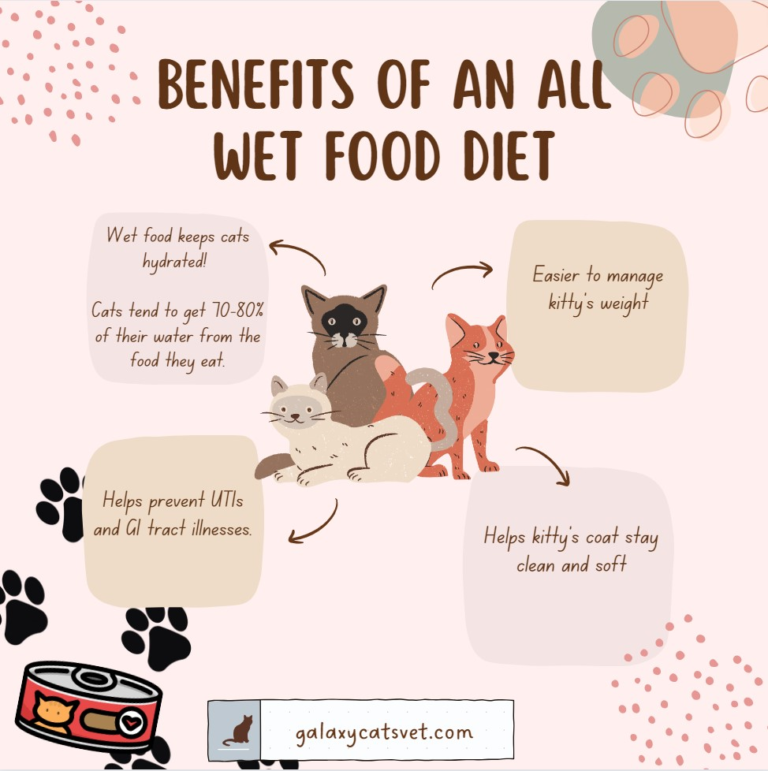
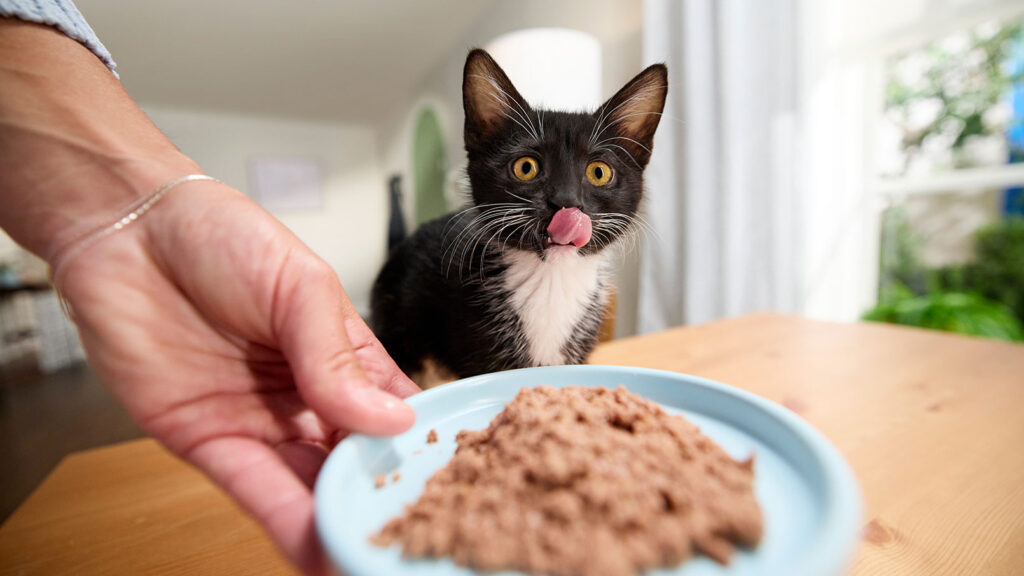
The answer to why does my cat get diarrhea after changing food can also involve food texture. Moving from dry food to wet food changes water intake and often changes the amount of fat and protein your cat eats. Moving from wet food to dry food can reduce moisture and alter digestion in the other direction.
Some cats also eat too quickly when they receive an exciting new meal. Fast eating can lead to vomiting, gas, or diarrhea. Offering smaller meals may help the stomach handle the change more comfortably.
Food ingredients that may trigger diarrhea
Different cats react to different ingredients. There is no single food that causes diarrhea in every cat. Still, some changes are more likely to upset digestion.
New protein sources
Protein is not usually a problem by itself, but a new protein may not suit your cat. Chicken, beef, fish, and dairy are common ingredients in cat food and treats. A cat can also develop an intolerance after eating the same ingredient for a long time.
Higher fat levels
Fat contains useful calories, but a sudden increase may cause loose stool. Rich foods, table scraps, and fatty treats are common causes of digestive upset. Avoid giving your cat greasy human food, even if they beg with great skill.
More fiber
Fiber can support healthy bowel movements, but too much fiber may cause gas and diarrhea. Some weight-control foods contain more fiber than regular adult formulas. A gradual transition helps the digestive tract adjust.
Artificial flavors and additives
Some cats tolerate additives well, while others do not. Flavor coatings, thickeners, gums, and preservatives may affect a sensitive cat. However, it is difficult to identify the exact trigger without keeping a careful food diary or working with a veterinarian.
Dairy products
Many adult cats produce less lactase, the enzyme needed to digest lactose. Milk, ice cream, and creamy sauces can cause diarrhea, gas, or stomach pain. Dairy is not a suitable way to treat diarrhea or encourage eating.
Food intolerance versus food allergy
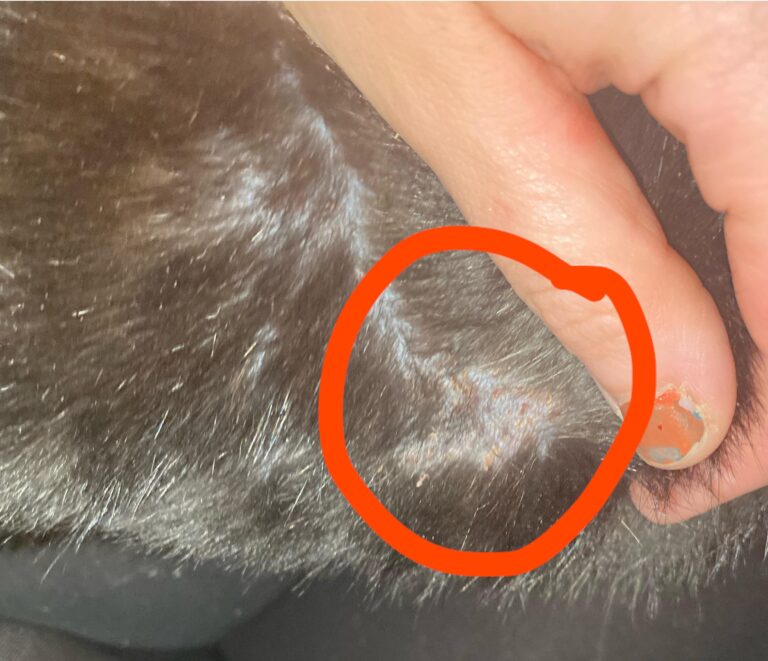
Food intolerance and food allergy are not the same. An intolerance usually causes digestive signs, such as soft stool, gas, vomiting, or reduced appetite. An allergy involves the immune system and may also cause itchy skin, ear problems, hair loss, or repeated skin infections.
Food allergies can occur with ingredients a cat has eaten for years. They are less common than many people assume, and home testing is often unreliable. Blood and saliva tests sold online may not accurately identify food allergies.
A veterinarian may suggest an elimination diet. This means feeding a carefully selected novel-protein or hydrolyzed-protein diet for a set period. Your cat must eat only that diet during the trial. Treats, flavored medicines, and table food can make the results unclear.
If diarrhea continues every time your cat eats a certain recipe, record the ingredient list and discuss it with your veterinarian. The pattern may help identify a useful next step.
How to change your cat’s food safely
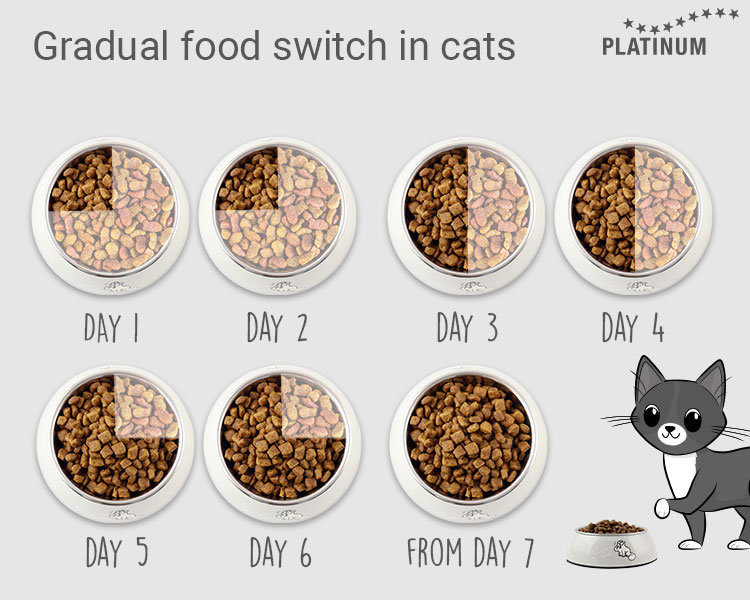
A slow food transition is one of the best ways to reduce diarrhea after changing food. Many cats do well with a seven to ten-day transition, though sensitive cats may need two weeks or more.
Try this schedule:
- Days 1 and 2: Feed 75% old food and 25% new food.
- Days 3 and 4: Feed 50% old food and 50% new food.
- Days 5 to 7: Feed 25% old food and 75% new food.
- Day 8 or later: Feed 100% new food if stools remain normal.
For a very sensitive cat, hold each step for several days. If diarrhea begins, return to the last ratio that produced normal stool. Then move forward more slowly.
Do not mix several new foods at the same time. If you change the brand, protein, texture, and feeding schedule together, you will not know which change caused the problem.
You can also help by:
• Measuring meals instead of feeding large portions
• Offering three or four smaller meals
• Keeping fresh water available
• Avoiding treats during the transition
• Washing food bowls each day
• Keeping the feeding area calm and quiet
This gradual method often explains why does my cat get diarrhea after changing food less frequently in homes that use it consistently.

What to do if your cat has diarrhea
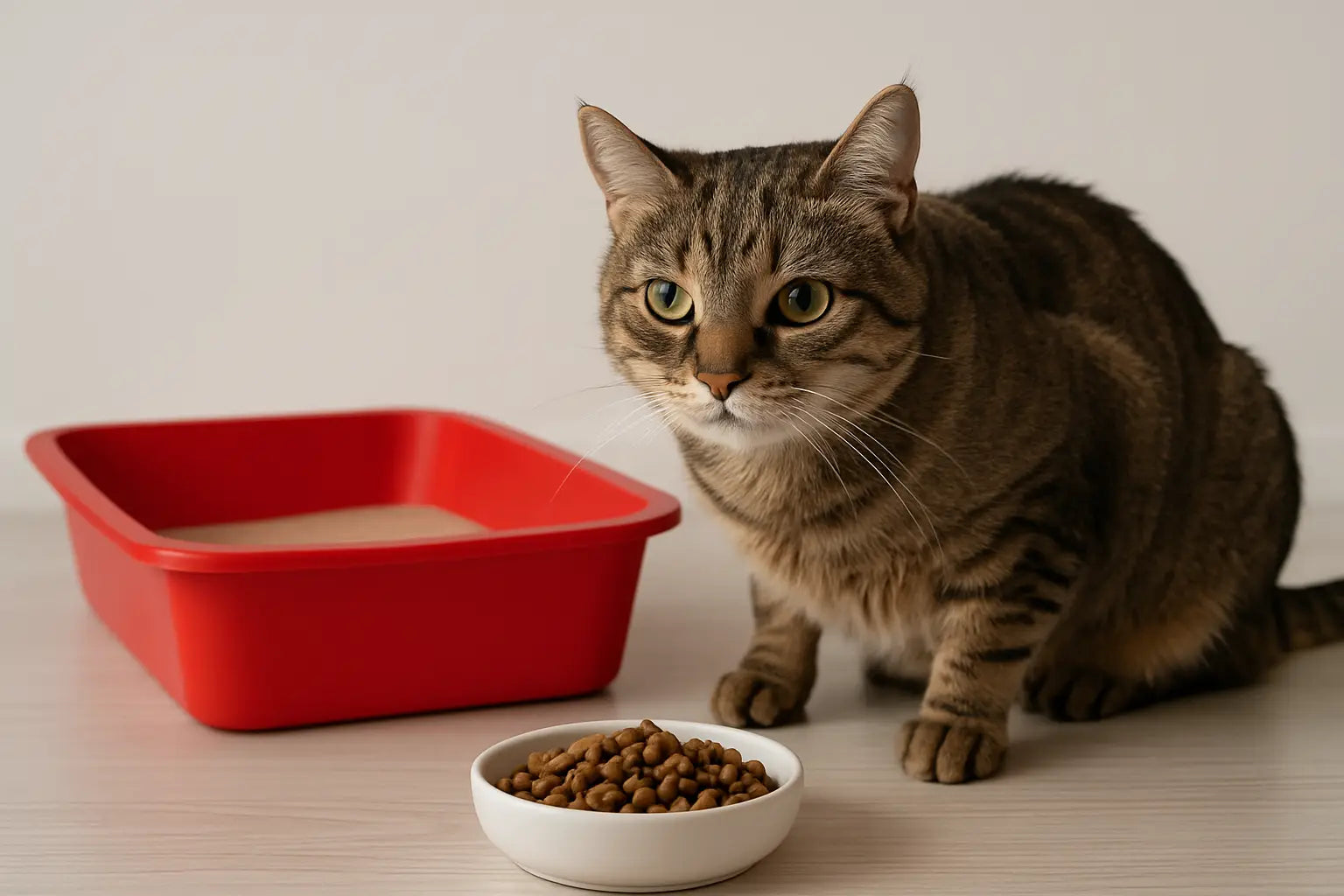
First, look at your cat rather than the litter box alone. A cat that has one soft stool but is bright, eating, drinking, and acting normally may only have mild digestive upset. A cat that is weak, hiding, vomiting, or refusing food needs more attention.
Take these practical steps:
• Stop all new treats and table food.
• Offer the previous food if it was well tolerated.
• Give small, regular meals.
• Provide several bowls of clean water.
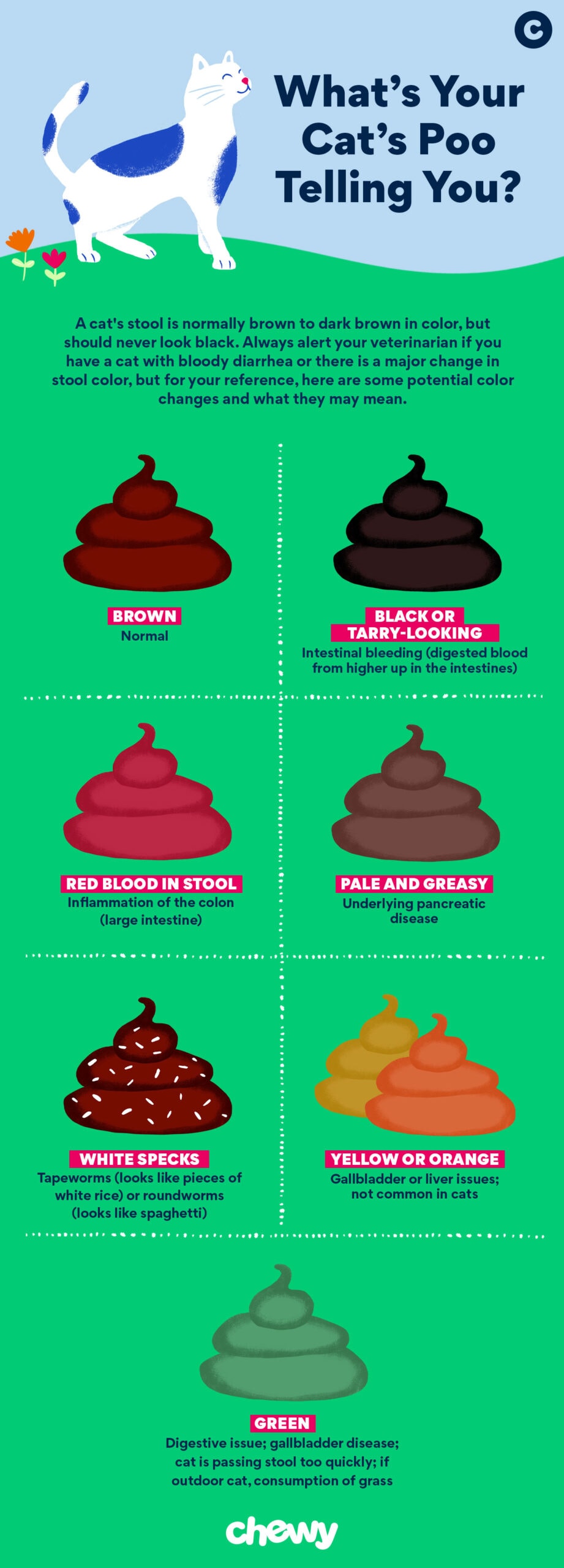
• Note the color, smell, and amount of stool.
• Count how often diarrhea occurs.
• Save a fresh stool sample if a veterinary visit may be needed.
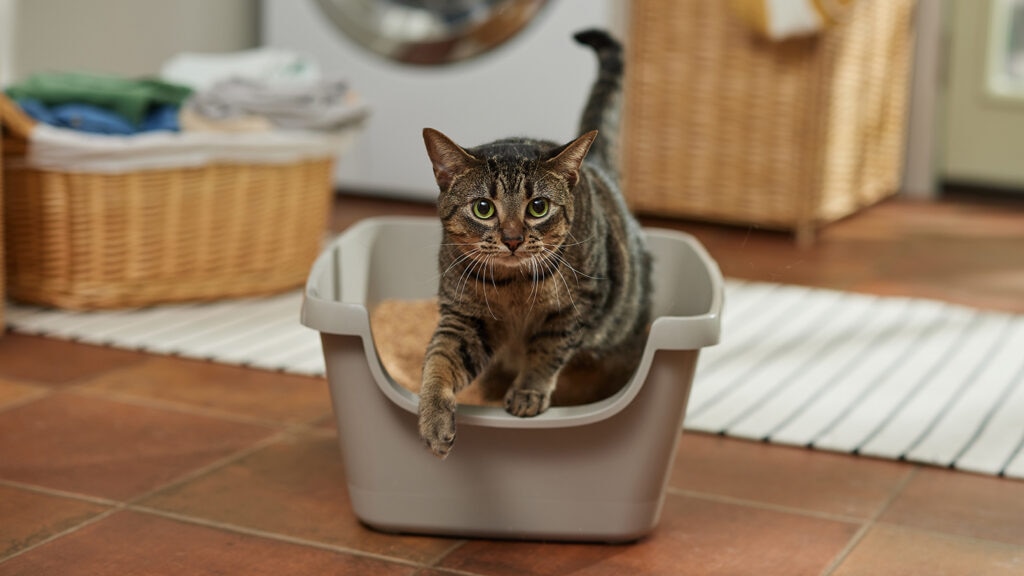
• Clean the litter box often so you can monitor changes.
Do not give human anti-diarrhea medicine unless a veterinarian specifically tells you to. Products containing bismuth, loperamide, or other drugs may be unsafe for cats. Some medicines can hide serious symptoms or cause harmful side effects.
Do not withhold food for a long period without veterinary advice. Cats that stop eating can develop hepatic lipidosis, a serious liver condition, especially if they are overweight. Your veterinarian can advise you on safe feeding if diarrhea is severe.
When diarrhea needs veterinary care
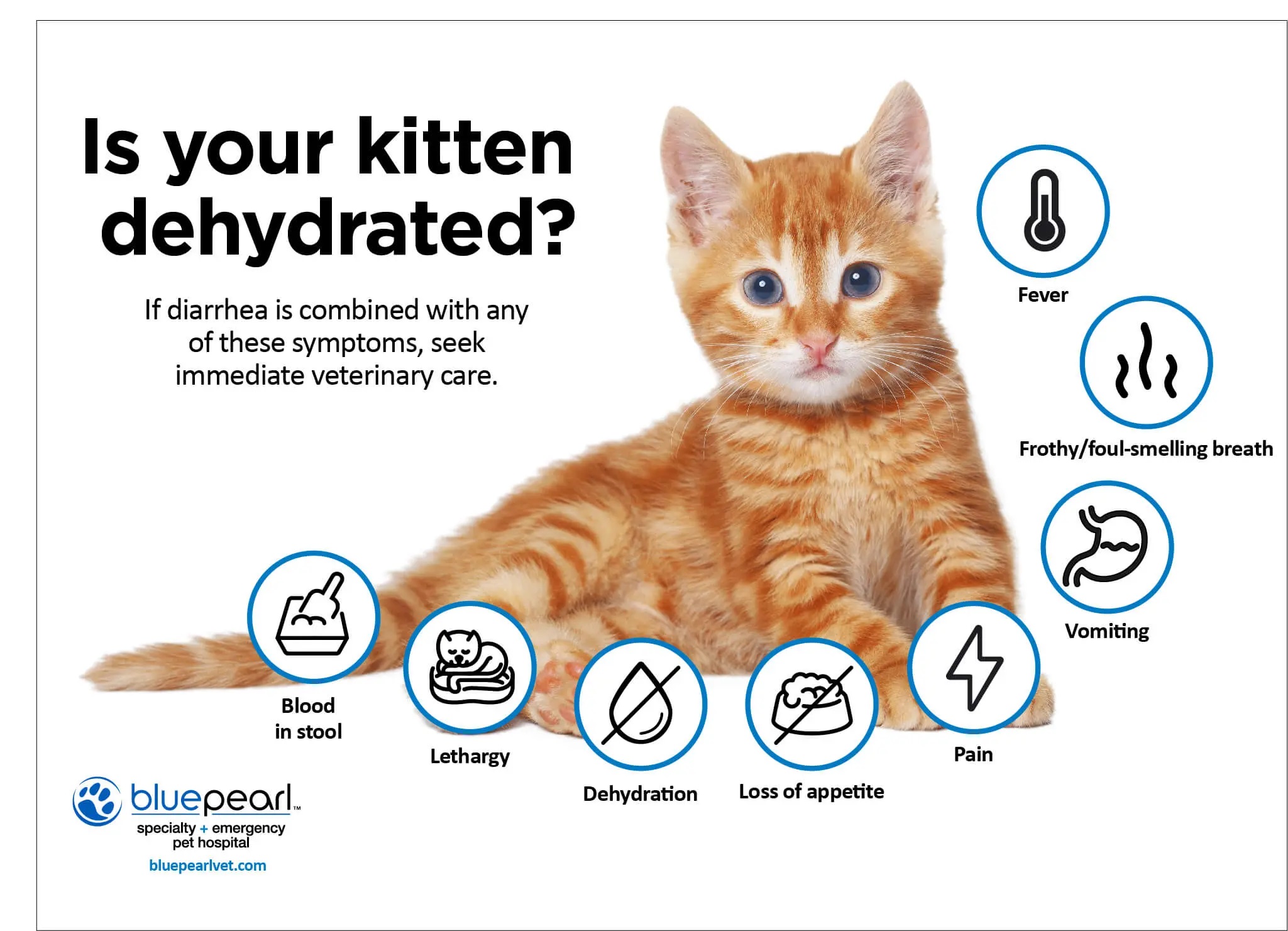
Diarrhea can be mild, but it can also cause dehydration. Kittens, older cats, and cats with kidney disease, diabetes, or other chronic conditions may become sick more quickly.
Contact a veterinarian promptly if your cat has:
• Diarrhea that lasts more than 24 hours
• Repeated watery stools
• Blood or black, tar-like stool
• Repeated vomiting
• A swollen or painful belly
• Severe tiredness or weakness
• Dry or pale gums
• Little or no urine
• A refusal to eat or drink
• Weight loss
• Fever or unusual hiding
• Possible contact with poison, plants, chemicals, or spoiled food
Emergency care is important when diarrhea occurs with collapse, severe weakness, trouble breathing, major blood loss, or repeated vomiting.
A vet may check hydration, examine the abdomen, and test a stool sample for parasites. Further tests may include blood work, imaging, or a diet trial. Parasites such as Giardia and intestinal worms can cause diarrhea and may not be related to the food change at all.
This is an important point when asking why does my cat get diarrhea after changing food: timing does not always prove cause. The diet change may have happened just before an infection, stress response, or medical problem became noticeable.
How veterinarians diagnose ongoing diarrhea
Your veterinarian will usually ask what your cat eats, how quickly the food was changed, and how long the diarrhea has lasted. Bring the food package or a clear photo of the ingredient list. Include treats, supplements, flavored medications, and anything your cat may have found around the home.
A stool test can look for worms, Giardia, bacteria, or other signs of infection. Results are not always perfect from one sample, so repeat testing may be needed. Your vet may also ask about weight, thirst, appetite, and litter box habits.
Blood tests can help check the liver, kidneys, pancreas, thyroid, and signs of inflammation. In older cats, chronic diarrhea may be linked to inflammatory bowel disease, hyperthyroidism, cancer, or other conditions.
No online article can diagnose your cat. The best advice depends on age, health history, diet, stool changes, and physical examination findings. Use general guidance as a starting point, not as a replacement for veterinary care.
Preventing diarrhea during future food changes
Once your cat’s stool is normal, keep the diet steady for a while. Avoid switching foods repeatedly to search for a “better” option. Cats often do best when their meals are predictable.
Before changing food, check that the new formula is complete and balanced for your cat’s life stage. Look for an appropriate kitten, adult, or senior formula. A veterinarian can help you choose a diet for weight control, urinary health, kidney disease, allergies, or other needs.
Helpful habits include:
• Change food slowly over at least seven days.
• Use a written transition plan.
• Keep treats below about 10% of daily calories.
• Introduce only one new ingredient at a time.
• Track stool quality, appetite, and body weight.
• Store food in a cool, dry place.
• Check expiration dates and discard spoiled wet food.
• Avoid sudden changes during travel or stressful events.
One practical lesson from many cat-care cases is that owners often change food too quickly because they want to help. The mistake is understandable. A cat refuses one meal, and the family rushes to buy another recipe. A slower plan usually creates fewer problems and gives the cat’s gut time to settle.
How long does diarrhea last after changing food?
Mild diarrhea from a diet change may improve within one to three days after returning to a tolerated food and removing treats. The exact time depends on your cat’s age, health, hydration, and the reason for the diarrhea.
If stool does not improve, becomes worse, or returns each time you introduce the new food, stop experimenting and contact your veterinarian. Repeated diarrhea can lead to dehydration and weight loss.
Keep in mind that a cat may seem normal while still losing fluid. Cats are skilled at hiding illness, so changes in appetite, energy, grooming, and litter box use matter.
Frequently Asked Questions About Why Does My Cat Get Diarrhea After Changing Food
Should I stop the new food if my cat gets diarrhea?
If the diarrhea began soon after the change, contact your veterinarian for advice and consider returning to the last food your cat tolerated. Do not make several more diet changes at once, because this can worsen digestive upset and make the cause harder to identify.
How quickly should I switch my cat to new food?
Most cats should switch over seven to ten days. Sensitive cats may need a slower transition, with each food ratio continued for several days before increasing the new food.
Can changing from dry food to wet food cause diarrhea?
Yes, a sudden change from dry to wet food can alter moisture, fat, protein, and calorie intake. Introduce wet food gradually and serve small portions while your cat adjusts.
Is diarrhea after changing food a sign of a food allergy?
It can be, but diarrhea alone is more often linked to sudden diet change, intolerance, parasites, stress, or another digestive problem. Food allergy may also cause itchy skin, ear problems, or recurring skin infections and should be assessed by a veterinarian.
Can I give my cat Pepto-Bismol or another human medicine?
Do not give human diarrhea medicine unless your veterinarian prescribes or approves it. Some products can be toxic to cats, interact with other medicines, or hide signs of a serious illness.
Should I skip a meal when my cat has diarrhea?
Do not intentionally fast your cat without veterinary guidance. Cats can develop dangerous liver problems when they stop eating, especially if they are overweight or already ill.
When should I worry about blood in my cat’s stool?
Bright red blood, black stool, repeated diarrhea, weakness, vomiting, or poor appetite requires prompt veterinary advice. Black, tar-like stool may indicate digested blood and should be treated as urgent.
Conclusion
Why does my cat get diarrhea after changing food? In many cases, the cause is a sudden switch that gives the digestive system too little time to adapt. New proteins, rich formulas, excess treats, food intolerance, stress, parasites, and medical conditions can also play a role.
Change food slowly, serve small meals, keep your cat hydrated, and track stool changes. Seek veterinary care for ongoing diarrhea, blood, vomiting, weakness, dehydration, or loss of appetite. With a careful transition and close observation, you can protect your cat’s digestion and make future food changes much easier. Share your experience with your veterinarian and explore trusted feline nutrition resources before choosing the next diet.