Why Do Cats Need Sensitive Stomach Cat Food: Key Benefits
Cats may need sensitive stomach cat food when poor digestion causes vomiting, diarrhea, gas, or discomfort.
A sensitive stomach can turn mealtime into a daily struggle for both cats and their families. Understanding why do cats need sensitive stomach cat food helps you choose gentler nutrition, spot warning signs, and know when a veterinarian should step in. This guide explains the causes, benefits, limits, and safe feeding steps in clear, practical terms.
Why do cats need sensitive stomach cat food?
Cats have a short digestive tract designed mainly for animal protein. This system works well for many cats, but some react poorly to sudden food changes, rich ingredients, food intolerances, or large meals. Their stomach may act like a small alarm system that rings too easily.
So, why do cats need sensitive stomach cat food? These diets are made to be easier to digest and may contain carefully selected proteins, moderate fat, and simple ingredients. They can help reduce digestive stress, but they are not a cure for every stomach problem.
Sensitive stomach cat food may be useful when a cat has:
• Occasional vomiting after eating
• Soft stools or mild diarrhea
• Excess gas or loud stomach sounds
• Poor appetite linked to digestive upset
• Trouble adjusting to a new diet
• A history of reacting to certain foods
A sensitive stomach formula should still be complete and balanced for your cat’s life stage. Look for a statement showing that the food meets recognized feline nutrition standards. Food labeled “natural,” “premium,” or “limited ingredient” is not automatically better or safer.
What makes a cat’s stomach sensitive?
A sensitive stomach is not a specific disease. It is a general term for digestive upset that may happen more easily in some cats. One cat may react to a sudden change, while another may have an underlying condition that needs medical care.
Common causes include:
Sudden food changes
Cats often dislike change, and their digestive bacteria also need time to adjust. Switching from one food to another overnight can lead to vomiting or loose stool, even when the new food is high quality.
Food intolerance
A food intolerance occurs when a cat has trouble digesting or handling a certain ingredient. It is different from a true food allergy, which involves the immune system. Both can cause digestive signs, but allergies may also cause itchy skin or ear problems.
Eating too fast
Some cats gulp food because they feel hungry, compete with other pets, or simply enjoy eating. Fast eating can cause swallowed air, regurgitation, and stomach discomfort.
Stress
Moving, visitors, loud sounds, a new pet, and changes in routine can affect the gut. Stress may alter appetite and bowel habits. However, stress should not be assumed to be the only cause of repeated symptoms.
Medical conditions
Parasites, inflammatory bowel disease, pancreatitis, kidney disease, liver disease, infections, and other problems can look like a simple sensitive stomach. This is why ongoing symptoms need veterinary attention.
Signs your cat may benefit from a sensitive stomach diet
Knowing why do cats need sensitive stomach cat food starts with recognizing the pattern of digestive upset. A single episode of vomiting may happen after a fast meal or hairball. Repeated symptoms are more important than one isolated event.
Watch for:
• Vomiting more than once or twice
• Frequent hairball-like episodes without a hairball
• Diarrhea or soft stool that lasts more than a day
• Constipation or straining in the litter box
• Weight loss
• Less interest in food
• Low energy
• Increased thirst
• A swollen or painful belly
• Blood or black material in vomit or stool
Kittens, senior cats, and cats with chronic illness need extra care. They can become dehydrated or weak faster than healthy adult cats.
Contact a veterinarian quickly if your cat cannot keep water down, refuses food for about 24 hours, seems painful, collapses, or has blood in vomit or stool. Cats that stop eating are at risk for hepatic lipidosis, a serious liver condition, especially if they are overweight.
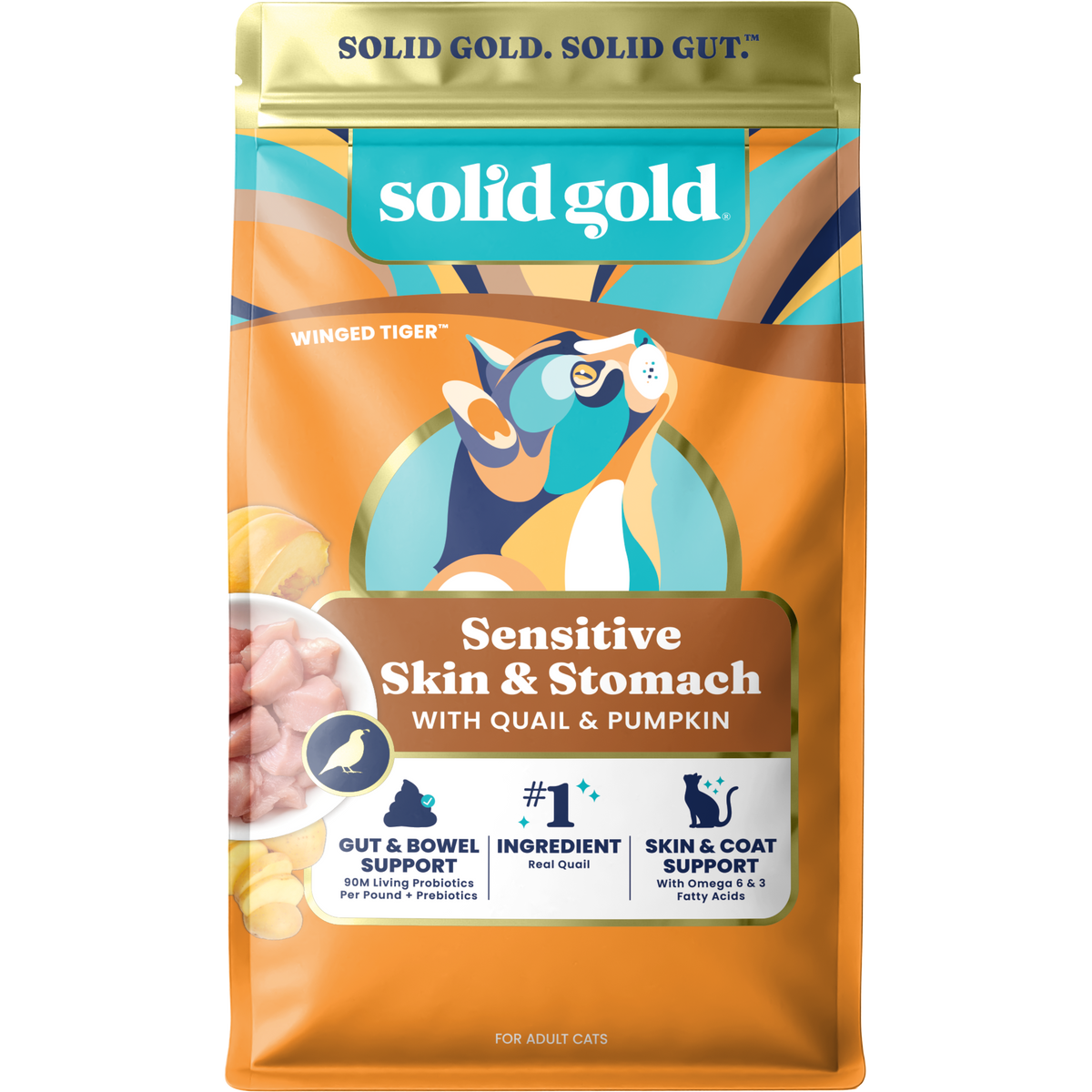
How sensitive stomach cat food may help
Why do cats need sensitive stomach cat food if regular food seems fine? The answer is that some formulas reduce common sources of digestive strain. They may not help every cat, but the right diet can make meals more predictable and comfortable.
Potential benefits include:
Easier digestion
Sensitive stomach diets often use highly digestible ingredients. This means the body can break down and absorb nutrients with less digestive work.
Carefully chosen protein
Some foods use one main animal protein, such as chicken, turkey, salmon, or rabbit. A single protein can make it easier to identify a food that agrees with your cat.
Balanced fat levels
Fat provides energy, but very rich food may upset some cats. A moderate fat level can support nutrition without making the meal too heavy.
Helpful fiber
The right type and amount of fiber can support regular bowel movements and healthy stool. Too much fiber, however, may lower energy density or cause more gas.
Added gut-support nutrients
Some formulas include prebiotic fibers or probiotics. These may support healthy gut bacteria, but product quality varies, and not every cat needs them.
A useful real-life example is a cat that vomits after eating a large, rich meal but does well on smaller portions of a complete, moderate diet. The improvement may come from the food, the portion size, or both. This is why it helps to change one thing at a time.
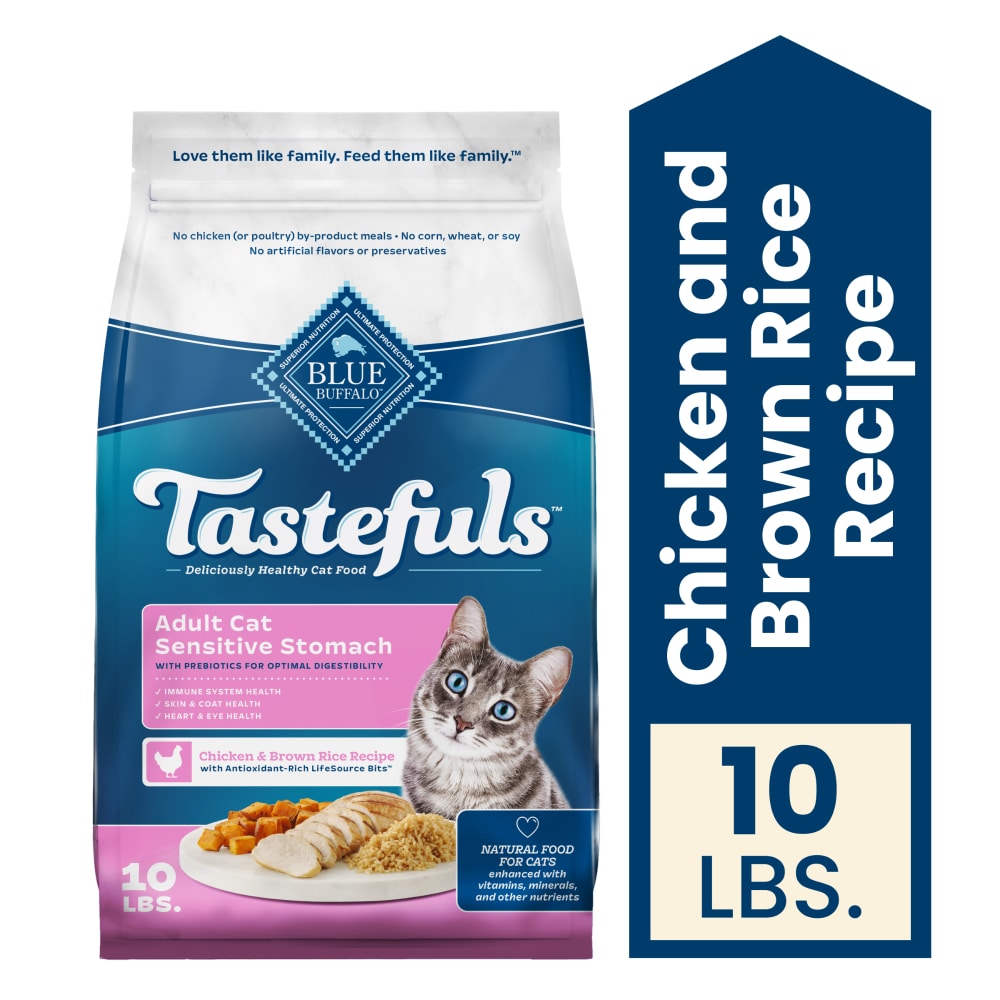
What sensitive stomach cat food cannot do
Sensitive stomach cat food is not a substitute for diagnosis. It may support digestion, but it cannot remove intestinal parasites, treat kidney disease, resolve a blockage, or control severe pancreatitis.
Be careful with marketing claims. “Grain-free” does not automatically mean easier to digest. Cats can digest properly cooked grains, and grains are not a common cause of food allergy in cats. Some grain-free foods also replace grains with peas, potatoes, or other starches.
Homemade diets can create another risk. Without careful formulation by a veterinary nutrition professional, homemade cat food may lack taurine, calcium, certain vitamins, or other essential nutrients. Raw diets also carry food safety risks and may be nutritionally unbalanced.
Seek professional guidance if:
• Symptoms continue despite a diet change
• Your cat loses weight
• Your cat has a chronic health condition
• You suspect a food allergy
• Your cat needs a prescription elimination diet
• Vomiting or diarrhea is severe
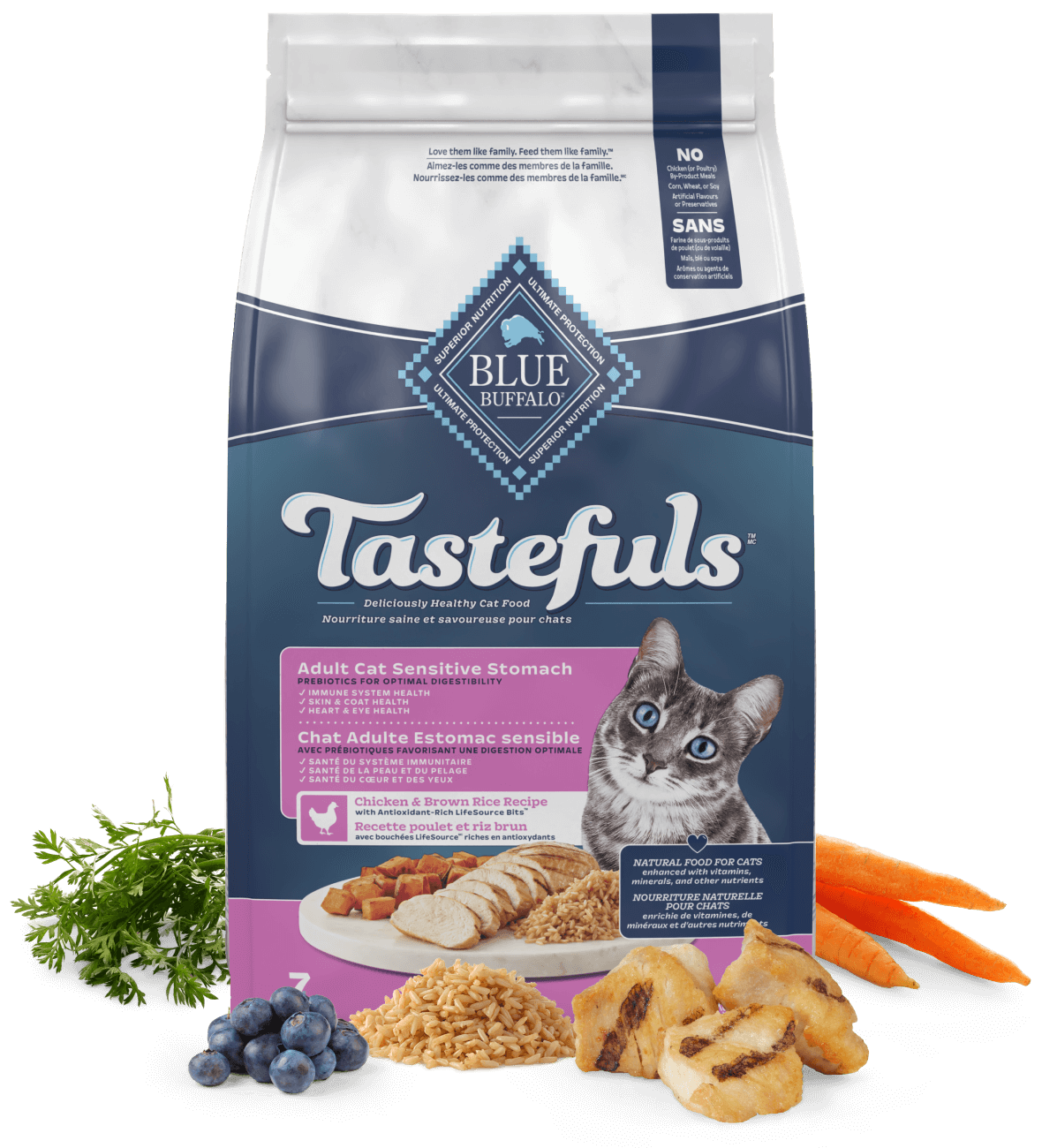
How to choose the best sensitive stomach cat food
When asking why do cats need sensitive stomach cat food, it is also important to ask which food is appropriate for your individual cat. A good choice depends on age, health, body condition, current diet, and the signs you are trying to manage.
Use this checklist:
- Choose a complete and balanced food for your cat’s life stage.
- Pick a texture your cat already accepts, such as wet, dry, or a mix.
- Look for a clearly named animal protein.
- Avoid frequent ingredient changes.
- Check calories per serving to prevent overfeeding.
- Consider wet food if your cat needs more water.
- Ask your veterinarian about a prescription diet if symptoms are ongoing.
Wet food may help cats that need more moisture, while dry food can be convenient and useful for measured feeding. Neither type is automatically best for a sensitive stomach. The best food is nutritious, tolerated well, and eaten consistently.
A practical mistake many owners make is changing food, treats, supplements, and litter at the same time. If the cat improves or worsens, it becomes hard to know why. Keep a simple food and symptom diary instead.
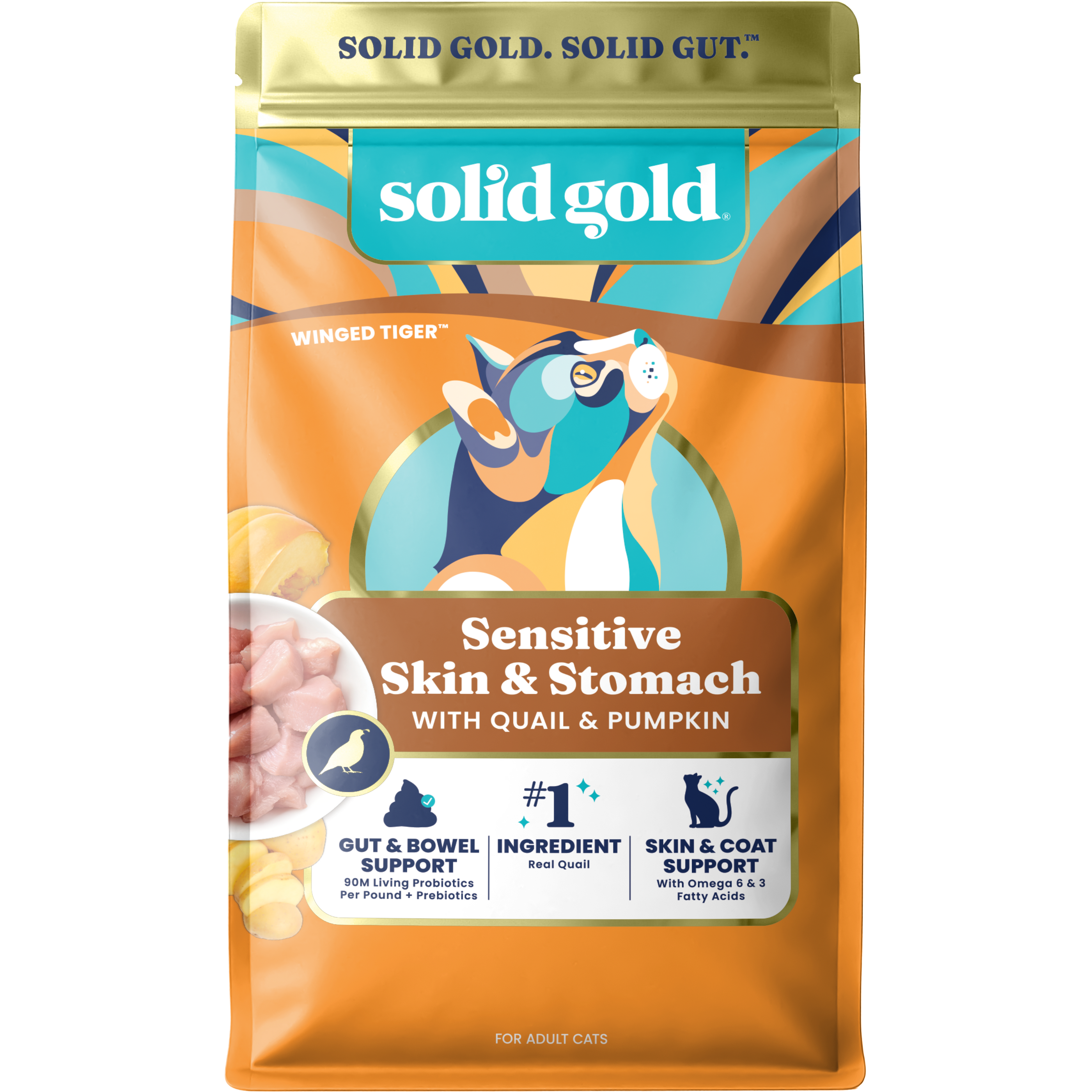
How to switch your cat to a new diet
Even the best sensitive stomach cat food can cause upset if introduced too quickly. A gradual change gives the digestive system time to adapt.
Try this seven-day plan:
- Days 1 and 2: Feed about 75% old food and 25% new food.
- Days 3 and 4: Use about 50% old food and 50% new food.
- Days 5 and 6: Feed about 25% old food and 75% new food.
- Day 7: Offer 100% new food if your cat is doing well.
Some cats need two weeks or longer. Slow down if you see loose stool, vomiting, or refusal to eat. Do not let a cat go without food while waiting for it to accept a new formula.
Feed smaller meals more often if your cat eats too fast. Puzzle feeders, shallow plates, and separate feeding areas can also reduce gulping and stress. Always provide fresh water.
Sensitive stomach food versus prescription diets
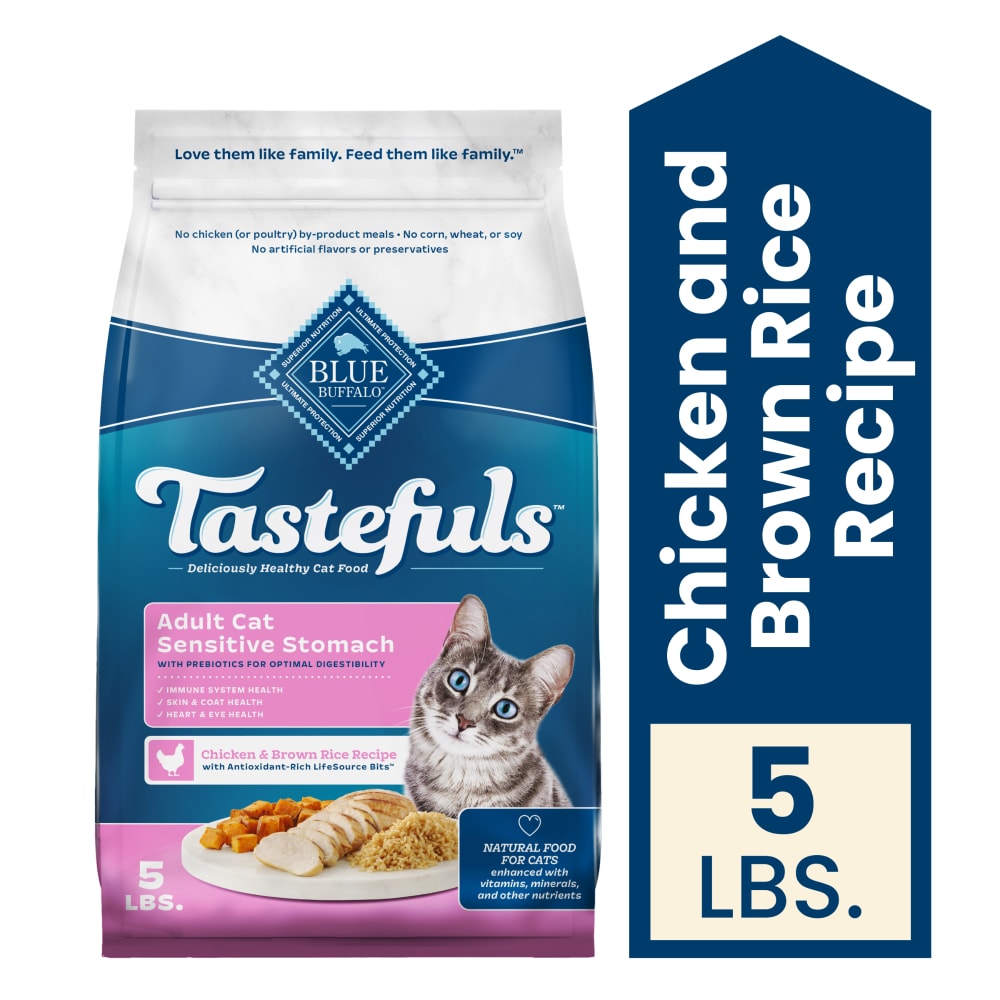
Over-the-counter sensitive stomach cat food may help mild, occasional digestive upset. A prescription gastrointestinal or hydrolyzed-protein diet may be more suitable when a veterinarian suspects food allergy, inflammatory bowel disease, or another medical issue.
Hydrolyzed proteins are broken into smaller parts. This may reduce the chance of an immune reaction in some cats. An elimination diet must be fed very strictly, often for several weeks, with no unapproved treats, table food, or flavored supplements.
Why do cats need sensitive stomach cat food instead of a prescription diet? Many cats do not need a prescription formula. The correct choice depends on the cause of the symptoms, so a veterinary exam is the safest starting point.
Veterinarians may also recommend blood tests, stool testing, imaging, or other checks. These steps can feel like a lot, but they help separate a simple food issue from a problem that needs treatment.
Practical lessons for cat owners
In everyday feeding cases, the biggest improvement often comes from consistency. Cats tend to do better when meals arrive at regular times, portions are measured, and treats remain limited.
Helpful habits include:
• Keep treats below about 10% of daily calories.
• Store food in a cool, dry place.
• Wash bowls often.
• Measure meals instead of filling the bowl by guesswork.
• Track vomiting, stool quality, appetite, and weight.
• Avoid giving table scraps.
• Introduce new foods slowly.
• Keep multiple cats from stealing each other’s food.
One common mistake is blaming the food after one episode of vomiting. Cats may vomit because of hair, grass, fast eating, stress, or illness. Look for repeated patterns over several days, and discuss them with a veterinarian.
Another lesson is that “sensitive stomach” does not always mean “fewer ingredients.” A simple recipe can help some cats, but digestibility, nutrient balance, portion size, and the real cause of symptoms matter more than a short ingredient list.
Frequently Asked Questions
Why do cats need sensitive stomach cat food?
Cats may need sensitive stomach cat food when they have repeated mild digestive upset, food intolerance, or trouble adjusting to regular formulas. The food may use digestible ingredients and balanced nutrients to reduce stomach strain.
Can sensitive stomach cat food stop vomiting?
It may reduce vomiting when food sensitivity, rich meals, or poor digestibility is the cause. Repeated vomiting can signal illness, so a veterinarian should examine cats with ongoing or severe symptoms.
Is sensitive stomach cat food safe for all cats?
Most complete and balanced formulas are safe for healthy cats when fed as directed. Cats with kidney disease, urinary problems, diabetes, or other conditions may need a diet chosen by a veterinarian.
How long does it take for sensitive stomach cat food to work?
Some cats show better stool or less vomiting within several days, while others need a few weeks. The food should be introduced slowly, and symptoms that continue or worsen need veterinary review.
Can kittens eat sensitive stomach cat food?
Kittens need food made for growth unless a veterinarian gives different advice. A sensitive stomach formula for adult cats may not provide the calories and nutrients a growing kitten requires.
Should I use wet or dry sensitive stomach cat food?
Both can work if the food is complete, balanced, and well tolerated. Wet food adds moisture, while dry food is convenient and easy to measure; your cat’s health and preference should guide the choice.
Do probiotics help cats with sensitive stomachs?
Some cats may benefit from specific veterinary probiotics, but results vary by product and condition. Ask your veterinarian before adding supplements, especially if your cat takes medication or has a chronic illness.
Conclusion
Why do cats need sensitive stomach cat food? Some cats digest certain recipes more easily than others, and a gentle, complete diet may help with mild vomiting, loose stool, gas, or food-related discomfort. Still, diet alone cannot treat every cause, and repeated symptoms deserve veterinary care.
Choose a balanced formula, change foods slowly, measure portions, and track your cat’s response. With patience and the right guidance, mealtime can become calm and comfortable again. Share your experience with your veterinarian and explore trusted feline nutrition resources to make the best choice for your cat.