Why Do Cats Like Wet Food More Than Dry Food: Explained
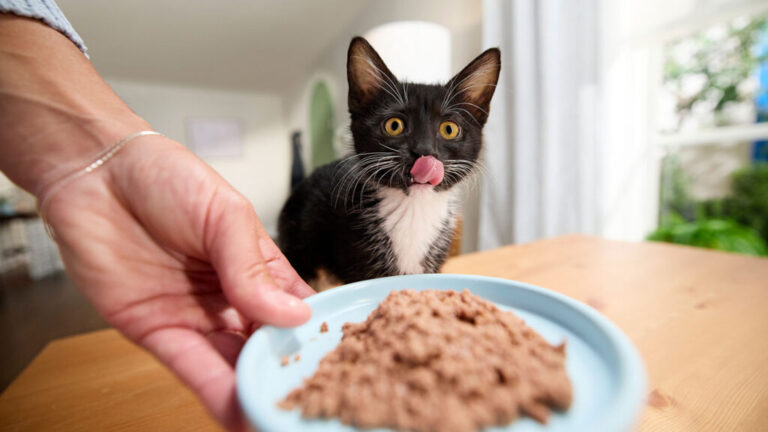
Cats often prefer wet food because it smells stronger, feels softer, and resembles their natural prey.
If you have watched your cat ignore a bowl of kibble while eagerly waiting for canned food, you are not alone. Understanding why do cats like wet food more than dry food involves feline biology, smell, texture, hydration, and feeding habits. This guide explains the science behind that preference and offers practical advice for choosing and serving the right diet.
Why Do Cats Like Wet Food More Than Dry Food?
Cats are natural hunters, and their senses guide much of what they eat. Wet food usually has a stronger smell and a softer texture than dry kibble. These traits can make it more appealing, especially to cats with picky tastes, dental pain, or a reduced sense of smell.
The answer to why do cats like wet food more than dry food is not simply that wet food tastes better. It also feels more like the warm, moist prey that cats evolved to eat. Small animals contain a large amount of water, so the moisture in canned food may seem familiar to a cat’s instincts.
Wet food also releases more aroma when served. Since smell plays a major role in appetite, this can matter even more than flavor. A cat with a stuffy nose may find dry food almost invisible, while the stronger scent of wet food can still attract attention.
The Role of Smell in a Cat’s Food Preference
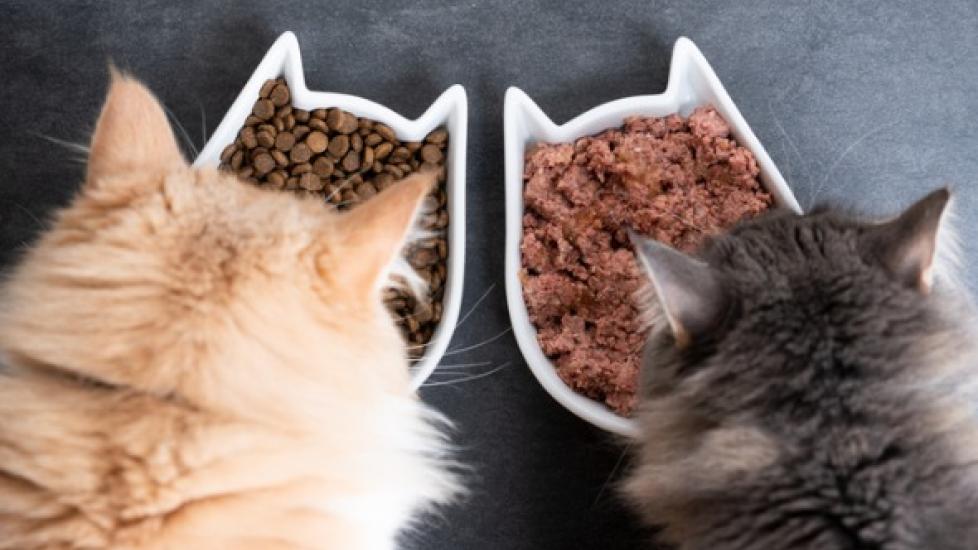
Cats have a powerful sense of smell. They use it to decide whether food is fresh, safe, and worth eating. Wet food contains more moisture and volatile aromas, so its scent often spreads through the room faster than the mild smell of kibble.
This is one important reason why do cats like wet food more than dry food. When you open a can or pouch, the smell reaches your cat at once. Dry food may have a pleasant scent when fresh, but it can lose its aroma after the bag is opened or left in a bowl.
A cat’s sense of smell may weaken with age, illness, or nasal congestion. Older cats may then prefer food with a stronger scent. Slightly warming wet food can increase its aroma, but it should never be hot. A few seconds in the microwave, followed by careful stirring, can help.
Avoid leaving wet food at room temperature for many hours. Bacteria can grow in moist food, especially in a warm kitchen. Refrigerate unused portions and follow the storage directions on the label.
Texture and Mouthfeel Matter
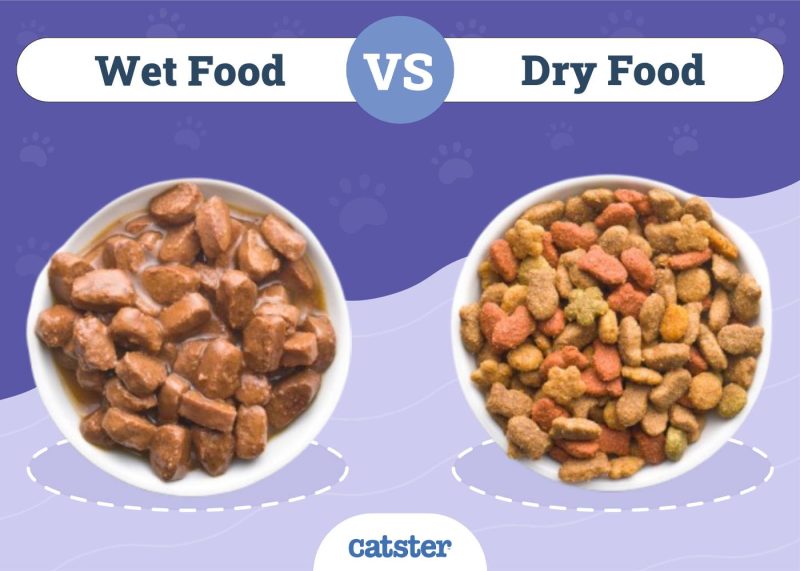
Dry food is firm and crunchy. Wet food is soft, smooth, shredded, or pâté-like. Many cats simply prefer the way moist food feels in their mouths.
Texture helps explain why do cats like wet food more than dry food, particularly when a cat has sore gums, broken teeth, or dental disease. Crunchy kibble can hurt a cat with mouth pain. Some cats hide this pain well, so refusing dry food may be an early sign that something is wrong.
Cats also develop texture preferences when they are young. A kitten raised on pâté may reject large chunks later. Another cat may prefer shredded food with gravy. This does not always mean the cat is spoiled; it may reflect early learning and sensory comfort.
Try offering several safe textures if your cat is selective:
• Pâté for cats that like smooth food
• Minced or shredded food for cats that enjoy small pieces
• Chunks in gravy for cats that prefer chewing and extra moisture
• Mousse for cats with tender mouths or fewer teeth
A sudden change in texture can lead to food refusal. Make changes slowly instead of switching brands overnight.
Wet Food Provides More Water
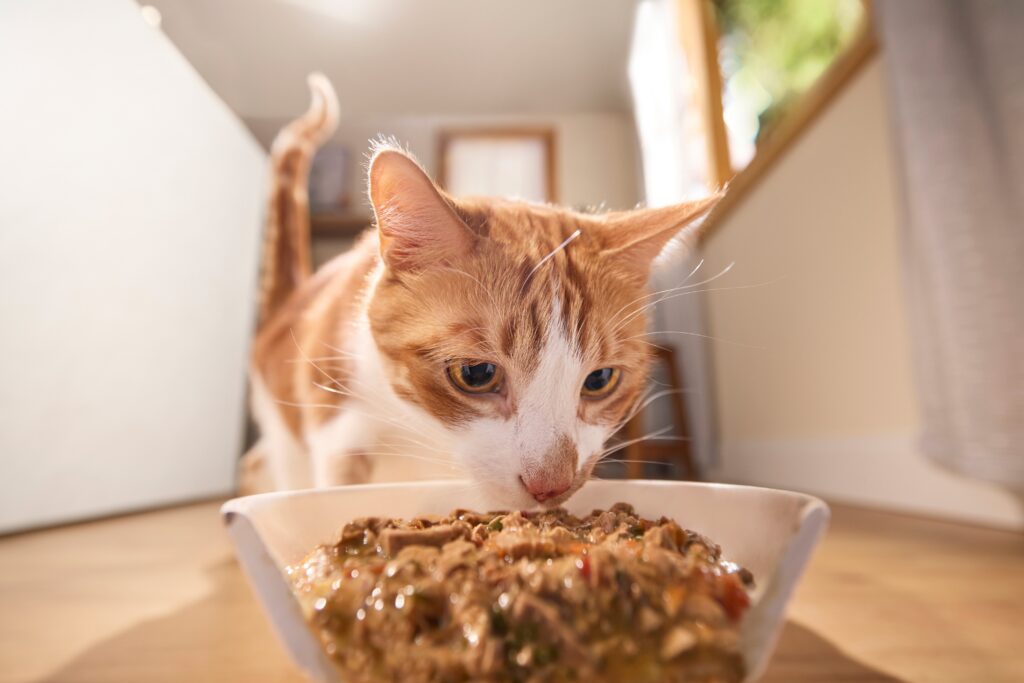
Cats are not always strong drinkers. Their ancestors likely received much of their water from prey, not from a separate water bowl. Wet food can contain roughly 70% to 80% moisture, while dry food often contains about 6% to 10%.
This moisture difference is another answer to why do cats like wet food more than dry food. The food may feel more satisfying and refreshing, especially if a cat does not drink much water.
Extra water can support normal hydration and urine production. This may be helpful for cats that are prone to urinary problems, constipation, or concentrated urine. However, wet food does not cure kidney disease, urinary crystals, or other medical conditions.
You can encourage better water intake by:
• Placing fresh water in several quiet areas
• Using a wide, shallow bowl that does not touch the whiskers
• Trying a cat water fountain
• Adding a small amount of water to wet food
• Keeping water bowls away from litter boxes
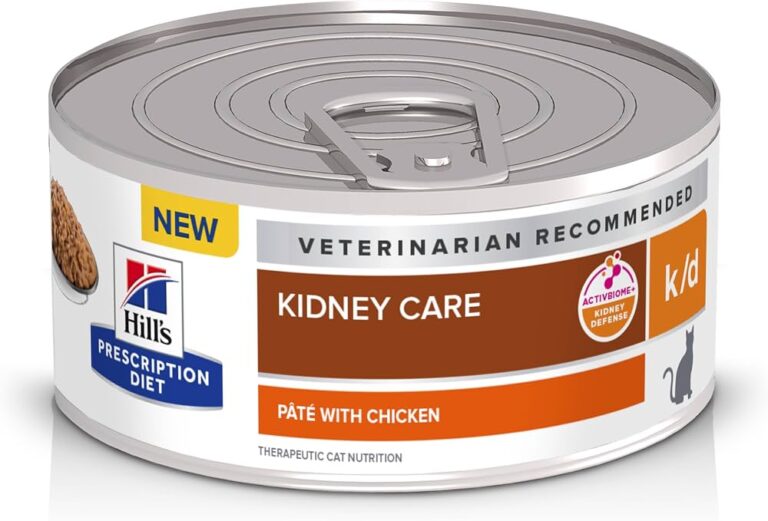
Ask a veterinarian before changing the diet of a cat with kidney disease, diabetes, urinary disease, or another health problem. These cats may need a carefully planned therapeutic diet.
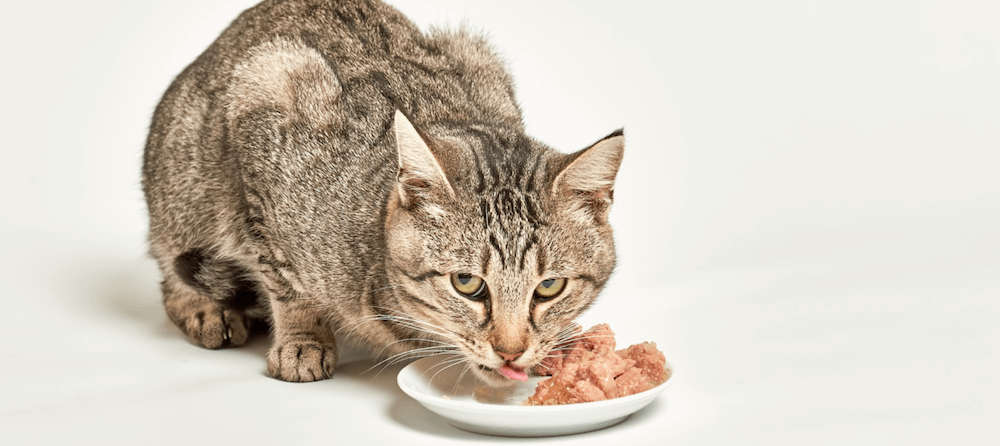
Wet Food Often Has a Stronger Meat Flavor
Cats are obligate carnivores. This means they need nutrients found in animal tissues, including taurine, arachidonic acid, and preformed vitamin A. They do not need a vegetarian diet, and plant ingredients alone cannot meet their nutritional needs.
Many wet foods have a strong meat or fish aroma. This can make them appealing to cats that prefer animal-based flavors. The high moisture content also helps carry flavor compounds across the tongue and mouth.
Still, not every wet food is better than every dry food. A complete and balanced dry diet can meet a cat’s nutritional needs when it follows established nutrient standards. Some wet foods are designed only as treats or toppers, so check the label before feeding them as the main diet.
Look for wording such as:
• Complete and balanced for the cat’s life stage
• Suitable for growth, adult maintenance, or all life stages
• Feeding directions based on body weight
• A clear list of animal and plant ingredients
Flavor preference is useful, but nutrition matters more than packaging or marketing language.
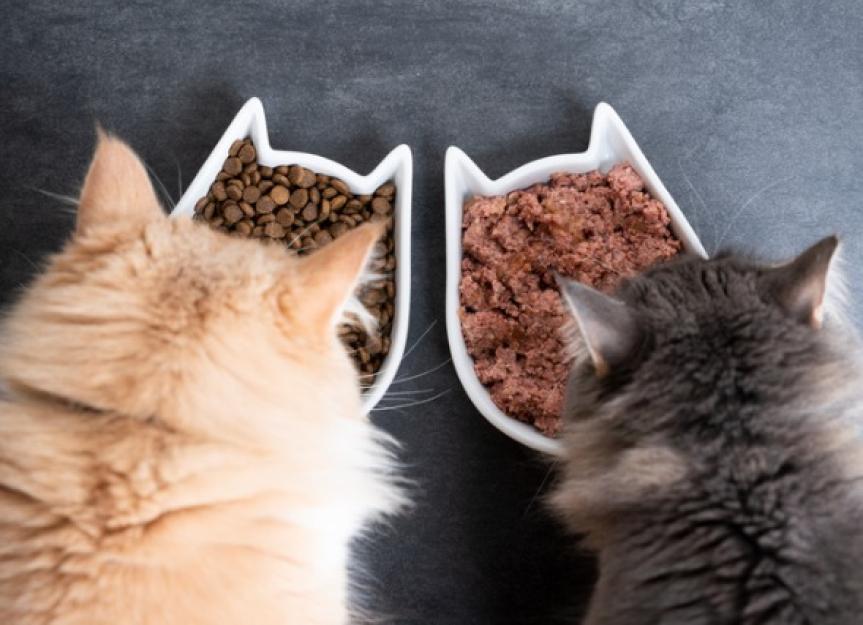
Why Some Cats Reject Dry Food
A cat may avoid dry food for simple reasons, but refusal can also signal a health problem. Consider the timing and behavior carefully.
Common reasons include:
• The kibble is stale or has lost its smell
• The food bowl is dirty
• The cat dislikes the shape or size of the pieces
• The cat has dental pain
• The cat feels nauseated
• The food formula changed
• The cat is stressed by another pet or a noisy location
• The cat has become used to treats or wet food
The answer to why do cats like wet food more than dry food may be preference, but do not assume that every refusal is picky behavior. A cat that stops eating altogether needs prompt veterinary attention. Cats can develop serious liver problems after several days of poor food intake, especially when they are overweight.
Watch for warning signs such as drooling, pawing at the mouth, vomiting, weight loss, hiding, low energy, or difficulty chewing. These signs call for professional care rather than a new flavor trial.

Is Wet Food Better Than Dry Food?
Neither type is automatically best for every cat. The right choice depends on age, health, weight, dental condition, budget, and personal preference.
Wet food offers several benefits:
• High moisture content
• Strong aroma and flavor
• Soft texture for cats with dental discomfort
• Easier portion control for some cats
• Often fewer carbohydrates per calorie, depending on the recipe
Dry food offers different benefits:
• Easy storage
• Simple portioning
• Lower cost per calorie in many cases
• Convenient feeding for busy households
• A crunchy texture that some cats enjoy
Dry kibble does not reliably clean a cat’s teeth by itself. Regular dental care, tooth brushing, dental diets made for that purpose, and veterinary checkups are more dependable. Some special dental diets may help reduce plaque, but ordinary kibble should not be treated as a substitute for dental care.
For many cats, a combination of wet and dry food works well. It can provide moisture and variety while keeping feeding practical.

How to Feed Wet Food Safely
Portion control is important because wet food can be calorie-dense even when it looks small. Follow the feeding guide on the package, then adjust with your veterinarian if your cat gains or loses weight.
Use these simple habits:
-
Check the calorie content, not just the can size.
-
Measure portions instead of guessing.
-
Serve food in a clean bowl.
-
Refrigerate unused wet food promptly.
-
Use refrigerated leftovers within the time recommended on the label.
-
Wash bowls often to prevent old food buildup.
-
Avoid sudden diet changes.
If your cat eats both wet and dry food, reduce the amount of kibble when adding canned food. Otherwise, the extra calories may lead to weight gain. A veterinarian can calculate a daily calorie target based on your cat’s age, size, activity, and health.
One practical lesson many cat owners learn is that variety can be helpful, but too much variety can also create a demanding eater. Offer two or three suitable options rather than opening a new flavor every time your cat hesitates.

How to Transition From Dry Food to Wet Food
Some cats accept wet food at once. Others need time. A gradual change is usually easier on the stomach and less stressful for the cat.
Try this process:
-
Place a teaspoon of wet food beside the usual kibble.
-
Let your cat smell and explore it without pressure.
-
Increase the wet portion slowly over several days.
-
Reduce the dry portion as the wet portion increases.
-
Test different textures if your cat rejects the first option.
-
Keep meal times calm and predictable.
Do not force food into your cat’s mouth. Pressure can create fear and make food refusal worse. You can also warm the wet food slightly or add a small amount of warm water to improve the smell.
If your cat refuses both foods, vomits, or eats very little for a day, contact a veterinarian. Cats should not be placed on a long fast to make them accept a new diet.
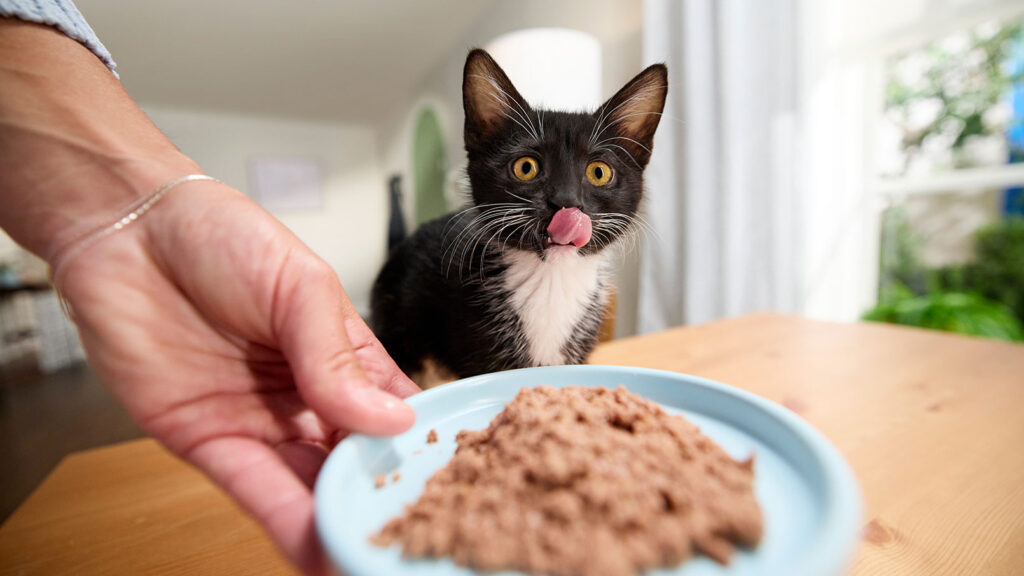
What I Have Learned From Helping Cat Owners
A common mistake is blaming the cat for being stubborn. In many cases, the cat is reacting to a real difference in smell, texture, freshness, or comfort. A cat that suddenly prefers wet food may be telling you that chewing has become painful.
Another lesson is that food temperature matters. Cold food straight from the refrigerator often has less aroma. Letting it warm to room temperature can make it more attractive, but never leave it out long enough to spoil.
I also recommend changing one thing at a time. If you switch food, bowl, feeding place, and schedule together, you will not know what helped. Small, calm tests give you clearer answers and make mealtimes easier for both you and your cat.
Most importantly, use appetite changes as information. A preference for wet food is usually harmless, but a sudden change paired with weight loss, vomiting, or mouth pain deserves a veterinary exam.
Frequently Asked Questions
Why do cats like wet food more than dry food?
Cats often prefer wet food because it has a stronger smell, softer texture, and higher water content. These features can resemble the moist food cats evolved to eat.
Is wet food healthier for cats than dry food?
Wet food can support water intake and may help with portion control, but it is not automatically healthier. Both wet and dry diets can be appropriate when they are complete and balanced for the cat’s life stage.
Can cats live only on wet food?
Yes, cats can live on wet food if it is labeled complete and balanced and fed in suitable portions. Foods labeled for supplemental or intermittent feeding should not make up the entire diet.
Why does my cat suddenly refuse dry food?
A sudden refusal may come from stale food, a formula change, stress, nausea, or dental pain. If the change continues or comes with drooling, weight loss, vomiting, or low energy, arrange a veterinary checkup.
Does wet food help cats drink more water?
Wet food adds water directly to the diet, so it can increase total daily moisture intake. It does not replace fresh drinking water or medical treatment for urinary or kidney disease.
Can I mix wet and dry cat food?
Yes, many cats do well with a mixed feeding plan. Reduce the dry food amount when adding wet food so your cat does not receive too many calories.
Does dry food clean a cat’s teeth?
Ordinary dry food does not reliably clean teeth. Dental diets, tooth brushing, professional care, and regular veterinary exams are better tools for managing feline dental health.
Conclusion
Cats often prefer wet food because it offers a stronger aroma, softer texture, meat-like flavor, and much more moisture. These traits explain why do cats like wet food more than dry food, but preference alone does not determine the best diet. A complete and balanced food, correct portions, safe storage, and regular health checks matter most.
Pay attention to your cat’s habits, introduce changes slowly, and treat sudden appetite changes as a possible health signal. Compare suitable foods with your veterinarian, then choose the plan that keeps your cat hydrated, nourished, and happy.