Why Is My Cat So Fussy With Food: Causes And Fixes
Most cats are fussy because of strong food preferences, learned habits, stress, or an illness that changes appetite.
If you keep asking, “why is my cat so fussy with food,” you are not alone. Cats can reject a meal they loved yesterday, refuse a new texture, or beg for treats while ignoring dinner. The good news is that most picky eating has a clear reason, and a calm, step-by-step approach can help you find it.

Why Is My Cat So Fussy With Food?
Cats are natural hunters with strong food instincts. They notice smell, texture, temperature, shape, and freshness. A small change in any of these can make a meal seem wrong.
A cat’s appetite can also change with age, stress, dental pain, or illness. This is why it is important to look at the whole picture instead of calling your cat “spoiled.”
Common reasons include:
• The food has a new flavor, smell, or texture.
• The food is stale or has been stored poorly.
• Your cat has learned to wait for treats or table scraps.
• Your cat feels stressed by noise, pets, children, or other animals.
• Dental pain makes chewing hard.
• Nausea, kidney disease, diabetes, or another health problem affects appetite.
• Your cat has a strong preference for wet food, dry food, gravy, pâté, or chunks.
The key question is not only, “why is my cat so fussy with food?” It is also, “Is this a lifelong habit, or is this a sudden change?”
A cat that has always been selective may simply have a narrow preference. A cat that suddenly refuses food needs more attention, especially if other symptoms appear.
How a Cat’s Senses Shape Food Preferences
Smell plays a major role in feline eating. Cats have a powerful sense of smell, and aroma helps them decide whether food is safe and appealing. A congested cat may eat less because it cannot smell the meal well.
Cats also care about texture. Some prefer smooth pâté, while others like shredded meat or crunchy kibble. Many cats dislike mixed textures, such as hard pieces in soft food or large chunks covered in thick gravy.
Temperature matters, too. Wet food straight from the refrigerator may smell less appealing. Warming it slightly can release more aroma, but it should never be hot.
Freshness is another factor. Dry food loses flavor when left open for weeks. Wet food can spoil quickly once served, especially in a warm room.
These details help explain why is my cat so fussy with food even when the food is nutritious. Your cat may not be rejecting the ingredients. It may be rejecting the smell or mouthfeel.
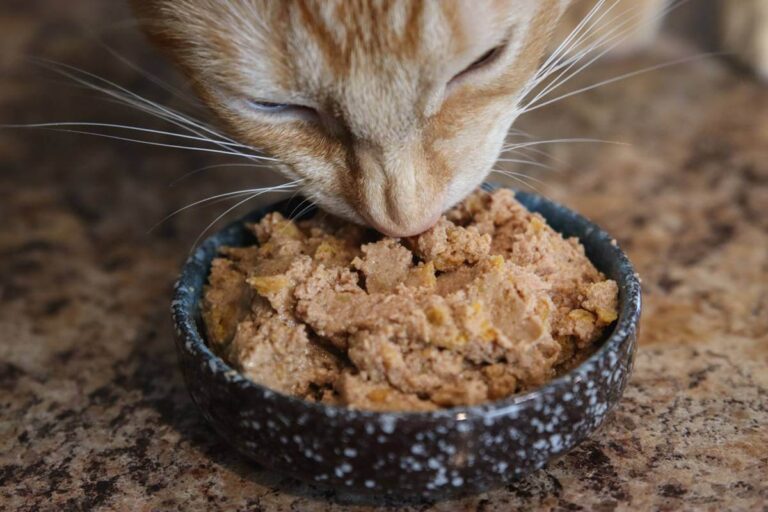
Try offering food in a wide, shallow dish. Some cats dislike having their whiskers touch the sides of a deep bowl. Ceramic or stainless steel bowls are often easier to keep clean than plastic ones.
Medical Reasons Your Cat May Refuse Food
A sudden change in eating habits can be an early sign of illness. Cats often hide pain, so a food refusal may be one of the first clues that something is wrong.
Dental disease is especially common. A cat with sore gums, a broken tooth, or mouth inflammation may approach the bowl but walk away. You may also notice drooling, bad breath, pawing at the mouth, or chewing on one side.
Other possible medical causes include:
• Nausea or stomach upset
• Constipation or intestinal blockage
• Kidney disease
• Liver disease
• Diabetes
• Hyperthyroidism
• Pancreatitis
• Respiratory infection
• Loss of smell from nasal congestion
• Pain or side effects from medication
Weight loss is an important warning sign. So are vomiting, diarrhea, weakness, hiding, trouble breathing, yellow gums, or changes in drinking and urination.
If your cat has not eaten for about 24 hours, contact a veterinarian. Kittens, senior cats, and overweight cats may need help sooner. Overweight cats face a serious risk of fatty liver disease when they stop eating, even for a short time.
Never force-feed your cat unless a veterinarian has shown you how. Force-feeding can increase stress and may cause food to enter the lungs.

Behavioral and Environmental Causes of Picky Eating
Sometimes the answer to why is my cat so fussy with food has more to do with the setting than the meal.
Cats prefer quiet, safe places to eat. A food bowl beside a washing machine, busy doorway, or loud dog may make your cat feel unsafe. Another cat may also guard the bowl without obvious fighting.
Stress can come from many changes:
• Moving to a new home
• A new baby or pet
• Visitors
• Construction noise
• A different feeding schedule
• A new bowl or litter box location
• Conflict with another cat
Cats also learn from experience. If your cat refuses dinner and then receives tuna, treats, or table food, it may learn that waiting brings a better reward. This is not spite. It is simple cause and effect.
Free-feeding can add to the problem. A cat that snacks all day may not feel hungry at mealtime. It may also become harder to notice a gradual drop in appetite.
Create a calm feeding space. Keep food away from litter boxes and busy areas. If you have more than one cat, give each cat a separate feeding spot.

Could Treats Be Making Your Cat Fussy?
Treats are tasty and often more exciting than regular food. However, too many treats can reduce hunger for balanced meals. They can also teach a cat to hold out for a favorite snack.
Treats should usually make up no more than about 10% of a cat’s daily calories. The exact amount depends on the cat’s size, age, health, and activity level.
Watch for hidden calories in:
• Lickable treats
• Deli meat
• Cheese
• Milk
• Tuna packed for people
• Bites from your dinner plate
Human foods may contain too much salt or fat. Some foods, including onions, garlic, chocolate, grapes, raisins, alcohol, and xylitol, can be dangerous to cats.
You do not need to remove all treats. Instead, offer small portions at set times. You can also use a few pieces of your cat’s normal diet as rewards.
If you are asking why is my cat so fussy with food after adding treats, try a simple routine. Serve the regular meal first, remove it after 20 to 30 minutes, and offer treats later in a measured amount.

How to Find Food Your Cat Will Eat
Finding a suitable food takes patience. Start with a food that meets established nutritional standards for your cat’s life stage. Look for a complete and balanced statement on the label.
Do not change five things at once. If you switch flavor, texture, brand, and feeding schedule together, you will not know what your cat prefers.
Test one feature at a time:
-
Keep the same brand but try a different texture.
-
Keep the texture but test a new protein flavor.
-
Try wet food at room temperature.
-
Warm wet food slightly to improve its smell.
-
Offer a fresh portion in a clean, shallow dish.
Give each option several days unless your cat refuses all food. A slow test gives you better information than changing meals every few hours.
When changing diets, mix the old and new foods over about seven days. Begin with mostly old food and a small amount of new food. Increase the new food slowly if your cat accepts it.
Some cats need a longer transition. If vomiting or diarrhea develops, slow down and ask your veterinarian for advice.

A Simple Feeding Plan for a Fussy Cat
A routine can make meals easier. Cats often respond well when food arrives at the same times each day.
Try this plan:
• Feed two to four measured meals daily, based on your cat’s needs.
• Use a quiet feeding area.
• Serve a small, fresh portion.
• Keep wet food at a comfortable room temperature.
• Remove uneaten wet food after about 20 to 30 minutes.
• Limit treats between meals.
• Record what your cat eats each day.
• Weigh your cat regularly if possible.
Small portions may work better than a large bowl. A big serving can dry out, lose its smell, and look less appealing. It also makes it harder to track how much your cat has eaten.
Food puzzles can help some cats. They add play and mimic the search for prey. Start with an easy puzzle and use part of your cat’s normal meal inside it.
Avoid turning every meal into a contest. Repeated pleading, chasing, or pushing food toward your cat can create more stress. Think of feeding as an invitation, not a battle.
Common Mistakes When Feeding a Picky Cat
Many loving owners make the same mistakes. They are understandable, but they can make food refusal last longer.
One common mistake is changing food too often. A cat may learn that refusing one meal brings a new and more exciting choice. Frequent changes can also cause stomach upset.
Another mistake is leaving wet food out all day. It may spoil, attract insects, or lose its smell. Fresh portions are safer and more appealing.
Avoid hiding medication in a favorite meal unless your veterinarian approves. If your cat begins to associate that food with a bitter taste, it may reject the food completely.
Do not add supplements, raw meat, broth, or homemade ingredients without professional advice. Homemade diets can lack key nutrients, including taurine, calcium, and certain vitamins. Raw diets also carry food safety risks for cats and people.
When people ask why is my cat so fussy with food, I often suggest tracking patterns before making big changes. Note the food type, amount eaten, time, symptoms, treats, and stressful events. This simple record can reveal a clear link.

When to Call a Veterinarian
A fussy cat should receive prompt medical care if the eating change is sudden or severe. Cats can become ill without showing dramatic signs.
Call your veterinarian if your cat:
• Eats nothing for about 24 hours
• Eats much less for more than a day
• Loses weight
• Vomits repeatedly
• Has diarrhea or constipation
• Drools or has strong bad breath
• Struggles to chew or swallow
• Drinks or urinates much more than usual
• Hides, seems weak, or acts painful
• Has yellow eyes or gums
• Has trouble breathing
Your veterinarian may check the mouth, teeth, weight, hydration, abdomen, and overall condition. Blood tests, urine tests, dental imaging, or other tests may be needed.
There is no single test for picky eating. Diagnosis depends on the cat’s history and physical signs. This is why a food diary can be so useful.
A healthy weight is also important. A cat that refuses food may need urgent care, while a cat that only wants treats may need a nutrition and weight plan. Both situations deserve attention.

How Much Food Should a Cat Eat?
The right amount depends on calories, not just cups or cans. Food labels often provide feeding guides, but these are starting points. Your veterinarian can help adjust the amount for body condition, age, activity, and health.
A typical adult cat needs fewer calories than many people expect. Indoor cats may need less food than active outdoor cats. Neutered cats may also gain weight more easily.
Check your cat’s body shape. You should be able to feel the ribs under a thin layer of fat, and your cat should have some waist when viewed from above. A visible spine or very round belly may signal a problem.
Do not place a cat on a crash diet. Rapid weight loss can be dangerous. Weight changes should be gradual and guided by a veterinary professional.
If your cat eats only one flavor, make sure that food is complete and balanced. A narrow preference is less concerning when the diet provides all required nutrients and your cat maintains a healthy weight.
Why Is My Cat So Fussy With Food as It Ages?
Senior cats may become more selective for several reasons. Dental pain, reduced smell, nausea, arthritis, and chronic disease can all affect eating.
Older cats may prefer softer food because it is easier to chew. Raising the bowl slightly may help a cat with neck or joint pain, but avoid making the change if it causes discomfort.
Senior cats often benefit from regular veterinary checks. Cats can hide kidney disease, thyroid problems, and dental disease until the condition is advanced.
A sudden appetite change in a senior cat should not be blamed on age alone. “Getting old” is not a diagnosis. It is a reason to look more closely.
If you are still wondering why is my cat so fussy with food after trying texture and feeding changes, schedule an exam. Medical problems become more common with age, and early care often gives cats a better chance to feel well.
Frequently Asked Questions About Why Is My Cat So Fussy With Food
Why is my cat so fussy with food but still acts hungry?
Your cat may dislike the food’s smell or texture, or it may have learned to wait for treats. Hunger with food refusal can also signal dental pain, nausea, or another medical problem, so watch for weight loss and other symptoms.
Should I keep changing food until my cat eats?
Changing food again and again can teach your cat to hold out for a better option. Offer a complete and balanced food, change diets slowly, and contact a veterinarian if your cat refuses food or eats much less.
Is picky eating normal in cats?
Some cats have narrow but stable preferences, and this can be normal if they eat enough, maintain a healthy weight, and have no symptoms. A sudden change is not normal and deserves closer attention.
Why does my cat only want wet food?
Wet food often has a stronger smell and softer texture than dry food. Your cat may also prefer the moisture, but make sure the wet food is complete and balanced for the correct life stage.
Can dental disease make a cat fussy with food?
Yes. Dental pain can make chewing uncomfortable, especially with dry food or large pieces. Bad breath, drooling, pawing at the mouth, and dropping food are signs that a dental exam may be needed.
How long can a cat go without eating?
A cat should not go without food for long. Contact a veterinarian if your cat has eaten nothing for about 24 hours, or sooner if it is overweight, very young, elderly, or showing other signs of illness.
Should I warm my cat’s food?
Slightly warming wet food can increase its smell and make it more appealing. Test the temperature carefully so the food is only warm, never hot.
Conclusion
The answer to why is my cat so fussy with food may be a simple preference, but it can also involve stress, treats, dental pain, or illness. Look for changes in appetite, weight, behavior, digestion, and drinking.
Offer fresh food in a quiet place, limit treats, change diets slowly, and keep a simple food diary. Most importantly, take sudden food refusal seriously and contact your veterinarian when warning signs appear.
With patience and careful observation, you can make mealtimes less stressful and help your cat eat a safe, balanced diet. Share your cat’s food preferences and feeding routine with your veterinarian, and explore trusted feline nutrition resources for further guidance.