Why Does Wet Cat Food Smell So Bad: Causes And Fixes
Wet cat food smells strong because fishy proteins, fats, and sulfur compounds become more noticeable when food is moist.
If you have ever opened a can and wondered, “Why does wet cat food smell so bad?” you are not alone. Wet food often has a stronger scent than dry kibble because water releases more odor compounds from meat, fish, fats, and organ ingredients.
The smell may be normal, but it can also signal spoilage. This guide explains the science behind wet cat food odor, how to spot unsafe food, and what you can do to make mealtimes fresher for both you and your cat.
Why Does Wet Cat Food Smell So Bad?
Wet cat food smells so bad to many people because it contains moist animal ingredients that release strong natural odors. Cats are built to notice these smells. Their sense of smell is far more sensitive than ours, so the same food that seems unpleasant to you may smell rich and appealing to your cat.
The word “bad” is also personal. A fish-based recipe may smell harsh to one person but seem normal to another. Some foods smell like tuna, liver, broth, or cooked meat. These scents come from the food’s ingredients and cooking process.
The main reasons include:
• Moisture spreads odor through the air more easily than dry food.
• Fish ingredients can create strong amine compounds.
• Meat and organs contain natural sulfur compounds.
• Fats can develop a stale smell as they age or oxidize.
• Warm food smells stronger than cold food.
• An opened can allows odors to escape and change over time.
Wet food is a little like soup compared with crackers. The liquid carries the smell around the room. That is why a small serving can seem much more powerful than a bowl of dry kibble.
The Main Causes of Strong Wet Cat Food Odor
Fish and seafood ingredients
Fish is one of the most common reasons wet cat food smells strong. Tuna, salmon, sardines, mackerel, and other seafood contain compounds that create a sharp, salty, or “fish market” smell.
Fish can also produce trimethylamine, a compound linked with the classic fishy odor. This smell may become stronger as fish ingredients sit open or warm up.
Fish-based food is not automatically spoiled. A strong fish smell can be normal when the can is freshly opened and the food looks and feels as expected.
Organ meats
Liver, kidney, heart, and other organ meats are rich in nutrients. They also have bold smells. Many cats enjoy these flavors because they resemble the scent of animal tissue.
Organ meat can make wet cat food smell earthy, metallic, or intense. This is usually an ingredient effect, not a safety problem.
Sulfur compounds
Meat contains sulfur-based compounds. Cooking can make these compounds easier to smell. They may create odors similar to eggs, cooked meat, or minerals.
Some vegetables and additives may also add sulfur-like notes. A mild sulfur smell can happen in normal food, but a strong rotten-egg odor is a reason to stop and inspect the product.
Fat oxidation
Fats can change when exposed to oxygen, heat, or light. This process is called oxidation. Oxidized fat may smell stale, sour, waxy, or like old cooking oil.
A can may be safe when first opened but smell worse after several days in the refrigerator. This is one reason storage time matters.
Broth, gravy, and jelly
Many wet foods contain broth, gravy, or jelly. These ingredients help create a soft texture and add moisture. They can also carry aromas from meat, fish, yeast extracts, and minerals.
Gravy may smell stronger after the food warms. Jelly may have a mild meat or gelatin scent. These changes are often normal if the food is within its use period.
Is Strong-Smelling Wet Cat Food Normal?
In many cases, yes. Wet cat food often has a strong smell because it is made with animal proteins and contains a large amount of water. A powerful aroma alone does not prove that the food is unsafe.
Fresh food should usually smell like its recipe. For example, chicken food may smell like cooked poultry, while salmon food may smell clearly fishy. The scent should not be sharply sour, rotten, chemical-like, or unusually different from previous cans.
Check the full package, not just the smell. Look for:
• A normal color for that recipe.
• A smooth texture without unexpected slime.
• No mold or fuzzy growth.
• No leaking, swelling, or badly damaged packaging.
• No sudden change in smell from the same product.
• A valid expiration or “best by” date.
Cats may also reject food that smells normal to you. They can notice small changes in fat freshness, texture, or temperature. A cat that suddenly refuses a favorite food may be reacting to a changed formula, a bad batch, or a health issue.
How to Tell If Wet Cat Food Has Spoiled
Spoiled wet cat food may smell bad, but smell is not the only clue. Some harmful bacteria do not create a clear odor. When in doubt, throw the food away rather than testing it with your cat.
Watch for these warning signs:
• A sour, rancid, rotten, or chemical smell.
• Mold, fuzzy spots, or unusual film.
• A swollen, leaking, or badly dented can.
• A hissing sound or sudden spray when opening a can.
• A color change that does not match the recipe.
• A slimy texture that seems unusual.
• Dry, crusty food around the rim with a strange odor.
• Food left at room temperature for too long.
Do not taste pet food to check it. People can become sick from bacteria even when the food looks fairly normal.
If your cat eats spoiled food, monitor for vomiting, diarrhea, weakness, loss of appetite, belly pain, or unusual behavior. Contact a veterinarian if signs are severe, last more than a day, or occur in a kitten, senior cat, pregnant cat, or cat with a health condition.
How Storage Changes Wet Cat Food Smell
Storage has a major effect on why wet cat food smells so bad. Once a can is opened, air reaches the food. Bacteria, oxidation, and odor changes can begin, especially if the food stays warm.
Use these storage habits:
-
Cover opened cans with a tight lid or transfer the food to a clean, sealed container.
-
Refrigerate unused food soon after serving.
-
Follow the label’s storage advice. Many manufacturers recommend using opened wet food within three to five days.
-
Keep the refrigerator at or below 40°F.
-
Wash the food dish after each meal.
-
Do not mix fresh food with old leftovers.
-
Discard food that has been sitting out for several hours, especially in a warm room.
A sealed can keeps odors contained. An opened can does not. This explains why the smell may seem much stronger on day two or three.
One practical lesson is to divide large cans into small sealed portions. This limits air exposure and makes it easier to serve the right amount. It also prevents the refrigerator from smelling like a fish counter.

Does Heating Wet Cat Food Make the Smell Worse?
Yes, warmth can make wet cat food smell stronger. Heat helps odor molecules move into the air. That is why food often smells more intense after warming.
Many cats prefer food close to room temperature because it feels more like fresh prey. However, you should warm it gently. Never serve food that is hot, and never microwave it in a metal container.
A safe method is to:
• Place the serving in a microwave-safe dish.
• Warm it for only a few seconds.
• Stir it well.
• Check for hot spots before serving.
• Let it cool to a comfortable temperature.
You can also place the sealed portion in a bowl of warm water. This warms the food slowly and may reduce uneven heating.
If the smell bothers you, serve the food cold from the refrigerator. Your cat may accept it, although some cats prefer a warmer meal. Try small changes and watch your cat’s response.
Why Does Wet Cat Food Smell Worse Than Dry Cat Food?
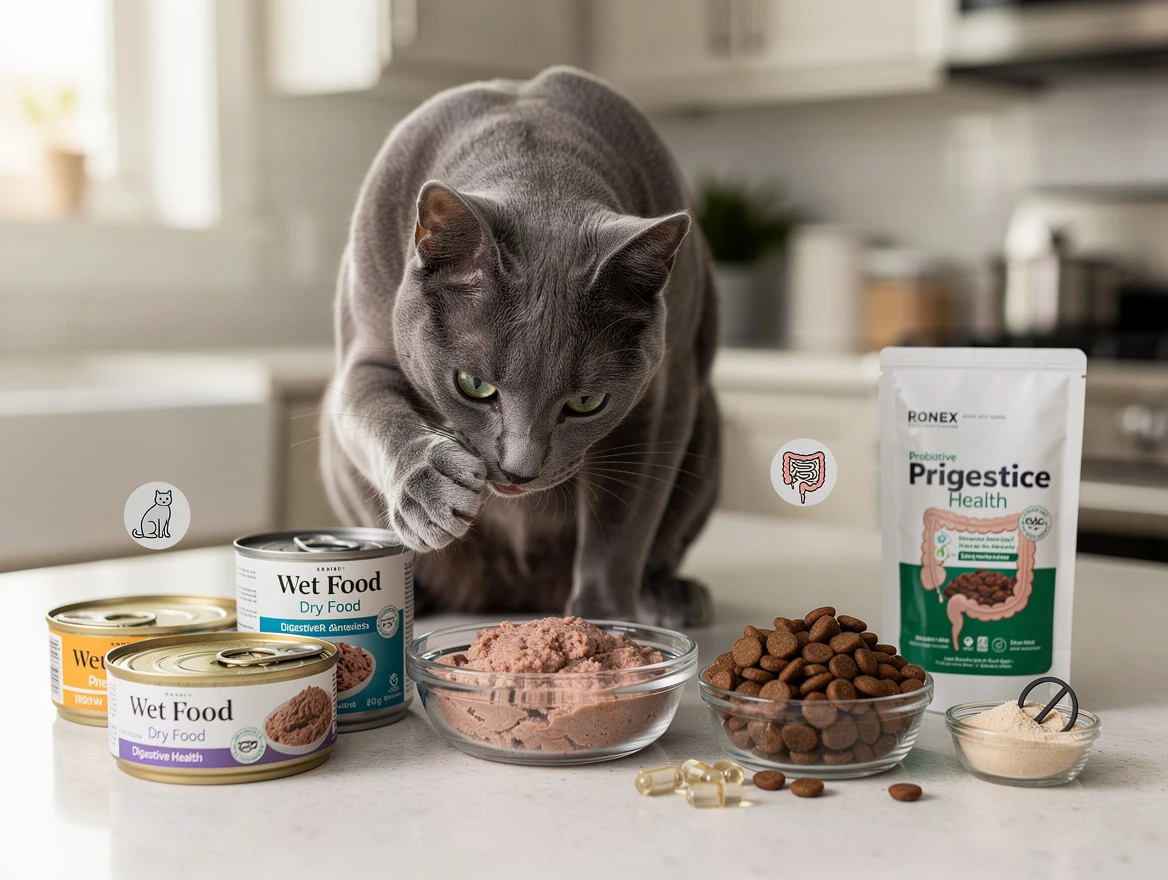
Dry cat food has less water and is often baked or extruded into a firm kibble. Its odor compounds are less likely to spread quickly. Wet food has more moisture, softer ingredients, and often a higher level of animal protein.
The canning process also traps smells inside the package. When you open the can, those odors escape at once. This creates the sudden “who opened the seafood?” effect many cat owners know well.
Dry food can still smell unpleasant when it becomes stale. Its fats may oxidize, and old kibble can develop a cardboard-like or rancid odor. The difference is that wet food usually releases its smell faster and more strongly.
Wet food also has a higher surface moisture level. This lets odor compounds move through the food and into the air. Think of the difference between a dry sponge and a wet sponge carrying soup. The wet sponge spreads more scent.
Ways to Reduce Wet Cat Food Odor at Home
You do not need to stop feeding wet food just because it smells strong. Wet food can support hydration and may be useful for cats that need a soft diet. Instead, manage the odor with simple habits.
Try these tips:
• Choose chicken, turkey, or rabbit recipes if fish smells bother you.
• Use smaller cans to reduce leftovers.
• Serve only the amount your cat will eat.
• Use a washable silicone or stainless-steel dish.
• Wash the bowl after every meal.
• Place the bowl in a quiet, well-ventilated area.
• Use a sealed container for leftovers.
• Keep an open can in a separate refrigerator container.
• Clean crumbs and food drops quickly.
• Use an air purifier with an activated carbon filter if needed.
Avoid adding perfumes, essential oils, bleach, or strong sprays near your cat’s food. These products may irritate cats or make them avoid the feeding area.
A common mistake is leaving a full bowl out all day. This increases odor and may reduce food safety. Smaller meals served at set times are often cleaner and easier to manage.
Choosing Wet Cat Food With a Milder Smell
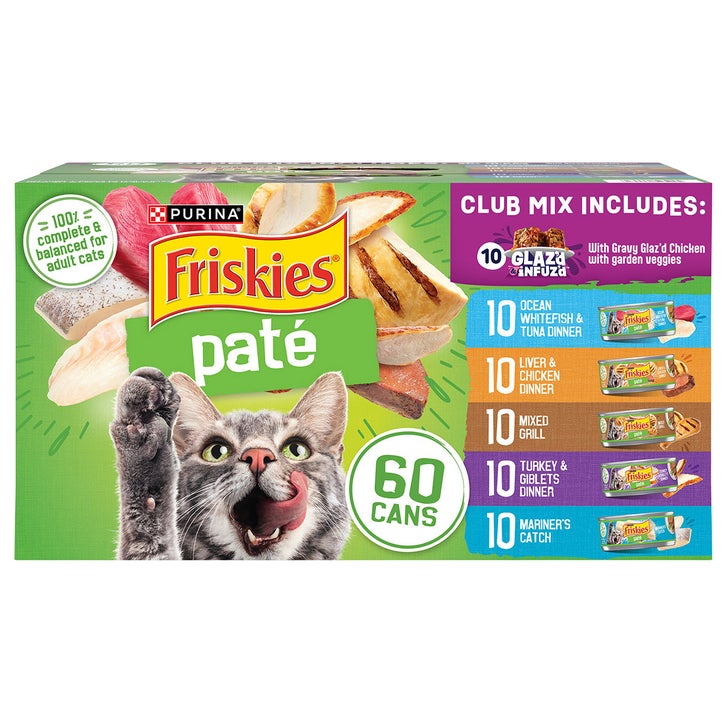
There is no completely odor-free wet cat food. Still, some recipes smell less intense than others. The formula, protein source, fat level, and texture all matter.
If you want a milder smell, consider:
• Poultry-based recipes instead of fish-heavy recipes.
• Pâté if chunks in gravy seem especially strong.
• Limited-ingredient formulas with fewer odor-rich additions.
• Smaller cans or single-serve trays.
• Fresh products from brands with good storage and quality controls.
Do not choose food based on smell alone. Check that it is labeled complete and balanced for your cat’s life stage. The label should also provide feeding instructions and clear ingredient information.
A sudden change in smell across several cans may be worth reporting to the manufacturer. Keep the package, lot number, and expiration date. These details help the company investigate a possible batch problem.
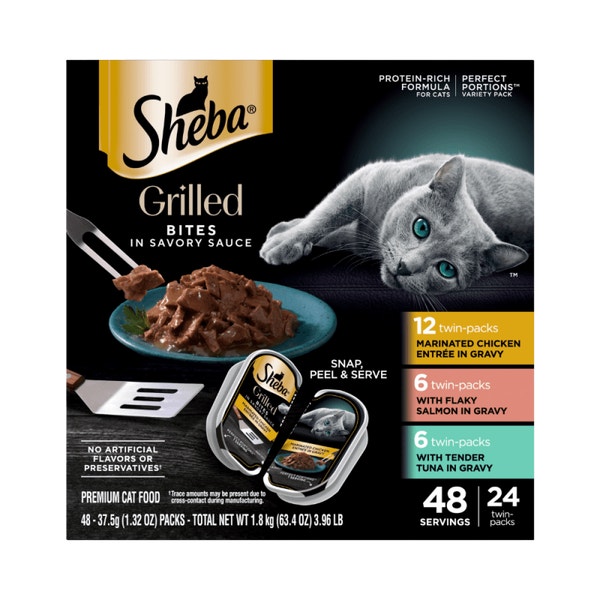
Health Benefits and Limitations of Wet Cat Food
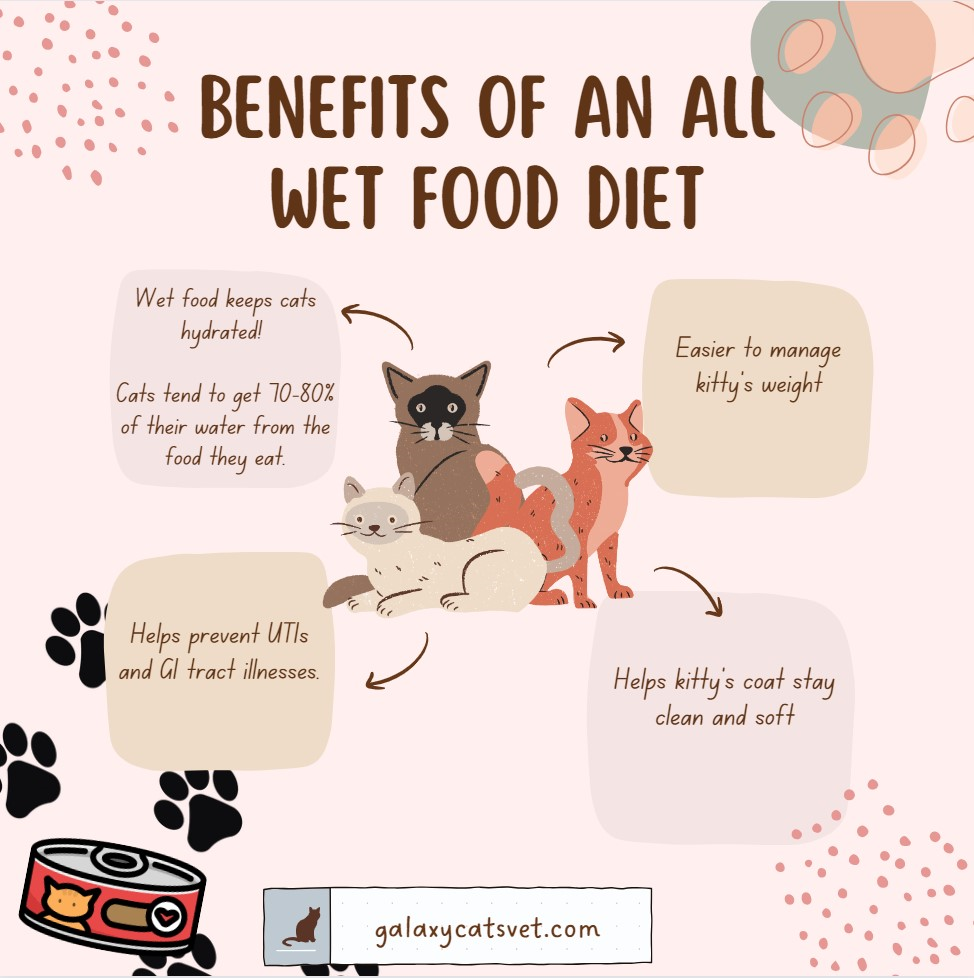
Wet cat food can offer useful benefits. It usually contains much more moisture than dry kibble, which can help cats that do not drink much water. This may support overall fluid intake, although it does not replace veterinary care for urinary or kidney problems.
Wet food is also soft and may help cats with dental pain, missing teeth, or trouble chewing. Many cats find its texture and smell more appealing than dry food.
Still, wet food has limitations:
• It spoils faster after opening.
• It can cost more per serving.
• It may create more waste from cans and trays.
• Some formulas are high in calories.
• Not every recipe suits every medical condition.
• A strong smell does not prove better quality.
Your veterinarian can help choose food for allergies, urinary disease, kidney disease, diabetes, obesity, or other needs. Do not change a therapeutic diet without professional guidance.
Personal Lessons From Handling Strong-Smelling Cat Food
One lesson many cat owners learn is that the feeding dish matters. Food can smell much worse when old residue remains on the bowl. A quick rinse may not remove the fat film, so warm water and dish soap work better.
Another common mistake is storing an open can with only a loose plastic wrap cover. The odor can spread through the refrigerator, and the food may dry out around the edges. A firm lid or sealed container makes a noticeable difference.
It also helps to separate “strong” from “spoiled.” I have seen people throw away fresh fish-based food simply because it smelled intense, while others kept food that had a sour odor because the date was still valid. Both reactions miss an important point: the date matters, but appearance, storage, and odor changes matter too.
When the smell seems unusual, trust caution. Food is inexpensive compared with the cost and stress of treating a sick cat. If something feels wrong, replace it and save the packaging in case you need to report the product.
Frequently Asked Questions About Why Does Wet Cat Food Smell So Bad
Why does wet cat food smell so bad after it is refrigerated?
Refrigeration slows bacterial growth but does not remove odor compounds. Once the can is opened, air exposure can make fish, organ meat, and fat smells more noticeable over time.
Is fishy-smelling wet cat food always spoiled?
No. Fish-based food often has a naturally strong smell. It may be unsafe if the odor is sour, rotten, rancid, or very different from the same recipe, especially when paired with mold, swelling, slime, or poor storage.
How long can wet cat food sit out?
Follow the product label, but wet food should not sit out for long. Many cat care guidelines recommend removing uneaten food after about two hours, or sooner in a hot room.
Can I warm wet cat food to make my cat eat it?
Yes, gentle warming may improve smell and texture for some cats. Stir the food well and check the temperature carefully to prevent hot spots or mouth burns.
Does wet cat food smell worse when it contains more protein?
It can. Animal proteins, organs, fish, and fats naturally create stronger odors, but smell alone does not show how nutritious or safe a food is.
What should I do if my cat suddenly refuses wet food?
Check the food for spoilage, unusual smell, package damage, and temperature. If the food seems normal but your cat keeps refusing meals, contact a veterinarian because appetite loss can signal illness.
Conclusion
Wet cat food smells strong because moisture releases odors from fish, meat, organs, fats, broth, and other ingredients. A bold smell can be normal, but sour, rotten, rancid, or unusual odors may point to spoilage.
Store opened food in a sealed container, refrigerate it promptly, wash bowls often, and discard anything that seems unsafe. Choose a milder protein source if needed, but always put your cat’s nutrition and health first. Share your own wet food storage tips in the comments, or explore more cat nutrition resources to make every meal safer and easier.