
Why Is Indoor Cat Food Different: Key Benefits Explained
Indoor cat food is different because it often has fewer calories, more fiber, and nutrients suited to lower activity levels.
If you wonder why is indoor cat food different, the answer goes beyond a picture of a house cat on the package. Indoor formulas are usually designed for cats that move less, hunt less, and may face a higher risk of weight gain or hairballs. This guide explains the science, benefits, limits, and smart feeding tips so you can choose food with confidence.
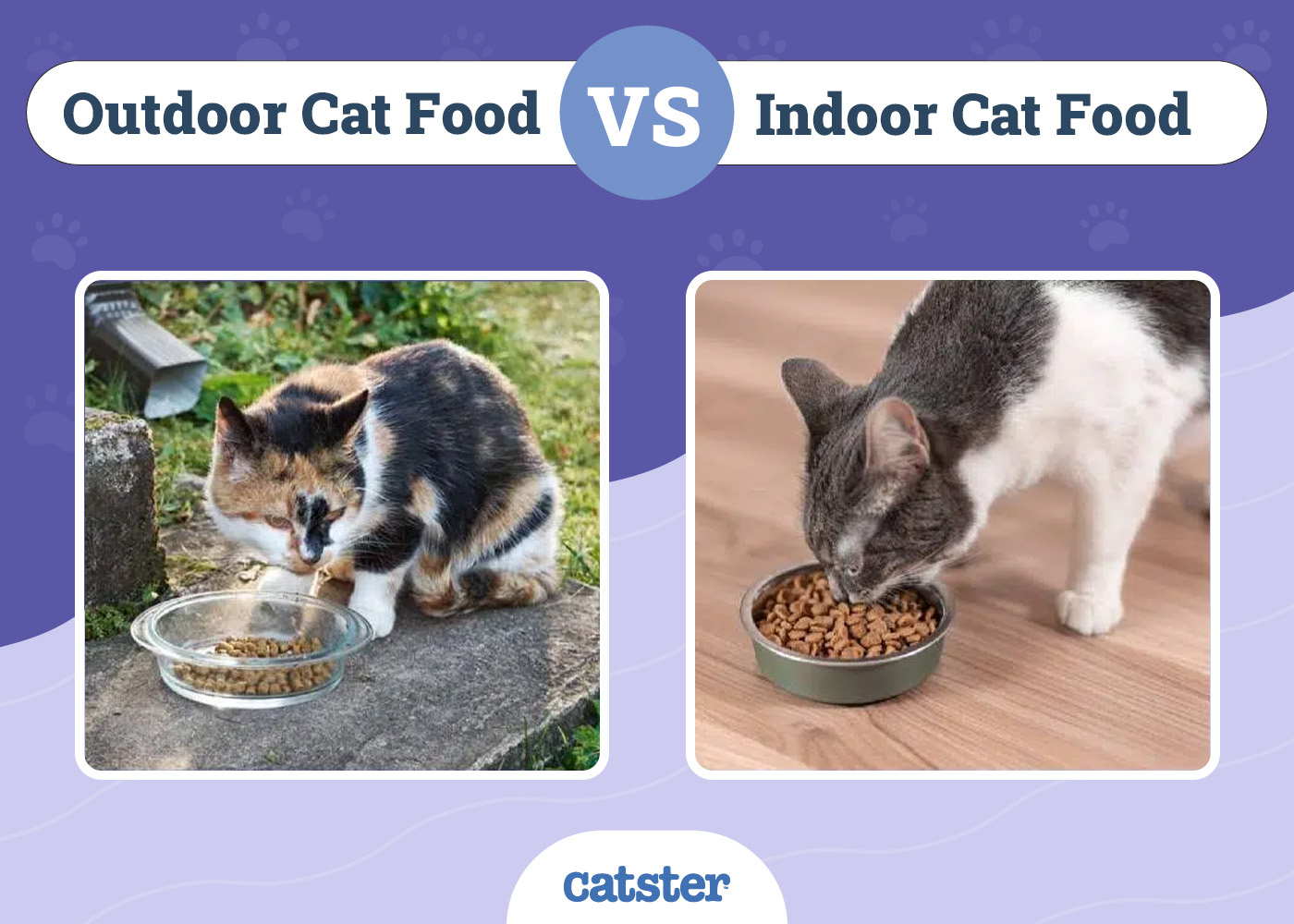
What Does “Indoor Cat Food” Mean?
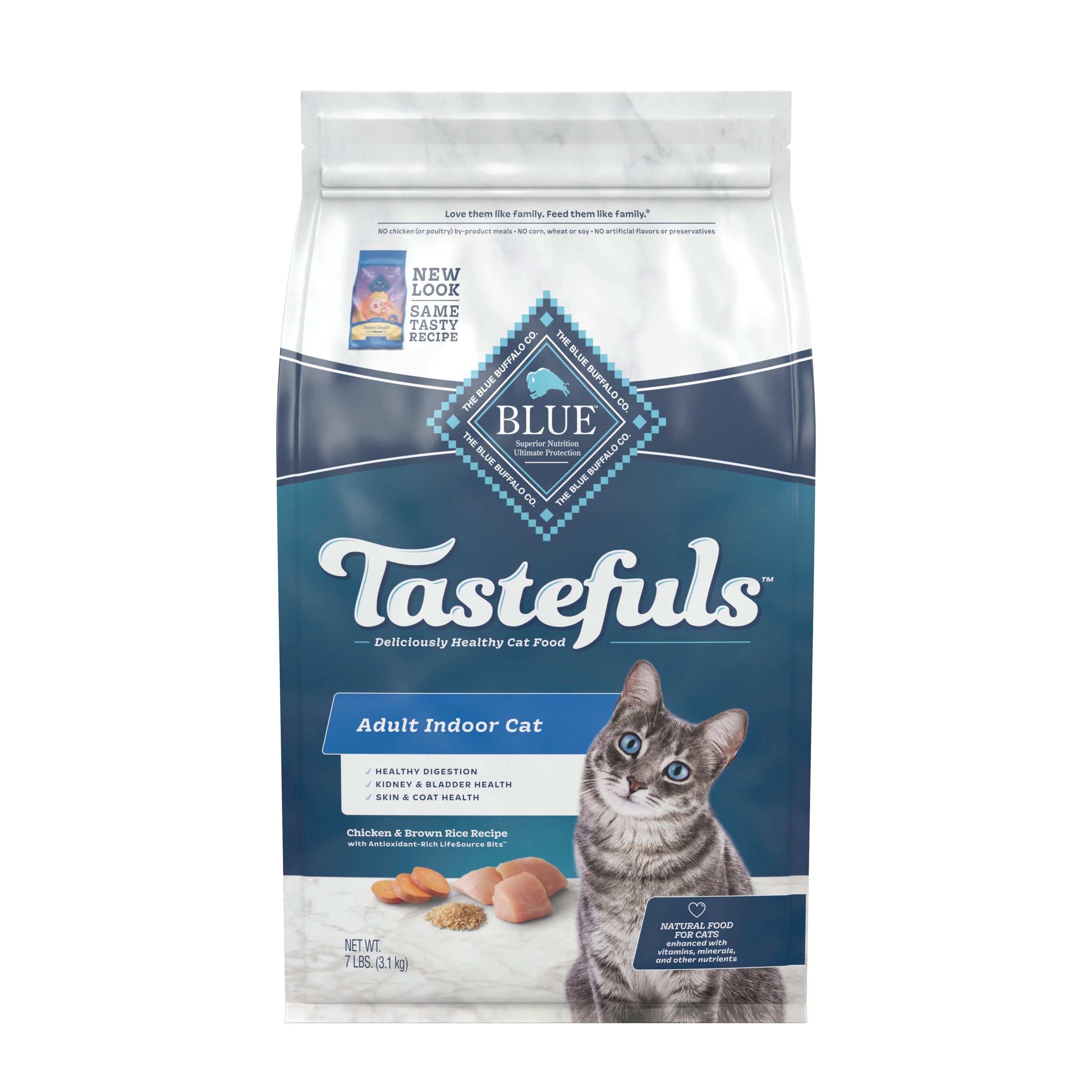
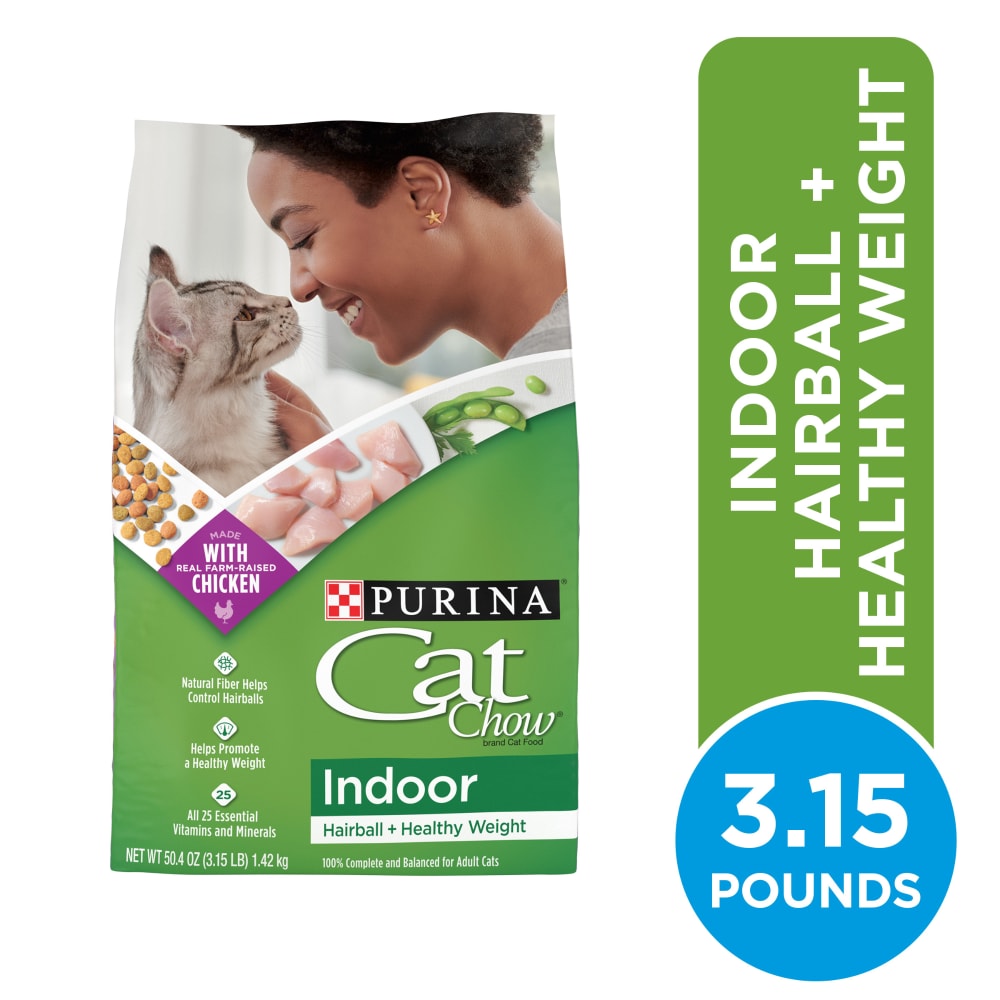
Indoor cat food is a commercial diet made for cats that spend most or all of their time inside. It may contain fewer calories per serving than some active-cat formulas. It may also include more fiber, balanced protein, and ingredients that support digestion and hairball control.
Still, “indoor” is mainly a marketing term. It does not follow one universal recipe or legal standard. One brand’s indoor food may differ greatly from another brand’s formula.
This is an important part of understanding why is indoor cat food different. The label gives you a clue about the product’s purpose, but the ingredient list, calorie content, and nutrition statement tell you more.
A complete and balanced cat food should meet the nutrient profiles set by the Association of American Feed Control Officials, often called AAFCO. Look for a statement that says the food is complete and balanced for your cat’s life stage.
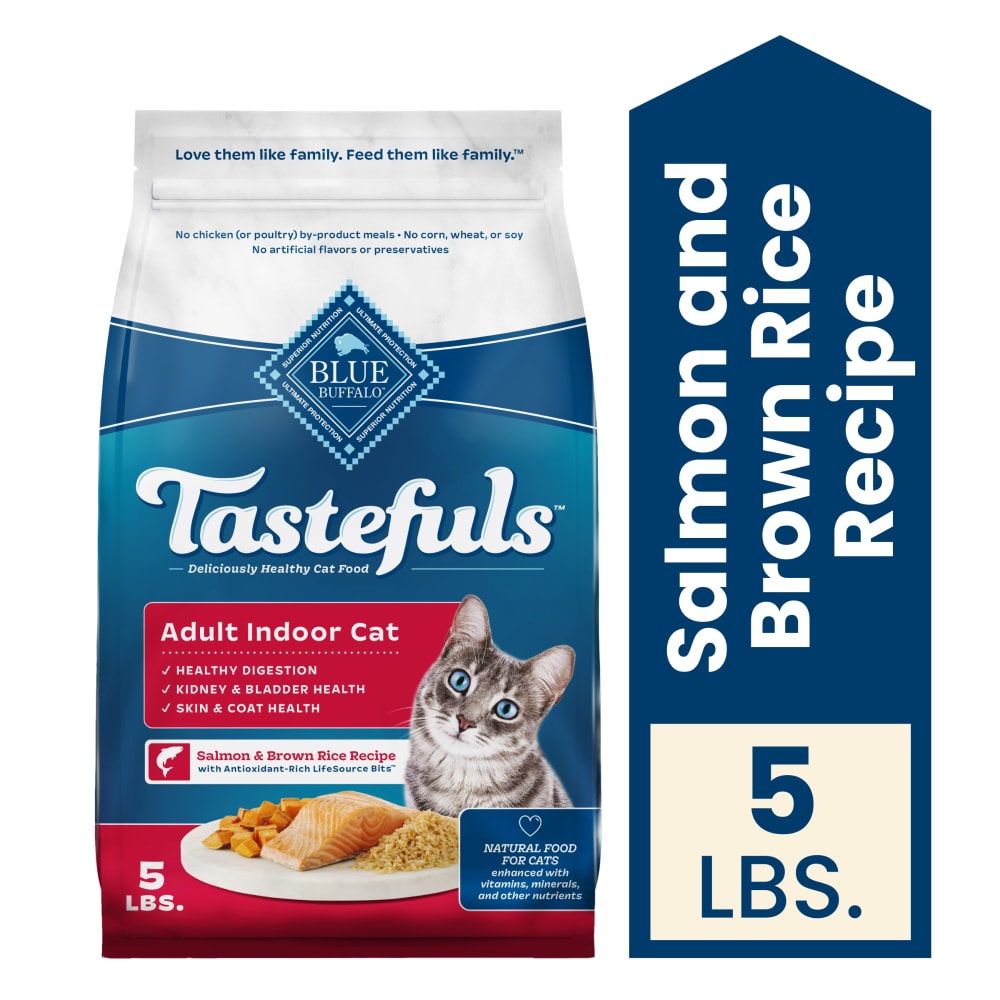
Why Is Indoor Cat Food Different From Regular Cat Food?
The main reason is lifestyle. Indoor cats often burn fewer calories than cats that roam outside, climb trees, chase prey, or walk long distances.
An outdoor cat may spend hours moving through its territory. An indoor cat may spend much of the day sleeping on a sofa or watching birds through a window. Both cats need animal-based nutrients, but they may not need the same number of calories.
Here are the most common differences:
Lower calorie density
Indoor cat food often contains fewer calories per cup or can. This helps reduce the chance of overfeeding when a cat has a calm lifestyle.
However, lower calories do not make a food automatically better. A very active indoor cat may need more energy. A young cat, pregnant cat, or nursing mother also has special needs.
More fiber
Many indoor diets contain extra fiber. Fiber can help a cat feel full and may support regular bowel movements.
Some fibers also help move swallowed hair through the digestive tract. Yet fiber is not a magic cure for hairballs. Too much can reduce palatability or cause loose stools in some cats.
Balanced protein and fat
A good indoor formula still needs quality protein. Cats are obligate carnivores, which means they rely on nutrients found in animal tissues.
Reducing calories should not mean removing the protein a cat needs to maintain muscle. A useful indoor diet lowers excess energy while keeping essential nutrients in balance.
Hairball support
Indoor cats may groom themselves more often because they have fewer activities to fill their day. Grooming can lead to swallowed hair.
Some indoor cat foods add fiber blends to support normal hair passage. Regular brushing may help just as much, especially for long-haired cats.
Added nutrients
Some formulas include omega fatty acids, antioxidants, taurine, and minerals. These nutrients may support skin, coat, vision, heart health, and immune function.
The value depends on the full recipe. A long list of added ingredients does not always mean the food is superior.

Indoor Cats, Calories, and Weight Gain
Weight control is one of the clearest answers to why is indoor cat food different. Indoor cats may eat the same amount as an outdoor cat but burn fewer calories.
Cats can gain weight slowly. A few extra bites each day may seem harmless, but those extra calories add up over months. Weight gain can raise the risk of diabetes, joint strain, breathing problems, and reduced mobility.
A healthy cat should have a visible waist when viewed from above. You should also be able to feel the ribs under a thin layer of fat. The ribs should not be sharply visible, but they should not be buried under a thick pad either.
A body condition score can help. Many veterinary clinics use a nine-point scale, with a middle score often considered ideal. Your veterinarian can assess your cat more accurately than a food label can.
To support a healthy weight:
• Measure each meal with a standard measuring cup or kitchen scale.
• Count treats as part of the daily calorie total.
• Avoid leaving a full bowl out all day if your cat overeats.
• Use play sessions to add movement.
• Recheck your cat’s weight every few weeks.
One common mistake is to switch to indoor food but keep serving the same large portion. A lower-calorie food can help, but portion control still matters.
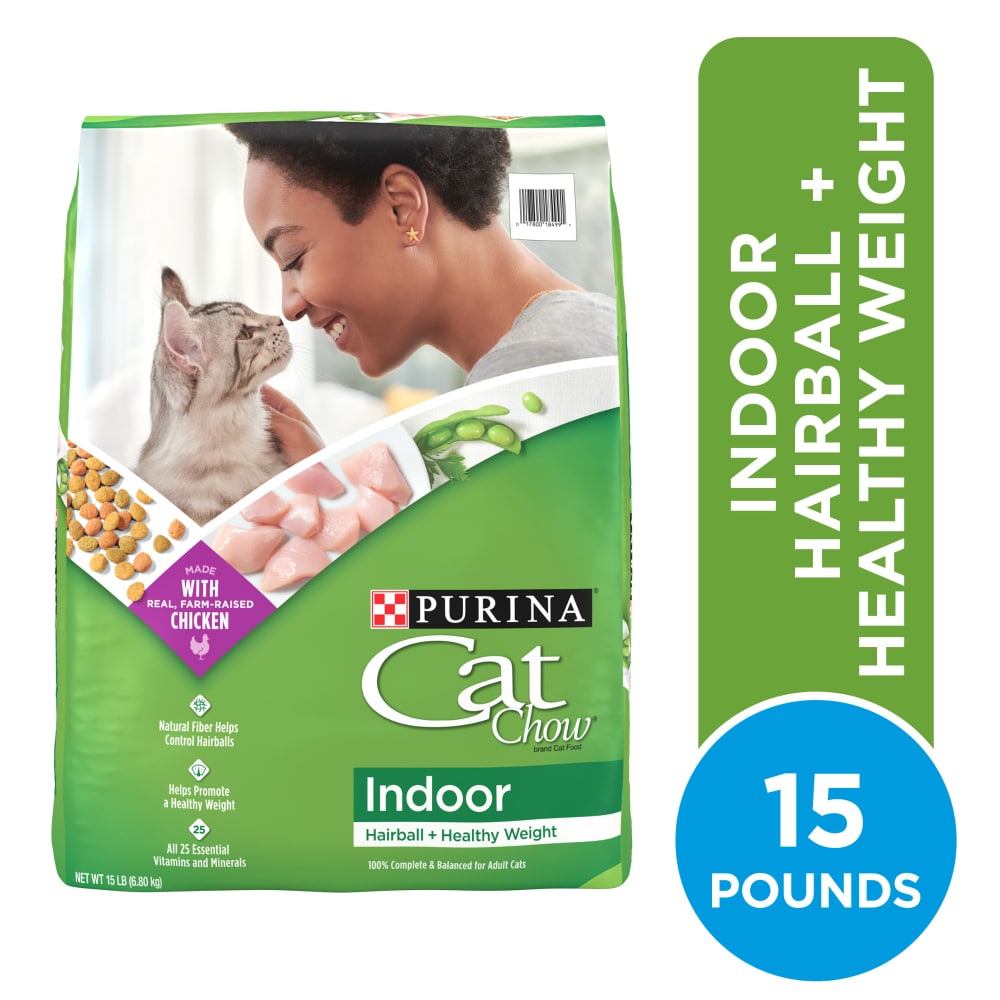
Is Indoor Cat Food Healthier?
Indoor cat food is not always healthier than regular cat food. It may be a better fit for a less active cat, but the best choice depends on age, weight, health, activity, and personal preference.
For example, a healthy adult indoor cat may do well on a complete and balanced adult maintenance formula. An indoor cat with kidney disease needs a veterinary diet made for that condition. A kitten needs food for growth, even if it never goes outside.
Wet and dry food can both work. Wet food usually contains more water, which may support hydration. Dry food is convenient and can be easier to measure, but cats that eat only dry food may need more encouragement to drink.
When comparing products, check:
• The AAFCO nutritional adequacy statement.
• The life stage, such as kitten, adult maintenance, or all life stages.
• Calories per cup, can, pouch, or serving.
• Protein and fat levels.
• Your cat’s stool quality, weight, coat, and energy.
• Whether your veterinarian recommends a special diet.
The answer to why is indoor cat food different should never be used to assume that every indoor formula is nutritious. Read the label and watch the cat, not just the front of the package.

Indoor Cat Food and Hairballs
Hairballs are common because cats naturally groom their coats. Most swallowed hair passes through the digestive tract and leaves in the stool. Some hair may collect in the stomach and later be vomited.
Indoor cat food may contain added fiber to help support this process. Some formulas also include ingredients that support skin and coat health, which may reduce excessive shedding in certain cats.
Still, frequent vomiting is not always a hairball problem. A cat that vomits often may have food intolerance, parasites, inflammatory bowel disease, kidney disease, or another health issue.
Contact a veterinarian if your cat:
• Vomits more than once or twice in a short period.
• Stops eating or drinking.
• Seems weak, painful, or unusually quiet.
• Has blood in the vomit.
• Loses weight.
• Repeatedly retches without producing a hairball.
Brushing your cat several times a week can remove loose hair before your cat swallows it. This simple habit is often more useful than relying on a hairball label alone.
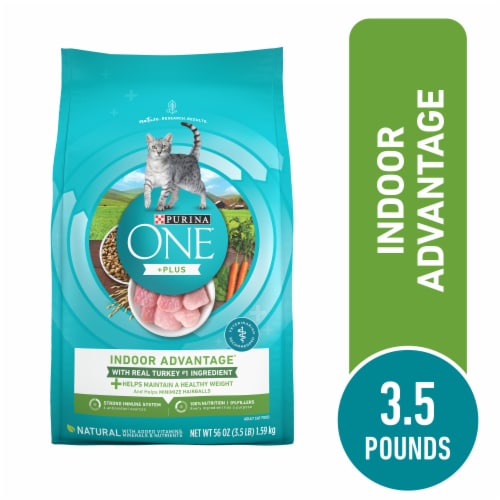
How to Choose the Best Indoor Cat Food
Choosing indoor cat food starts with your cat’s needs, not the word “indoor.” A calm adult cat with a healthy weight may need a different formula from an overweight senior cat.
Use this step-by-step method:
-
Check the life stage. Choose kitten food for growing kittens, adult food for most adult cats, and a senior or veterinary option when appropriate.
-
Review the calorie content. Compare calories per cup or can, not just the serving size.
-
Look for complete and balanced nutrition. This statement matters more than attractive marketing claims.
-
Check the protein source. Cats need protein from a well-formulated diet, with animal ingredients commonly used in quality cat foods.
-
Consider wet food. Its high moisture content can be useful for cats that drink little.
-
Watch your cat’s response. Healthy stool, steady energy, a shiny coat, and stable weight are useful clues.
-
Change food slowly. Mix the old and new foods over about seven days to reduce stomach upset.
A slow transition may look like this:
• Days 1 and 2: 75% old food and 25% new food.
• Days 3 and 4: 50% old food and 50% new food.
• Days 5 and 6: 25% old food and 75% new food.
• Day 7: 100% new food, if your cat is doing well.
Some cats need more time. If your cat refuses food, has ongoing diarrhea, or vomits, pause the change and contact your veterinarian.
Common Mistakes With Indoor Cat Food
Many feeding problems come from small habits rather than poor-quality food. Indoor cat food can support good health, but it cannot correct every feeding mistake.
Feeding by guesswork
A “scoop” is not always a true measuring cup. Use a level measure or kitchen scale. This is especially helpful for cats that gain weight easily.
Ignoring treats
Treats, table scraps, lickable snacks, and dental chews all add calories. As a general guide, treats should make up only a small part of daily calories.
Changing food too fast
A sudden switch can lead to diarrhea, gas, or refusal to eat. A gradual change is kinder to the digestive system.
Assuming dry food cleans teeth
Most ordinary kibble does not remove much plaque. Dental health usually needs tooth brushing, dental products approved by veterinary groups, or professional care.
Restricting food without veterinary help
Severe calorie restriction can be dangerous for cats. Overweight cats that stop eating may develop hepatic lipidosis, a serious liver condition. Weight loss should be gradual and monitored.
Trusting the front label alone
Words such as natural, premium, indoor, and hairball control do not tell the whole story. The nutrition statement and calorie information deserve close attention.
These lessons explain why is indoor cat food different but also why no label can replace careful feeding and regular health checks.
How Much Indoor Cat Food Should You Feed?
There is no single portion that fits every indoor cat. Feeding instructions on the package are a starting point, not a strict rule.
A cat’s needs depend on:
• Body weight.
• Age.
• Activity level.
• Neuter or spay status.
• Body condition.
• Health problems.
• The calorie density of the food.
Start with the package guide, then adjust based on body condition and veterinary advice. Divide the daily amount into two or more meals if your cat begs or eats too quickly.
Puzzle feeders can make meals more active. Hide small portions around a safe room, use a food-dispensing toy, or schedule short play sessions before meals. These steps can make indoor life feel less like an endless nap.
Fresh water should be available at all times. Some cats prefer wide bowls, fountains, or water placed away from food. Offer several safe options and note which one your cat uses most.

When Indoor Cat Food May Not Be the Right Choice
Indoor food may not suit every cat. A cat that spends time outdoors, plays intensely, or has a naturally lean body may need more calories.
Medical conditions also change the answer to why is indoor cat food different. A cat with urinary disease, kidney disease, diabetes, food allergy, or digestive disease may need a therapeutic diet.
Ask your veterinarian before changing food if your cat has:
• Repeated vomiting or diarrhea.
• Sudden weight gain or weight loss.
• Increased thirst or urination.
• A reduced appetite.
• Trouble chewing.
• A history of urinary blockage.
• A diagnosed medical condition.
Also remember that “indoor” does not mean “inactive.” Some cats race through the house, climb cat trees, and play hard every day. Others barely move. Activity matters more than the room where the cat eats.
Frequently Asked Questions About Why Is Indoor Cat Food Different
Why is indoor cat food different from outdoor cat food?
Indoor cat food often has fewer calories and more fiber because many indoor cats are less active. Outdoor cats may need more energy, but the right diet still depends on age, weight, health, and activity.
Can indoor cats eat regular cat food?
Yes, a healthy indoor cat can eat regular complete and balanced cat food. You may need to adjust the portion if the food has more calories than an indoor formula.
Does indoor cat food prevent hairballs?
It may help move swallowed hair through the digestive tract because some formulas contain added fiber. Regular brushing is also important, and frequent vomiting needs a veterinary check.
Is wet food better for indoor cats?
Wet food can provide more moisture and may help cats that do not drink much. Dry food can also be appropriate when it is complete and balanced and fed in a suitable portion.
Can kittens eat indoor cat food?
Kittens need food made for growth, not most adult indoor formulas. Choose a kitten diet that is complete and balanced for growth until your veterinarian recommends an adult transition.
Should overweight cats eat indoor cat food?
An indoor formula may help control calories, but it may not provide enough weight-loss support by itself. A veterinarian can create a safe plan that protects muscle and avoids rapid weight loss.
How often should I feed my indoor cat?
Many adult cats do well with two measured meals each day. Some prefer three or more small meals, especially when puzzle feeders or timed feeders are used.
Conclusion
Why is indoor cat food different? It is usually made with the needs of less active cats in mind, including lower calorie levels, added fiber, and support for weight control and hairball management. But the label is only a starting point.
Choose food based on your cat’s life stage, body condition, health, activity, and response to the diet. Measure portions, count treats, offer fresh water, and add daily play. If your cat has health problems or sudden changes in appetite or weight, speak with a veterinarian before changing food.
Your cat does not need a perfect label. It needs a well-balanced diet, sensible portions, movement, and close care. Compare a few suitable options, track your cat’s progress, and share your experience or questions in the comments.

One Comment