How Do Birds Prepare For Migration: Nature’s Secret
Introduction
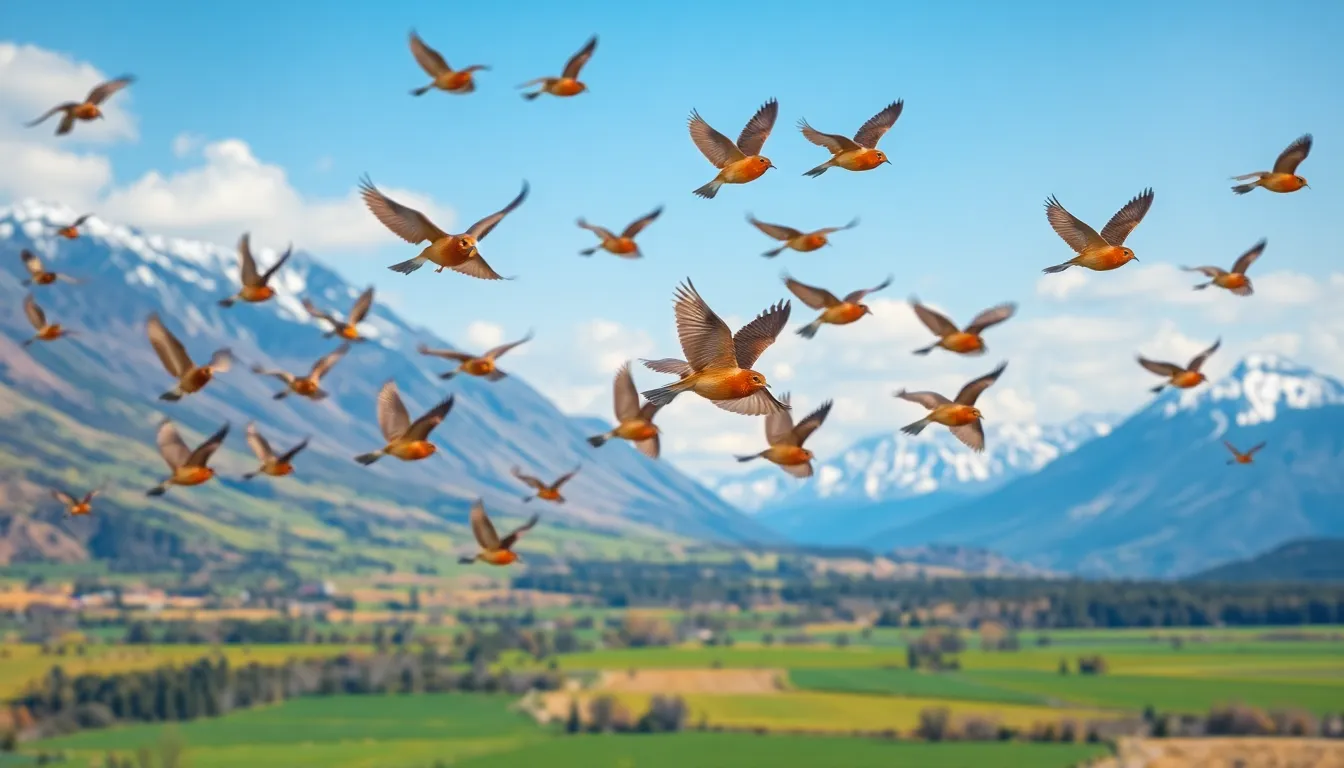
Birds in the United States prepare for migration through a mix of biological changes, learned behavior, and careful use of weather and food. Before they leave, many birds eat more, store fat, grow or replace feathers, strengthen flight muscles, and adjust their daily rhythms. They also use daylight, stars, Earth’s magnetic field, landmarks, wind, and social cues to guide the trip.
Migration is not one single process. A ruby-throated hummingbird crossing the Gulf of Mexico faces different demands than a Canada goose moving between wetlands. Yet both must solve the same basic problems: when to leave, where to go, how to fuel the journey, and how to survive along the route.

What Is Bird Migration?
Bird migration is the regular movement of birds between areas used for breeding and areas used for wintering. Most birds migrate in spring, fall, or both. Some travel only a few miles, while others cross continents and oceans.
In the United States, many migratory birds use four broad routes called flyways:
- Atlantic Flyway: The East Coast and nearby inland areas
- Mississippi Flyway: The Mississippi River basin and central United States
- Central Flyway: The Great Plains and central Rocky Mountain region
- Pacific Flyway: The western United States and Pacific Coast
These routes are not narrow roads. They are large regions with many possible paths. Birds often follow rivers, coastlines, mountain ranges, and areas with food and shelter.
Migration can be:
- Short-distance: Movement between nearby regions
- Long-distance: Travel between countries or continents
- Altitudinal: Movement up or down a mountain
- Partial: Some members of a species migrate while others remain near home
- Irruptive: Irregular movement caused by changes in food supply or weather
Birds do not all migrate for the same reason. Many leave breeding areas because winter reduces insect numbers, plant growth, or access to open water. Others migrate to avoid cold, escape seasonal drought, or reach places with better nesting conditions.
How Do Birds Prepare for Migration?
Birds prepare by changing their bodies, behavior, and daily routines. The main steps are increasing food intake, storing fat, completing key feather growth, strengthening flight capacity, and responding to seasonal signals.
1. They respond to changing daylight
Day length is one of the most important migration signals for many birds. As daylight changes, it affects hormones linked to feeding, sleep, reproduction, and movement.
In the United States, the shortening days of late summer often help trigger fall migration. Longer days in late winter and spring can help start northward migration.
Daylight is not the only signal. Temperature, storms, food supply, rainfall, and local conditions also matter. A bird may be biologically ready to migrate but delay its departure if strong winds or heavy rain create danger.
2. They eat more and build fat reserves
Many birds enter a phase of intense feeding called hyperphagia. During this period, they may eat far more than usual and seek foods with high energy value.
Birds store energy mainly as body fat. Fat is useful because it contains much more energy per unit of weight than protein or carbohydrates. A bird can carry this fuel while flying without carrying extra food.
Common migration foods include:
- Insects and other invertebrates
- Seeds and grains
- Berries and soft fruit
- Nectar
- Small fish
- Aquatic plants
- Tree sap in a few specialized species
The amount of fat a bird needs depends on the route. A bird flying from the northeastern United States to Central America may refuel often. A bird crossing the Gulf of Mexico may need a large reserve before leaving the coast.
Fat is not just an emergency supply. Birds use it during normal flight, stopovers, cold nights, and periods when storms prevent feeding.
3. They grow and maintain strong feathers
Feathers are essential for lift, steering, insulation, and protection. Many birds complete a molt before migration or replace some feathers during migration.
A molt is the natural process of shedding old feathers and growing new ones. Molting uses a great deal of energy and nutrients. Birds usually avoid placing their most demanding molt at the same time as their longest migration, although exceptions exist.
New feathers must be in good condition before a long journey. Damaged or worn flight feathers can reduce efficiency and control. Some species change into a brighter breeding plumage after migration, while others keep a less colorful plumage during winter.
4. They adjust their muscles and internal organs
Migration changes a bird’s body beyond visible fat gain. The muscles used for flight may grow stronger or increase in size before a long trip. The digestive system can also change.
Before a stopover or long flight, some birds may enlarge digestive organs so they can process more food. After a long flight, they may reduce those organs to save weight. This flexibility helps birds balance fuel needs against the cost of carrying extra mass.
A bird’s heart, lungs, blood, and muscles must also support sustained activity. These changes are not identical in every species, and they can vary by route, age, sex, and season.
5. They change their sleep and rest patterns
Some migratory birds alter their sleep schedule before and during migration. Nocturnal migrants may fly for hours at night and rest during the day. Their brains must manage long travel periods while still limiting exhaustion.
Many small songbirds migrate at night. They often feed heavily during the day, then depart after sunset when the air is cooler and predators may be less active. Bright city lights can disrupt this pattern and draw birds toward buildings.
6. They become restless before departure
Scientists call the seasonal restlessness seen in captive migratory birds zugunruhe, a German term meaning “migratory restlessness.” Birds may become more active at the time of year when wild members of their species normally migrate.
This behavior suggests that migration has a strong inherited component. It does not mean that every bird follows a fixed route without learning. Instead, inherited timing and direction work together with experience, weather, landscape, and social information.

How Do Birds Know When to Migrate?
Birds use several signals to decide when conditions are suitable for migration. No single signal controls every species.
Day length and hormones
Seasonal changes in daylight can activate hormonal systems that prepare birds for movement. These changes may increase feeding, alter sleep, and promote migratory behavior.
Weather and wind
Birds often use favorable winds to reduce the energy cost of travel. Weather radar data show that large numbers of birds may move when winds support the direction of travel.
Strong storms, headwinds, rain, and cold fronts can delay migration. Some birds fly around storms, while others land and wait for safer conditions.
Food and habitat
A lack of food can push birds to leave. A sudden abundance of food can delay departure or change the route. For example, birds may remain longer in an area with plentiful berries or insects.
Habitat loss can make migration more difficult. A bird may reach a traditional stopover site and find fewer wetlands, grasslands, forests, or coastal marshes than in the past.
Internal biological clocks
Many birds have an internal yearly rhythm. This clock helps control migration timing even when local weather changes from year to year. Young birds may inherit a general direction and timing, then improve their route through experience.
How Do Birds Navigate During Migration?
Birds navigate with a combination of inherited abilities, memory, environmental signals, and social learning.
The sun and stars
During the day, birds can use the sun as a compass. They may also use the sun’s position with an internal clock to estimate direction.
At night, some birds use the stars. Young birds can learn patterns in the night sky before making their first major migration.
Earth’s magnetic field
Many birds can sense information linked to Earth’s magnetic field. This ability may help them determine direction, especially when clouds hide the sun or stars.
The exact biological process is complex. Research points to more than one possible system, including light-sensitive proteins in the eye and magnetic information processed by other body systems. The magnetic field appears to act as one tool among several, not as a complete map.
Landmarks and landscape features
Birds may recognize coastlines, mountain ranges, rivers, islands, and large forests. These features can guide migration and help birds find stopover sites.
Older birds often have more route experience than young birds. Some species travel with adults or other flock members that can help young birds learn where to go.
Smell and sound
Some birds may use smell to identify regions or landscape features. Calls can also help birds stay together, find members of their species, or coordinate movement.
Navigation varies by species. A bird that migrates alone may depend more heavily on inherited direction and environmental cues. A flocking species may gain useful information from group travel.

What Happens at Migration Stopovers?
Stopover sites are places where birds rest and refuel during migration. They can be more important than the final destination because a bird may need several stops to complete its journey.
A good stopover provides:
- Reliable food
- Clean water
- Shelter from wind and predators
- Safe places to rest
- Suitable habitat for the species
Coastal marshes, river valleys, forests, prairies, wetlands, and backyards can all support migrating birds. Some sites are used for only a few hours. Others support birds for days or weeks.
Birds do not always stop because they are tired. They may stop because they need to replace fat, wait for better weather, avoid a storm, or recover from a difficult flight.
Why stopover habitat matters
A bird can lose energy quickly when it lands in a poor habitat. If food is scarce, the bird may need to stay longer or leave with an unsafe level of fuel.
This creates a chain effect. Losing one important stopover can make the next flight harder, even when breeding and wintering habitats remain intact.
People can help by protecting native plants, wetlands, shorelines, and dark skies. During migration, turning off unnecessary lights at night can reduce confusion and collisions, especially in cities.
How Different Birds Prepare for Migration
Migration preparation differs by species, age, route, and season.
Songbirds
Many warblers, thrushes, sparrows, and vireos eat insects and fruit before migration. Some travel at night and stop in forests or gardens during the day.
Small songbirds may cross large areas in stages. A safe patch of trees can provide food and cover after a long night of flight.
Waterfowl
Ducks, geese, and other waterbirds often build fat reserves in wetlands, fields, and shallow lakes. Many migrate in groups, which can help with communication and route finding.
Some waterfowl migrate only when water freezes or food becomes hard to reach. Others follow strong seasonal patterns even when local conditions remain mild.
Shorebirds
Shorebirds often make very long journeys between northern breeding grounds and southern wintering areas. They may depend on coastal mudflats, estuaries, and shallow wetlands where they can feed on small animals.
Because many shorebirds travel long distances, the loss of one major feeding site can affect birds from many regions.
Hummingbirds
Ruby-throated hummingbirds in the eastern United States may cross the Gulf of Mexico or travel around it. Before a demanding flight, they feed heavily and store fat.
Their small size makes energy management especially important. A hummingbird’s route and timing may vary with weather, food, age, and geographic location.
Raptors
Hawks, eagles, and other birds of prey often use rising columns of warm air called thermals. Thermals allow them to gain height and glide with less wing flapping.
Many raptors avoid large bodies of water because thermals are weaker over open water. This helps explain why some migration routes concentrate along ridges, coastlines, and narrow land crossings.

How Can People Help Migrating Birds?
The most useful actions are simple: provide native habitat, reduce hazards, and protect food and water sources.
Make windows safer
Window collisions kill or injure many birds in the United States. Birds may see reflections of trees or sky and fail to recognize glass as a barrier.
Effective steps include:
- Apply exterior window patterns or bird-safe film
- Use closely spaced markers on the outside of glass
- Keep feeders either very close to windows or well away from them
- Close blinds when practical
- Treat especially reflective or transparent windows first
If you find an injured bird, place it in a small box with air holes. Keep the box dark, quiet, and away from pets. Do not force food or water into its mouth. Contact a licensed wildlife rehabilitator as soon as possible.
Reduce outdoor light at night
Many birds migrate at night. Bright lights can attract them into urban areas and increase collision risk.
You can help by:
- Turning off unneeded lights
- Using timers or motion sensors
- Closing curtains and blinds
- Shielding outdoor lights so they point downward
- Supporting local bird-friendly lighting programs
Plant native species
Native plants can provide insects, seeds, berries, nectar, and shelter. Use a mix of trees, shrubs, grasses, and flowering plants when space allows.
Avoid treating every insect as a pest. Caterpillars and other insects are vital food for many migrating birds, especially young birds during the breeding season.
Keep cats indoors
Free-ranging cats are a major human-caused source of bird mortality. Keeping cats indoors protects birds and also reduces risks to cats from cars, disease, and predators.
Protect water and habitat
Keep birdbaths clean and change the water often. Remove stagnant water and scrub the basin regularly to limit disease spread.
Do not disturb nesting, roosting, or feeding birds. Observe from a distance and follow posted rules in refuges, parks, and protected areas.

Common Misconceptions About Bird Migration
“All birds migrate south in winter.”
Many do, but not all. Some birds remain year-round in one region. Others move west, east, uphill, or only a short distance.
“Birds migrate because they are cold.”
Cold can make survival harder, but food is often the stronger factor. A bird may tolerate low temperatures if it can find enough food and shelter.
“Every bird follows the same route each year.”
Many birds show regular routes, but weather, age, food, habitat, and experience can change the path. Young birds may also take a less direct route.
“Birds fly nonstop from the United States to South America.”
Some species make long nonstop flights, but many use multiple stopovers. Even birds capable of long flights usually need places to rest and feed during other parts of the journey.
“A bird that arrives early is always healthier.”
Early arrival can help a bird claim a territory, but it also brings risks. Cold weather, storms, and limited food can reduce survival. The best timing depends on the species and location.
Key Takeaways
- Birds prepare for migration by eating more, storing fat, maintaining feathers, and adjusting muscles and daily rhythms.
- Day length, hormones, food, weather, wind, and inherited biological clocks help control departure.
- Birds navigate with the sun, stars, magnetic field, landmarks, memory, smell, and social cues.
- Stopover sites provide the food and shelter birds need between major flights.
- Native plants, safe windows, dark skies, clean water, and indoor cats can make migration safer in the United States.
Frequently Asked Questions
How long does it take birds to prepare for migration?
Preparation may begin weeks or months before departure. The exact timing depends on the species, route, age, weather, food supply, and season. Some birds begin building fat well before they leave, while others make rapid changes shortly before migration.
Do birds know where to migrate the first time?
Some birds inherit a general direction and timing. Others learn routes from parents or older flock members. First-time migrants may improve their navigation through experience, landmarks, and repeated journeys.
Do birds migrate during the day or at night?
Both. Many songbirds migrate at night, while hawks and other soaring birds often move during the day. Waterfowl may migrate during either period, depending on species, weather, and route.
Do birds stop migrating when it rains?
Light rain may not stop migration, but heavy rain, strong winds, storms, and poor visibility can delay it. Birds may land and wait for safer conditions.
How can I tell when migration is happening near me?
Look for changes in the number and types of birds in your area. Local birding groups, wildlife refuges, and tools such as the Cornell Lab of Ornithology’s eBird data and BirdCast migration forecasts can help show regional movement. Forecasts describe broad patterns, so local weather and habitat still matter.
Conclusion
Birds prepare for migration by turning seasonal signals into physical and behavioral change. They build fuel reserves, keep their feathers in shape, strengthen their bodies, choose suitable weather, and use several navigation tools at once.
For people in the United States, the best way to support migration is to protect the places birds use before, during, and after their journey. Safer glass, darker nights, native plants, clean water, and healthy wetlands can give birds the food and shelter they need to keep moving.
A practical next step is to identify one migration hazard near your home—such as a bright window, outdoor light, or lack of native cover—and correct it before the next peak migration period.