How Do Wild Birds Survive The Winter: Survival Tips
Wild birds in the United States survive winter through a mix of migration, body heat, insulated feathers, stored fat, shelter, and smart feeding choices. Some birds leave cold regions before winter arrives. Others stay and adapt to freezing temperatures, snow, short days, and scarce food.
A bird’s survival plan depends on its species, size, habitat, and access to food and water. A chickadee in Minnesota may remain active all winter, while a ruby-throated hummingbird usually migrates south from the eastern United States. Some hummingbirds that winter in the Southeast can enter a state of deep sleep called torpor to save energy.

Key Takeaways
- Birds stay warm by trapping air in their feathers and raising their metabolic rate.
- Many birds eat more in winter and store extra fat for fuel.
- Migration helps birds avoid the worst cold and food shortages.
- Birds use dense shrubs, tree cavities, evergreen branches, and roost boxes for shelter.
- Water remains essential, even when temperatures fall below freezing.
- Bird feeders can help during severe weather, but clean feeders and natural habitat matter more.
- Most birds do not hibernate. A few species use short periods of torpor.
How Do Birds Stay Warm in Winter?
Birds stay warm by using feathers, body fat, muscle activity, and sheltered roost sites. Their feathers act like a down coat, while their internal heat keeps the trapped air warm.
Feathers create a layer of trapped air
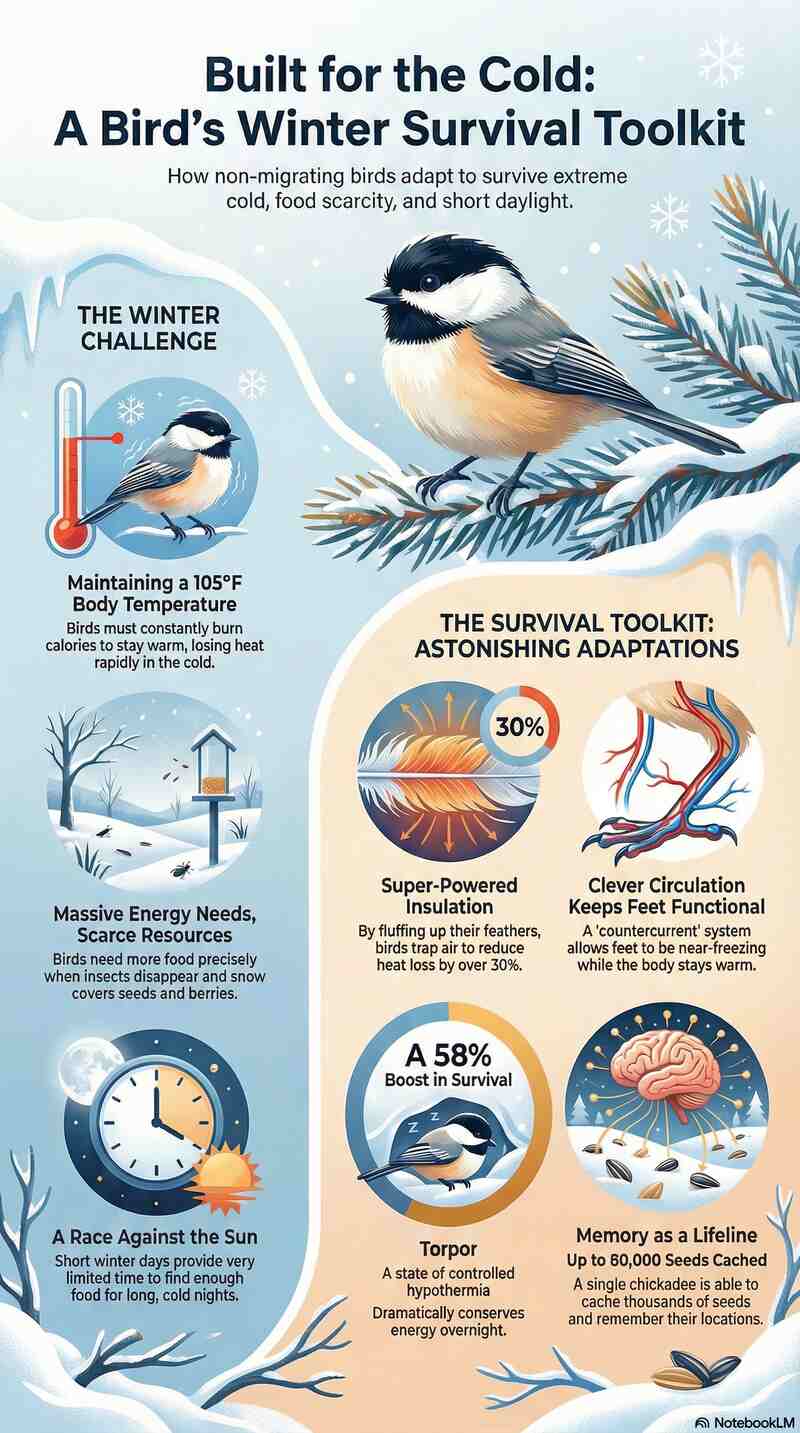
A bird can raise its feathers to form a loose layer around its body. This action, called fluffing, traps air between the feathers and the skin. The trapped air slows heat loss.
Birds also preen their feathers. During preening, they spread oil from a gland near the base of the tail across their feathers. This helps keep the feathers in good condition and helps repel water. Wet, damaged, or dirty feathers provide less insulation.
Birds may also tuck their bills into their back feathers. This reduces heat loss from the face and helps warm the air before they breathe it in.
Birds use shivering to make heat
When a bird shivers, its muscles contract rapidly. This creates heat without producing much movement. Birds may shiver for long periods during very cold weather, but this process uses a large amount of energy.
That is why food becomes so important in winter. A small songbird can lose heat quickly because it has a high surface area compared with its body mass. It must replace that lost energy with food.
Fat is a vital winter fuel
Birds store fat before and during cold weather. Fat provides more energy by weight than protein or carbohydrates. Birds use this energy to maintain body temperature, fly, and search for food.
A bird that enters a cold night with too little stored fat may not survive until morning. This risk is greater after storms, when snow covers seeds and insects or when ice prevents birds from reaching water.
Legs and feet limit heat loss
A bird’s legs and feet have special blood vessel arrangements that reduce heat loss. Warm blood flowing from the body passes near colder blood returning from the feet. Heat transfers between the two blood supplies before the blood reaches the toes.
Many birds also reduce blood flow to their feet in extreme cold. Ducks and other water birds may stand on one foot and pull the other leg into their feathers. This reduces the area exposed to cold air and snow.
Body size affects cold tolerance
Larger birds often lose heat more slowly than smaller birds because they have less surface area compared with their body mass. Small birds can still survive severe cold, but they may need to eat often and find protected roosts.
A black-capped chickadee, for example, may lower its body temperature at night and enter controlled torpor. This saves energy while the bird rests. The bird then warms up again in the morning.

Do All Birds Migrate in Winter?
No. Some birds migrate, some remain in the same area, and others move only a short distance. Migration depends on food, temperature, daylight, breeding needs, and inherited behavior.
Long-distance migration
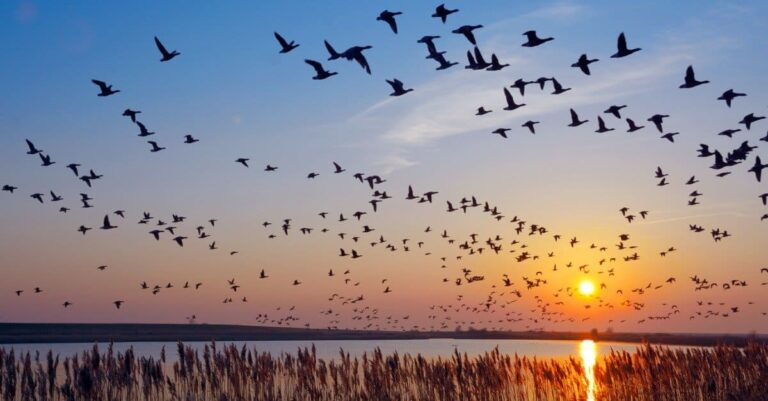
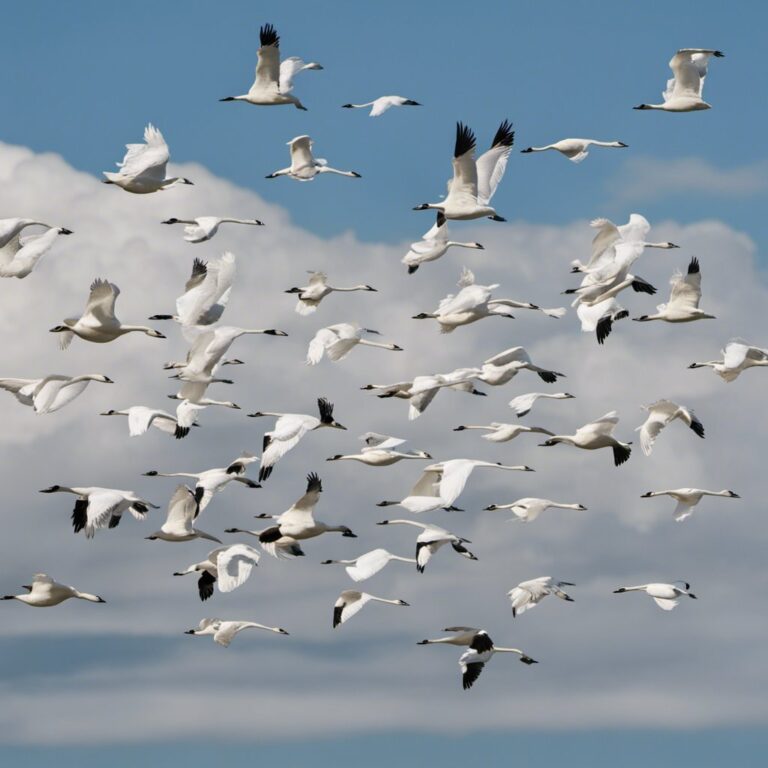
Many birds leave the northern United States and Canada in fall. They travel to warmer areas where food remains available. Some go to the southern United States, Mexico, the Caribbean, or Central and South America.
Examples include:
- Ruby-throated hummingbirds from much of the eastern United States
- Barn swallows
- Many warblers
- Scarlet tanagers
- Baltimore orioles
- Some waterfowl and shorebirds
Migration does not always mean a bird avoids cold weather entirely. Birds may face storms, freezing rain, strong winds, and food shortages along the route.
Partial migration
Some species migrate only part of their population. One group may remain in the northern United States, while another moves south.
Northern cardinals, blue jays, American robins, and red-winged blackbirds may show different patterns based on location and food supply. Birds in the northern part of their range are more likely to move than birds in warmer areas.
Young birds, food conditions, and weather can also affect when and how far birds travel.
Short-distance movement
Birds may move from exposed areas into valleys, forests, wetlands, or towns. This is not always true migration. It may be a local response to cold or a search for food.
For example, some birds leave open farmland after heavy snow and move toward wooded edges. Others gather near unfrozen rivers, springs, or coastal marshes.
Birds that remain year-round
Many birds stay in the same region all year. Common winter residents in the United States include:
- Black-capped chickadees
- Tufted titmice
- White-breasted nuthatches
- Downy woodpeckers
- Northern cardinals
- American crows
- House sparrows
- Several finch species
These birds survive by changing their behavior and diet rather than leaving the area.
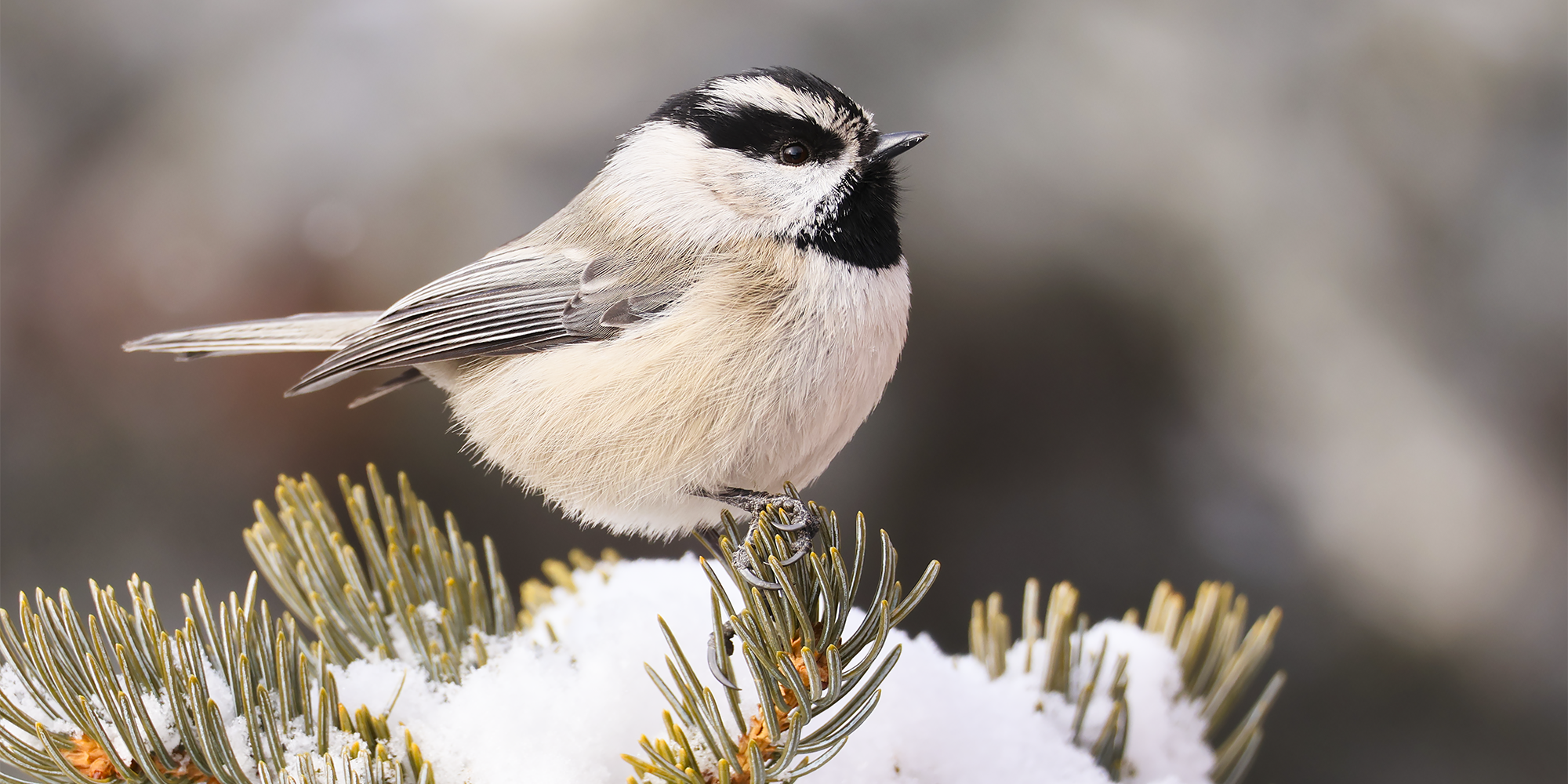
How Do Birds Find Food in Winter?
Birds survive winter by switching foods, storing food, searching in groups, and using places where food remains exposed.
Birds change their diet
Insects become harder to find in cold regions. Many birds then eat seeds, berries, nuts, tree buds, and stored foods.
Examples include:
- Finches eating seeds
- Woodpeckers searching tree trunks for insects and larvae
- Nuthatches finding seeds and insects in bark
- Cedar waxwings eating fruit
- Owls hunting mammals under snow
- Ducks eating aquatic plants, seeds, and small animals
A varied habitat gives birds more choices. A yard with mature trees, native shrubs, leaf litter, and seed-producing plants usually offers more winter food than a short, bare lawn.
Birds cache food
Some birds hide food for later use. Blue jays may carry acorns and bury them in soil or leaf litter. Nuthatches and chickadees may place seeds in cracks or other hiding spots.
These food stores help birds during storms. They also require strong memory. A bird must remember many hiding places and protect some food from competitors.
Flocks improve feeding success
Birds often form mixed-species flocks in winter. A chickadee flock may include titmice, nuthatches, woodpeckers, and kinglets.
A flock can find food more efficiently because many birds search at once. It also provides more eyes to watch for hawks and other predators. The trade-off is competition for the same food.
Food timing matters
Birds may feed heavily in the morning after a cold night. They need to replace energy used while maintaining body temperature during sleep.
They may also feed again before sunset. This helps them build fat reserves for the next night.

Where Do Birds Sleep During Winter?
Birds sleep in places that block wind, rain, snow, and cold air. A good roost can make the difference between surviving and dying during a hard freeze.
Common winter roost sites include:
- Dense evergreen trees
- Thick shrubs and hedges
- Tree cavities
- Woodpecker holes
- Brush piles
- Rock crevices
- Barns and other structures
- Roost boxes
- Sheltered wetland vegetation
Evergreen trees provide cover throughout the year. Dense branches reduce wind and help hold warmer air close to the bird.
Some birds use cavities made by woodpeckers or natural decay. A cavity blocks wind better than an exposed branch. However, birds must still avoid predators and may compete for the best sites.
Group roosting
Some birds sleep close together in groups. This behavior can reduce heat loss because the birds share a protected space.
Small birds may gather in a cavity or dense shrub. Crows and other large birds may roost in large groups, especially near reliable food and water.
Group roosting has risks. More birds can attract predators and increase the spread of disease. Birds balance warmth and safety when choosing a roost.
Roosting is not the same as nesting
Winter roosts and bird nests serve different purposes. Most nests are built for eggs and young birds. They may not provide enough protection from winter wind or rain.
Birds usually choose a separate winter roost. Leaving natural cavities, thick shrubs, and brush piles in a yard can give them more options.

Do Birds Hibernate or Enter Torpor?
Most birds do not hibernate. A small number enter torpor, which is a short-term drop in body temperature and activity.
Hibernation usually refers to a long, seasonal state of low metabolism. Torpor is shorter and may last for hours or a night.
Hummingbirds use torpor
Hummingbirds have very high energy needs. During a cold night, a hummingbird may lower its body temperature and slow its heart rate. This helps reduce the energy needed to stay warm.
Some hummingbirds also use torpor during migration or when food is scarce. The bird wakes when conditions improve, but warming up still takes energy.
People should not handle a torpid hummingbird unless a trained wildlife rehabilitator gives specific instructions. A bird that appears still may be resting rather than injured.
Other birds can use short-term torpor
Some small birds, including chickadees, can lower their nighttime body temperature. The reduction is usually modest compared with the deep torpor of hummingbirds.
The common poorwill, found in parts of the western United States, is one of the best-known birds linked with extended torpor during cold periods. This behavior is unusual among birds and should not be treated as typical.

How Can People Help Wild Birds Survive Winter?
The most useful help is to provide safe habitat, clean water, and reliable food while reducing common hazards.
Offer natural cover
Plant or protect native shrubs and evergreen trees. Leave some leaf litter under trees and allow a few brush piles to remain in quiet parts of the yard.
Avoid removing every dead tree or branch. Snags can provide cavities and insects for woodpeckers and other birds. Remove only trees or limbs that pose a clear safety risk.
Provide suitable food
Bird feeders can help during snow, ice, and prolonged cold. Use foods that match the birds in your area.
Common choices include:
- Black-oil sunflower seed for many backyard birds
- Nyjer seed for goldfinches and related finches
- Suet for woodpeckers, nuthatches, and chickadees
- Peanuts for some jays and woodpeckers
- Fruit for waxwings and some thrushes
Do not use moldy, wet, or spoiled food. Avoid foods with salt, chocolate, or artificial sweeteners. Bread has little nutritional value and should not be a main food.
Keep feeders clean
Dirty feeders can spread disease, especially when many birds gather in one place. Clean feeders on a regular schedule and remove wet seed or droppings.
If you see several sick or dead birds near a feeder, stop feeding temporarily. Clean the feeder and the area beneath it. Follow current guidance from your state wildlife agency or the U.S. Fish and Wildlife Service before restarting.
Supply water
Birds need water in winter for drinking and feather care. Natural water may be frozen, so a shallow birdbath can help.
Change the water often and clean the basin. A heated birdbath may prevent freezing, but it must be used according to the manufacturer’s safety instructions. Do not add antifreeze, salt, or chemicals to bird water.
Prevent window strikes
Feeders placed too close to windows can increase collision risk. The safest placement depends on the window and feeder, but placing the feeder very close to the glass or much farther away can reduce the speed of impacts compared with an intermediate distance.
Window decals alone often do not work unless they are spaced closely enough to make the glass visible as a barrier. External screens, shades, or dense patterns on the outside of the window can work better.
Keep cats indoors
Free-roaming cats kill large numbers of wild animals in the United States. Keeping cats indoors protects birds and also reduces risks from vehicles, predators, fights, and disease.

What Winter Threats Do Wild Birds Face?
Winter weather is only one part of the problem. Birds also face food loss, habitat damage, predators, disease, and human-made hazards.
Ice and snow block food
A layer of ice can cover seeds, berries, insects, and open water. A bird may survive a single cold day but become vulnerable after several days of poor feeding.
Freezing rain can also coat feathers and branches. Wet feathers lose insulating power, while heavy ice may prevent a bird from reaching food or shelter.
Wind increases heat loss
Wind strips away the layer of warm air around a bird’s feathers. Birds seek dense cover during strong winds because shelter lowers the energy needed to stay warm.
An exposed feeder may be less useful than food placed near shrubs or trees, provided the location does not give cats or hawks an easy ambush point.
Disease spreads at crowded feeders
Feeders concentrate birds in a small space. This can increase the spread of salmonellosis, conjunctivitis, and other infections.
Clean feeding stations, use several feeders, and keep the ground beneath them free of old seed and droppings. If possible, place feeders where birds can see approaching predators.
Pesticides reduce winter food
Insect-eating birds may still need insects during winter. Pesticides can reduce the insects and other small animals that birds depend on.
Avoid unnecessary pesticide use. Use native plants and natural pest controls where practical.
Buildings and power lines create hazards
Birds may collide with windows, communication towers, vehicles, and other structures. They may also suffer injuries from fishing line, plastic loops, and loose netting.
Reducing these hazards helps birds throughout the year, not just during winter.

What Should You Do If You Find a Bird in the Cold?
A bird sitting quietly in a sheltered place may be resting, not injured. Torpid hummingbirds can appear lifeless for a short time.
Do not immediately bring a healthy wild bird indoors. First, observe from a distance:
- Can the bird stand and grip a branch?
- Does it fly when approached?
- Is one wing hanging?
- Is there visible blood?
- Is it trapped, tangled, or hit by a window?
- Is it being attacked by a cat or another animal?
If the bird has an obvious injury, cannot fly, or has been caught by a cat, contact a licensed wildlife rehabilitator. Keep pets and children away while waiting for instructions.
Do not give food or water to an injured bird unless a rehabilitator tells you to do so. Incorrect handling can cause stress, choking, or additional injury.
If a bird hit a window but can stand, place it in a ventilated cardboard box lined with a soft towel. Keep the box dark, quiet, and at room temperature while contacting a rehabilitator. Do not keep the bird longer than necessary or attempt to treat it yourself.
Winter Survival Strategies by Bird Type
The table below shows common winter strategies used by birds in the United States. Individual species can vary by region and weather.
| Bird type | Common winter strategy | Main challenge |
|---|---|---|
| Small songbirds | Fluff feathers, eat often, roost in cover, join flocks | High heat loss |
| Woodpeckers | Search bark and dead wood for insects, use cavities | Frozen or scarce insects |
| Finches | Eat seeds and move in flocks | Limited seed supply |
| Waterfowl | Use open water, dense feathers, and countercurrent heat exchange | Frozen ponds and ice |
| Owls and hawks | Hunt mammals and birds, conserve energy between hunts | Reduced prey access |
| Hummingbirds | Migrate or use torpor during cold nights | Very high energy needs |
| Shorebirds | Move to ice-free coasts, rivers, and wetlands | Loss of feeding areas |
| Crows and ravens | Roost together and eat a wide range of foods | Severe storms and food gaps |
The main pattern is simple: birds either reduce the cold they face, reduce the energy they spend, or find more energy. Most successful winter behavior combines all three.

Common Myths About Birds in Winter
“Birds’ feet should freeze to branches”
Bird feet can become very cold, but their circulation system helps limit heat loss. Birds also change their posture and blood flow to protect their legs and feet.
“All birds fly south for the winter”
Many birds migrate, but many others remain year-round. Migration is a response to food and survival needs, not a rule followed by every species.
“Birds will forget how to find food if people use feeders”
Birds do not normally depend on one feeder alone. They use natural foods, multiple feeding sites, and stored food. Feeders can supplement habitat, but they should not replace native plants and natural cover.
“Birds cannot survive without human feeding”
Healthy habitats support birds without feeders. Feeding can help during extreme conditions, but it also creates disease and predator risks when poorly managed.
“A bird sitting still in winter must be sick”
Birds rest, conserve energy, and use torpor. Stillness alone does not prove illness. Look for injury, weakness, unusual posture, breathing problems, or an inability to fly.

Frequently Asked Questions
How cold is too cold for wild birds?
There is no single temperature that is too cold for every bird. Cold tolerance depends on species, body size, wind, moisture, food, and shelter. A dry, sheltered night may be safer than a warmer night with freezing rain and strong wind.
Do birds feel cold in their feet?
Birds’ feet can become cold, but special blood flow patterns reduce heat loss. Many birds also stand on one foot or pull both feet into their feathers when resting.
Should I leave my bird feeder out all winter?
You can leave a feeder out during winter if you can keep it clean and filled with fresh food. Place it near natural cover but not where cats can hide. A feeder is most useful when it supplements a habitat with native plants, trees, and shrubs.
What do birds eat when everything is covered in snow?
Birds may eat stored seeds, berries, tree buds, insects hidden under bark, and food exposed by wind or melting snow. They may also move to open water, forest edges, towns, or feeding stations.
Why do birds disappear during a snowstorm?
Birds often seek shelter during severe weather. They may remain in dense shrubs, tree cavities, evergreens, or other protected places until the storm passes. Their absence from a feeder does not necessarily mean they have left the area.
Conclusion
Wild birds survive winter through a careful balance of heat, food, shelter, and movement. Some migrate to warmer parts of the Americas, while others remain in the United States and cope with cold through feather insulation, stored fat, torpor, flocking, and protected roosts.
You can help by protecting native plants, keeping water clean and available, maintaining safe feeders, reducing window hazards, and keeping cats indoors. During severe weather, small improvements in food and shelter can give local birds more energy to make it through the night.
For the next step, look around your yard or neighborhood for three resources: dense cover, unfrozen water, and natural winter food. Protecting those resources is often more valuable than adding another feeder.
Evidence and Further Reading
- Cornell Lab of Ornithology: All About Birds
- Cornell Lab of Ornithology: Bird Migration
- U.S. Fish & Wildlife Service: Migratory Birds
- U.S. Fish & Wildlife Service: Helping Birds
- Smithsonian’s National Zoo and Conservation Biology Institute: Migratory Bird Center
- U.S. Geological Survey: Bird Research and Monitoring