How Do Wild Birds Sleep: A Guide To Bird Sleep
Wild birds in the United States sleep in many places, from tree branches and nest boxes to marshes, cliffs, and open water. Most birds sleep at night, but their sleep is not always deep or still. They may puff up their feathers, tuck their heads under a wing, stand on one foot, or keep one eye partly alert for danger.
The short answer is that wild birds sleep by finding a safe roost, reducing body activity, and using sleep patterns that fit their species and habitat. Some birds sleep in groups, some sleep alone, and a few can rest during long flights.

How Do Wild Birds Sleep?
Wild birds sleep by resting their bodies and brains while staying ready to respond to danger. Most land birds sleep at night. They often settle into a sheltered spot at dusk and wake near dawn.
During sleep, a bird’s heart rate, breathing rate, and body activity may drop. Its feathers also become loose and fluffy. This traps warm air around the body and helps the bird save energy.
Birds have two main forms of sleep:
- Slow-wave sleep: A deeper form of sleep that supports rest and recovery.
- Rapid eye movement, or REM, sleep: A short sleep stage linked with brain activity and muscle relaxation.
Birds do not sleep in long, deep blocks in the same way humans often do. Their sleep may be broken into short periods. A bird may wake, scan its surroundings, change position, and then settle again.
Do birds sleep with one eye open?
Some birds can sleep with one eye open and one side of the brain more alert. This is called unihemispheric sleep.
During this type of sleep, one brain hemisphere rests while the other remains active. The eye linked with the alert side may stay open. This ability can help a bird watch for predators, keep track of a flock, or maintain direction during travel.
Birds do not use this method all the time. They may use deeper sleep when they are in a safe roost. The amount of alert sleep depends on the species, location, time of year, and level of danger.
Research summarized by the Cornell Lab of Ornithology shows that bird sleep varies widely among species. Some birds also shift their sleep pattern when they migrate or face unusual conditions.
Do birds dream?
Scientists cannot confirm what a wild bird experiences in its mind while sleeping. Birds do show REM sleep, and REM sleep in many animals is linked with vivid brain activity.
However, researchers cannot directly ask a bird whether it dreams. It is more accurate to say that birds have sleep stages that may support dream-like experiences, rather than claim that birds dream exactly as humans do.

Where Do Wild Birds Sleep?
Wild birds choose sleeping places that balance shelter, warmth, and a clear view of danger. The best roost often changes with the weather and the bird’s life stage.
Common bird roosts include:
- Tree branches
- Dense shrubs
- Hollow trees
- Tree cavities
- Rock ledges
- Marsh vegetation
- Reeds and tall grasses
- Nest boxes
- Barns and other structures
– Open water - Snow banks or sheltered ground
Tree branches
Many songbirds sleep on branches. They often choose dense trees or shrubs that hide them from owls, hawks, snakes, and mammals.
A bird may choose a branch near the trunk because it is more stable. Dense evergreen trees can offer extra cover in winter. A branch under a canopy may also protect the bird from rain and wind.
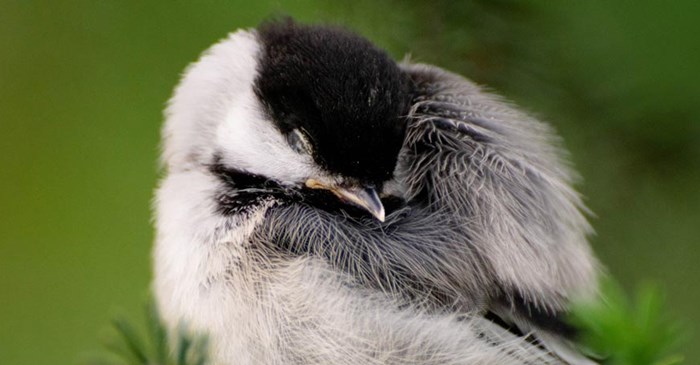
Small birds often fluff their feathers before sleep. This creates an insulating air layer. They may also tuck their bill into their back feathers to reduce heat loss.
Tree cavities and nest boxes
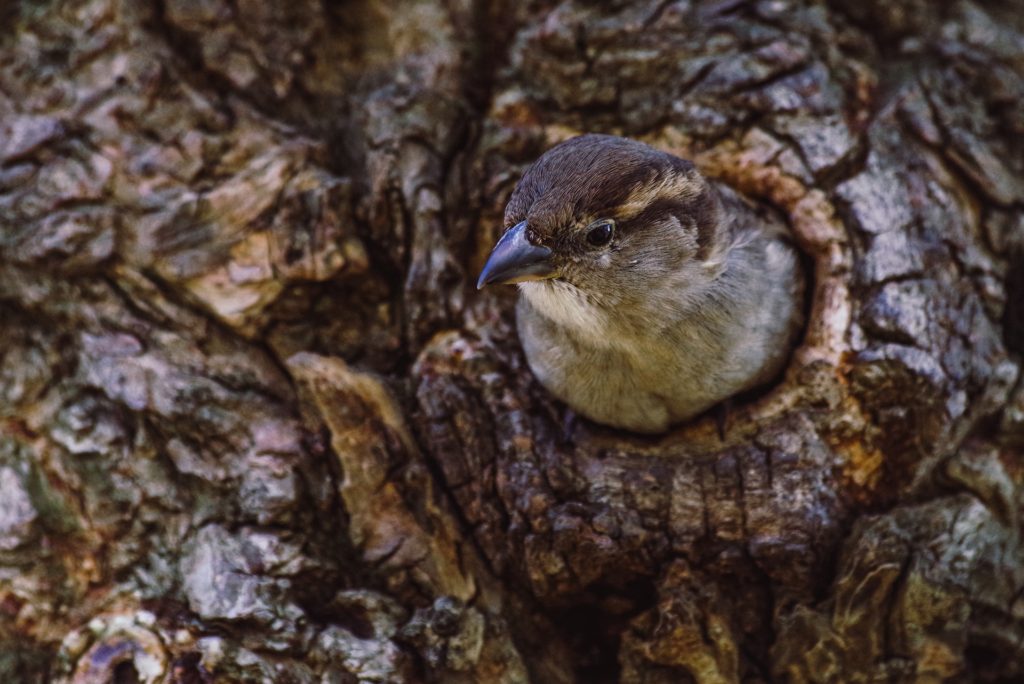
Woodpeckers, chickadees, bluebirds, nuthatches, and some owls may sleep in cavities. A cavity can protect a bird from cold air, rain, and predators.
A bird may sleep in a cavity even when it is not nesting. Nesting and roosting are different behaviors. A nest is built mainly for eggs and young. A roost is a place used for rest.
In the United States, a properly placed nest box can provide a useful roost site. The box should match the target species and have safe ventilation, drainage, and an entrance hole of the right size. Do not seal an active nest or block a cavity that birds are using.
Water and wetlands
Ducks, geese, gulls, and other waterbirds may sleep on water or near its edge. Water can make it harder for land predators to reach them.
Some waterbirds sleep while floating. Others rest on mudflats, sandbars, marsh vegetation, or ice-free shorelines. Many keep part of the group alert while others rest.
Floating birds still face danger from cold, waves, storms, and predators. They may change locations during the night if conditions become unsafe.
Communal roosts
Some species gather in large groups to sleep. A communal roost can provide warmth and many eyes to detect danger.
American crows, blackbirds, starlings, swallows, and some shorebirds may form large roosts. A group roost is not always quiet. Birds may call, shift positions, and compete for the best spots before settling.
A large roost can also attract predators. Group sleeping is useful, but it does not remove risk.
How Do Birds Stay Safe While Sleeping?
Birds stay safe during sleep by choosing hidden sites, sleeping in groups, and keeping some ability to detect danger. Their sleep behavior is shaped by the predators and weather in their habitat.
Perching birds can grip branches
Many perching birds have feet that help them hold a branch while they rest. When a bird bends its leg, tendons in the foot can tighten around the branch.
This grip is mostly automatic. The bird does not need to use much muscle force to stay attached. That is why a small bird can sleep on a narrow branch without falling.
This system does not work for every bird. Birds that do not perch, such as many ducks and ground birds, use other resting positions.
Birds may tuck their heads into their feathers
A sleeping bird may turn its head backward and place its bill into its shoulder or back feathers. This position helps reduce heat loss from the bill and face.
A bird may also stand on one leg and pull the other leg into its feathers. Alternating legs can reduce heat loss through the feet.
Not every bird uses the same posture. Body shape, temperature, injury, and the type of roost can change how a bird sleeps.
Birds use group vigilance
A flock may sleep together because many birds can share watch duty. Some birds remain more alert while others sleep. Birds on the outer edge may face greater danger than birds in the center.
This behavior has a trade-off. A group offers more warning and warmth, but it can also make the birds easier for humans and predators to find.
Some birds choose hidden sleep sites
A bird may fly away from its feeding area before nightfall. It may take a route that leads to a thick shrub, a cavity, or a wetland roost.
This helps prevent predators from learning the exact location of the bird’s day-to-day food source. It also reduces disturbance around feeding areas.

Do Birds Sleep During Migration?
Some migrating birds sleep less than usual, and a few can sleep during flight. Migration places heavy demands on birds, so they must balance rest, feeding, navigation, and safety.
The best-known example is the great frigatebird. Research published in Nature Communications found that frigatebirds can sleep for short periods during long flights. They used both brief naps while flying and longer sleep periods when resting on land.
This finding does not mean that all birds sleep while flying. It applies to a species adapted to long travel over open water. Most migrating birds still rest at stopover sites, on branches, along shorelines, or in wetlands.
Why migration changes sleep
Migrating birds may sleep less because they need to:
- Travel long distances
- Reach food-rich stopover sites
- Avoid bad weather
- Cross areas with few safe resting places
- Compete for limited food
- Maintain contact with a flock
Some birds may recover sleep after reaching a safe stopover site. Others may change their sleep timing during migration.
Artificial light can also affect nighttime movement and rest. Bright lights in cities may attract or disorient migrating birds. The U.S. Fish & Wildlife Service recommends reducing unnecessary outdoor light during migration periods to lower risks for birds.

How Do Birds Sleep in Winter?
Birds sleep more carefully in winter because cold weather increases the amount of energy needed to stay warm. A safe, dry, wind-protected roost can make a major difference.
A bird may conserve heat by:
- Fluffing its feathers
- Tucking its bill into its feathers
- Standing on one foot
- Roosting in a cavity
- Sleeping in a dense group
- Choosing a sheltered spot below thick foliage
Small birds face a special challenge because they lose heat quickly. Some species enter a controlled state called torpor. Torpor lowers body temperature and reduces energy use for a limited period.
Torpor is not the same as ordinary sleep. It is a deeper reduction in body activity. Hummingbirds are well known for using torpor, especially during cold nights or when energy is limited.
The bird must still warm itself again before normal activity. This process takes energy, so torpor is useful but not risk-free.
Do birds freeze while sleeping?
A healthy bird does not normally freeze during sleep. Birds use feathers, roost choice, body posture, food reserves, and sometimes torpor to manage cold.
Extreme cold can still be deadly. Wet feathers, strong wind, lack of food, and poor shelter can increase the risk of hypothermia.
People should not bring a healthy wild bird indoors simply because it looks sleepy on a cold day. A cold bird may be resting normally. A bird that cannot stand, has a visible injury, is covered in oil, or remains exposed and unresponsive may need help from a licensed wildlife rehabilitator.

Do Baby Birds Sleep Differently?
Baby birds sleep more than adult birds because growth requires energy. Nestlings may spend much of the day resting between feedings.
Nestlings usually sleep inside the nest. Their parents may cover them, brood them, or shelter them with their bodies, depending on the species and weather.
Fledglings may sleep in shrubs, low branches, or other places near their parents. A young bird sitting quietly on the ground is not always abandoned. Many fledglings leave the nest before they can fly well, and their parents may continue feeding them nearby.
What should you do if you find a sleeping baby bird?
Leave a healthy-looking fledgling alone unless it is in immediate danger. Keep dogs, cats, and people away from the area.
If a nestling has little or no feather cover and has fallen from a nest, place it back in the nest if you can do so safely. Parent birds usually do not reject young because a person touched them.
Contact a licensed wildlife rehabilitator if the bird is injured, cold, bleeding, weak, or attacked by a cat. Cat attacks need urgent professional care because even a small wound can lead to serious infection.
The U.S. Fish & Wildlife Service provides general guidance for people who find young birds in the United States.

How Can You Help Wild Birds Sleep Safely?
You can help wild birds sleep by protecting habitat and reducing common nighttime threats. The best help is usually simple and does not involve handling the bird.
Reduce outdoor light
Turn off lights that are not needed. Use shades or blinds to reduce light shining through windows. Motion sensors can limit the time that outdoor lights remain on.
This is especially useful during spring and fall migration. Bright lights can draw birds toward buildings and increase collisions.
Keep cats indoors
Outdoor cats can reach birds at roosts, feeders, and nest sites. Keeping cats indoors protects birds at night and during the day.
If a cat has caught a bird, do not release it without advice from a wildlife rehabilitator. The bird may have puncture wounds that are hard to see.
Protect natural cover
Dense shrubs, native trees, dead limbs, and tree cavities can provide important roost sites. Avoid removing these features during the breeding season or winter unless they pose a clear safety risk.
Do not trim a hedge or remove a cavity simply because birds gather there. Check first for active nests, protected wildlife, and local rules.
Use birdhouses correctly
A birdhouse can offer shelter, but it should be suited to the species in your area. Clean old nesting material only when local wildlife guidance supports it, and never disturb an active nest.
Place the box away from heavy foot traffic and protect it from overheating. Proper mounting can also reduce access by raccoons, snakes, and cats.
Keep feeders clean
A feeder does not directly provide a sleeping place, but it can support birds that need energy before a cold night. Dirty feeders can spread disease.
Clean feeders and water sources on a regular schedule. Move or pause a feeder if sick birds are gathering around it. The Cornell Lab of Ornithology offers practical feeder-cleaning guidance.
Common Misconceptions About Bird Sleep
Several popular claims about bird sleep are only partly true.
“All birds sleep at night”
Most familiar backyard birds do sleep at night, but some birds are active after dark. Owls, nightjars, and some shorebirds may feed or travel at night.
Nocturnal birds often rest during the day. Their sleep schedule follows their feeding time and predator risks.
“Birds always sleep with their heads under a wing”
This is a common posture, but it is not universal. Some birds tuck their bills into their back feathers. Others keep the head upright, especially when they need to remain alert.
The sleeping position depends on the species, temperature, roost, and level of danger.
“A bird that sits still is asleep”
A quiet bird may be sleeping, resting, watching for danger, digesting food, or recovering from stress. Stillness alone does not prove sleep.
Look for relaxed feathers, a tucked head, closed eyes, and a stable roost. Even these signs are not enough to diagnose illness.
“Birds fall off branches when they sleep”
Most perching birds can hold a branch while resting. Their foot structure helps them grip without constant effort.
A bird may fall if it is injured, weakened, tangled, or affected by toxins. A bird on the ground that cannot perch needs careful assessment.

Frequently Asked Questions
What time do wild birds go to sleep?
Many daytime birds settle into their roost shortly before or after sunset. They often wake around dawn. The exact timing changes with season, weather, latitude, and species.
Do birds sleep while standing?
Yes. Many birds sleep while standing, especially perching birds and some waterbirds. A bird may stand on one leg to reduce heat loss.
Do birds sleep in their nests?
Adult birds may sleep in a nest during the nesting season, but nests are mainly for eggs and young. Outside the nesting period, many birds use separate roosts.
Can birds sleep in a birdhouse?
Yes. Some birds use birdhouses or nest boxes for nighttime shelter, especially in cold weather. A box may be used for roosting even when no eggs or chicks are present.
Do birds sleep when it rains?
Birds can sleep during rain if they have a sheltered roost. They may move into thick foliage, a cavity, a building, or another protected site. Heavy rain and strong wind can force them to change roosts or stay alert.
Key Takeaways
- Wild birds sleep by resting in safe places that fit their species and habitat.
- Most daytime birds sleep at night, while owls and other night-active birds rest during the day.
- Common roosts include branches, shrubs, cavities, nest boxes, wetlands, cliffs, and open water.
- Some birds can sleep with one eye open by resting one brain hemisphere at a time.
- Feathers, tucked bills, one-legged postures, group roosts, and torpor help birds conserve heat.
- Some migrating birds sleep during brief periods in flight, but most migrating birds rest at stopover sites.
- A quiet bird is not always asleep; injury, illness, or weakness can also cause stillness.
- The safest ways to help are reducing nighttime light, keeping cats indoors, preserving cover, and maintaining clean feeders.
Conclusion
Wild birds sleep in ways that match their bodies, habitat, and daily risks. A sparrow may settle into a dense shrub, a woodpecker may use a tree cavity, a duck may rest on open water, and a hummingbird may enter torpor during a cold night.
If you see a bird sleeping, give it space. Protecting natural cover, limiting bright light, and keeping pets away from roosts can help birds rest safely across the United States.