How Do Birds Survive Cold Weather: Survival Tips
Introduction
Birds in the United States survive cold weather through a mix of insulating feathers, body heat, stored fat, smart behavior, and safe shelter. Many birds also change their diet, roost in groups, or move to warmer regions before winter arrives.
Small birds can lose heat fast, so winter is hard on them. Yet healthy wild birds have strong ways to cope. Their feathers work like a warm coat, while their bodies adjust blood flow and energy use to protect vital organs.
This guide explains how birds stay warm, what they eat in winter, where they shelter, and how people in the U.S. can help without causing harm.

How Birds Keep Their Bodies Warm
Birds use several layers of defense against cold. Their main tools are feathers, body fat, muscle activity, and changes in blood flow.
Feathers trap warm air
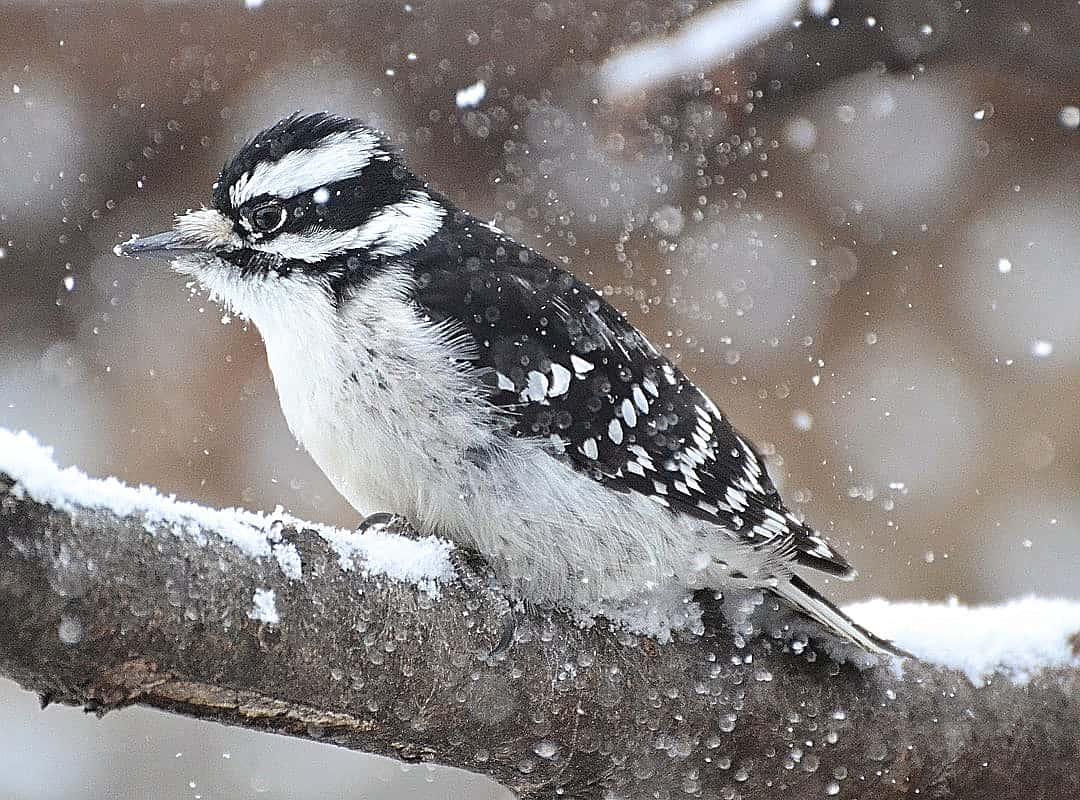
A bird’s feathers are its first line of defense. In cold weather, a bird fluffs its feathers. This creates a layer of still air next to the skin.
Still air does not move heat away as quickly as cold wind does. The fluffy layer acts much like insulation in a jacket or home wall.
Birds also have soft down feathers near the skin. Down feathers trap air well because they have many fine branches. Outer feathers help block wind and moisture.
A bird must keep its feathers in good shape for this system to work. Preening spreads oil from a gland near the tail. This oil helps some feathers resist water and stay flexible.
Birds use body fat as fuel
Birds need more energy in cold weather. They burn food to make body heat, much like a small furnace.
Many birds build fat stores before a cold night. Fat provides more energy per gram than protein or carbohydrates. A bird may eat heavily in the afternoon so it has fuel through the night.
This creates a trade-off. Extra fat helps a bird stay warm, but too much weight can make flight harder. Birds must balance energy for heat with energy for movement and escape.
Shivering makes heat
Birds can shiver. Small, rapid muscle movements create heat without producing useful movement.
Shivering uses a great deal of energy. A bird must eat enough food to replace that energy. If it cannot find food, long cold periods can lead to weakness or death.
Birds may also increase their metabolic rate. This means their bodies burn energy faster to maintain a stable internal temperature.
Blood flow protects the core
Birds can reduce blood flow to exposed areas such as their legs and feet. This helps keep warm blood near the heart and other vital organs.
Many birds also have a heat-exchange system in their legs. Warm blood moving down from the body passes close to cold blood moving up from the feet. Heat transfers between the vessels before the blood reaches the body or feet.
This system keeps a bird’s feet cooler than its core. That may sound harmful, but it reduces heat loss. It also helps prevent the feet from freezing during normal exposure.
Birds may enter torpor
Some birds lower their body temperature and activity for part of the night. This state is called torpor.
Torpor helps conserve energy. It is common in some hummingbirds, which have very high metabolisms. A hummingbird may enter deep torpor on a cold night and greatly reduce its energy use.
Torpor is not the same as death or true hibernation. The bird can return to normal activity when conditions improve.

Where Birds Shelter During Winter
A good shelter blocks wind, rain, and snow. It also helps birds save energy by reducing the amount of heat they lose.
Dense plants provide natural cover
Evergreen trees and shrubs offer some of the best winter shelter. Their leaves and branches break the wind and provide hidden roost sites.
Useful plants in much of the United States include:
- Native evergreen trees
- Dense shrubs
- Brush piles
- Thick vines
- Mature trees with cavities
- Tall native grasses
- Shrubs with winter fruit
Birds may roost in thick branches, hollow trees, nest boxes, or gaps under bark. The best site depends on the species.
Do not remove every dead tree from a yard. Standing dead trees, called snags, can provide cavities for woodpeckers, chickadees, owls, and other birds. Remove a snag only when it creates a clear safety risk.
Birds use cavities and roost boxes
A tree cavity can block wind and hold warmer air than an open branch. Some birds use old woodpecker holes. Others use natural cracks or nest boxes.
A winter roost box differs from a spring nest box in some ways. A roost box often has a small entrance, rough inner walls, and ventilation that limits moisture without creating a strong draft.
Do not place a box where cats, raccoons, or other predators can easily reach it. Follow guidance from a trusted source such as the Cornell Lab of Ornithology or a local wildlife agency.
Some birds huddle together
Small birds may roost close together in cold weather. This helps reduce the amount of exposed surface area and can conserve heat.
Birds do not always share a roost. Crowding can increase disease spread and competition. Species, weather, shelter size, and food supply all affect this behavior.
Birds change their posture
A bird may tuck its bill into its back feathers. This reduces heat loss from the face and bill.
It may also stand on one foot and pull the other foot into its warm body feathers. Birds often switch feet during long periods of rest.
A bird that sits low, fluffs its feathers, or faces away from the wind may be using normal heat-saving behavior. Those signs alone do not mean it needs rescue.

What Birds Eat in Cold Weather
Winter food helps birds replace the energy they spend staying warm. Natural food may include seeds, nuts, berries, insects, tree buds, and leftover fruit.
High-energy foods help most
In a backyard, foods rich in fat and calories can help birds during cold periods. Common choices include:
- Black oil sunflower seed
- Peanuts offered in a safe feeder
- Nyjer seed for finches
- Suet made for wild birds
- Safflower seed
- Millet for some ground-feeding birds
- Native berries and seed heads
Different birds prefer different foods. Sunflower seed may attract cardinals, chickadees, nuthatches, finches, and other species. Suet may attract woodpeckers, chickadees, nuthatches, and wrens.
Water still matters in winter
Birds need water in winter, even when snow is present. Snow takes energy to melt and may not provide enough fluid.
A shallow birdbath can help. Change the water often and clean the basin. If you use a heated birdbath, choose equipment made for outdoor use and follow its instructions.
Keep cords and electrical parts away from standing water. Do not add antifreeze, salt, or chemicals to a birdbath. These substances can poison birds and other wildlife.
Feeding birds has limits
Feeders can support birds during periods of snow or ice, but they do not replace habitat. A yard with native plants, shelter, clean water, and natural food gives birds more durable support.
Feeders can also spread disease when they are dirty or crowded. Clean seed feeders and birdbaths on a regular schedule. Remove wet, moldy, or spoiled food.
If sick birds appear, temporarily stop feeding and watering birds in the area. The U.S. Fish and Wildlife Service and state wildlife agencies may provide local guidance, especially during an active disease event.
How Migration Helps Birds Survive Winter
Migration helps many birds avoid the coldest conditions and the loss of winter food. Birds may travel hundreds or thousands of miles within North America.
Not all birds migrate
Some birds stay in the same region all year. These are called resident birds.
Other birds move short distances. A bird may leave northern forests for a nearby city, valley, or southern state. This is called short-distance migration or seasonal movement.
Long-distance migrants may travel to the southern United States, Mexico, the Caribbean, or Central and South America. Their route depends on species, weather, food, and breeding needs.
Migration has risks
Migration is not an easy escape from winter. Birds use large amounts of energy during flight and must find food along the route.
They also face storms, predators, habitat loss, window collisions, traffic, and artificial light. Some birds arrive at wintering grounds with limited energy reserves.
A mild winter in one place does not always mean good conditions along the entire migration path. Weather systems can affect survival at several points during the journey.
Weather can change movement
Birds may leave early before a severe cold front. Others may delay movement if food remains available.
Some species move in response to day length. Others respond to temperature, rainfall, food supply, or changes in hormones. No single trigger controls migration for every bird.

How Cold Weather Affects Different Birds
Bird size, body shape, feathers, food, and habitat all affect winter survival.
| Bird type | Main cold-weather challenge | Common survival strategy |
|---|---|---|
| Small songbirds | Lose heat quickly | Fluff feathers, eat often, use dense cover |
| Waterfowl | Cold water and wet feathers | Use waterproof feathers and heat exchange in legs |
| Raptors | Limited prey during storms | Use sheltered perches and conserve energy |
| Woodpeckers | Cold nights and food gaps | Find insects, sap, seeds, and tree cavities |
| Hummingbirds | Very high energy needs | Feed often and use torpor |
| Shorebirds | Wind, cold water, and food loss | Move to suitable coastal or inland wetlands |
| Resident ground birds | Snow-covered food | Scratch through snow and use sheltered habitat |
Water birds manage cold water
Ducks, geese, and other water birds have waterproof outer feathers. Their down feathers trap warm air beneath them.
Their legs and feet use heat exchange to limit heat loss. This allows them to stand or swim in cold water without cooling the body core as quickly.
Water birds still face danger when ice blocks food or when feathers become soaked and lose their insulating power.
Small birds face a high energy demand
A tiny bird has more surface area compared with its body mass than a large bird. It can lose heat quickly.
That is why small birds often feed early and late in the day. They need to rebuild energy before night and prepare for the next cold period.
A sudden ice storm can be more dangerous than a steady cold spell. Ice can cover seeds, berries, and insects while also coating branches and feathers.

How to Help Birds Survive Cold Weather in Your Yard
The safest help is simple: provide food, water, shelter, and clean habitat.
1. Offer suitable food
Use fresh seed and place feeders near natural cover. Birds need protection from predators, but feeders should not be so close to dense shrubs that cats can hide beside them.
Use several feeder types if you want to support different birds. Ground-feeding birds may prefer a low tray, while finches may use tube feeders.
Avoid feeding birds:
- Bread as a main food
- Salty foods
- Moldy food
- Chocolate
- Avocado
- Food with artificial sweeteners
- Raw meat or kitchen waste
- Large amounts of table scraps
2. Keep feeders clean
Remove old seed and wash feeders before refilling them. Let feeders dry fully.
Move feeders if droppings collect below them. A clean feeding area lowers the chance of spreading disease.
Do not maintain a feeder if you cannot clean it often. A dirty feeder may harm more birds than it helps.
3. Provide clean, unfrozen water
Use a shallow basin with a rough surface so birds can grip it. Place it where birds have a clear view of approaching predators.
Change the water often. Scrub the basin when algae, dirt, or droppings build up.
A heated birdbath can help in freezing areas. Use only a safe outdoor model and inspect the cord for damage.
4. Grow native plants
Native plants can provide seeds, berries, insects, and cover. Choose plants suited to your region and soil.
Leave some seed heads standing through winter. Delay cutting back dead stems until spring when possible. These stems may shelter insects and provide food for birds.
Avoid pesticide use when it is not needed. Many birds depend on insects, especially when feeding young.
5. Reduce window collisions
Birds may fly into windows near feeders. Place feeders either within 3 feet of a window or more than 30 feet away. This reduces the force of a collision or gives birds more space to react.
Window patterns, exterior screens, and other visible markers can also reduce strikes. One small decal is usually not enough for a large window.
6. Keep pets under control
Free-roaming cats kill birds and can injure them even when no wound is easy to see. Keep cats indoors or use a secure outdoor enclosure.
Keep dogs away from feeding and roosting areas. Disturbance makes birds spend energy that they need for warmth.

How to Tell if a Bird Is in Trouble
Cold behavior and injury can look similar. Watch the bird before deciding to intervene.
Signs that may be normal
These behaviors often help a healthy bird conserve heat:
- Fluffed feathers
- Standing on one foot
- Sitting quietly in a sheltered place
- Tucking the bill into the back feathers
- Feeding more often
- Remaining still during a storm
A bird may look round and sleepy while it is simply conserving energy.
Signs of possible illness or injury
Contact a licensed wildlife rehabilitator if you see:
- A bird that cannot stand or fly
- A drooping wing
- Bleeding
- A closed or swollen eye
- Labored breathing
- A bird caught by a cat
- A bird lying on its side
- Repeated falling
- A bird that allows close approach
- A bird trapped indoors or behind a structure
A bird that is easy to approach may be weak or sick. However, young birds can also sit on the ground while learning to fly.
What to do after a window strike
If a bird hits a window, place it in a small box with air holes. Line the box with a soft towel or paper towel. Keep the box closed in a dark, quiet, room-temperature place.
Do not give the bird food or water. Do not keep checking on it.
If it does not recover within about an hour, or if it has a visible injury, contact a wildlife rehabilitator. A cat-caught bird needs professional care even when the skin looks unbroken.
Never try to treat a wild bird with human medicine.

Common Myths About Birds in Winter
“Birds’ feet should freeze on ice.”
Birds have special blood vessels that limit heat loss in their feet. Their feet may become very cold, but the body keeps the core warmer.
This system has limits. Prolonged exposure, injury, wet feathers, and extreme weather can still cause frostbite or death.
“Birds cannot find food under snow.”
Many birds can scratch through light snow or find food in trees, bark, berries, and seed heads. Deep snow and ice can still block food and make survival harder.
This is why habitat with several food sources is more useful than a single feeder.
“Birds should be brought indoors during cold weather.”
Healthy wild birds should remain outdoors. Bringing them inside causes stress and can expose people and pets to disease.
Only intervene when a bird is injured, trapped, or clearly ill. Use a licensed wildlife rehabilitator for guidance.
“Birds always migrate south when winter begins.”
Many birds remain in the United States all year. Others migrate only a short distance. Migration depends on the species and its habitat, not just the temperature.
“A birdhouse will keep every bird warm.”
Most spring nest boxes are not ideal winter shelters. Birds may use a box only if its design, location, size, and entrance fit their needs.
A dense shrub or tree cavity may provide better cover than an exposed box.

Frequently Asked Questions
How cold is too cold for birds?
There is no single temperature that is too cold for every bird. Species, wind, moisture, age, health, food, and shelter all matter.
A healthy bird may survive very low temperatures if it has enough energy and protection. Wet, windy conditions often create greater danger than dry cold.
Do birds feel cold at night?
Yes. Birds lose heat at night, when they cannot spend as much time feeding. Many roost in sheltered places, fluff their feathers, and use stored fat to stay warm.
Some species also enter torpor to reduce energy use.
Do birds eat more in winter?
Many birds do eat more in cold weather because they burn more energy to maintain body heat. They may seek foods with more fat, such as seeds, nuts, and suet.
Food needs vary by species and weather.
Should I leave a bird feeder out during a snowstorm?
A clean feeder with fresh food can help birds during snow or ice. Place it near safe cover, but not where cats can hide.
Stop using the feeder if sick birds appear or if you cannot keep the feeding area clean. Check local wildlife guidance during disease outbreaks.
Can birds survive without a bird feeder?
Yes. Feeders are helpful but not required. Birds can survive on natural food when healthy habitat provides seeds, berries, insects, buds, and shelter.
Native plants and clean water often support more lasting benefits than supplemental feeding alone.
Key Takeaways
- Birds survive cold weather with feathers, body fat, shivering, controlled blood flow, and energy-saving behavior.
- Fluffed feathers trap warm air and reduce heat loss.
- Birds need more energy in winter, especially during wind, ice, and long cold nights.
- Dense plants, tree cavities, and safe roosts protect birds from wind and moisture.
- Clean food and unfrozen water can help backyard birds in the United States.
- Do not rescue a bird simply because it looks fluffed or quiet.
- Contact a licensed wildlife rehabilitator for injured, sick, or cat-caught birds.
Conclusion
Birds survive cold weather by making many small adjustments that work together. Their feathers hold warm air, their bodies control heat loss, and their behavior helps them find food and shelter.
The best way to help birds is to provide a clean, varied habitat. Native plants, safe cover, fresh water, responsible feeding, and fewer hazards can make a yard more useful during winter.
For an injured or sick bird, skip home treatment. Place safety first and contact a licensed wildlife rehabilitator or your state wildlife agency.