How Do Birds Stay Warm In Snow: Winter Secrets
Birds in the United States stay warm in snow through a mix of insulating feathers, stored body fat, controlled blood flow, shelter, and behavior. Their feathers trap warm air close to the skin, while muscles, metabolism, and body shape help reduce heat loss. Birds may also fluff their feathers, shiver, roost together, or enter a state of torpor during very cold nights.
Snow does not always harm birds. Dry snow can even provide shelter. The greater risks are often wind, wet feathers, frozen water, scarce food, and long periods of cold. A healthy bird uses several defenses at once, but each species has limits.

How Feathers Keep Birds Warm
Feathers act like a built-in winter coat. The most important insulation comes from soft down feathers and the fluffy bases of other feathers. These layers trap small pockets of air, and trapped air slows the movement of heat away from the bird’s body.
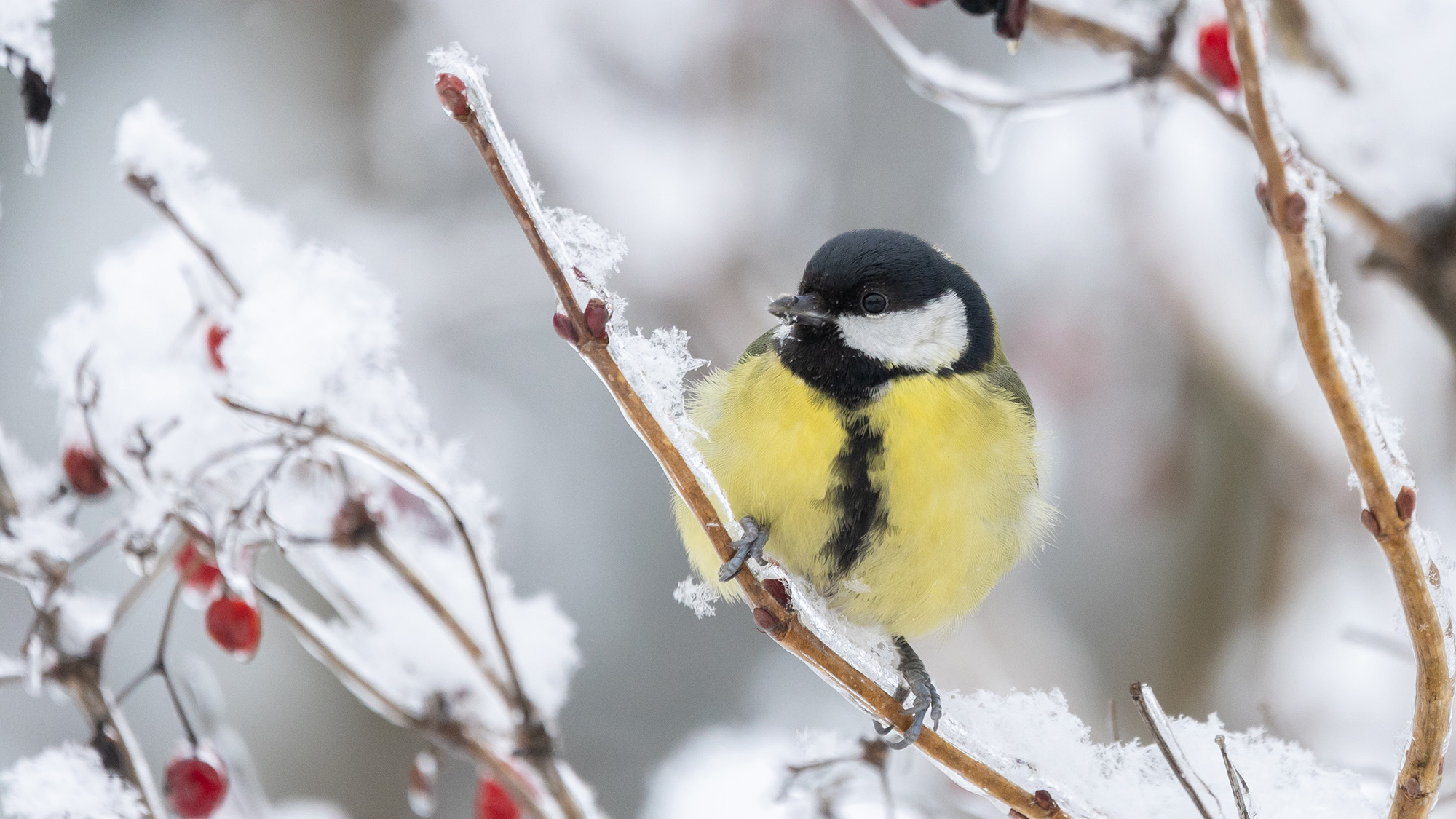
When a bird feels cold, small muscles lift its feathers. This process is called ptiloerection. Fluffed feathers create a thicker layer of still air around the body. That is why a bird often looks rounder on a cold day.
Birds also use their outer feathers as a shield. These feathers overlap like roof shingles and help keep snow, rain, and wind away from the skin. Many birds spread oil from a gland near the base of the tail over their feathers. This oil helps feathers resist water, although it does not make every bird fully waterproof.
Why wet feathers are dangerous
Dry feathers insulate well. Wet, matted feathers do not.
Water fills the air spaces that normally provide insulation. Wet feathers also cling to the body, which reduces the bird’s ability to trap warm air. If cold wind reaches wet plumage, the bird can lose heat very fast.
Birds that spend much of their time in water, such as ducks and geese, have special adaptations. Their outer feathers shed water, and dense down protects the body beneath. They still need to preen often to keep this system working.
Do birds get snow stuck on their feathers?
Light, dry snow may rest on a bird’s outer feathers without causing much harm. The snow can even add another layer that slows heat loss. Wet snow is more troublesome because it can soak the plumage.
Birds often shake, preen, or move under cover to remove moisture. They may also avoid sitting in deep, wet snow for long periods.
How Birds Control Body Heat
Birds are warm-blooded animals, which means they produce and control their own body heat. Their normal body temperature is higher than that of humans, so winter survival requires a steady supply of energy.
A bird creates heat in several ways:
- Muscle activity: Shivering produces heat through rapid muscle movement.
- Metabolism: Digestion and normal body functions release heat.
- Fat use: Stored fat provides energy during cold weather.
- Movement: Flying and searching for food create additional heat.
- Sun exposure: Birds may sit in sunlight to gain warmth.
Shivering helps, but it uses energy. A bird must replace that energy by eating. This is why winter birds often spend much of the day looking for food.
How birds reduce heat loss
birds do not keep every part of the body equally warm. They protect the core organs, such as the heart, lungs, and brain, while allowing the temperature of some exposed areas to drop.
Blood vessels in the legs and feet help limit heat loss through a process called countercurrent heat exchange. Warm blood moving down from the body passes close to colder blood returning from the feet. Heat moves from the warm blood to the cold blood before it reaches the body core.
This system lets a bird keep its feet cooler than its chest. The bird loses less heat while standing on snow or ice.
Bird feet also have few muscles and little soft tissue. This design reduces the amount of warm blood needed in the feet. Some birds can also reduce blood flow to their feet when conditions become severe.

How Birds Survive Cold Winter Nights
Night is often the hardest period for a small bird. It cannot feed during darkness, and temperatures may fall quickly. Birds respond by choosing safe roosts, conserving energy, and lowering their activity.
Common roosting places include:
- Dense evergreen branches
- Tree cavities
- Abandoned woodpecker holes
- Thick shrubs
- Barns, sheds, and other sheltered structures
- Rock cracks and protected ledges
- Snow tunnels or spaces beneath deep snow
A good roost blocks wind and holds still air. A cavity can be much warmer than an exposed branch because it limits wind chill. Dense plants also reduce the amount of air moving over the bird’s feathers.
Some small birds tuck their heads into their shoulder feathers. This reduces heat loss from the bill and face. They may stand on one foot and pull the other foot close to the body, then switch legs.
Do birds sleep in snow?
Some birds may shelter in loose snow during severe weather. Grouse are a well-known example. They can dive into soft snow, where the snow acts as insulation and blocks wind.
This behavior is not available to every bird. Ice crust, wet snow, and deep hard-packed snow can trap or injure a bird. Birds choose shelter based on their body size, habitat, and ability to move through snow.
Do birds huddle together?
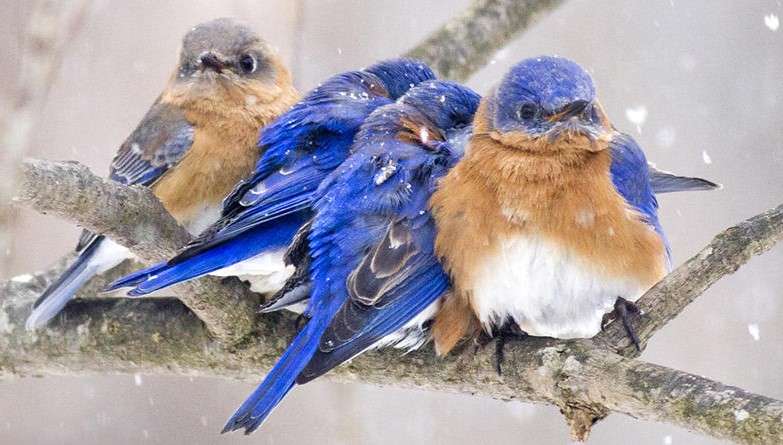
Some birds roost close together to share warmth. This behavior is more common in certain small birds and social species. A group can reduce the amount of exposed surface area per bird.
Huddling has limits. Crowded roosts can spread disease and increase conflict. Birds still need enough space to breathe and move. Species that roost together usually choose sites that provide both shelter and room.

How Birds Use Food to Stay Warm
Food is fuel for winter heat. Birds need energy to maintain body temperature, especially during long, cold nights.
Many birds eat more high-energy foods in fall and winter. Seeds, nuts, berries, insects, and suet can provide useful calories. Birds may also store food for later use. Jays, nuthatches, chickadees, and some woodpeckers hide food in bark, soil, leaf litter, or other sites.
A bird’s winter strategy often includes eating heavily before sunset. This allows it to enter the night with enough stored energy to maintain its body heat.
Why fat matters
Fat contains more energy per gram than protein or carbohydrates. A bird can store fat beneath the skin and around internal organs. These reserves help support metabolism during cold weather and periods when food is difficult to find.
Small birds have less room for stored energy, so they face a greater risk during a long cold spell. A cold night followed by heavy snow can be especially difficult because it limits access to food the next morning.
Should people feed birds in winter?
In the United States, feeding wild birds can help people observe birds and may provide food when natural sources are covered by snow. However, feeders do not replace habitat or guarantee survival.
If you feed birds:
- Use clean feeders and clean the area beneath them.
- Provide food that matches local birds, such as black-oil sunflower seed for many common seed-eating species.
- Keep seed dry and remove spoiled or moldy food.
- Place feeders where birds can reach cover quickly but where cats cannot hide nearby.
- Clean feeders often, especially during wet weather or when sick birds appear.
- Check local wildlife guidance if bears are active, since feeders can attract them.
A feeder can also bring many birds into one small area. That may increase the spread of some diseases. Stop feeding temporarily and clean the area if you notice birds with crusted eyes, swollen areas, weakness, or unusual behavior.

How Different Birds Handle Snow and Cold
Birds do not all use the same winter strategy. Size, habitat, diet, migration, and body shape change the answer.
| Bird group | Main cold-weather adaptations |
|---|---|
| Chickadees and titmice | Fluffed feathers, high food intake, sheltered roosts, and short periods of overnight energy conservation |
| Woodpeckers | Tree cavities, bark insects, stored food, and strong body feathers |
| Grouse | Dense plumage and the ability to burrow into soft snow |
| Ducks and geese | Dense down, water-resistant outer feathers, and heat exchange in the legs |
| Owls and hawks | Thick feathers, sheltered perches, and energy from animal prey |
| Sparrows and finches | Flocking, seed-based diets, dense feathers, and protected roosts |
| Hummingbirds | High metabolism during the day and torpor during cold nights |
| Water birds | Body insulation, waterproofing, and behavioral choices that reduce time in cold water |
Hummingbirds and torpor
Hummingbirds use enormous amounts of energy during active flight. In cold weather, some species enter torpor, a temporary state in which body temperature, heart rate, breathing, and metabolism drop.
Torpor helps a hummingbird save energy overnight. It is not the same as illness or death. A torpid hummingbird may look still and cold until it warms and becomes active again.
Hummingbirds still need food before nightfall. In areas where hummingbirds remain during winter, people should protect feeders from freezing and keep them clean. Do not try to warm or handle a motionless hummingbird unless it is clearly injured or in immediate danger.
Why some birds migrate
Migration is another way birds avoid dangerous winter conditions. Birds may leave areas where snow covers food or where daylight is too short to support their needs.
Migration does not mean a species cannot tolerate cold. Some birds migrate because food becomes scarce, while others remain year-round because they have suitable feathers, food, and shelter.

Why Birds Do Not Freeze to Branches
A bird can stand on a cold branch without losing all of its body heat because its feet are adapted for this task. The leg and foot contain a network of blood vessels that transfers heat between outgoing and returning blood.
Birds also have tendons that help them grip branches without using much muscle effort. In many perching birds, the foot closes around a branch when the bird bends its leg. This allows the bird to remain perched while resting.
A bird’s feet may still become very cold. Cold does not always mean tissue damage because reduced blood flow limits heat loss. In extreme conditions, however, frostbite can occur, especially when the feet are wet, exposed, or pressed against ice for long periods.
Birds may lift one foot into their feathers to warm it. Waterfowl can also stand on one leg, reducing the surface area exposed to cold air.

What Humans Can Do to Help Birds in Snow
The best help is to protect the habitat birds already use. Native trees, shrubs, vines, leaf litter, and brush provide food and shelter during winter.
Useful steps include:
- Leave some native plants standing through winter.
- Keep leaf litter in safe areas for insects and ground-feeding birds.
- Preserve dead trees when they do not pose a hazard, since cavities can provide roosts.
- Add dense native shrubs that block wind.
- Keep cats indoors or use secure outdoor enclosures.
- Provide clean water when natural water sources are frozen.
- Use a heated birdbath only with safe equipment designed for outdoor use.
- Place food and water away from roads, windows, and ambush points.
- Avoid disturbing birds in winter roosts.
Safe winter water
Birds need water even when snow is present. Snow is not always a good substitute because melting it takes energy, and dirty or salty snow can be harmful.
A shallow basin with clean water can help. Change the water often and scrub the container. If you use a heater, follow the product directions and use a ground-fault circuit interrupter, or GFCI, where appropriate. Keep electrical cords and connections protected from weather and animals.
Never add antifreeze, salt, sugar, or chemicals to a birdbath. These substances can poison birds or damage their feet and feathers.

Signs a Cold Bird May Need Help
A bird sitting quietly in cold weather is not automatically in trouble. Healthy birds may rest, fluff their feathers, or remain still while conserving energy.
Possible signs of injury or serious illness include:
- A wing that hangs lower than the other
- Inability to stand or perch
- Repeated falling
- Visible bleeding
- Trouble breathing
- A bird that allows close approach
- A bird trapped indoors or caught in netting
- A bird exposed to oil, chemicals, or a cat
Do not bring a healthy wild bird indoors just because it looks fluffed up. Capture can cause severe stress, and many birds are protected by federal or state wildlife laws.
If a bird is injured, place it in a ventilated cardboard box lined with a clean towel. Keep the box dark, quiet, and warm—not hot. Do not give food or water unless a licensed wildlife rehabilitator tells you to do so. Contact a licensed wildlife rehabilitator, state wildlife agency, or veterinarian with wildlife experience as soon as possible.
Common Myths About Birds in Snow
Myth: Birds’ feet must freeze to the branch
Bird feet can become very cold, but specialized blood flow and foot anatomy reduce heat loss. A bird does not normally freeze to a branch.
Myth: Birds stay warm because they have feathers everywhere
Feathers provide strong insulation, but a bird can still die from exposure. Wet plumage, starvation, wind, disease, and injury can overwhelm its defenses.
Myth: Snow always makes winter worse
Snow can cover food and water, but soft snow may also shelter some birds from wind. The effect depends on snow depth, moisture, crust, temperature, and the species.
Myth: All birds should be rescued when they sit still
Stillness may be normal roosting behavior or torpor. Rescue is appropriate when there are clear signs of injury, illness, or immediate danger.

Key Takeaways
- Birds stay warm with insulated feathers, body fat, metabolism, and smart behavior.
- Fluffing feathers traps warm air near the skin.
- Blood-flow control helps birds limit heat loss through their legs and feet.
- Roosting in cavities, shrubs, or soft snow can reduce wind exposure.
- High-energy food helps birds survive long, cold nights.
- Some hummingbirds and other small birds use torpor to conserve energy.
- Dry snow may provide shelter, while wet feathers and strong wind create greater danger.
- People can help most by protecting habitat, offering clean water, and keeping feeders sanitary.
Frequently Asked Questions
How cold is too cold for birds?
There is no single temperature limit for all birds. A species that survives a dry, calm night below freezing may struggle during a warmer but wet and windy storm. Body size, food access, shelter, age, health, and acclimation all matter.
Do birds feel cold in winter?
Yes. Birds detect cold and respond by fluffing their feathers, shivering, eating more, changing roosts, and reducing heat loss. Their adaptations help them manage cold, but they do not make birds immune to exposure.
Do birds eat snow for water?
Some birds may eat snow, but snow is not always an efficient water source. Melting snow uses body energy, and contaminated snow may contain salt, chemicals, or waste. Open, clean water can be helpful when safely provided.
Why do birds puff up in winter?
Puffing up lifts the feathers and creates a thicker layer of trapped air. This improves insulation. A bird that remains puffed up for a long time during daylight, especially while sitting on the ground, may also be sick or weak.
Should I remove snow from a bird feeder?
Remove heavy, wet snow if it blocks the feeding area or could damage the feeder. Keep food dry and discard seed that becomes moldy. Do not use salt or chemical deicers near food or water.
Conclusion
Birds stay warm in snow by combining insulation, energy use, blood-flow control, and careful behavior. Feathers trap heat, fat supplies fuel, feet limit heat loss, and protected roosts reduce wind exposure. Some birds also huddle, burrow into snow, or enter torpor.
The most useful way to help birds in the United States is to protect winter habitat and reduce added risks. Keep native plants, offer clean water when needed, maintain sanitary feeders, and contact a licensed wildlife rehabilitator when a bird shows clear signs of injury or illness.
Sources and further reading
- Cornell Lab of Ornithology, Bird Academy: How Birds Survive Winter
- National Audubon Society: How Birds Survive Winter
- U.S. Fish & Wildlife Service: Birds and Wildlife Rehabilitation
- Cornell Lab of Ornithology, All About Birds: Winter Bird Feeding