How Do Birds Stay In The Air: Flight Explained
Birds in the United States, from bald eagles over Alaska to chimney swifts over city parks, stay in the air by using lift, thrust, and careful control of their wings. Their wings push air downward and backward. In return, the air pushes the bird upward and forward.
A bird must balance four forces:
- Lift pulls the bird upward.
- Weight pulls the bird down.
- Thrust moves the bird forward.
- Drag slows the bird down.
Flapping, gliding, soaring, and changing wing shape help birds control these forces. A bird stays airborne when lift supports its weight and thrust offsets drag.

The Short Answer: Birds Fly by Creating Lift
Birds stay in the air when their wings create enough lift to balance their weight. Lift is an upward force made by moving air around a wing.
A bird’s wing has a curved upper surface and a flatter lower surface. As the bird moves forward, air flows around the wing. The wing also tilts slightly. This angle is called the angle of attack.
The wing pushes air downward. Newton’s third law explains the result: when the wing pushes air down, the air pushes the wing up. This upward reaction is lift.
The curved shape of the wing also changes air pressure around it. Air often moves faster over the top of the wing than below it. This pressure difference adds to the upward force. Modern flight science treats pressure changes and the downward movement of air as parts of the same process, not as separate explanations.
A bird remains in steady flight when:
Lift is roughly equal to weight, and thrust is roughly equal to drag.
If lift becomes greater than weight, the bird climbs. If lift becomes less than weight, the bird descends. If thrust falls below drag, the bird slows down.
What the Four Forces Do
Bird flight becomes easier to understand when each force has a clear role.
| Force | Direction | What it does |
|---|---|---|
| Lift | Upward | Supports the bird against gravity |
| Weight | Downward | Pulls the bird toward Earth |
| Thrust | Usually forward | Moves the bird through the air |
| Drag | Usually backward | Resists forward movement |
These forces change during each wingbeat. A bird does not produce exactly the same lift or thrust at every moment. Instead, it adjusts its wings, tail, body, and speed many times each second.
Lift
Lift keeps a bird from falling. A bird can create more lift by:
- Increasing its airspeed
- Spreading its wings
- Changing the angle of attack
- Moving its wings faster
- Using rising air
- Extending its feathers to increase wing area
Large birds often spread broad wings to make lift at lower speeds. Small birds can flap rapidly and use quick changes in wing shape.
Thrust
Thrust moves the bird forward and helps it overcome drag. During a downstroke, many birds angle their wings so that part of the force points forward.
Some birds produce thrust on both the downstroke and the upstroke. Hummingbirds are a well-known example. Their wings move in a nearly horizontal figure-eight pattern, which lets them hover and fly backward.
drag
drag is air resistance. It increases when a bird flies faster, spreads its wings widely, or presents a large surface to the wind.
Birds reduce drag by:
- Folding or narrowing their wings
- Pointing their bodies in the direction of travel
- Tucking their legs and feet
- Smoothing their feathers
- Changing their flight speed
Drag is not always harmful. Birds can use it to slow down, land, turn, or control a dive.
Weight
Weight comes from gravity acting on the bird’s body. A bird must create enough lift to support its body, feathers, bones, muscles, and organs.
Bird bones are often light and strong because many contain air spaces. However, hollow bones do not make birds weightless. Birds still need powerful muscles and efficient wings to fly.
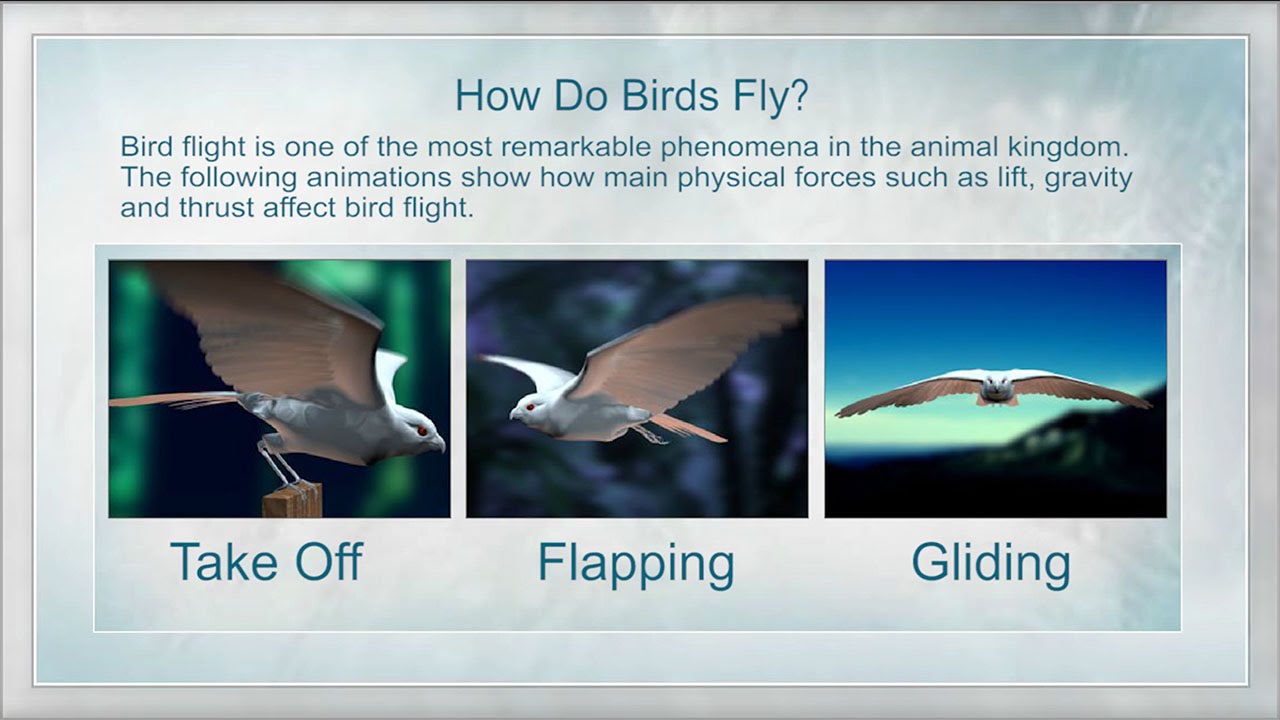
How Flapping Wings Create Lift and Thrust
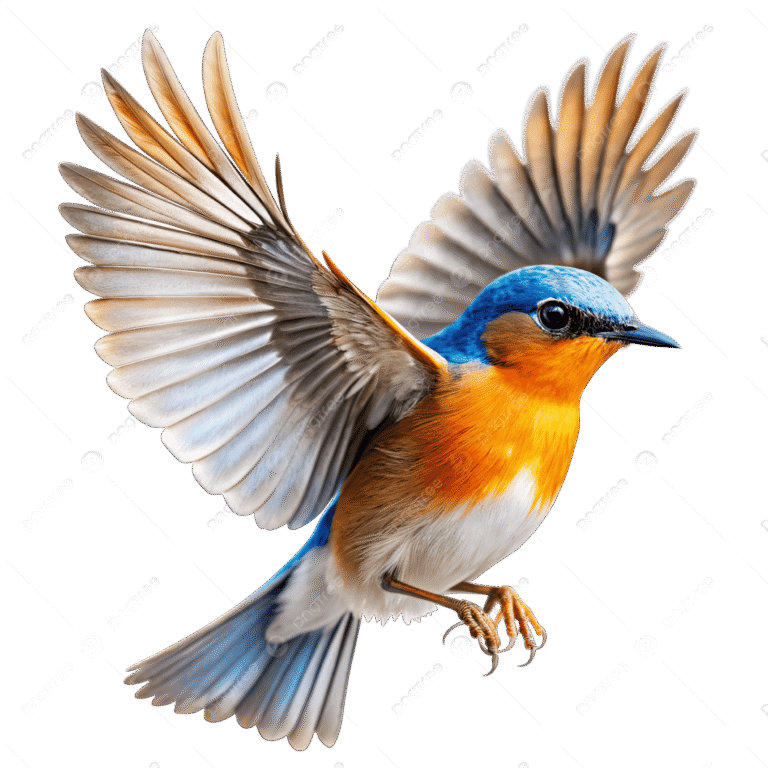
A bird’s wing does more than move up and down. It twists, bends, spreads, and folds during each stroke.
The downstroke
The downstroke usually provides the main source of lift and thrust. The bird moves its wings down and slightly forward or backward, depending on its species and flight style.
The wing pushes air downward. The air then pushes the bird upward. By adjusting the wing angle, the bird can direct some of that force forward.
Birds do not use the same downstroke in every situation. A pigeon taking off uses deep, strong strokes. A hawk gliding between thermals may not flap at all.
The upstroke
During the upstroke, many birds partly fold their wings. This reduces drag while the wings return to their starting position.
Some birds rotate their wings during the upstroke. This helps them avoid pushing too much air downward or backward. Other birds, including hummingbirds, use the upstroke to create active lift.
Wing rotation
Bird wings twist from the shoulder to the wingtip. This twist lets the wing meet the air at useful angles along its length.
The inner wing may create most of the lift. The outer wing can help with control and turning. A bird can also change the shape of individual feathers to manage airflow.
Wingtip vortices
Air tends to move from the high-pressure area below a wing toward the lower-pressure area above it, especially near the wingtip. This creates swirling air called a wingtip vortex.
These vortices produce induced drag, which is a form of drag linked to lift. Birds with long, narrow wings reduce this drag during long flights. Birds with short, broad wings trade some efficiency for strong control and quick takeoff.
How Feathers Help Birds Fly
Feathers help birds create lift, reduce drag, and control their movement. They are not just soft coverings. Each type has a different job.
Flight feathers
The long feathers on the wings are called remiges. They form the main wing surface.
The long feathers on the tail are called rectrices. They help with:
- Pitch, or nose-up and nose-down movement
- Braking
- Steering
- Balance
- Landing
Primary and secondary feathers
Primary feathers sit near the outer part of the wing. They help produce thrust and control the wingtip.
Secondary feathers sit closer to the body. They create much of the wing’s lifting surface.
Birds can spread the tips of their primary feathers. These gaps help reduce the strength of wingtip vortices and can improve control at low speeds.
Feather overlap
Feathers overlap like roof shingles. This arrangement creates a smooth but flexible surface. It also allows a bird to adjust small gaps between feathers during flight.
If feathers become wet, damaged, or dirty, flight can become harder. Birds spend much time preening because clean feathers help maintain proper airflow and insulation.

How Different Birds Use Different Flight Styles
Birds do not all stay in the air in the same way. Their wings match their habitat, body size, feeding method, and migration needs.
Flapping flight
Flapping flight uses repeated wingbeats to create lift and thrust. It is common in songbirds, pigeons, ducks, and many other species.
A bird may flap faster when:
- Taking off
- Climbing
- Flying into wind
- Carrying food
- Escaping danger
Flapping costs energy. Birds often reduce that cost by gliding when conditions allow.
Gliding flight
A gliding bird holds its wings out and uses stored energy and moving air. It does not flap continuously.
A bird in a glide slowly loses height unless rising air provides extra energy. The bird can control its descent by changing its speed and wing position.
Gliding works well for birds with broad wings, such as many hawks, vultures, and gulls.
Soaring flight
Soaring is a form of flight that uses rising air. A bird can gain height without constant flapping.
Common sources of rising air include:
- Thermals: Columns of warm air rising from heated ground
- Ridge lift: Air pushed upward by hills, cliffs, or mountains
- Updrafts near waves: Rising air near coastlines
- Storm-related lift: Powerful but risky rising air
A turkey vulture may circle inside a thermal. As the air rises, the bird gains altitude while spending little energy on flapping.
Hovering
Hovering means staying nearly in one place relative to the ground. Hummingbirds are specialized for this task.
A hummingbird’s wings rotate through a broad arc. The wing produces lift during both directions of travel. Its shoulder joint and wing muscles allow fast, precise movement.
Some other birds can hover briefly by facing into a strong wind. Kestrels, for example, may hold position over the ground while hunting. This behavior is often called wind-hovering because the bird still moves through the air.
Soaring on ocean winds
Albatrosses are not native to most inland parts of the United States, but their flight shows how efficiently a bird can use wind. They gain energy by moving through layers of air with different wind speeds.
This method is called dynamic soaring. The bird climbs into faster air, turns, descends into slower air, and repeats the cycle. It can travel long distances with few wingbeats.
How Birds Turn, Climb, Dive, and Land
Birds steer by changing the balance of lift and drag across their bodies.
Turning
A bird turns by banking. It lowers one wing and raises the other. This tilts the lift force so that part of it points sideways.
The sideways force curves the bird’s path. The tail and wing feathers help control the turn.
A sharp turn requires more lift. Many birds increase their wing angle or flap harder to keep from losing height during the turn.
Climbing
A bird climbs when it has extra lift or extra thrust. It may:
- Flap harder
- Increase its angle of attack
- Fly into rising air
- Use a thermal
- Dive slightly first to build speed
A bird cannot climb forever without an energy source. It must spend muscle energy or use moving air.
Diving
During a dive, gravity helps accelerate the bird. The bird often folds its wings close to its body to reduce drag.
Peregrine falcons are famous for high-speed dives. Their streamlined body and pointed wings help reduce resistance. Exact speed varies with measurement method and conditions, so claims about a single universal top speed should be treated with care.
Landing
Landing requires a controlled loss of speed and height. A bird spreads its wings and tail, increasing drag. It may also raise its body and extend its legs.
Many birds use a stall during the final part of landing. A stall occurs when the wing’s angle of attack becomes too large and airflow separates from the wing. A controlled stall reduces lift and speed, allowing the bird to settle onto a branch or the ground.

Why Birds Do Not Fall When They Stop Flapping
A bird can stop flapping because forward motion keeps air flowing over its wings. The wings continue to create lift as long as the bird has enough speed and a suitable wing angle.
The bird then glides. During a glide:
- Lift supports much of the bird’s weight.
- Drag slows the bird.
- The bird usually loses altitude.
- The bird can regain height by finding rising air.
A bird may also use a brief burst of flapping to restore speed. If it slows too much, the wings may no longer create enough lift. The bird must flap, dive slightly, or lower its angle of attack to recover.
This is why “not flapping” does not mean “doing nothing.” A gliding bird is constantly adjusting its wings and body.
How Bird Size and Wing Shape Affect Flight
Wing shape strongly affects how a bird flies. No single wing design is best for every task.
| Wing type | Common flight benefit | Examples |
|---|---|---|
| Long and narrow | Efficient travel and soaring | Albatrosses, some shearwaters |
| Broad with separated tips | Slow flight and soaring | Eagles, vultures |
| Short and rounded | Quick takeoff and maneuvering | Pheasants, grouse |
| Long and pointed | Fast, efficient flight | Falcons, swifts |
| Compact and flexible | Rapid turns and bursts of speed | Many songbirds |
This table shows general patterns, not strict rules. A species may use more than one flight style during its life.
Wing loading
Wing loading compares a bird’s weight with the area of its wings. A bird with low wing loading has a large wing area for its body weight.
Low wing loading often helps a bird:
- Fly slowly
- Take off with less speed
- Soar in weak rising air
- Land more gently
High wing loading often supports fast flight but requires greater airspeed to create enough lift.
A simple relationship is:
Wing loading = body weight ÷ wing area
This is a comparison, not a complete flight prediction. Wing shape, airspeed, wind, feather position, and body posture also matter.
Aspect ratio
Aspect ratio describes how long and narrow a wing is. A high-aspect-ratio wing is long and narrow. A low-aspect-ratio wing is shorter and broader.
Long, narrow wings can reduce induced drag during efficient travel. Short, broad wings can provide strong control and better maneuvering in tight spaces.
Do Birds Use the Same Aerodynamics as Airplanes?
Birds and airplanes follow the same basic laws of physics. Both need lift to oppose weight and thrust to oppose drag.
Bird wings and airplane wings both use:
- Airflow
- Angle of attack
- Wing shape
- Lift
- Drag
- Control surfaces
Birds also have abilities that fixed-wing airplanes do not. They can:
- Change wing shape during flight
- Fold part of a wing
- Move individual feathers
- Use flexible joints
- Adjust their tails
- Produce thrust with flapping
- Respond quickly to gusts
An airplane usually uses engines for thrust and fixed wings for lift. A bird uses muscles for power and flexible wings for both lift and thrust.
Bird flight is therefore related to aircraft flight, but it is not simply the same process with feathers added.
What Happens in Wind and Turbulence?
Wind changes the air moving around a bird’s wings. A headwind can help a bird remain airborne at a lower speed relative to the ground. A tailwind can increase ground speed but does not always make flight easier.
Birds respond to gusts by changing:
- Wing angle
- Tail position
- Body posture
- Flapping rate
- Direction of travel
A gust can briefly increase lift. It can also disturb balance or cause a sudden drop. Birds with flexible wings can change shape quickly and recover from many small disturbances.
Strong storms create dangerous conditions even for skilled fliers. Birds may seek shelter, fly lower, land, or change direction when wind becomes too severe.
Can Birds Fly in Rain?
Many birds can fly in light rain, but wet conditions can increase the effort required. Water may add weight to feathers and disturb the smooth airflow across the wing.
Birds reduce this problem through:
- Water-resistant outer feathers
- Preening oils
- Feather alignment
- Changes in flight speed
- Seeking shelter during heavy rain
Not every bird has the same level of water resistance. Waterbirds, such as ducks, have specialized feather structure and behavior that help them remain afloat and move through wet environments.
Heavy rain, ice, and strong wind can make flight unsafe. A grounded bird should not be forced into the air. If a wild bird appears injured or unable to fly, contact a licensed wildlife rehabilitator through a local animal control agency, wildlife office, or the U.S. Fish and Wildlife Service’s regional resources.

Common Misconceptions About Bird Flight
“Birds float because they are light”
Birds are relatively light for their size, but weight is not the main reason they fly. Their wings create lift, and their muscles supply the energy needed to move through the air.
“Hollow bones make birds fly”
Some bird bones contain air spaces, but birds do not fly simply because their bones are hollow. Their flight depends on the whole body system, including muscles, lungs, feathers, wings, and balance.
“The air travels over the wing in one simple way”
Airflow around a wing is complex. The upper and lower surfaces influence pressure, and the wing pushes air downward. The exact flow changes with speed, wing shape, angle of attack, and wing motion.
“A bird that glides uses no energy”
Gliding uses less muscle power than continuous flapping, but it still requires control. The bird must adjust its wings and body. It also loses altitude unless rising air supplies energy.
“All birds can fly”
Most living bird species can fly, but some cannot. Ostriches, emus, cassowaries, kiwis, and penguins have wings adapted for other uses. Some flightless birds evolved from flying ancestors, while others became flightless as their bodies and habitats changed.
Key Takeaways
- Birds stay in the air by balancing lift, weight, thrust, and drag.
- Wings create lift by moving air downward and changing airflow and pressure around the wing.
- Flapping usually provides both lift and thrust.
- Gliding uses forward motion and wing shape to stay airborne with little flapping.
- Soaring uses rising air, such as thermals and ridge lift.
- Feathers help form the wing, reduce drag, and control movement.
- Wing shape affects speed, maneuverability, takeoff, and soaring ability.
- Birds can turn by banking, climb with extra lift or thrust, and land by increasing drag.
Frequently Asked Questions
How do birds fly without falling?
Birds avoid falling when their wings create enough lift to support their weight. They maintain lift through flapping, gliding, soaring, or a combination of these methods.
Why do birds flap their wings?
Birds flap to create lift, thrust, or both. They flap harder during takeoff, climbing, fast turns, and flight against strong wind.
How do birds fly in one place?
Hummingbirds can hover by moving and rotating their wings in a figure-eight pattern. Some other birds hold position by facing into a strong wind.
Why can birds glide without flapping?
Forward motion keeps air moving across the wings. The wings create lift during the glide, but the bird usually loses altitude unless it finds rising air.
How do birds know how to fly?
Young birds develop flight through growth, practice, and instinctive movement patterns. They must build strength, improve balance, and learn how to control their wings and tails.
Why do some birds fly higher than others?
Flight height depends on species, weather, oxygen levels, migration route, food search, and local terrain. Birds may use thermals, mountain lift, or wind patterns to gain altitude.
Can a bird fly with one damaged wing?
Usually, serious damage to one wing makes normal flight difficult or impossible. A bird with a drooping wing, bleeding, or trouble standing needs help from a licensed wildlife rehabilitator rather than an attempt to release it.
Sources and Further Reading
The following organizations provide reliable background on bird anatomy, flight, and aerodynamics:
- Cornell Lab of Ornithology: All About Birds
- Smithsonian’s National Zoo and Conservation Biology Institute
- U.S. Fish and Wildlife Service
- NASA Glenn Research Center: Beginner’s Guide to Aerodynamics
- National Audubon Society

Conclusion
Birds stay in the air through a precise balance of forces. Their wings push air down and back, creating lift and thrust. Their feathers, tails, muscles, and bodies then fine-tune that force for every turn, climb, glide, and landing.
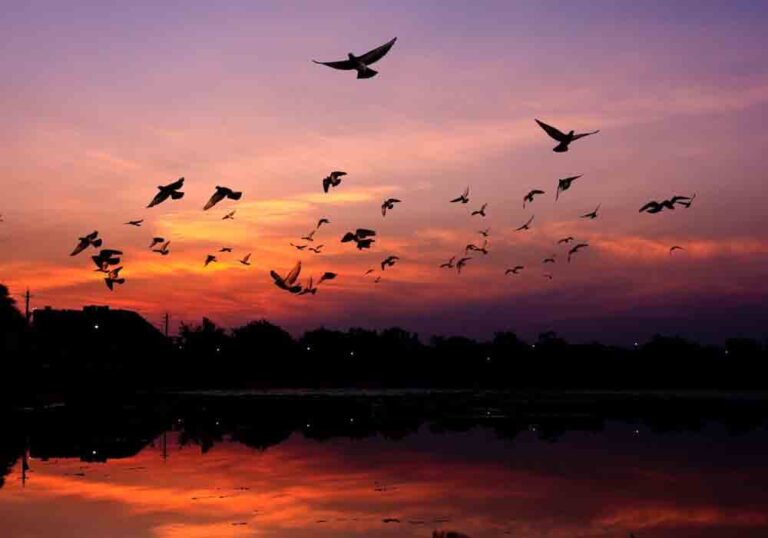
The next time you see a bald eagle circle above a U.S. river or a sparrow lift from a backyard feeder, watch the wings closely. A few quick flaps may provide energy, while a spread wing and a rising current can carry the bird much farther.