How Do Birds Live: Bird Life Explained Simply
Across the United States, birds live in nearly every habitat, from Alaska’s tundra and Florida’s wetlands to city parks, farms, deserts, forests, and coastal shores. Birds survive by finding food and water, avoiding danger, building or finding shelter, and raising young. Their feathers, beaks, wings, keen senses, and complex behaviors help them meet these needs.
Birds do not all live in the same way. A bald eagle hunts fish near rivers and lakes. A ruby-throated hummingbird feeds on flower nectar and insects. A house sparrow may live near people, while a sandhill crane travels between wetlands and grasslands. These differences show how each species fits its habitat.

What Do Birds Need to Live?
Birds need food, water, shelter, safe nesting sites, and enough space to find a mate and raise young. They also need ways to regulate body temperature and avoid predators, disease, and severe weather.
Most birds meet these needs through a combination of physical traits and learned behavior:
- Food: Birds eat seeds, fruit, nectar, insects, fish, small mammals, or other birds.
- Water: Birds drink water and use it to bathe and maintain their feathers.
- Shelter: Trees, shrubs, cliffs, reeds, cavities, and buildings can provide cover.
- Nesting space: Birds need a safe place to lay eggs and care for chicks.
- Suitable climate: Each species has limits for heat, cold, moisture, and seasonal change.
- Social contact: Some birds live alone, while others form pairs, flocks, or colonies.
- Movement: Birds may walk, swim, climb, fly, or migrate to reach food and safe habitat.
A bird’s habitat must supply most of these needs at the same time. A lawn may offer insects but no nesting cover. A pond may provide water but little food. A healthy habitat usually contains several layers, such as trees, shrubs, grasses, fallen leaves, and open ground.
How Are Birds Adapted for Life?
Birds have bodies shaped for efficient movement, feeding, sensing, and temperature control. Feathers provide insulation, help with flight, and may also attract mates or warn rivals.
Feathers
Feathers are made mainly of keratin, the same tough protein found in human hair and fingernails. Birds use different feathers for different jobs:
- Flight feathers help create lift and control movement.
- Down feathers trap warm air close to the body.
- Contour feathers give the body its shape and help shed water.
- Special display feathers may help attract a mate or identify a species.
Birds regularly preen. During preening, they clean and arrange their feathers. Some species spread oil from a gland near the base of the tail. This can help feathers resist water, although not every bird depends on oil in the same way.
Beaks and feet
A bird’s beak often reflects its diet. Cardinals have strong, cone-shaped bills for cracking seeds. Herons have long, pointed bills for catching fish. Woodpeckers use stiff bills to open wood and reach insects. Hummingbirds have narrow bills that help them reach nectar in flowers.
Feet also show how birds use their habitat. Hawks have strong claws for catching prey. Ducks have webbed feet for swimming. Woodpeckers have two toes forward and two backward, which helps them grip tree trunks. Birds that live in open fields often have long legs suited for walking or running.
Lightweight skeletons and strong muscles
Many bird bones are hollow or partly hollow, but they are not simply weak. Their skeletons have strong supports that reduce weight while preserving strength. Large flight muscles attach to a deep breastbone, or sternum.
Flight takes energy. Birds must use oxygen and fuel at a high rate during active flight. Some birds, such as albatrosses, use wind and air currents to travel long distances with less flapping. Other birds, such as hummingbirds, beat their wings rapidly to hover.
Sharp senses
Birds often have strong vision. Raptors can detect prey from far away, while owls can locate prey in low light and may use sound to judge its position. Many birds can also see ultraviolet light, although the details vary by species.
Birds use hearing to find food, detect danger, and communicate. Some nocturnal birds can hunt with little light because their hearing and facial structure help direct sound.
What Do Birds Eat?
Birds eat many types of food, and their diet usually changes with season, age, location, and opportunity. Some birds specialize in one food type, but many are flexible.
Common bird foods include:
- Insects and other small invertebrates
- Seeds and grains
- Berries and other fruit
- Flower nectar
- Fish and aquatic animals
- Amphibians and reptiles
- Small mammals
- Carrion
- Other birds or eggs
Young birds often need protein-rich food. Even seed-eating species may feed insects to their chicks because growing bodies need protein. Adult birds may switch to seeds, fruit, or nectar when those foods become more available.
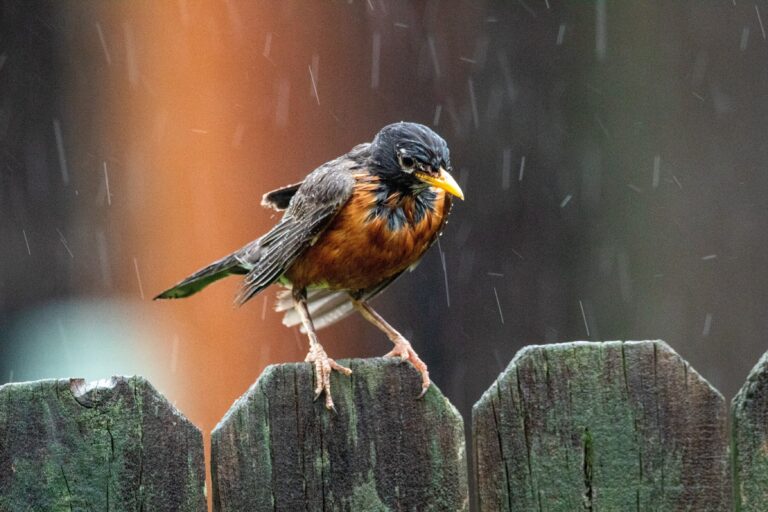
Birds use different feeding methods. A chickadee may pick insects from leaves. A gull may search shorelines for crabs. A pelican may scoop fish from water. An American robin may run across a lawn, stop, and pull an earthworm from the soil.
Food supply affects where birds live. When food becomes scarce, birds may move to another area, change their diet, or migrate. Human actions can change this balance by removing native plants, draining wetlands, using pesticides, or leaving food waste available to species that live near people.

How Do Birds Drink and Stay Clean?
Birds drink by taking water into the bill and often raising the head to let it flow down the throat. Some birds, including pigeons and doves, can draw water without repeatedly lifting the head.
Birds also bathe. They may splash in shallow water, dust-bathe, or use rain to loosen dirt. Bathing helps remove debris and may support healthy feathers.
After bathing, a bird often shakes its body and preens. This process restores the feather structure needed for insulation and flight. Dirty, damaged, or wet feathers can reduce a bird’s ability to stay warm and fly safely.
Clean water helps birds, but birdbaths can also spread disease if they are not maintained. If you provide water in the United States:
- Use a shallow basin with a rough surface.
- Change the water often.
- Scrub the basin on a regular schedule.
- Place it where cats and other predators cannot hide nearby.
- Remove it temporarily if sick birds gather around it.
Do not use bleach or other cleaners unless the product label gives safe instructions for that purpose. Rinse the basin well after cleaning.
Where Do Birds Live?
Birds live in habitats that provide food, cover, water, and nesting opportunities. A habitat can be natural, altered by people, or built almost entirely by people.
Forests
Forests support woodpeckers, warblers, owls, thrushes, hawks, and many other species. Different birds use different parts of a forest:
- Canopy birds feed and nest high in trees.
- Trunk and branch users search for insects on bark.
- Understory birds live in shrubs and low plants.
- Ground birds feed in leaf litter and soil.
- Cavity nesters use holes in dead or living trees.
Removing old trees and dead limbs can reduce nesting sites for birds that use cavities.
Grasslands and prairies
Grasslands support meadowlarks, sparrows, kestrels, quail, and other open-country birds. These birds often need native grasses, low shrubs, and ground cover. Mowing during nesting season can destroy eggs or young birds, especially when large areas are cut at once.
Wetlands and rivers
Wetlands provide fish, insects, aquatic plants, and nesting cover. Ducks, herons, rails, bitterns, cranes, and shorebirds depend on wetlands for some or all of their life cycle.
Wetland loss can affect birds far beyond the local area. Migrating birds may rely on a chain of wetlands across the United States, Canada, Mexico, and Central or South America.
Deserts
Desert birds survive with limited water and extreme temperature changes. Roadrunners, cactus wrens, Gambel’s quail, and several owl species use shade, burrows, plants, and activity patterns to cope with heat.
Some desert birds obtain much of their water from food. Others visit water sources at dawn or dusk, when temperatures are lower.
Cities and suburbs
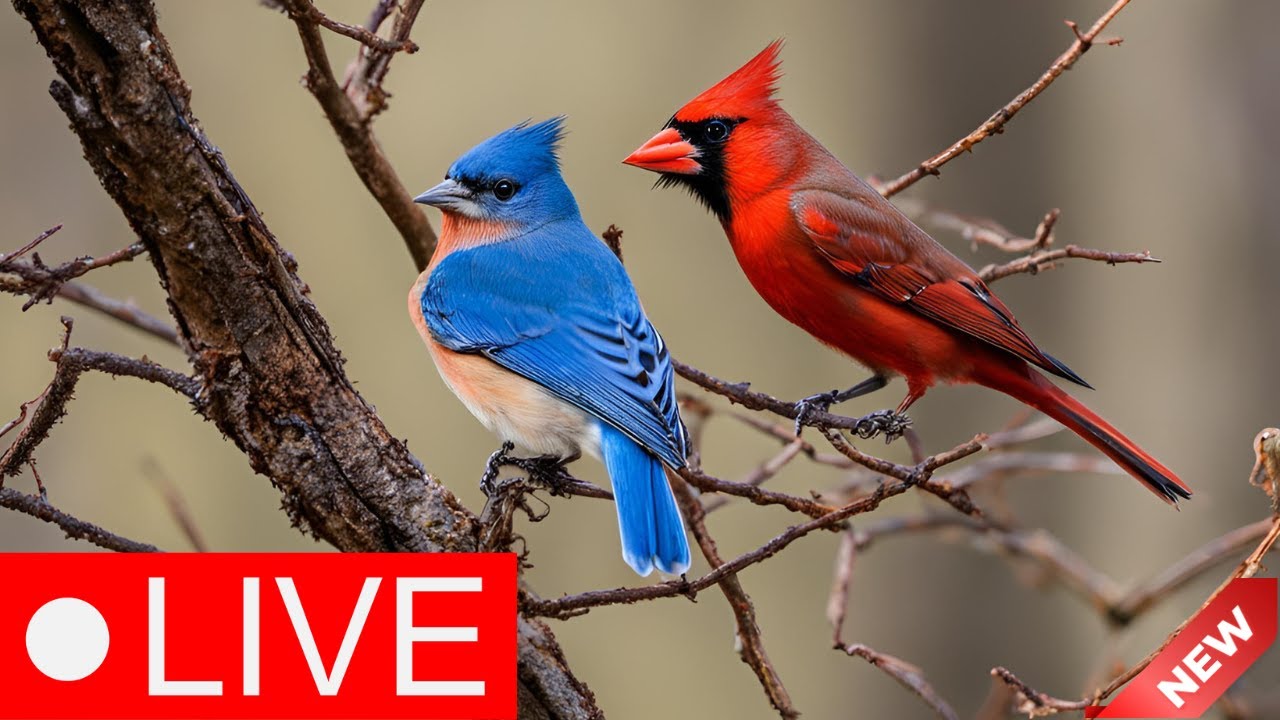
Cities can support birds when they contain trees, native plants, water, and safe nesting places. American robins, mourning doves, northern cardinals, house finches, and peregrine falcons may live near people.
Urban areas also create hazards. Glass windows, outdoor cats, traffic, pesticides, and light pollution can injure or kill birds. Bird-friendly landscaping can reduce some risks.
How Do Birds Build Nests?
Birds build nests to hold eggs and protect young. Nest materials may include twigs, grass, moss, mud, feathers, animal hair, or plant fibers. Some birds use natural cavities instead of building an open nest.
Nest design varies by species:
- Robins often build cup-shaped nests.
- Bald eagles build large stick nests in tall trees or on cliffs.
- Woodpeckers excavate cavities in wood.
- Bank swallows dig tunnels in sandy banks.
- Cliff swallows build mud nests under bridges, cliffs, or building edges.
- Emperor penguins, which are not found wild in the continental United States, carry their eggs on their feet rather than using a typical nest.
Birds choose nest sites based on safety, temperature, food access, and protection from rain or wind. A nest that looks exposed to a person may be well hidden from the bird’s natural predators.
A nest is not always a permanent home. Many birds use it only during breeding. After the young leave, the adults may abandon it, repair it, or build another nest in a new location.
How Do Birds Reproduce and Raise Young?
Most birds reproduce by laying eggs. The female produces an egg, and the male’s sperm fertilizes it before the shell is complete. The developing embryo grows inside the egg and receives protection and nutrients from the yolk and other egg tissues.
Many bird species form breeding pairs for one season. Some remain paired for several years or for life, but this pattern differs widely among species. Pair bonds may help adults defend a nest, find food, and care for chicks.
Bird parents may:
- Incubate eggs with body heat
- Turn eggs to support normal development
- Defend the nest
- Bring food to hatchlings
- Remove waste from the nest
- Teach young birds where and how to find food
- Warn young birds about predators
Bird chicks develop in two broad ways:
| Type of young | Main traits | Examples |
|---|---|---|
| Altricial young | Hatch helpless, with little down; need extensive care | Robins, blue jays, many songbirds |
| Precocial young | Hatch with down; can move soon after hatching | Ducks, geese, quail, many shorebirds |
The line between these groups is not absolute. Young birds vary in how quickly they can walk, fly, feed themselves, and regulate body temperature.
A fledgling is a young bird that has left the nest but may still depend on its parents. It may hop on the ground while its flight feathers develop. In many cases, the parents are nearby and continue to feed it.
If a healthy fledgling is on the ground, watch from a distance. Move it only if it is in immediate danger, and place it in a nearby shrub or low branch. Do not take it home unless a licensed wildlife rehabilitator advises you to do so.

How Do Birds Communicate?
Birds communicate through calls, songs, body movements, feather displays, and behavior. Communication helps birds find mates, defend territory, warn of danger, stay in contact, and coordinate group movement.
A bird’s song often has a role in courtship or territory defense. A call may warn of a predator, signal food, or help a parent and chick locate each other. The same species may use different sounds in different situations.
Birds also communicate without sound. A bird may raise its crest, spread its tail, bow, flap its wings, or change its posture. Bright feathers can act as signals during courtship or conflict.
Some birds learn parts of their songs. Young songbirds may listen to adults and practice sounds during development. This learning can vary by species and may be affected by noise, isolation, and habitat change.
Do Birds Live Alone or in Groups?
Some birds live alone outside the breeding season. Others form pairs, family groups, or large flocks. Group living can help birds locate food, find mates, and detect predators.
Flocking has costs as well as benefits. More birds may find danger sooner, but they also compete for food and may attract predators. Birds may form temporary groups during migration or remain together throughout the year.
Examples include:
- Solitary hunters: Many hawks and owls hunt alone.
- Pair-based species: Some birds defend a territory with a mate.
- Colonial nesters: Some herons, gulls, and swallows nest close together.
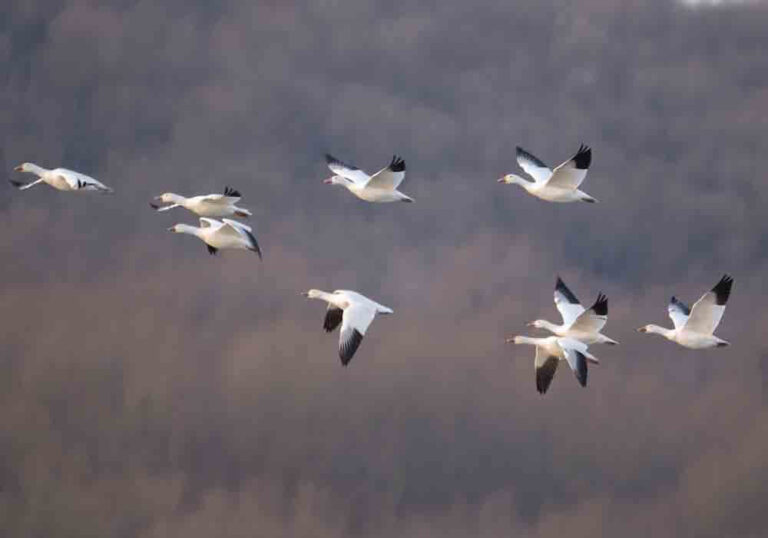
- Large flocks: Starlings, blackbirds, geese, and shorebirds may gather in large numbers.
- Family groups: Some crows and jays remain with young birds after nesting.
Social behavior does not mean every bird in a group has the same role. Groups may include adults, young birds, breeding pairs, and unrelated individuals.
How and Why Do Birds Migrate?
Bird migration is the repeated movement between areas during different seasons. Birds migrate to reach food, favorable weather, breeding habitat, or safer conditions for raising young.
Some birds travel only a short distance. Others cross continents or oceans. In North America, many birds migrate along broad routes called flyways. The main North American flyways are the Atlantic, Mississippi, Central, and Pacific Flyways.
Migration is controlled by several factors:
- Day length
- Temperature
- Food supply
- Weather
- Hormonal changes
- Internal biological rhythms
- Genetic behavior and learning
Birds may navigate using the sun, stars, Earth’s magnetic field, landmarks, smells, and memory. Young birds may inherit part of a migration program and learn additional details from experience or older birds.
Migration is risky. Birds may face storms, predators, hunger, disease, buildings, vehicles, and habitat loss. Rest stops are vital because migrating birds need food and shelter along the route.
People can help migrating birds by:
- Keeping cats indoors or using secure outdoor enclosures
- Turning off unnecessary lights during migration
- Treating windows to reduce collisions
- Protecting native plants and wetlands
- Avoiding pesticides when possible
- Keeping pets away from nesting areas

How Do Birds Survive Winter and Extreme Weather?
Birds use behavior, body changes, and shelter to survive cold weather. Many grow extra down feathers before winter. They may fluff their feathers to trap warm air next to the body.
Birds also conserve heat by:
- Eating more energy-rich food
- Seeking shelter from wind
- Roosting close together
- Tucking the bill into feathers
- Reducing activity during the coldest hours
- Shivering to produce heat
Some birds enter a state called torpor, in which body temperature and activity drop for a short time. This can reduce energy use during cold nights. Hummingbirds are well known for using torpor.
Birds may struggle during long periods of ice, snow, drought, heat, or storms. A bird feeder can provide extra food, but it cannot replace habitat. Native plants, dense shrubs, clean water, and protected roosting sites offer broader support.
During extreme heat, birds need shade and water. Keep water shallow and clean. Never force water into a bird’s mouth, because liquid can enter the lungs.
How Long Do Birds Live?
Bird lifespan varies greatly by species, habitat, disease, predators, climate, and human threats. Small birds may have high mortality during their first year, while some individuals that reach adulthood live for many years.
Larger birds often live longer than smaller birds, but size alone does not determine lifespan. Bald eagles, albatrosses, parrots, and some seabirds can live for decades. Many songbirds live much shorter lives in the wild, although some survive for several years.
Scientists learn about bird lifespan through banding, tracking, long-term field studies, and reports of marked birds. A band or tracking record shows the age of a known individual, but it does not predict how long every member of that species will live.
The most dangerous life stage for many birds is the period soon after hatching or fledging. Young birds may lack flight skills, have little experience finding food, and be more vulnerable to predators.
What Threats Affect Birds in the United States?
Birds face both natural dangers and human-caused threats. The effect depends on the species, location, season, and condition of the habitat.
Major threats include:
- Habitat loss and fragmentation
- Window collisions
- Outdoor and feral cats
- Pesticides and toxic chemicals
- Invasive species
- Climate-related changes
- Extreme weather
- Pollution
- Disease
- Illegal hunting or collection
- Disturbance at nests and colonies
The U.S. Fish and Wildlife Service reports that the Migratory Bird Treaty Act protects many native migratory birds in the United States. The law has specific limits and exceptions, so people should not assume that every bird, nest, feather, or activity has the same legal status.
If you find an injured wild bird, do not feed it or give it water unless a licensed wildlife rehabilitator tells you to. Keep people and pets away, place the bird in a ventilated box only when advised or when immediate transport is needed, and contact a licensed rehabilitator or state wildlife agency.

How Can People Help Birds Live Safely?
The most useful help is to protect habitat and reduce common hazards. You do not need a large yard. A balcony, school garden, apartment courtyard, or small urban space can still offer food and cover.
Practical steps include:
- Plant native species. Native plants support local insects, seeds, berries, and shelter.
- Keep dead wood when safe. Snags and fallen branches can provide food and nest cavities.
- Reduce window collisions. Use exterior screens, closely spaced decals, or other tested bird-safe window treatments.
- Keep cats indoors. This reduces predation and protects cats from traffic and disease.
- Avoid pesticides when possible. Use targeted, low-risk methods before broad chemical treatment.
- Provide clean water. Maintain shallow birdbaths and remove them if disease spreads.
- Protect nests. Keep people, dogs, and equipment away from active nests.
- Turn off lights at night. This can reduce disorientation during migration.
- Use feeders carefully. Clean them often and stop feeding temporarily if sick birds gather.
- Do not remove wildlife without advice. Contact a rehabilitator when a bird is injured, visibly ill, or truly orphaned.
Feeders help some birds, but they can also spread disease and attract predators. Habitat improvement is usually more reliable than adding more food.
What Is the Difference Between Wild Birds and Pet Birds?
Wild birds live without direct human care. They find their own food, select nest sites, avoid predators, and respond to weather and seasonal change. Pet birds depend on people for food, clean water, safe housing, social needs, and veterinary care.
A pet bird cannot simply be released outdoors. It may lack the skills to find food or avoid predators. It may also carry disease, compete with native species, or fail to survive the local climate.
Bird ownership requires species-specific care. A parrot, canary, pigeon, chicken, and finch have different diets, social needs, housing requirements, and health risks. Anyone caring for a pet bird should use guidance from an avian veterinarian and a trusted animal-care source.
Key Takeaways
- Birds live by meeting basic needs for food, water, shelter, nesting space, and safety.
- Feathers, beaks, feet, wings, senses, and behavior help birds fit their habitats.
- Birds may live alone, in pairs, family groups, colonies, or large flocks.
- Migration helps many birds reach seasonal food and breeding areas.
- Young birds may leave the nest before they can fly well, so a fledgling on the ground is not always orphaned.
- Clean habitat is more valuable than food alone.
- People can help birds by protecting native plants, reducing window strikes, keeping cats indoors, and avoiding disturbance.
Frequently Asked Questions About How Birds Live
Do all birds fly?
No. Flightless birds include ostriches, emus, cassowaries, kiwis, and penguins. In the United States, people may also see flightless domestic birds such as chickens and turkeys. Some wild birds fly poorly or use flight only for short distances.
Do birds sleep?
Yes. Most birds sleep or rest each day. Many perch while sleeping and use foot tendons that help them grip a branch. Some birds sleep in cavities, nests, reeds, or other sheltered places. Migratory birds may sleep in short periods, and some species can rest while flying.
Do birds feel cold?
Birds can feel the effects of cold, but feathers provide strong insulation. They also raise their feathers, seek shelter, eat more, and reduce activity. Severe cold can still be dangerous when food or shelter is limited.
How do birds find their way home?
Birds may use landmarks, the sun, stars, Earth’s magnetic field, smell, sound, and memory. The method differs by species and journey. Young birds may inherit some migration information and gain experience over time.
What should I do if I find a baby bird?
First, identify whether it is a nestling or fledgling. A featherless or lightly feathered nestling usually needs to be returned to its nest if you can do so safely. A fully feathered fledgling often belongs on the ground while its parents watch and feed it. If the bird is injured, cold, bleeding, or in immediate danger, contact a licensed wildlife rehabilitator.
Reliable Sources for Learning More
- Cornell Lab of Ornithology: All About Birds
- U.S. Fish and Wildlife Service: Migratory Birds
- U.S. Geological Survey: Bird Banding Laboratory
- Smithsonian’s National Zoo and Conservation Biology Institute
- National Audubon Society: Bird Conservation
Conclusion
Birds live by combining specialized bodies with flexible behavior. Their feathers keep them warm, wings help them move, beaks match their diets, and calls help them communicate. Their survival also depends on healthy habitats that provide food, water, shelter, and safe places to raise young.
Across the United States, people can support bird life by protecting native plants, keeping water clean, reducing window collisions, limiting pesticides, and leaving wild birds in the care of trained rehabilitators when they need help. The best next step is simple: observe the birds near you, identify their habitat needs, and improve one part of that habitat safely.