How Do Migrating Birds Know When To Return: Bird Guide
Introduction
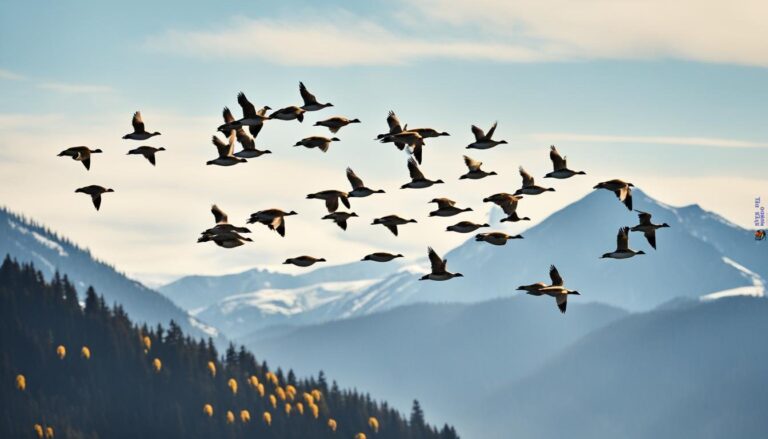
Migrating birds in the United States do not use one single signal to decide when to return. They rely on an internal yearly clock, changing daylight, weather, food supplies, temperature, and conditions at their breeding grounds. Some species also use inherited navigation skills, stars, landmarks, Earth’s magnetic field, and cues from other birds.
A ruby-throated hummingbird leaving Mexico, a robin returning to the northern United States, and an Arctic tern passing through Alaska may follow very different routes. Yet each responds to a similar pattern: the right season, enough energy, and suitable conditions for survival and breeding.

The short answer: birds use an internal calendar plus outside signals
Migrating birds know when to return through a combination of internal biological timing and environmental information. The length of daylight is often the strongest seasonal cue, but it works with weather, temperature, food, and social signals.
Birds do not usually “check” one sign and make a conscious choice. Instead, their bodies change as several signals line up. Hormones rise, the urge to migrate returns, feathers may molt, and the reproductive system prepares for breeding.
A bird may therefore begin its northward journey when:
- Daylight reaches a seasonal threshold.
- Its internal annual rhythm signals that migration time has arrived.
- Fat reserves are high enough for travel.
- Winds and weather make the route safer or less costly.
- Food is becoming available along the route or at the breeding site.
- The bird’s body is ready to breed.
The timing is not fixed to one date. It can shift by days or weeks because conditions differ between years and species.
How daylight sets the migration schedule
Changing daylight is the main seasonal clock for many birds. This response is called photoperiodism, which means using day length to track the time of year.
In spring, days become longer across the United States. Light enters a bird’s eyes and affects brain systems that regulate hormones. These hormones can trigger:
- Restlessness and increased movement
- Fat storage
- Changes in sleep and activity
- Growth of the reproductive organs
- Singing and territorial behavior
- Preparation for long-distance flight
Day length works well because it is steady and predictable. A warm spell can arrive early, but daylight still provides a reliable measure of the season.
The same system helps birds begin fall migration when days shorten. However, daylight does not explain every movement. Some species respond strongly to temperature or food, while others follow a more rigid inherited schedule.
Why daylight does not tell birds the exact day
Day length acts more like a calendar page than an alarm clock. It tells a bird that spring or fall is approaching, but it does not guarantee that the route is ready.
A bird may delay departure if:
- Strong headwinds make flight expensive.
- Snow covers food at the destination.
- A storm blocks the route.
- The bird has not built enough fat.
- A cold snap reduces insect numbers.
- The bird is young and still developing its travel pattern.
Research on bird migration, including work summarized by the U.S. Geological Survey, shows that migration timing reflects both inherited seasonal rhythms and flexible responses to local conditions.
Birds have an internal yearly clock
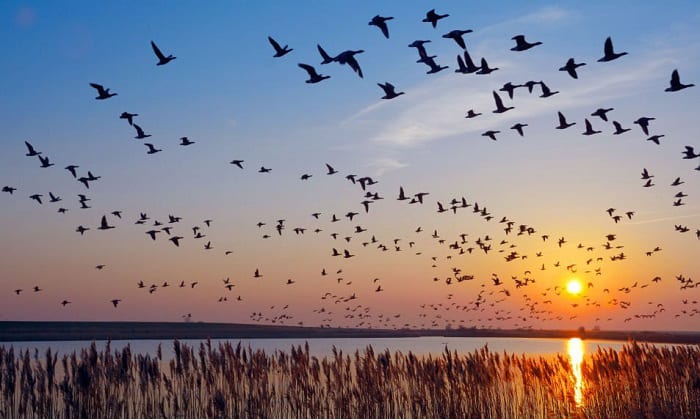
Many migratory birds have an internal rhythm that repeats each year. Scientists call this a circannual rhythm. It helps control migration, molting, breeding, and other seasonal events.
This rhythm can continue even when a bird lives in a controlled environment with steady light and temperature. In classic research, captive birds became restless during the season when their wild relatives normally migrated. This behavior is often called zugunruhe, a German term for migratory restlessness.
The internal clock does not work like a perfect watch. It gives the bird a general seasonal program. Environmental cues then adjust the program to real conditions.
This explains why birds of the same species often migrate in a similar order each year, even when weather changes. It also explains why migration dates are not identical across all individuals.
Genes help guide migration timing
Migration has a genetic component. Young birds may inherit information about:
- When to become restless
- How long to travel
- Which direction to take
- How far to migrate
- When to begin breeding
This does not mean a young bird is born with a complete map. In some species, young birds can travel without adults by using inherited direction and distance rules. In others, young birds learn important route details from parents or a flock.
Evolution favors timing that matches the best chance to find food, avoid harsh weather, and raise young. A bird that arrives too early may face cold or hunger. One that arrives too late may lose nesting space or miss the peak insect supply.

Food and body condition help decide when birds leave
Birds need enough energy to migrate, and many species time their return around a seasonal increase in food. Insects, seeds, berries, nectar, and small aquatic animals can all influence migration.
Before migration, birds often enter a state called hyperphagia, or intense feeding. They build fat reserves because fat provides a light and energy-rich fuel for flight.
Food affects timing in two ways:
- Food at the departure site helps a bird build fuel.
- Food along the route or at the destination helps determine whether leaving is worthwhile.
For example, an insect-eating bird returning to the northern United States benefits from arriving when caterpillars and flying insects are abundant. If it arrives weeks before that food appears, it may struggle to survive.
Birds also adjust their route when food conditions change. Some stop longer at rich feeding sites. Others move on quickly when food is scarce.
Why early arrival can help—and hurt
Early arrival may give a bird an advantage. It can claim a nesting territory, find a mate, or begin breeding before competitors.
But early arrival also carries risks:
- Frost can kill insects and flowers.
- Snow can cover seeds and berries.
- Cold rain can reduce survival.
- Storms can force birds to spend stored energy.
- Young hatchlings may face food shortages.
This creates a trade-off. Returning early may improve breeding success in a good year, but returning too early can be dangerous. Natural selection has shaped migration schedules around this balance rather than around one ideal date.
Weather changes the timing of migration
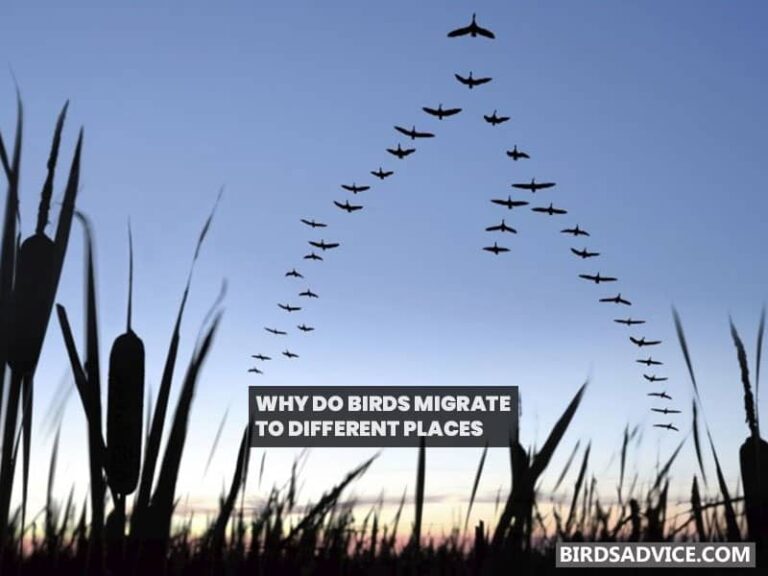
Weather often controls the final decision to depart. Birds can sense wind, pressure patterns, temperature, and approaching storms. A bird may be ready to migrate but wait for favorable winds.
Tailwinds reduce the energy needed for flight. Headwinds increase energy use and may slow the journey. Some birds also use high-altitude winds that people on the ground cannot feel.
Weather affects migration at several scales:
| Weather factor | Possible effect on migration |
|---|---|
| Tailwinds | Help birds travel farther with less energy |
| Headwinds | Delay departure or force a lower flight speed |
| Cold snaps | Reduce food and increase energy needs |
| Warm temperatures | May bring insects and plants out early |
| Heavy rain | Reduces visibility and can ground small birds |
| Storm systems | Cause detours, delays, or high mortality |
| Drought | Reduces food and water along stopover routes |
Birds do not always wait for perfect weather. Long-distance migration involves risk, and a bird may leave when the expected benefit is greater than the expected cost.
Weather also affects different species in different ways. A large goose may handle wind that would stop a small warbler. A bird that feeds on nectar may respond to flower timing, while an insect-eating bird may respond to temperature and insect activity.

How birds know where to return
Knowing when to return and knowing where to go are related but separate problems. Birds use several navigation tools.
The sun and stars
During the day, some birds use the sun as a compass. Their internal clocks help them correct for the sun’s movement across the sky.
At night, many migratory birds use stars. Young birds can learn the pattern of the night sky, especially its rotation around the North Star. This provides a stable directional guide during clear conditions.
Earth’s magnetic field
Many birds can detect information from Earth’s magnetic field. Scientists believe this sense helps some species determine direction and, in some cases, geographic position.
The exact biological mechanism is still being studied. One proposed system involves light-sensitive proteins called cryptochromes in the eye. Another line of research examines magnetic particles in bird tissues. The evidence supports magnetic sensing in birds, but the details may differ among species.
A magnetic compass does not provide a complete road map. Birds still need other information to follow a route accurately.
Landmarks and geography
Experienced birds can use coastlines, rivers, mountain ranges, forests, and other landscape features. These landmarks are especially useful near familiar breeding or wintering areas.
Birds may also remember stopover sites where they found food in earlier years. Habitat loss can make this more difficult by removing safe places to rest and feed.
Smell and sound
Some birds use odors to recognize regions and orient themselves. This may help them connect air chemistry with geographic location.
Bird calls can also support group travel. Young birds learn from adults in species where migration is taught socially. Flocks may reduce the difficulty of navigation, but not every migrant depends on a group.
Do birds return because they remember their birthplace?
Often, yes. Many birds show natal-site fidelity, which means they return to the area where they hatched or to a nearby breeding region.
Adults may also show site fidelity, returning to the same nesting territory each year. This behavior has clear benefits: the bird already knows where to find food, shelter, water, and suitable nesting sites.
Memory is only part of the explanation. Birds combine memory with inherited direction, landscape clues, magnetic information, daylight, and weather.
A bird that returns to the same area is not necessarily following the exact same path every year. It may change its route when storms, fires, drought, or food shortages alter conditions.
This is why habitat protection must cover more than one place. A migratory bird can lose survival opportunities if its breeding site, wintering site, or stopover habitat disappears.
Why some birds return earlier than others
Different species return at different times because they face different food needs, travel distances, and breeding pressures.
Early spring migrants often include species that can find food in cool conditions, such as seeds, worms, or early insects. Other birds wait until warmer weather produces the food their young need.
A species’ migration strategy may depend on:
- Body size
- Wing shape
- Flight speed
- Distance between breeding and wintering sites
- Diet
- Nesting habitat
- Age and experience
- Exposure to storms
- Competition for territories
Within one species, males may arrive before females to claim territories. Adults may arrive before young birds because adults have more route experience. Birds traveling shorter distances may respond more directly to local spring weather than birds traveling from far away.
Climate change can further separate old timing cues. For example, plants and insects may appear earlier while daylight-based migration timing changes less. This mismatch is called a phenological mismatch. It can reduce breeding success when birds arrive after the best food period or before food is available.
Can migrating birds get confused?
Yes. Birds can make navigation errors, especially during storms, when they encounter bright lights, or when familiar habitats have changed.
Artificial light at night can attract and disorient nocturnal migrants. Tall buildings, communication towers, and other structures can increase collision risk, particularly during poor weather.
People can reduce these risks by:
- Turning off unnecessary building lights during peak migration.
- Using window treatments or bird-safe glass.
- Keeping cats indoors.
- Protecting wetlands, forests, shorelines, and grasslands.
- Supporting local habitat restoration.
- Reporting unusual bird movements to appropriate wildlife programs.
Birds can also be displaced by strong winds and later correct their route. A wrong turn does not always mean the bird has permanently lost its way.
What happens if spring arrives early?
An early spring can change migration timing, but not all birds can adjust at the same rate. Some species respond quickly to temperature and food. Others rely more heavily on daylight and internal seasonal rhythms.
This can create several outcomes:
- Earlier arrival at breeding grounds
- Longer waits for food
- More competition for nesting space
- Higher survival if food is ready
- Lower survival if cold weather returns
- Mismatch between nesting and insect peaks
The effect depends on the species and location. A warm March in the southern United States may not mean that conditions are ready in Minnesota, Maine, Alaska, or the Canadian breeding range.
For this reason, one early observation does not prove that an entire species has changed its migration pattern. Long-term tracking and repeated population data are needed.
A simple example of how the signals work together
Imagine a hypothetical songbird that spends winter in Central America and breeds in the northern United States.
- Day length begins to increase.
- Its internal annual rhythm raises migratory restlessness.
- The bird feeds heavily and adds fat.
- Weather forecasts, wind, and local conditions affect its departure.
- It follows a route using inherited direction, stars, magnetic information, and landmarks.
- Stopover food determines how long it rests.
- Warmer temperatures and insect growth at the breeding site support final arrival.
- The bird uses memory and local cues to return to a familiar territory.
No single cue controls the whole trip. The bird’s timing emerges from the interaction of biology, weather, food, and experience.
Common misconceptions about bird migration
Birds do not all leave on the same date
Migration is spread over time. Age, sex, health, location, and weather can change the departure date.
Birds do not rely only on instinct
Some navigation ability is inherited, but many birds also learn routes, landmarks, feeding sites, and social behavior.
Birds do not always follow the same route
A bird may change its path because of wind, storms, landscape changes, or food availability.
Birds do not migrate because they feel cold alone
Temperature matters, but daylight and internal rhythms often begin the seasonal process before local weather changes.
Migration is not limited to long-distance travel
Short-distance migrants, elevational migrants, and birds that move between habitats also respond to seasonal cues.
What bird watchers can look for in the United States
Bird watchers can often see the effects of migration cues without handling or disturbing birds.
Look for:
- More bird song at dawn
- New species appearing after warm fronts
- Flocks using wetlands and shorelines
- Changes in bird numbers after strong winds
- Birds feeding heavily during stopovers
- Territorial behavior near breeding habitat
- Earlier or later arrivals compared with past years
Use binoculars, keep a respectful distance, and avoid flushing resting birds. A field guide or a reporting tool such as eBird can help document observations, but one sighting should not be treated as proof of a broad population trend.
For large-scale migration information, the U.S. Fish and Wildlife Service and U.S. Geological Survey provide research and conservation resources.
Frequently asked questions
Do birds know the exact date they should return?
No. Birds respond to seasonal cues rather than reading a fixed date. Day length, internal rhythms, weather, food, and body condition work together to set the timing.
How do birds know where they were born?
Many birds use a combination of inherited direction, Earth’s magnetic field, stars, landmarks, odors, and memory. The balance differs by species and age.
Do young birds migrate alone?
Some young birds travel with parents or flocks and learn parts of the route. Other species have enough inherited direction and distance information to migrate without adult guides.
Why do birds sometimes arrive before spring feels warm?
Day length and internal seasonal rhythms may signal migration before local temperatures become consistently mild. Birds may also be responding to conditions far away along the route.
Can birds change their migration time?
Yes. Weather, food, age, health, habitat, and climate conditions can shift migration timing. However, species differ in how flexible their schedules are.
Conclusion
Migrating birds know when to return through a layered system, not a single signal. An internal yearly clock and changing daylight provide the seasonal plan, while weather, wind, food, body condition, and conditions at the breeding site adjust the timing.
Navigation is also flexible. Birds may use the sun, stars, Earth’s magnetic field, landmarks, smells, memory, and social learning to reach familiar areas. Their return is best understood as a decision shaped by biology and the environment.
For people in the United States, the most useful next step is simple: observe migration over several weeks, record species and dates, and protect the food-rich habitats birds need along the way.