How Do Birds Help The Environment: Why Birds Matter
Introduction
Birds help the environment by controlling insects, spreading seeds, pollinating plants, cleaning up animal remains, cycling nutrients, and supporting food webs. In the United States, birds live in nearly every habitat, from Alaska’s tundra and Florida’s wetlands to Midwestern farms and city parks. Their work helps ecosystems recover, grow, and stay in balance.
Some benefits are easy to see, such as a hummingbird visiting a flower. Others happen out of sight, such as a vulture removing disease risks from a carcass. Birds are not the only animals that support healthy ecosystems, but they are among the most widespread and useful environmental indicators.

1. Birds Control Insects and Other Pests
Birds help control pest populations by eating insects, spiders, rodents, and other small animals. This natural control can reduce crop damage and limit the spread of some plant pests.
A single bird may eat many insects during the breeding season. Swallows, flycatchers, warblers, chickadees, and nighthawks often catch flying insects. Woodpeckers search tree bark for beetle larvae, ants, and other insects. Owls, hawks, and other raptors help control mice and other small mammals.
This role matters on farms, in forests, and in gardens. When birds remove pests, farmers and land managers may have less need to rely on chemical controls. The benefit varies by bird species, habitat, season, and prey supply. Birds do not eliminate all pests, and some birds also eat helpful insects, so their effect is part of a larger food web.
Research has documented the value of insect-eating birds in many ecosystems. A review published in Ecological Applications found that birds can provide pest-control services, although the strength of that service depends on local conditions and farming practices.
2. Birds Spread Seeds and Help Forests Regrow
Birds spread seeds when they eat fruit and later deposit the seeds in new places. This process is called seed dispersal. It helps plants reach open soil, disturbed land, forest gaps, and areas far from the parent plant.
Fruit-eating birds are important seed carriers. Cedar waxwings, American robins, thrushes, mockingbirds, and many other species eat berries and pass viable seeds through their digestive systems. Some birds also carry seeds on their feathers or bills.
Seed dispersal can improve plant diversity and support forest recovery after storms, fires, logging, or development. Birds may carry seeds across streams, fields, or other barriers that small mammals cannot cross as easily.
The relationship works both ways. Birds receive food from fruiting plants, while plants gain a way to reproduce and spread. However, not every seed survives after a bird eats it. Germination depends on the plant, the bird, soil, moisture, and other conditions.
3. Birds Pollinate Some Plants
Birds pollinate plants when pollen sticks to their feathers or bills and moves to another flower. This is known as bird pollination.
Hummingbirds are the best-known bird pollinators in the United States. Their long bills and tongues help them reach nectar in tubular flowers. As they move between flowers, pollen can transfer from one plant to another.
Hummingbirds are especially important for some native plants in the western and southeastern United States. Other birds, including certain honeyeaters and sunbirds outside the United States, also pollinate plants. In the U.S., hummingbirds perform the most familiar bird-pollination role.
Bird pollination is usually less widespread than insect pollination. Still, it adds resilience to plant communities and supports plant reproduction where the right birds and flowers occur together.
To support pollinating birds, plant native flowers that bloom at different times. Avoid pesticides when possible, and provide clean water and shelter. A garden cannot replace a healthy habitat, but it can create useful feeding areas in developed places.

4. Birds Clean Up Carcasses and Reduce Waste
Scavenging birds remove dead animals from the environment. Vultures are the clearest example.
Turkey vultures and black vultures use their sharp eyesight and strong digestive systems to consume carrion. Their stomach acid can destroy many pathogens found in decaying flesh. By removing carcasses, vultures help return nutrients to the soil and reduce the time that dead animals remain exposed.
This service has public-health value. A well-known study in India linked the loss of vultures to more feral dogs and a higher risk of rabies after vulture populations declined. Conditions differ between India and the United States, so the study does not provide a direct U.S. estimate. It does show how the loss of scavengers can affect human communities.
In the United States, vultures also face threats. These include collisions, habitat loss, and exposure to toxic substances. The U.S. Fish and Wildlife Service provides information on vulture conservation and the risks that affect scavenging birds.
Vultures are not the only avian scavengers. Crows, ravens, eagles, gulls, and other birds may also feed on carcasses. Together, they help move energy and nutrients through ecosystems.
5. Birds Move Nutrients Through Ecosystems
Birds move nutrients between places as they feed, travel, nest, and leave droppings. Seabirds provide a strong example.
When seabirds feed at sea and return to islands or coastal colonies, their droppings can add nitrogen and phosphorus to the land. These nutrients may support plants and small organisms. In turn, those organisms feed insects and other animals.
Inland birds perform similar work on a smaller scale. Birds move nutrients from wetlands to forests, from fields to hedgerows, and from feeding areas to nesting sites. Their feathers, eggshells, droppings, and bodies also become part of natural nutrient cycles.
This process is easy to miss because it does not look like a service. Yet healthy ecosystems depend on the movement and reuse of nutrients. Birds connect habitats that may otherwise function as separate systems.
Nutrient movement can also have negative effects when too many nutrients enter a sensitive area. The outcome depends on the amount, location, and balance of nutrients. As with other ecological roles, more bird activity is not always better in every place.
6. Birds Support Food Webs
Birds are both predators and prey. They eat insects, fish, seeds, fruit, amphibians, and small mammals. They also provide food for hawks, owls, eagles, foxes, snakes, raccoons, and other predators.
This makes birds important links in food webs. For example:
- A warbler eats caterpillars in a forest.
- The warbler feeds a nestling predator or larger bird.
- The caterpillar would otherwise consume more plant tissue.
- The bird’s waste returns nutrients to the ecosystem.
Birds can also affect the behavior of other animals. The presence of predators may cause prey species to avoid certain areas. That change can influence where animals feed and how plants grow.
Food webs are complex, so one species rarely controls an entire ecosystem by itself. A bird’s effect may change with season, habitat, weather, and the availability of other prey. Still, losing many birds can remove important links from the system.
7. Birds Indicate Environmental Health
Bird populations can reveal changes in habitat quality, pollution, climate, water conditions, and food supply. Because birds are widespread and relatively easy to observe, scientists use them as indicator species.
A sudden drop in a bird population may signal:
- Loss of nesting or feeding habitat
- Fewer insects or other prey
- Pollution or toxic exposure
- Poor water quality
- More predators or disease
- Changes in migration conditions
- Extreme heat, storms, drought, or fire
Bird monitoring does not explain every cause by itself. Scientists must compare bird data with information about weather, land use, contaminants, and other wildlife. Even so, long-term bird surveys provide valuable evidence.
The North American Bird Conservation Initiative’s 2022 State of the Birds report found major declines among many U.S. bird groups. The report also identified gains among some waterfowl and raptors after conservation action. This contrast shows two important points: bird populations can reflect environmental pressure, and focused protection can produce results.
Bird counts also help the public take part in science. Programs such as the Audubon Christmas Bird Count and the Great Backyard Bird Count collect observations across large areas. These programs do not replace professional surveys, but they add useful community data.

8. Birds Help People Connect With Nature
Birds provide cultural, educational, and emotional benefits. They are visible in neighborhoods, parks, wetlands, farms, and forests. Watching birds can help people notice seasonal change and care about local habitats.
This connection has practical value. People who recognize local birds may be more likely to protect native plants, keep cats indoors, reduce pesticide use, and support habitat restoration. Birding also contributes to local economies through travel, equipment purchases, guides, parks, and conservation programs.
This benefit is harder to measure than insect control or seed dispersal. Still, public support is a key part of environmental protection. A species that people know and value may receive more attention when its habitat is threatened.
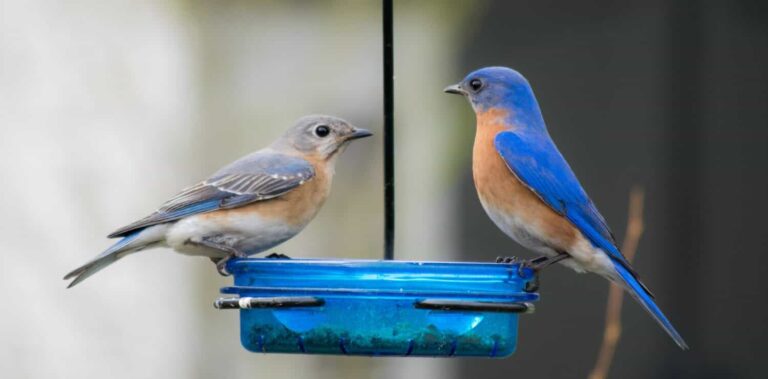
The goal should not be to attract birds at any cost. Feeding birds can spread disease or attract unwanted wildlife if feeders are dirty or poorly placed. Habitat protection remains more important than supplying food.
How Bird Conservation Helps the Environment
Protecting birds means protecting the habitats and food webs that support their work. The most useful steps in the United States are often simple and local.
Provide native plants
Native trees, shrubs, grasses, and flowers provide food, nesting sites, and cover. Choose plants suited to your region and soil. Native plants often support more local insects than ornamental plants from other regions.
Reduce pesticide use
Pesticides can remove the insects that many birds need to feed their young. Use nonchemical methods first, such as removing damaged plant parts, improving soil, using barriers, and choosing pest-resistant plants.
Keep cats indoors
Outdoor cats kill large numbers of birds and other wildlife. Keeping cats indoors, using a secure outdoor enclosure, or walking a cat with a harness can reduce this risk.
Prevent window collisions
Birds may mistake reflective glass for open habitat. Place window decals or external screens on problem windows. Dense patterns placed on the outside of glass work better than a few small stickers placed far apart.
Keep bird feeders clean
Clean feeders on a regular schedule and move them if sick birds appear. Wash hands after handling feeders. Follow current guidance from the U.S. Fish and Wildlife Service and your state wildlife agency during disease outbreaks.
Protect water and nesting areas
Keep dogs away from ground nests and shorebird areas. Leave dead trees standing when they are safe, since snags provide nesting and feeding sites. Do not disturb nests or handle wild birds unless a licensed wildlife rehabilitator gives instructions.
What Birds Cannot Do
Birds help ecosystems, but they are not a complete replacement for conservation or land management. They cannot solve habitat loss, invasive species, pollution, or climate change on their own.
Birds may also have mixed effects. Some species eat crops, spread invasive plant seeds, compete with native species, or carry diseases. The effect depends on the species and setting. A species that benefits one habitat may create problems in another.
For this reason, conservation decisions should use local evidence. Wildlife agencies, extension offices, tribal natural-resource programs, and qualified biologists can help identify the right action for a particular area.
Key Takeaways
- Birds control insects, rodents, and other prey.
- Fruit-eating birds spread seeds and help plants colonize new areas.
- Hummingbirds pollinate some native plants.
- Vultures and other scavengers remove carcasses and recycle nutrients.
- Birds move nutrients between habitats and support food webs.
- Changes in bird populations can warn of environmental problems.
- Native plants, fewer pesticides, safer windows, and protected habitat support birds.
Frequently Asked Questions
How do birds help farmers?
Birds can help farmers by eating insects, rodents, and weed seeds. Their effect varies by crop, landscape, and bird species. Farms with hedgerows, trees, wetlands, and other habitat may support more natural pest control than farms with little shelter or food outside the crop.
Do all birds help the environment?
Most birds have ecological roles, but their effects differ. Some spread seeds or eat pests, while others may damage crops or spread invasive plants. The best answer depends on the species and ecosystem.
How do birds help plants grow?
Birds help plants through pollination, seed dispersal, and nutrient cycling. Hummingbirds carry pollen between some flowers. Fruit-eating birds move seeds to new sites, where the seeds may grow into new plants.
Why are vultures important?
Vultures remove dead animals from the environment. This speeds decomposition, recycles nutrients, and may reduce exposure to some pathogens. Vultures are specialized scavengers with an important role in many food webs.
What is the best way to help birds at home?
Plant native vegetation, reduce pesticide use, prevent window strikes, keep cats indoors, and keep feeders clean. A yard with layered plants and natural shelter usually provides more lasting value than a feeder alone.
Conclusion
Birds help the environment in many connected ways. They manage pests, pollinate flowers, spread seeds, clean up carcasses, move nutrients, support predators, and reveal changes in habitat quality.
The most effective way to protect these benefits is to protect the places birds need to live. In U.S. communities, that means preserving native plants, wetlands, forests, grasslands, shorelines, and safe nesting areas. Small actions at home can help, but broad habitat conservation has the greatest long-term effect.