How To Help Birds: Simple Ways To Make A Difference
Birds in the United States need safe food, clean water, native plants, and places to nest. You can help birds at home by planting native trees and flowers, preventing window strikes, keeping cats indoors, using bird feeders safely, and avoiding harmful pesticides. Small changes can help both common backyard birds and declining species.

1. Make Your Yard Better for Birds
The best way to help birds is to create habitat. Food and feeders matter, but birds also need shelter, nesting sites, water, and protection from predators.
A bird-friendly yard does not need to be large. A balcony, patio, school garden, or small suburban lot can still provide useful habitat. The key is to offer several resources in the same place.
Plant native species
Native plants support the insects, seeds, berries, and nectar that local birds need. Many native plants also need less water and care once established.
Good choices depend on your region. For example:
- Northeastern states: oak, serviceberry, eastern red cedar, black-eyed Susan, and native asters
- Southeastern states: wax myrtle, beautyberry, native magnolias, coneflowers, and cardinal flower
- Midwestern states: bur oak, elderberry, prairie grasses, goldenrod, and sunflower
- Southwestern states: desert willow, mesquite, penstemon, agave, and native sages
- Western states: manzanita, ceanothus, Oregon grape, California lilac, and native currants
Use regional plant guides from the Lady Bird Johnson Wildflower Center, your state extension service, or a local native plant society. Avoid choosing plants only because they are labeled “bird-friendly.” Check whether they are native to your area and whether they suit your soil, light, and climate.
Keep layers of habitat
Birds use different parts of a landscape. A yard with only a short lawn offers fewer resources than one with several plant layers.
Try to include:
- Tall trees for nesting and shelter
- Small trees and shrubs for cover
- Native flowers for insects and nectar
- Leaf litter for ground-feeding birds and insects
- Dense evergreen plants for winter shelter
- Grasses and seed-producing plants for food
Leave some fallen leaves and dead stems in place through winter. They can shelter insects and provide nesting material. Remove only what creates a clear safety or disease problem.
Provide nesting materials with care
Birds often use twigs, dry grass, moss, and animal hair to build nests. You can leave natural materials in your yard, but do not put out dryer lint, string, yarn, fishing line, or plastic strips.
These materials can wrap around a bird’s legs or neck. If you offer hair, use short, untreated animal hair and place only a small amount in a dry, protected spot.
2. Offer Bird Feed Safely
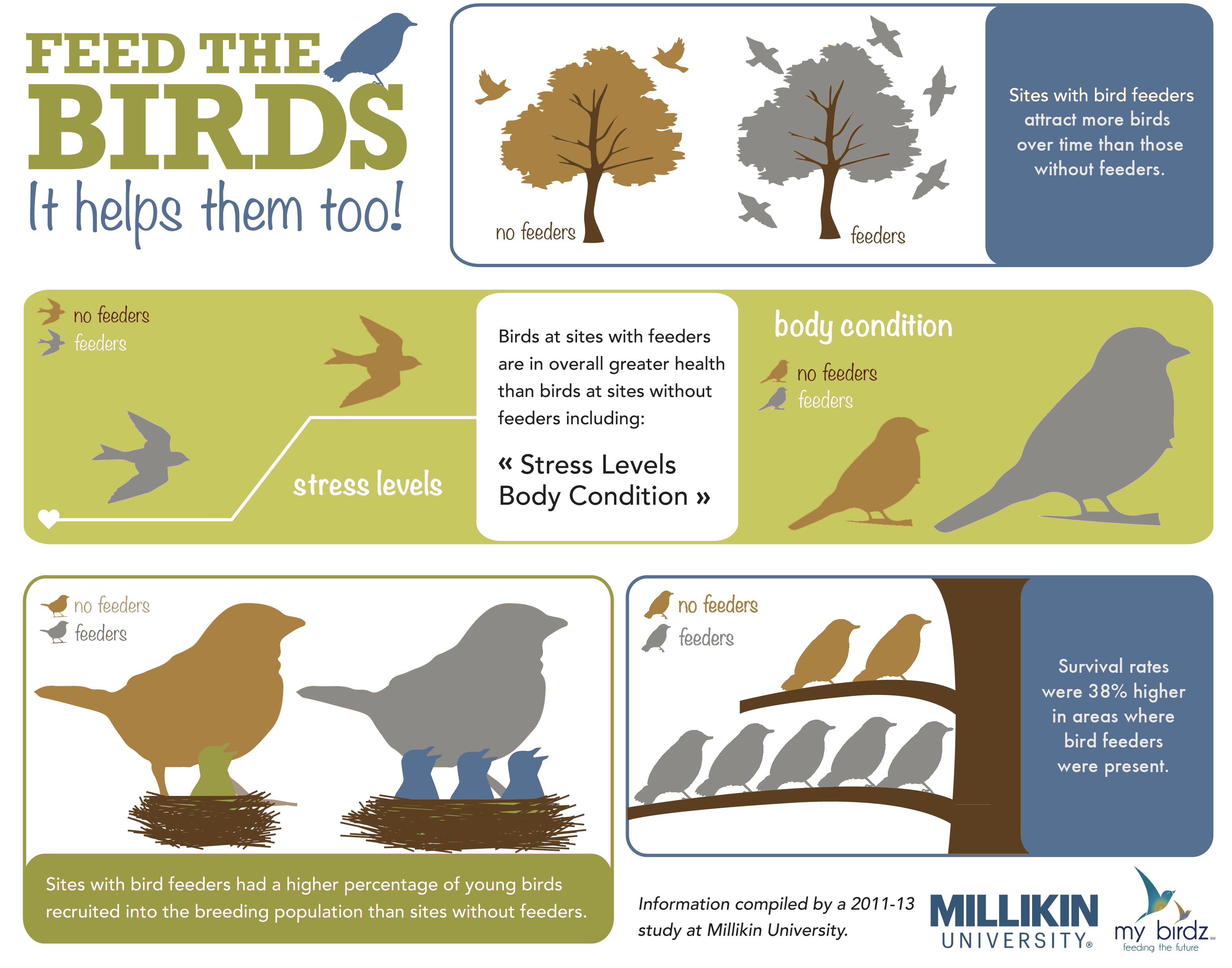
Bird feeders can help birds during harsh weather and give you a close view of local wildlife. They are not required for a bird-friendly yard, and they can create problems when they are dirty, crowded, or placed near windows.
Choose food for the birds in your area
Different birds prefer different foods. Common options include:
| Bird food | Birds that may use it | Important note |
|---|---|---|
| Black-oil sunflower seed | Cardinals, chickadees, finches, nuthatches | A useful general seed |
| Safflower seed | Cardinals, doves, some finches | May be less attractive to some squirrels |
| Nyjer seed | Goldfinches and other small finches | Use a feeder made for tiny seed |
| White millet | Juncos, sparrows, doves | Often works best on platform feeders |
| Peanuts | Jays, nuthatches, woodpeckers | Use plain, unsalted peanuts |
| Suet | Woodpeckers, chickadees, nuthatches | Avoid products that melt in hot weather |
| Nectar | Hummingbirds | Use plain white sugar and water |
Avoid bread, salty food, seasoned leftovers, chocolate, and moldy food. These foods can harm birds or attract unwanted animals.
Make hummingbird nectar correctly
Use one part plain white sugar with four parts water. Mix until the sugar dissolves, then let the solution cool before filling the feeder.
Do not add:
- Red dye
- Honey
- Artificial sweeteners
- Vitamins
- Fruit juice
- Molasses
Replace nectar at least twice a week in warm weather. Change it more often if it becomes cloudy, ferments, or grows mold. Wash the feeder with hot water and a bottle brush. During very hot weather, inspect nectar daily.
Clean feeders often
Dirty feeders can spread disease. The U.S. Fish and Wildlife Service and Cornell Lab of Ornithology recommend regular cleaning, especially when birds appear sick.
A safe routine is:
- Empty old seed.
- Scrub the feeder with hot, soapy water.
- Rinse it well.
- Disinfect it according to guidance from a trusted wildlife or public health source.
- Dry it fully before adding fresh food.
- Clean the ground below the feeder.
If you see several sick or dead birds near a feeder, take the feeder down. Store it until you know local guidance and the disease risk has passed. Do not handle sick or dead birds with bare hands.
Place feeders where birds can escape
Put feeders near natural cover, such as shrubs, but not so close that cats can hide beside them. A practical setup gives birds a clear view of danger and a short flight to shelter.
Keep feeders away from areas where cats roam. Also consider whether bird seed will attract rodents, bears, raccoons, or other wildlife. In some U.S. communities, local rules limit feeding wildlife, so check before installing a feeder.

3. Prevent Birds From Hitting Windows
Window strikes are one of the most common human-caused dangers for birds in North America. Birds may see reflected trees or open sky and fly toward the glass. They may also try to fly through transparent glass that shows a view of another room or window.
The solution is to place a visible pattern on the outside of the glass.
Effective options include:
- Exterior window screens
- Tempera paint or soap-based window markers
- Decals placed in a dense pattern
- External cords or “acopian” bird-saving patterns
- Exterior shades or shutters
- Netting installed with space between the net and glass
A few widely spaced stickers often do not work. Birds may fly through the gaps. The pattern needs to cover the main strike area, with spacing close enough to block a bird’s flight path.
The American Bird Conservancy Bird-Friendly Window Program provides guidance on window treatments and collision prevention.
Check windows at the right times
Window strikes may increase during migration, often in spring and fall. They can also happen year-round around feeders, especially when a bird sees a reflection of nearby plants.
If a bird hits a window and remains alive:
- Keep people and pets away.
- Gently place the bird in a small box with air holes.
- Line the box with a towel or paper towel.
- Keep the box closed, dark, quiet, and at room temperature.
- Do not give the bird food or water.
- Contact a licensed wildlife rehabilitator.
A bird that flies away may still have internal injuries. If it is stunned, bleeding, unable to stand, or breathing with difficulty, it needs professional help.

4. Keep Cats From Killing Birds
Keeping cats indoors is one of the clearest ways to help birds. Outdoor cats can catch healthy adult birds, nestlings, and fledglings. They can also spread disease and force birds to avoid otherwise useful habitat.
The safest option for both cats and wildlife is indoor living. If your cat needs outdoor time, use:
- A secure outdoor enclosure
- A screened porch
- A harness and leash, if the cat accepts them
- Supervised time in a fenced area
Do not place bird feeders near shrubs or structures where an outdoor cat can hide. Bells do not reliably stop cats from catching birds, and a bell does not remove the risk.
Keeping cats indoors also reduces exposure to traffic, fights, parasites, toxins, and infectious disease. The American Bird Conservancy provides additional information on cats and bird conservation.

5. Give Birds Clean Water
Birds need water for drinking and bathing. A shallow birdbath can help, especially during hot, dry weather or in areas with limited natural water.
Use a basin with:
- A shallow center, ideally no more than a few inches deep
- A rough surface for secure footing
- A gently sloped edge
- Nearby cover that does not give cats a hiding place
- A location where you can clean it often
Change the water every day or two. Scrub the basin regularly to remove algae, droppings, and debris. Do not use harsh chemicals unless the product label and a wildlife authority say they are safe and appropriate.
Moving water may attract birds and stay fresher, but a fountain or dripper still needs cleaning. In cold climates, a heated birdbath may help birds in winter. Use outdoor-rated equipment, follow electrical instructions, and keep cords away from standing water.
Avoid deep containers, slippery surfaces, and steep-sided tubs. Birds can drown if they cannot climb out.

6. Avoid Pesticides and Other Bird Hazards
Pesticides can harm birds directly or reduce the insects they need to eat. Insect-eating birds depend on caterpillars, beetles, flies, and other small animals, especially when feeding their young.
Use prevention first:
- Choose plants suited to your site
- Improve soil with compost
- Remove badly diseased plant parts
- Use physical barriers for pests
- Tolerate minor leaf damage
- Encourage native insects and natural predators
- Apply any treatment only when it is truly needed
Never use a pesticide more often or at a higher dose than the label allows. Do not spray flowering plants when bees and other pollinators are active. Store chemicals in their original containers and keep them away from pets, children, food, and water.
Other common hazards include:
- Fishing line and hooks
- Plastic rings and loose string
- Open chimneys and vents
- Sticky traps
- Glue traps
- Uncovered pools
- Oil-contaminated water
- Lead ammunition and fishing tackle
- Antifreeze and other vehicle fluids
Cover or cap openings where birds may become trapped. Cut or remove plastic waste. Pick up fishing line and dispose of it through an approved recycling or collection program when available.

7. Help Birds During Each Season
Bird needs change through the year. A few seasonal actions can make your yard safer and more useful.
Spring
Spring is nesting season for many U.S. birds. Delay major tree trimming when possible, and check for active nests before cutting branches. Federal law protects many native birds, their nests, eggs, and young under the Migratory Bird Treaty Act.
If you find a nest, keep your distance. Do not move it unless a licensed wildlife professional tells you to do so.
Spring is also a good time to:
- Plant native flowers and shrubs
- Install window protection before migration peaks
- Clean birdbaths
- Keep cats indoors
- Reduce pesticide use
Summer
Young birds often leave the nest before they can fly well. This stage is called fledging. A fully feathered fledgling hopping on the ground is usually being cared for by nearby parents.
If the fledgling is not injured, leave it alone and keep pets away. If a nestling has few or no feathers and is on the ground, look for the nest. You may place it back if you can do so safely; parent birds generally will not abandon it because a person touched it.
Contact a wildlife rehabilitator if the bird is injured, cold, bleeding, weak, or handled by a cat.
Fall
Fall migration brings many birds through the United States. Reduce window strikes by adding exterior patterns before migration begins.
Leave seed heads, leaf litter, and some dead stems in place. They provide food and shelter. Avoid clearing every plant after it stops blooming.
Winter
Birds use dense shrubs, evergreen trees, brush piles, and tree cavities to escape wind and cold. Keep natural cover in place when possible.
Feeders may help during severe weather, but birds still need natural food and shelter. Keep seed dry, remove wet or moldy food, and clear snow or ice from water sources when it is safe.

8. Know What to Do With an Injured or Orphaned Bird
The safest first step is to limit handling and contact a licensed wildlife rehabilitator. Wildlife rehabilitators have training, permits, and equipment to care for native birds.
Use the Animal Help Now directory or contact your state wildlife agency to find help in the United States.
If a bird is injured
Place the bird in a small cardboard box with air holes. Use a soft towel or paper towel on the bottom. Keep the box dark, quiet, and away from children and pets.
Do not:
- Force food or water
- Put water in the box
- Try to set a broken wing
- Keep the bird as a pet
- Handle it more than needed
Wash your hands after contact. If the bird was exposed to a cat, treat the situation as urgent even if there are no visible wounds. Cat bites can cause severe infection.
If you find a young bird
First identify whether it is a nestling or fledgling.
- Nestling: Few feathers, weak, and unable to move well. Try to return it to its nest.
- Fledgling: Fully feathered, alert, and able to hop or perch. Leave it near where you found it and keep pets away.
Parent birds may be nearby even if you do not see them. Watch from a distance for at least an hour before deciding that a fledgling is abandoned.

9. Support Bird Conservation Beyond Your Yard
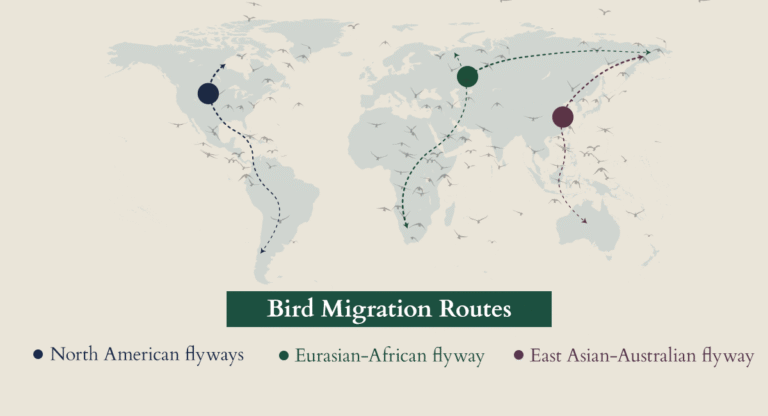
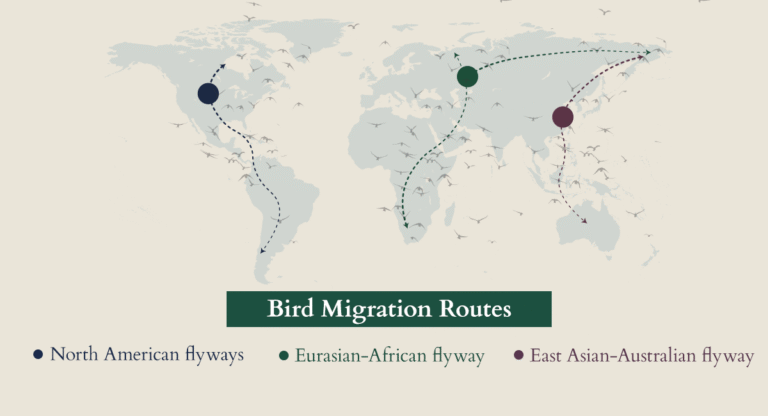
Home habitat helps, but birds also need protected wetlands, forests, grasslands, shorelines, and migration routes. You can support broader conservation by choosing actions that protect habitat and improve scientific knowledge.
Useful options include:
- Join a local bird count or bird survey
- Report sightings through eBird
- Support a local land trust or habitat group
- Protect native plants in community spaces
- Reduce outdoor lighting during migration
- Choose shade-grown coffee when it fits your budget
- Vote for responsible habitat and wildlife programs
- Visit protected areas and follow posted rules
Community science can help researchers track bird populations, migration, and changes in range. Record only birds you can identify with reasonable confidence. Clear photos, notes, dates, and locations improve the value of a report.
For major migration periods, check the Lights Out program and local guidance. Turning off unnecessary lights at night can reduce confusion and collisions for migrating birds.

Key Takeaways
- Plant native trees, shrubs, flowers, and grasses.
- Keep cats indoors or in secure outdoor enclosures.
- Add exterior window patterns to prevent bird strikes.
- Clean feeders and birdbaths often.
- Give hummingbirds plain sugar water without dye or additives.
- Avoid pesticides when possible and follow every product label.
- Leave leaf litter, seed heads, and natural cover in place.
- Do not handle injured birds more than needed.
- Contact a licensed wildlife rehabilitator for injured, orphaned, or cat-caught birds.
- Help beyond your yard by protecting habitat and supporting bird-monitoring efforts.
Frequently Asked Questions
What is the best way to help birds at home?
The best overall approach is to create a safe habitat. Plant native species, provide clean water, prevent window strikes, keep cats indoors, and reduce pesticide use. Feeders can help, but they should support—not replace—natural habitat.
Should I stop feeding birds if one looks sick?
Yes. Take feeders down if you see several sick birds or a dead bird nearby. Clean the feeders and ground area, and follow current advice from your state wildlife agency, the U.S. Fish and Wildlife Service, or a local wildlife health authority.
Is bread safe for birds?
Bread is not a good regular food for birds. It provides little nutrition and can become moldy. Offer suitable bird seed, native plants, fruit, insects, or correctly prepared hummingbird nectar instead.
What should I do if a bird hits my window?
Place the bird in a ventilated box in a dark, quiet location. Do not give it food or water. Contact a licensed wildlife rehabilitator, especially if the bird cannot fly, appears injured, or was caught by a cat. Then add an exterior window pattern to prevent another collision.
How can I help birds without using a bird feeder?
Plant native habitat, leave natural debris in place, provide clean water, reduce outdoor lighting, keep cats indoors, and protect windows. These actions help birds without attracting seed-eating wildlife or creating feeder-related disease risks.
Can I keep a wild bird I found?
No. Native wild birds generally cannot be kept as pets, and many are protected by federal law. Contact a licensed wildlife rehabilitator or your state wildlife agency for instructions.
Conclusion
Helping birds in the United States starts with practical steps: grow native plants, make windows visible, keep cats away, maintain clean water and feeders, and protect birds from chemicals and litter. The most effective yard is not perfect. It is one that offers food, shelter, and safety throughout the year.
Start with one change today. Add an exterior window marker, plant a native shrub, clean a birdbath, or make your yard safer for a fledgling. Small actions become meaningful when many households take them together.