
Why Does My Cat Eat Food Off The Floor: What It Means
Your cat may eat food off the floor because it feels natural, smells stronger, or seems safer than the bowl.
If you wonder why does my cat eat food off the floor, you are not alone. This habit is often harmless, but it can also point to bowl discomfort, stress, food preference, or a health issue. Understanding the reason helps you choose the right fix without turning mealtime into a battle.

Why Does My Cat Eat Food Off the Floor?
Cats are natural hunters and scavengers. In the wild, they eat prey from the ground, not from a raised dish. Food on the floor may feel more like a normal hunting experience.
The floor can also offer a better view. Some cats feel uneasy when they must put their face deep into a bowl. They may prefer to see the room while they eat, especially if another pet, child, or loud sound is nearby.
Other common reasons include:
• The bowl smells like old food or soap.
• The bowl moves while your cat eats.
• The food sticks to the side of the bowl.
• The bowl touches your cat’s whiskers.
• The floor makes the food easier to grab.
• Your cat enjoys carrying food away.
• Your cat has learned that dropped food is rewarding.
So, why does my cat eat food off the floor when the same food is in the bowl? In many cases, the floor simply feels more comfortable or interesting.

Common Reasons Cats Move Food From the Bowl
Whisker stress
Some cats dislike the sides of deep or narrow bowls touching their whiskers. This may cause them to pull food out with a paw or mouth before eating it.
Whiskers are not just hairs. They are sensitive touch tools that help cats judge spaces and movement. A shallow, wide plate may help if whisker contact is the problem.
Bowl movement
A light plastic bowl may slide across the floor as your cat eats. Your cat may then pull the food out to a spot where it stays still.
Try a heavy ceramic or stainless steel dish with a non-slip base. A flat plate can work well, too.
Bowl odor
Cats have a strong sense of smell. Plastic can hold food oils, bacteria, and soap scents even after washing. If the bowl smells strange, your cat may avoid putting its face inside.
Wash food dishes each day with mild, unscented soap. Rinse them well. Replace scratched plastic bowls, since scratches can trap residue.
Food shape and texture
Dry kibble may be easier to pick up from a hard floor. Wet food may slide around in a smooth dish. Some cats also dislike food that has become dry at the edges.
Test a clean plate and different food textures. Change only one thing at a time so you can see what your cat prefers.
A natural hunting habit
Cats often use their paws to control food. Moving a piece of kibble may make the meal feel like a small hunt. This is especially common in playful, young, or highly active cats.
Food puzzles and treat toys can meet this need in a cleaner way. They add mental exercise without leaving food on a dirty floor.
Seeking a quiet place
Your cat may carry food away from a busy feeding area. A hallway, kitchen, or shared room can feel unsafe if people or pets pass by often.
A cat that eats on the floor may be choosing a spot with a better escape route. Cats like to eat where they can watch what is happening around them.

Is Eating Food Off the Floor Normal?
Often, yes. If your cat eats well, maintains a healthy weight, drinks normally, and acts relaxed, eating a few pieces from the floor is usually a behavior preference.
The habit becomes more concerning when it starts suddenly or comes with other changes. For example, a cat that once ate normally but now drops food may have mouth pain.
Watch for these signs:
• Dropping food while chewing
• Chewing only on one side
• Pawing at the mouth
• Bad breath
• Red or swollen gums
• Crying during meals
• Vomiting or diarrhea
• Weight loss
• Drinking much more than usual
• Hiding or acting tired
Dental disease is common in cats, and cats often hide pain. A veterinary examination is wise if your cat seems hungry but cannot eat comfortably.

Does the Floor Food Need to Be Cleaned?
Yes. A small amount of fresh food on a clean indoor floor is usually not an emergency. Still, floors can contain dust, cleaning chemicals, hair, insects, and germs.
Do not let your cat eat food near these hazards:
• Fresh floor cleaner
• Bleach or disinfectant residue
• Pest control products
• Essential oil spills
• Small toys or sharp objects
• Spoiled food
• Cat litter
• Garage chemicals
Pick up wet food after about 20 to 30 minutes. Wet food can spoil faster at room temperature, especially in a warm home. Dry food can stay out longer, but it should still be kept fresh and protected from pests.
If your cat eats something toxic, contact a veterinarian or a pet poison service at once. Do not make your cat vomit unless a professional tells you to do so.

How to Stop Your Cat From Eating Food Off the Floor
The best solution is not punishment. Scolding may make your cat anxious and can damage trust. Instead, make the bowl easier and the feeding area more comfortable.
Try these steps:
-
Use a wide, shallow dish. A flat ceramic plate often works well.
-
Choose stainless steel or glazed ceramic. These materials are easy to clean and hold fewer odors than scratched plastic.
-
Add a non-slip mat. This keeps the dish steady and catches crumbs.
-
Move the bowl to a quiet place. Keep it away from litter boxes, noisy appliances, and busy walkways.
-
Feed pets apart if needed. Another animal nearby can make a cat feel rushed.
-
Clean the dish every day. Rinse away all soap after washing.
-
Test food temperature. Some cats prefer wet food slightly warmed, while others prefer it cool.
-
Offer smaller portions. A crowded bowl can make food harder to reach.
-
Use a clean feeding mat. This gives your cat a safer place to retrieve a piece of food.
-
Reward calm bowl use. Praise your cat softly when it eats from the dish.
A slow change works best. If your cat likes taking one piece at a time, place the dish on a washable mat rather than forcing an instant change.
What Bowl Is Best for a Cat?
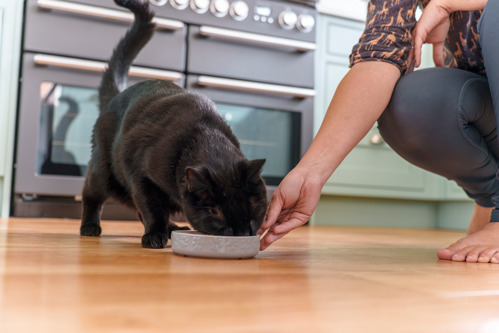
There is no single perfect bowl for every cat. However, a wide, shallow, stable dish is a strong starting choice.
Consider these features:
• Stainless steel or glazed ceramic
• A wide opening
• Low sides
• A heavy base
• A smooth surface
• Easy daily washing
Some cats prefer a flat plate. Others like an elevated feeder, especially if bending seems difficult. Ask your veterinarian before using a raised dish for a cat with arthritis, neck pain, or another medical condition.
Avoid deep, narrow bowls if your cat pulls food out. Also avoid damaged plastic dishes. Cracks and scratches may hold food particles and odors.
Could Stress Explain This Feeding Habit?
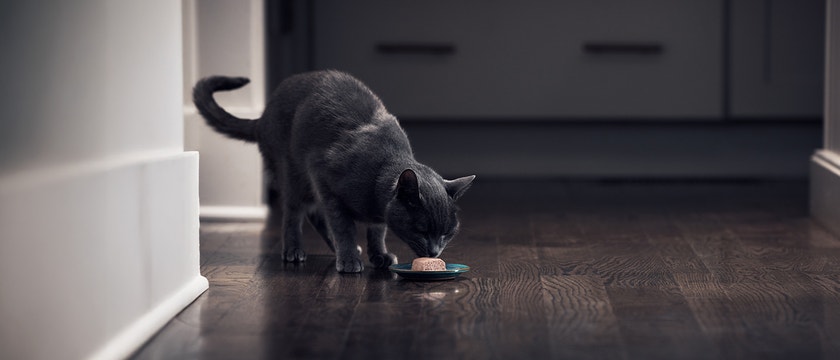
Stress can change how a cat eats. A cat may grab food and move away if the feeding spot feels exposed. It may also eat in short bursts if another pet watches or tries to steal the meal.
Look for other stress clues:
• Hiding more often
• Urinating outside the litter box
• Excessive grooming
• Sudden aggression
• Less play
• Changes in sleep
• Increased meowing
Give your cat a quiet feeding station with a clear view of the room. Keep food and water in separate, calm locations. In homes with several cats, provide more than one feeding area.
A cat should not have to compete for every meal. Separate bowls can reduce tension, but some cats need completely separate rooms.
When Eating Off the Floor May Signal Illness
The question why does my cat eat food off the floor deserves extra attention when the behavior is new. Sudden changes may reflect pain, weakness, nausea, or trouble seeing.
Dental disease is one important possibility. Cats with sore teeth may pick up food, drop it, and try again. They may also prefer soft food or avoid hard kibble.
Other possible causes include:
• Mouth ulcers
• Broken teeth
• Gum inflammation
• Nausea
• Arthritis
• Poor vision
• Neurologic problems
• Digestive disease
• Increased hunger from diabetes or thyroid disease
Only a veterinarian can diagnose these conditions. Never rely on behavior alone to identify illness. Keep a short record of your cat’s meals, weight, bathroom habits, and behavior before the appointment.
How to Make Floor Eating Safer
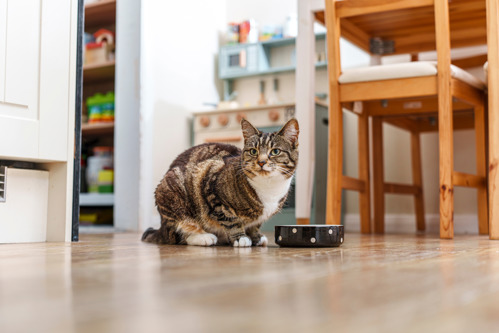
If your cat refuses to stop, focus on safety and cleanliness. Place a washable silicone mat under the bowl. This creates a clean zone where your cat can move food without reaching dusty floor areas.
You can also try a feeding station with a low rim. It gives your cat room to work with the food while keeping crumbs contained.
Helpful habits include:
• Sweep or vacuum near the feeding area.
• Wipe the mat after wet meals.
• Remove uneaten wet food promptly.
• Keep cleaning products away from food zones.
• Store kibble in a sealed container.
• Wash bowls daily.
• Keep food away from litter dust.
Do not spread food across the whole floor to encourage scavenging. That can increase mess and may teach your cat to search unsafe areas.
Food Puzzles and Natural Foraging
Some cats eat from the floor because they want a job. A food puzzle can turn that habit into safe enrichment. It lets your cat bat, sniff, and search for food.
Start with an easy puzzle. Put a few pieces of kibble in open sections so your cat learns how it works. Increase the challenge slowly.
Other enrichment ideas include:
• Hiding a few treats around one safe room
• Using a rolling treat ball
• Offering a lick mat for wet food
• Playing with a wand toy before meals
• Rotating toys every few days
Food puzzles are not right for every cat. A timid cat may feel frustrated by a hard puzzle. A cat that eats too fast may need a simple slow feeder instead.
A Practical Example From Everyday Cat Care
A pattern I often see in cat care is a cat that pulls food from a deep plastic bowl, then eats it beside the dish. The family may think the cat is being fussy. After switching to a wide ceramic plate and moving it away from the dog’s feeding area, the cat often returns to eating from the plate.
The lesson is simple: behavior can be useful information. Your cat may be saying, “I can eat this, but I do not like how this setup feels.”
One mistake to avoid is changing the food first. People often buy new food when the real problem is the bowl, location, noise, or another pet. Test the feeding setup before making major diet changes.
How to Track Your Cat’s Eating Behavior
A simple log can help you spot patterns. Write down what your cat eats, where it eats, and how it behaves.
Track these details:
• Food type and amount
• Bowl type
• Feeding location
• Time spent eating
• Food dropped or moved
• Water intake
• Vomiting or loose stool
• Weight changes
• Energy and mood
Take a short video if your cat drops food or chews oddly. A video may help your veterinarian understand what happens at home.
This process also prevents guesswork. You may discover that your cat eats from the floor only when the house is noisy or only with dry food.
Frequently Asked Questions About Why Does My Cat Eat Food Off the Floor
Why does my cat eat food off the floor instead of from the bowl?
Your cat may dislike the bowl’s shape, smell, texture, or movement. It may also feel safer eating from the floor because the area gives it a wider view.
Is it bad if my cat eats food off the floor?
It is not always bad if the floor is clean and the food is fresh. However, floor debris, chemicals, spoiled food, and litter can create health risks, so a clean feeding mat is safer.
Why does my cat take kibble out of the bowl?
Your cat may be avoiding whisker contact or enjoying a natural hunting behavior. A wide, shallow plate can reduce this habit if the bowl is the cause.
Should I use a raised bowl for a cat that eats off the floor?
A raised bowl may help some cats, but it is not needed for every cat. A stable, shallow dish is usually the best first step, while a veterinarian can advise you about arthritis or pain.
When should I call the veterinarian?
Call your veterinarian if the behavior starts suddenly or comes with weight loss, vomiting, drooling, bad breath, mouth pain, low energy, or trouble chewing. These signs may point to dental disease or another medical issue.
Can stress make a cat move food away from the bowl?
Yes. A cat may carry food away when the feeding area is noisy, exposed, or shared with another pet. A quiet feeding station can help your cat relax.
[CodeImg? No, FAQ excluded]

One Comment