Why Does My Cat Drink So Much Water: Dry Food Explained
Your cat may drink more after dry food because kibble contains very little moisture and feels thirsty to digest.
If you are wondering why does my cat drink so much water after eating dry food, the answer is often simple: dry kibble shifts more of the hydration job to the water bowl. Still, a sudden or constant increase in drinking can point to a health problem, so it helps to know what is normal, what to track, and when to call your veterinarian.
Why does my cat drink so much water after eating dry food?
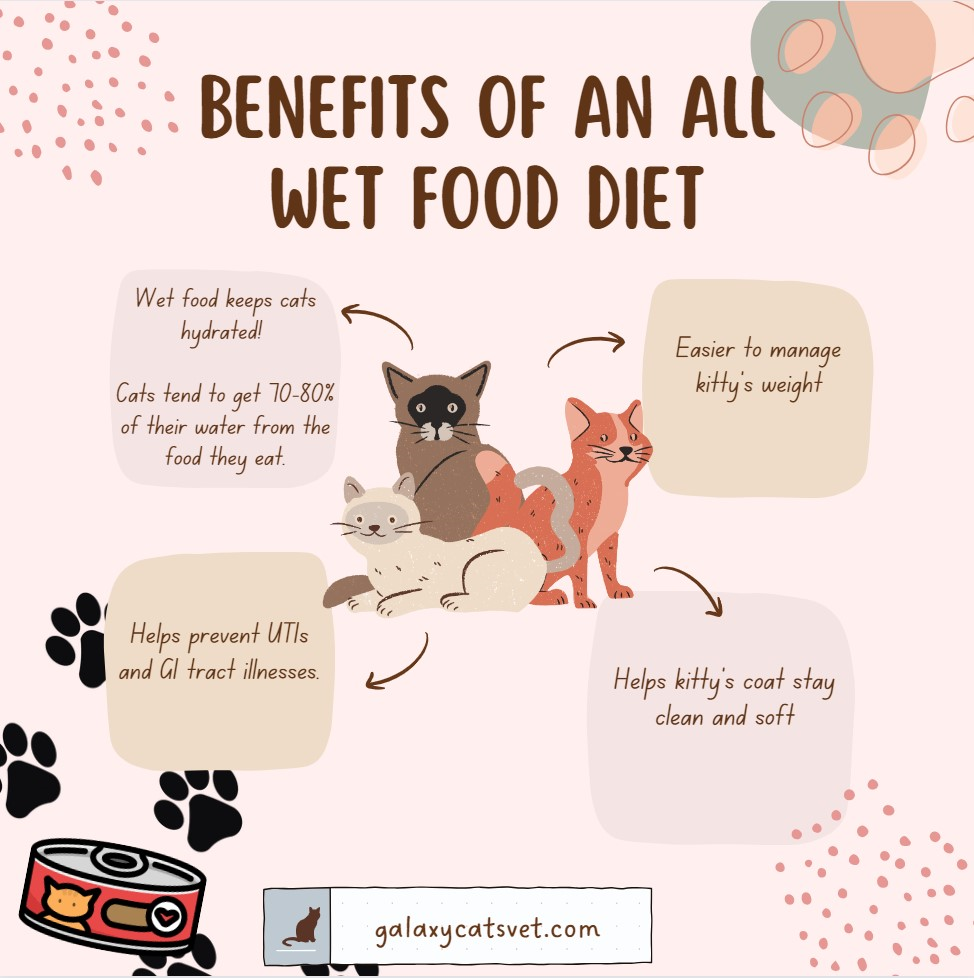
Dry cat food usually contains about 6% to 10% moisture. Wet food often contains around 70% to 80% water. This difference is large, even when the bowl looks full.
When your cat eats kibble, the food does not add much fluid to the body. Your cat may then drink soon after the meal to make up for that gap. Think of dry food as a sponge with most of its water removed. The body must find that water somewhere else.
A cat that eats only dry food may drink more than a cat that eats canned food. This can be normal, especially if:
• Your cat has always eaten dry food and always drinks this way.
• Your cat is bright, active, and maintaining a stable weight.
• Urination has not changed.
• There are no signs of vomiting, diarrhea, pain, or weakness.
Cats also have a naturally low thirst drive. Their wild ancestors gained much of their water from prey. Dry kibble does not match that natural moisture level, so some cats need to drink more from a bowl.
How dry cat food affects hydration
Water supports nearly every major body function. It helps regulate body temperature, move nutrients, remove waste, and keep the kidneys working properly.
Cats that eat dry food often receive less water from meals. They may increase their drinking, but not every cat fully replaces the missing moisture. This is one reason some veterinarians recommend adding wet food or other safe sources of water.
The amount your cat drinks can also vary with:
• Room temperature
• Exercise and activity
• Salt levels in the food
• Pregnancy or nursing
• Medications
• Age
• Kidney function
A healthy adult cat often needs about 50 milliliters of total water per kilogram of body weight each day. This includes water in food and water from the bowl. A 10-pound cat may need roughly 225 milliliters of total water daily, but the bowl amount can be much lower if the cat eats wet food.
These figures are estimates, not strict targets. Your cat’s size, diet, age, health, and climate all matter. Do not force water or restrict it without veterinary advice.

Normal thirst after eating kibble
Many cats drink shortly after eating dry food. This pattern is usually not worrying when it is mild, steady, and linked to meals.
For example, your cat may eat breakfast, visit the water bowl, and then nap. The same pattern may happen at dinner. If the behavior has stayed the same for months and your cat feels well, the dry diet is a likely reason.
Some cats also drink more when they eat salty treats or high-calorie foods. A new brand of kibble may have a different mineral or sodium level. Always check the food label and introduce diet changes slowly.
Normal thirst should not usually come with a large increase in urine. If your cat drains the bowl, wakes you to drink, or produces much larger clumps in the litter box, look more closely.

When increased drinking may signal a health problem
The question “why does my cat drink so much water after eating dry food?” deserves more attention when the behavior is new or intense. Several medical conditions can cause excessive thirst and urination.
Chronic kidney disease
The kidneys help conserve water and remove waste. In chronic kidney disease, the kidneys may lose some ability to concentrate urine. Your cat then urinates more and drinks more to replace the lost fluid.
Kidney disease becomes more common as cats age, but younger cats can also develop kidney problems. Early signs may be mild. Increased thirst, weight loss, poor appetite, vomiting, and a dull coat all deserve a veterinary check.
Diabetes mellitus
Diabetes affects the way the body uses glucose. When blood sugar stays high, the kidneys remove extra glucose through urine. Water follows that glucose, which can lead to frequent urination and strong thirst.
A cat with diabetes may also lose weight while eating well. Some cats seem hungrier than usual. Fast diagnosis and treatment can improve comfort and reduce the risk of serious complications.
Hyperthyroidism
An overactive thyroid can raise the body’s metabolic rate. Older cats may lose weight, act restless, eat more, vomit, or drink and urinate more often.
Hyperthyroidism can look like normal aging at first. A blood test can help identify it.
Urinary tract disease
Bladder inflammation, stones, or infection may change urination habits. Your cat may visit the litter box often, strain, cry, lick the genital area, or pass only small amounts.
A male cat that strains but cannot pass urine needs emergency care. A blocked urinary tract can become life-threatening within a short time.
Liver disease and other conditions
Liver disease, certain cancers, infections, and hormone disorders can also affect thirst. Some medicines, including corticosteroids and diuretics, may increase drinking.
This does not mean every thirsty cat has a serious illness. It means a persistent change should not be blamed on dry food alone.
How much water is too much for a cat?
There is no perfect number for every cat. A commonly used veterinary measure for excessive drinking is more than about 100 milliliters per kilogram of body weight per day. This includes all water your cat drinks from bowls, fountains, and other sources.
That amount is only a guide. A cat eating wet food may drink very little from the bowl but still receive plenty of water. A cat eating dry food may need more from the bowl.
Watch for changes rather than focusing only on one day. Signs of excessive drinking include:
• Refilling the water bowl much more often
• Drinking from sinks, toilets, or unusual places
• Larger or more frequent urine clumps
• Accidents outside the litter box
• Weight loss despite a normal appetite
• Vomiting or diarrhea
• Weakness, hiding, or confusion
• Dry or sticky gums
• A sudden change in drinking habits
If your cat drinks a little more on a hot day, that may be normal. If thirst remains high for several days, schedule a veterinary appointment.

How to measure your cat’s water intake
Measuring water can help you explain the change clearly to your veterinarian. It also helps you avoid guessing.
Use this simple method:
-
Measure the water you place in the bowl each morning.
-
Keep other water sources away if possible.
-
Measure what remains after 24 hours.
-
Record spills, fountain refills, and water added to food.
-
Note your cat’s food type, appetite, urine output, and behavior.
If you have more than one pet, measuring becomes harder. Give your cat a separate bowl for a day or use a camera to observe drinking. A water fountain may also hide the true amount unless you measure each refill.
Do not remove water overnight to test thirst. Cats must have free access to clean water. Restricting water can cause dehydration and may worsen kidney or urinary problems.
Ways to help a cat stay hydrated
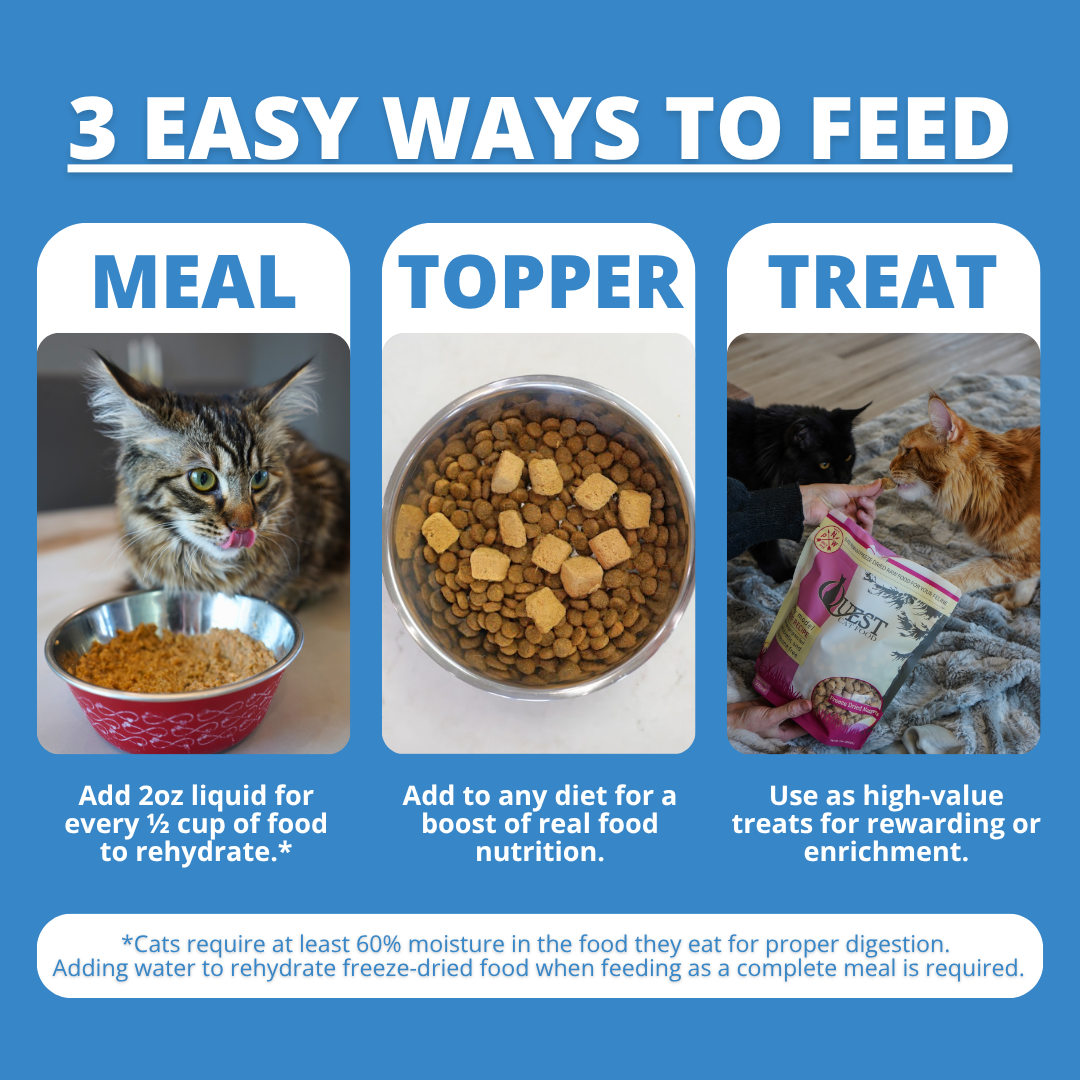
If dry food is the main reason your cat drinks more, small diet and water changes may help. Make changes slowly, especially if your cat is selective.
Try these safe options:
• Add wet food gradually. Start with a small spoonful beside the usual kibble.
• Mix a little warm water into dry food if your cat accepts the texture.
• Offer several water bowls around the home.
• Use wide, shallow bowls if your cat dislikes touching the sides with its whiskers.
• Wash bowls often and refill them with fresh water.
• Try a quiet water fountain if your cat enjoys moving water.
• Keep water away from litter boxes and strong-smelling food.
• Offer a small amount of plain tuna water with no added salt, onion, or garlic.
• Ask your veterinarian about a therapeutic hydration plan for kidney or urinary disease.
Some cats prefer ceramic or stainless steel bowls. Plastic can hold odors and may cause skin irritation in sensitive cats. Test one change at a time so you can learn what your cat prefers.
Never give broth, milk, sports drinks, or flavored drinks as a regular water source. Many contain salt, fat, sugar, onion, or garlic. These ingredients can harm cats.
Should you switch from dry food to wet food?
Wet food can increase water intake because it contains much more moisture. It may be useful for cats with kidney disease, urinary concerns, constipation, or a low natural thirst drive. However, a diet change should fit your cat’s health needs.
Choose a complete and balanced food made for your cat’s life stage. A label that says “complete and balanced” indicates that the food is designed to provide required nutrients when fed as directed.
Switch over seven to ten days:
-
Feed about 75% of the old food and 25% of the new food.
-
Keep that mix for a few days.
-
Move to a half-and-half mixture if your cat accepts it.
-
Increase the new food slowly.
-
Return to the last accepted mix if vomiting or diarrhea occurs.
Cats can reject sudden changes. They may also stop eating when stressed, and going without food can be dangerous, especially for overweight cats. Contact a veterinarian if your cat refuses food for about a day or sooner if the cat is ill.
Wet food is not automatically better for every cat. Calorie density, dental needs, allergies, urinary health, and medical conditions all matter. Your veterinarian can help choose the right diet.
What a veterinarian may check
When a cat drinks more than usual, the veterinarian may begin with a physical exam and detailed history. Bring notes about food, water, urine, appetite, weight, and medications.
Common tests may include:
• Complete blood count
• Blood chemistry panel
• Blood glucose
• Kidney values
• Thyroid testing
• Urinalysis
• Urine specific gravity
• Urine culture when infection is suspected
• Blood pressure measurement
These tests help separate normal diet-related thirst from kidney disease, diabetes, hyperthyroidism, and urinary problems. Sometimes repeat testing is needed because early disease may not appear clearly on one test.
Be honest about all supplements and medications. Even products that seem mild can affect thirst or urination. Your notes can save time and help the veterinarian see a pattern.
Mistakes to avoid when your cat drinks more
It is easy to assume that dry food explains every change. That assumption can delay care if the real cause is diabetes or kidney disease.
Avoid these common mistakes:
• Do not restrict water.
• Do not change food suddenly.
• Do not give human medicine.
• Do not ignore weight loss.
• Do not wait if your male cat strains to urinate.
• Do not rely only on how often you see your cat drink.
• Do not force water into the mouth unless a veterinarian instructs you.
One lesson I often share with cat owners is to watch the litter box as closely as the food bowl. Water intake and urine output are two sides of the same picture. A quick daily note can reveal a change before your cat looks visibly sick.
Frequently Asked Questions
Why does my cat drink so much water after eating dry food?
Dry food contains little moisture, so your cat may drink after a meal to replace some of the missing fluid. This is often normal when the pattern is mild, stable, and not linked to weight loss or excessive urination.
Is it normal for a cat to drink water after every dry-food meal?
Yes, many cats drink after eating kibble. Concern is more appropriate when the amount suddenly increases or your cat shows other signs such as frequent urination, vomiting, weakness, or weight loss.
Should I add water to my cat’s dry food?
You can try adding a small amount of warm water if your cat accepts it. Introduce the change slowly, remove uneaten food after a safe period, and ask your veterinarian for advice if your cat has a medical condition.
Can dry food cause kidney disease in cats?
Dry food alone does not proveably cause kidney disease. However, it provides far less moisture than wet food, and cats with kidney problems may benefit from a carefully planned diet and extra hydration under veterinary guidance.
How can I tell if my cat is drinking too much water?
Measure the water your cat drinks over 24 hours and watch for larger urine clumps. Drinking above roughly 100 milliliters per kilogram per day, or showing a clear change from normal, is a reason to speak with a veterinarian.
When should I take my cat to the vet for increased thirst?
Make an appointment if increased drinking lasts more than a few days or comes with increased urination, weight loss, appetite changes, vomiting, or low energy. Seek urgent care if your cat strains and cannot urinate, collapses, or seems severely ill.
Conclusion
Your cat may drink so much water after eating dry food because kibble contains very little moisture. Drinking after meals can be a normal way to balance hydration, but a sudden rise in thirst may signal diabetes, kidney disease, hyperthyroidism, or urinary trouble.
Measure your cat’s water intake, check litter box changes, and keep fresh water available at all times. If the pattern is new, strong, or paired with other symptoms, contact your veterinarian rather than assuming dry food is the only cause. Share this guide with another cat parent, and keep learning about the small signs that help protect your cat’s health.