Why Does My Cat Beg For Food After Eating: Causes & Fixes
Your cat may beg after eating because of habit, boredom, fast eating, food appeal, or an unmet medical need.
Understanding why your cat begs for food after eating can help you respond with care instead of frustration. Most cases are harmless, but a sudden change in appetite can also point to illness. This guide explains the common causes, warning signs, feeding tips, and safe next steps.
Why does my cat beg for food after eating?
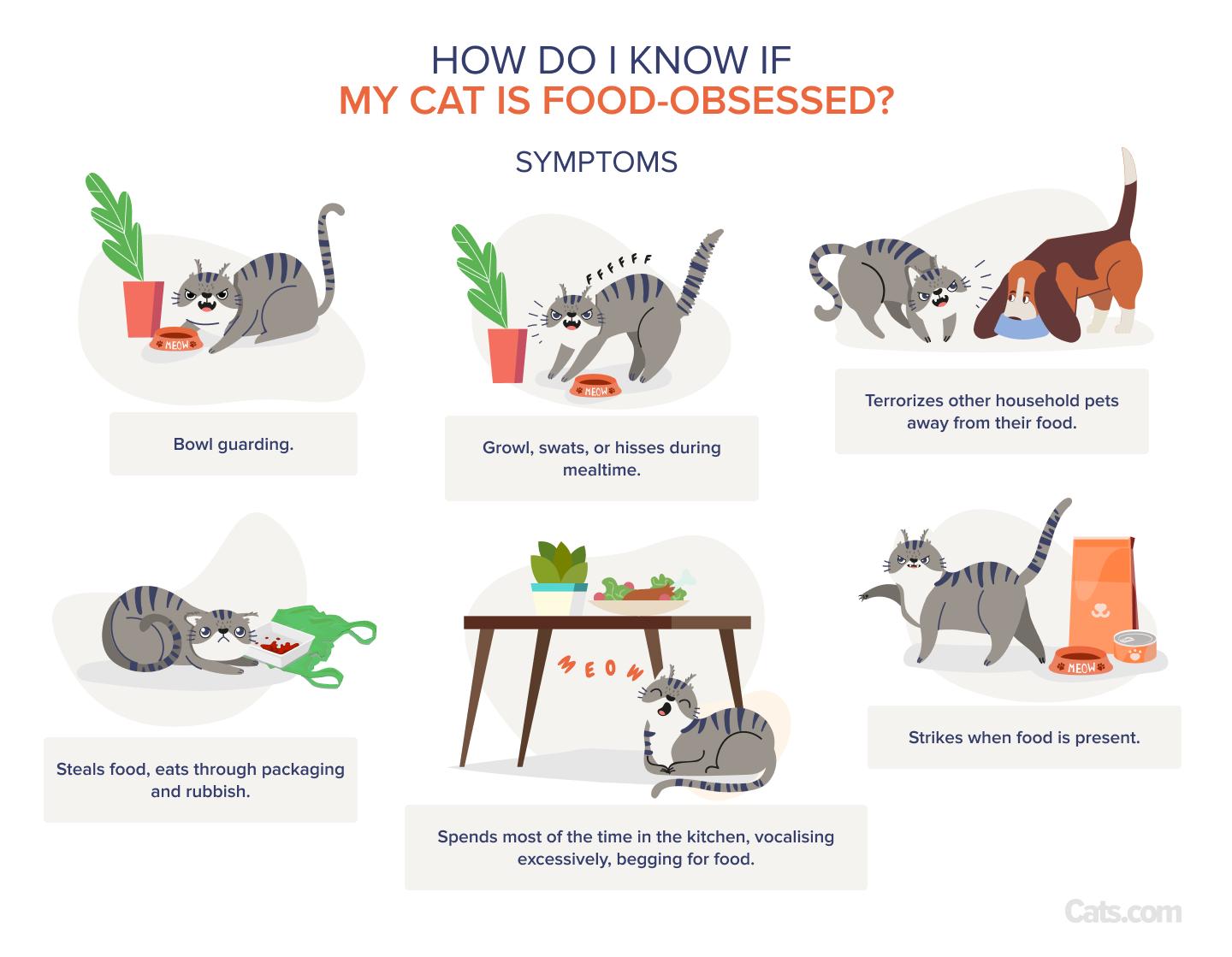
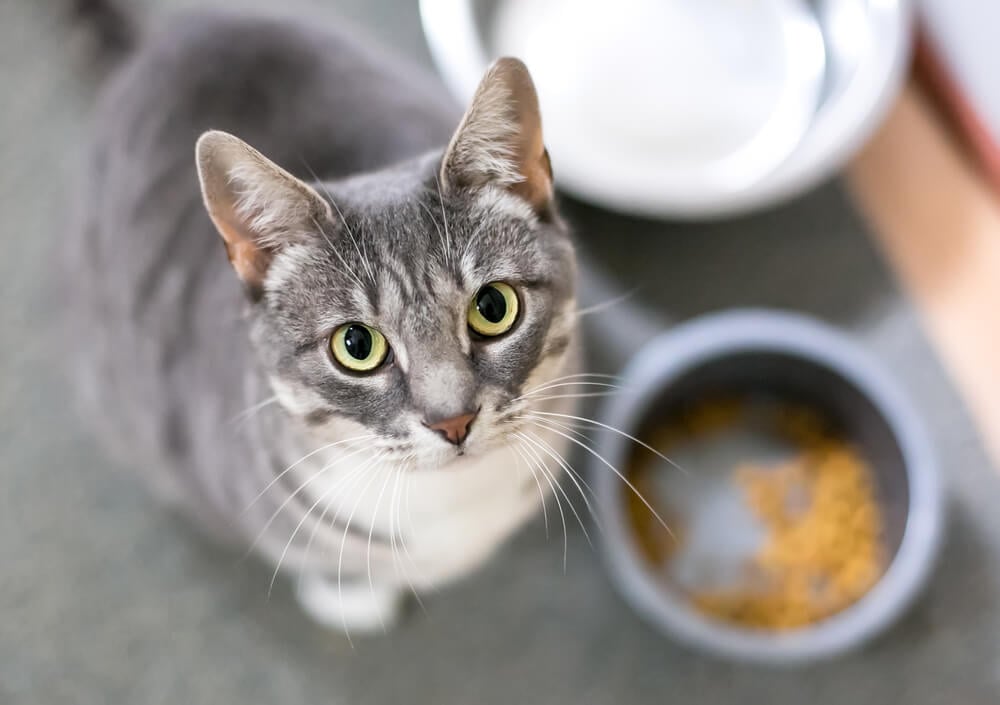
Cats may beg after a meal for many reasons. Hunger is only one possibility. Your cat may want attention, enjoy the taste of the food, or expect a treat because begging worked in the past.
Think of begging as a learned conversation. Your cat meows, stares, paws, or follows you. If food appears, your cat learns that this behavior gets a reward. Over time, the behavior can continue even when your cat has eaten enough.
Common reasons include:
• Your cat eats too fast and does not feel satisfied right away.
• The meal does not provide enough calories or protein.
• Your cat prefers the taste or texture of another food.
• Your cat has learned that begging earns treats.
• Boredom or stress is being mistaken for hunger.
• Another pet is eating part of the meal.
• A health problem is increasing appetite.
So, why does my cat beg for food after eating? The answer depends on your cat’s age, diet, routine, behavior, and health. Look for patterns instead of judging the behavior from one meal.

Common behavioral reasons for begging
Your cat has learned that begging works
Cats quickly connect actions with results. If you give a treat after a meow, your cat may meow more often next time. If you share food from your plate, your cat may begin to wait near the kitchen during every meal.
This does not mean your cat is being naughty. It means your cat is repeating a behavior that has been rewarded. Even occasional rewards can keep begging strong because your cat keeps hoping the next attempt will work.
To change this habit, reward calm behavior instead. Wait for a quiet moment, then offer attention, play, or a planned treat. Do not reward loud begging with food, since this can make the behavior harder to stop.
Your cat wants attention
Food begging can be a request for social time. Some cats learn that mealtime is the best way to bring their person close. Your cat may want petting, play, or a familiar routine.
Try offering a short play session after meals. A wand toy, puzzle toy, or gentle grooming session can meet the need without adding extra calories.
Your cat is bored
Indoor cats may beg because food is easy entertainment. A full bowl does not always provide enough mental activity. Cats are natural hunters, so they often enjoy searching, chasing, and working for small food rewards.
Add simple enrichment, such as:
• Food puzzles suited to your cat’s skill level
• A window perch for safe outdoor viewing
• Short play sessions several times a day
• Treats hidden in safe places
• Rotating toys instead of leaving every toy out
If boredom is the cause, you may notice begging during quiet parts of the day. More activity can reduce this pattern.
Your cat expects a routine
Cats are creatures of habit. Your cat may ask for food because the clock says it is usually treat time, even if dinner was served early. Begging can also happen when you open a cupboard, prepare your own meal, or walk near the food area.
A steady feeding schedule can help. Use measured meals at predictable times, and avoid changing the routine often.
Food-related reasons your cat begs after eating
Your cat eats too quickly
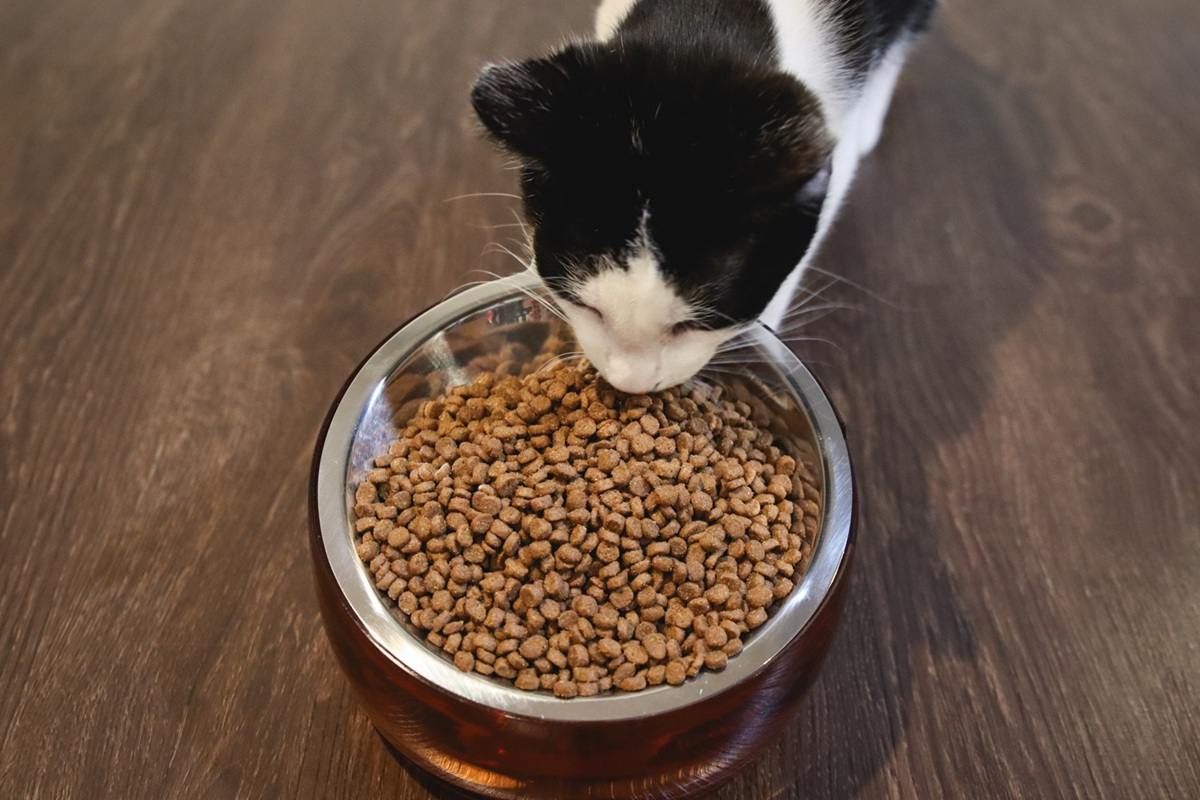
A cat that gulps food may finish before the brain has time to process the meal. This can make your cat act hungry soon after eating. Fast eating may also cause vomiting, stomach discomfort, or regurgitation.
Try dividing the daily amount into smaller meals. A slow feeder, lick mat, or food puzzle may also help. Always choose a product that is easy to clean and safe for cats.
If your cat eats wet food, spread it thinly on a flat plate. For dry food, a puzzle feeder can slow the meal and provide mental work.
The food is not filling enough
Two foods can look similar but provide different amounts of calories. A cat may eat a full bowl but still receive too few calories if the portions are small or the food is low in energy.
Check the feeding guide on the package, but treat it as a starting point. Calorie needs vary with age, size, activity, body condition, and health. Your veterinarian can help you estimate the right daily amount.
Look for a complete and balanced cat food made for your cat’s life stage. Growing kittens, adult cats, and senior cats may need different nutrient levels.
Your cat likes the taste
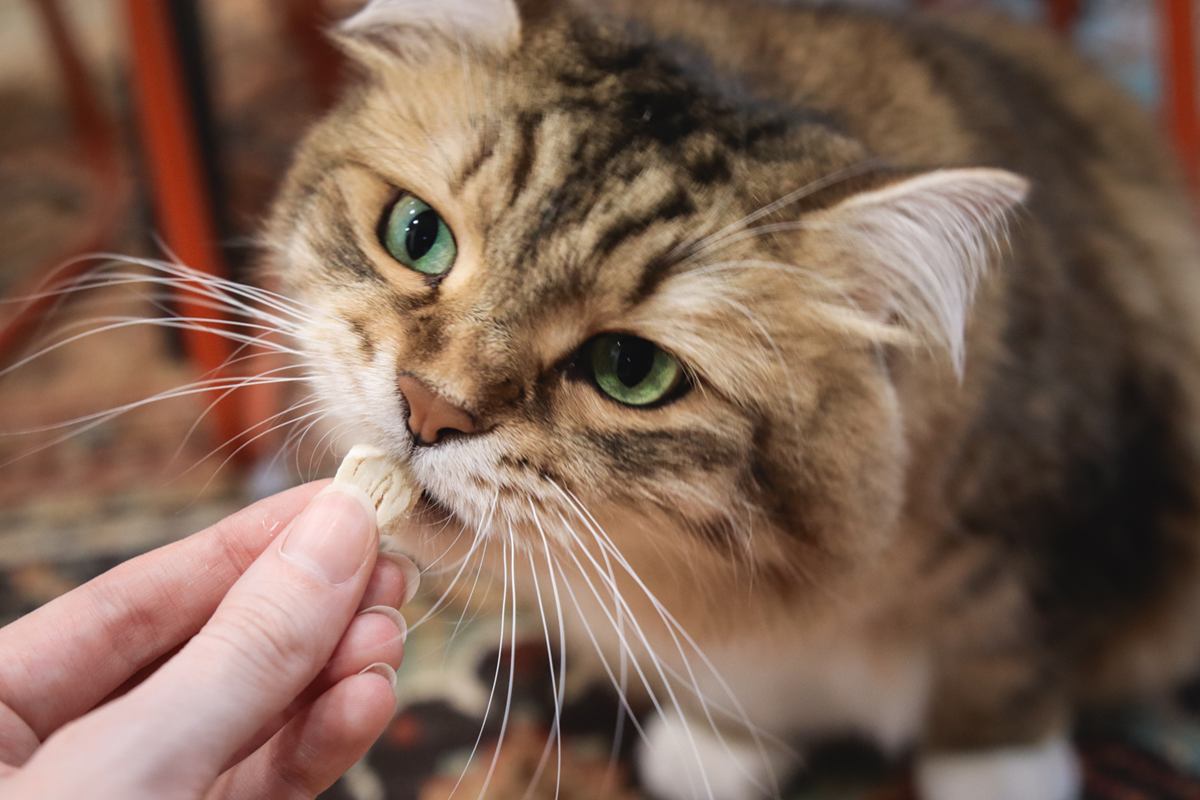
Some cats beg because another food smells better. A strong aroma, rich texture, or tasty treat can make a normal meal seem less exciting. This is common when cats receive table scraps or frequent snacks.
Avoid giving foods that may upset your cat or contain unsafe ingredients. Onions, garlic, alcohol, caffeine, chocolate, grapes, raisins, and some sweeteners can be dangerous for pets.
If treats are part of the routine, keep them small. Treats should usually make up no more than about 10% of a cat’s daily calories unless your veterinarian gives different advice.
Another pet may be eating the food
In homes with several pets, one cat may appear hungry because another animal is stealing food. This can happen quietly, especially when cats eat at different speeds.
Feed pets in separate areas when needed. Watch at least a few meals to confirm who eats what. Measured portions and regular weight checks can reveal a problem that begging alone cannot show.

Medical reasons a cat may beg for food
Sometimes, increased appetite is not a behavior problem. It can be a sign that your cat is not using nutrients normally or is losing energy through illness.
Medical causes may include:
• Hyperthyroidism, especially in older cats
• Diabetes mellitus
• Intestinal parasites
• Digestive disease or poor nutrient absorption
• Certain cancers
• Some medicines, including corticosteroids
• Recovery from illness or periods of poor nutrition
A cat with hyperthyroidism may eat more while losing weight. Diabetes can cause increased hunger along with increased thirst and urination. Parasites and digestive problems may lead to weight loss, loose stool, vomiting, or a dull coat.
This is why the question “why does my cat beg for food after eating?” should include a health check when the behavior is new, intense, or paired with other changes.
Do not place your cat on a strict diet without veterinary guidance. Cutting food too sharply can be dangerous, especially for overweight cats. Rapid weight loss may increase the risk of hepatic lipidosis, also called fatty liver disease.
Warning signs that need veterinary care
Contact your veterinarian if your cat suddenly becomes much more food-focused or seems unable to feel satisfied. A change that lasts more than a few days deserves attention, especially in an older cat.
Arrange a prompt veterinary visit if begging occurs with:
• Weight loss despite eating more
• Increased thirst or urination
• Vomiting or diarrhea
• A swollen belly
• Weakness, restlessness, or unusual vocal sounds
• Poor coat condition
• Increased hiding or irritability
• Changes in sleep or activity
• Trouble chewing or swallowing
Seek urgent care if your cat is very weak, has repeated vomiting, cannot keep water down, has difficulty breathing, or stops eating. Cats can become seriously ill after going without food, so appetite loss should not be ignored.
A veterinarian may check your cat’s weight, body condition, teeth, thyroid gland, blood glucose, stool, blood work, and urine. These tests help separate a habit from a medical problem.

How to tell whether your cat is truly hungry
Begging alone does not show how much food your cat needs. Body condition and weight trends give better clues.
A cat at a healthy body condition usually has:
• Ribs that you can feel under a thin layer of fat
• A visible waist when viewed from above
• A gentle tummy tuck from the side
• No heavy pad of fat hiding the ribs or waist
Your veterinarian can score body condition and help set a daily calorie goal. Weigh your cat every few weeks if possible. A baby scale works well for small cats, while a home scale can help with larger cats if your cat will sit calmly.
Keep a simple food diary for several days. Write down meals, treats, supplements, table scraps, and which family member gave them. This often reveals that a “hungry” cat is receiving more food than the household realizes.

Safe ways to reduce food begging
Measure every meal
Use a measuring cup or kitchen scale. Measuring by sight can lead to larger portions over time. Follow the total daily amount, then divide it into meals.
If several people feed your cat, create one shared plan. Mark each meal on a chart or use a feeding app. Automatic feeders can help with timing, but they do not replace portion control.
Offer smaller, regular meals
Many cats prefer several small meals rather than one or two large meals. You can divide the daily portion into three or four servings without increasing the total amount.
This may help a cat that begs because the stomach is empty between meals. It can also slow down a fast eater when used with a suitable feeder.
Ignore begging without ignoring your cat
Do not shout or punish your cat. This can increase stress and may damage trust. Instead, stay calm and avoid giving food while your cat is vocalizing.
When your cat is quiet, offer praise, play, or gentle attention. Be consistent. Begging may increase for a short time before it improves, because your cat is testing whether the old method still works.
Use play as a healthy reward
A few minutes of play can replace a treat. Try a toy that your cat can chase, pounce on, and catch. End the game by letting your cat “win,” since frustration can reduce interest.
Food puzzles can also turn eating into a hunting game. Start with an easy puzzle, then increase the challenge slowly.
Protect family meals
Do not feed your cat from your plate. Besides adding calories, human food can encourage persistent begging. Give your cat a planned meal or safe treat before you sit down, then keep the rule the same for everyone.

Mistakes to avoid when your cat begs for food
One common mistake is adding food without checking the daily total. A few treats may seem small, but they can add a large number of calories over a week.
Another mistake is changing foods too often. This can cause stomach upset and may teach your cat to reject a normal meal while waiting for something better. If a diet change is needed, make it gradual unless your veterinarian advises otherwise.
Avoid free-feeding if your cat overeats, gains weight, or lives with pets that steal food. Leaving food out all day makes it harder to track intake and may hide a growing appetite problem.
Do not assume that begging always means your cat is fine. A sudden change in appetite is useful information. Note when it began and whether thirst, urination, weight, stool, or activity also changed.
A practical lesson from everyday cat care is simple: solve the pattern, not just the meow. If food is the only response, the behavior often grows. If you check health, measure meals, add enrichment, and reward calm behavior, you address the real need.
A simple plan for the next seven days
Use this short plan to understand why your cat begs for food after eating:
-
Record every meal, treat, and table scrap.
-
Weigh your cat or note body condition.
-
Check whether another pet is taking food.
-
Divide the daily portion into smaller meals.
-
Use a slow feeder or puzzle feeder if your cat eats fast.
-
Add two or three short play sessions each day.
-
Reward quiet behavior instead of begging.
-
Watch for weight loss, thirst, vomiting, diarrhea, or other health signs.
-
Call your veterinarian if the appetite change is sudden, strong, or linked to illness.
This plan does not replace a veterinary exam. It simply gives you clear information and may improve a habit-based problem.
Frequently asked questions about why does my cat beg for food after eating
Why does my cat beg for food after eating if it is not hungry?
Your cat may beg because of habit, boredom, attention seeking, or the smell of appealing food. Fast eating can also make a cat act hungry before the meal has fully settled.
Should I feed my cat whenever it begs?
Usually, no. Feeding every time your cat begs can reinforce the behavior and may cause weight gain. Follow a measured meal plan and reward calm behavior with attention or play.
Can worms make a cat hungry all the time?
Intestinal parasites can affect nutrient absorption and may contribute to increased appetite, weight loss, diarrhea, or a poor coat. A veterinarian can test a stool sample and recommend safe treatment.
Why does my older cat beg for food after eating?
Older cats may beg because of habit, but increased appetite can also occur with hyperthyroidism, diabetes, or other health problems. Schedule a veterinary check if the change is new or comes with weight loss, thirst, or increased urination.
How can I slow down a cat that eats too fast and begs?
Divide the daily food into smaller meals and use a slow feeder, puzzle feeder, or flat plate. Make sure the feeder is safe, clean, and not so difficult that your cat becomes frustrated.
Is begging after meals a sign that my cat is not getting enough food?
Not always. Begging may reflect learned behavior rather than true hunger. Check your cat’s body condition, weight trend, food calories, and total daily intake with your veterinarian.
When should I worry about increased appetite in my cat?
Worry when the appetite change is sudden, persistent, or paired with weight loss, increased thirst, frequent urination, vomiting, diarrhea, weakness, or behavior changes. These signs call for veterinary advice.
Conclusion
Why does my cat beg for food after eating? In many cases, the cause is a learned habit, fast eating, boredom, attention seeking, or food that does not keep your cat satisfied. Still, a sudden increase in appetite can signal diabetes, hyperthyroidism, parasites, or another medical issue.
Measure meals, limit extra treats, add play and enrichment, and watch your cat’s weight and behavior. If you notice weight loss or other warning signs, contact your veterinarian rather than simply adding more food. Share your cat’s feeding pattern with your veterinary team, and keep exploring trusted resources to support a healthy, happy life for your companion.