Why Does My Kitten Prefer Adult Cat Food: Expert Answers
Kittens often prefer adult cat food because its taste, smell, texture, or novelty feels more appealing.
If you are wondering, “why does my kitten prefer adult cat food,” you are not alone. Many kittens ignore their growth formula and rush toward an adult cat’s bowl. This choice is usually about flavor, texture, smell, or curiosity—not proof that adult food meets a kitten’s special nutritional needs. Understanding the reason helps you guide your kitten toward a safer, balanced diet without turning mealtime into a battle.

Why does my kitten prefer adult cat food?
The most common reason is simple: your kitten finds adult food more exciting. Adult cat food may have a stronger smell, softer texture, richer flavor, or larger pieces that make it seem like a special treat.
Kittens also learn by copying. If your kitten sees an adult cat eating from another bowl, that food may appear more valuable. Cats are curious animals, and a different meal can feel like something worth investigating.
Some kittens prefer adult cat food because of these factors:
• The adult recipe smells stronger.
• The texture feels softer or easier to chew.
• The kibble shape is more appealing.
• The kitten has become bored with the same food.
• The adult cat receives food in a quieter or more private place.
• The kitten wants access to whatever another cat is eating.
• The kitten has learned that stealing food gets attention.
So, why does my kitten prefer adult cat food? In many homes, the answer is preference rather than need. Still, preference should not decide the whole diet during the rapid growth stage.
Kitten food and adult cat food are not the same
Kitten food is made for growth. Adult cat food is made for maintenance. These life stages have different nutritional demands.
Kittens grow bones, muscles, organs, and teeth at a fast rate. They also use a great deal of energy while playing and learning. A complete kitten diet usually provides more calories and carefully balanced levels of protein, fat, vitamins, and minerals.
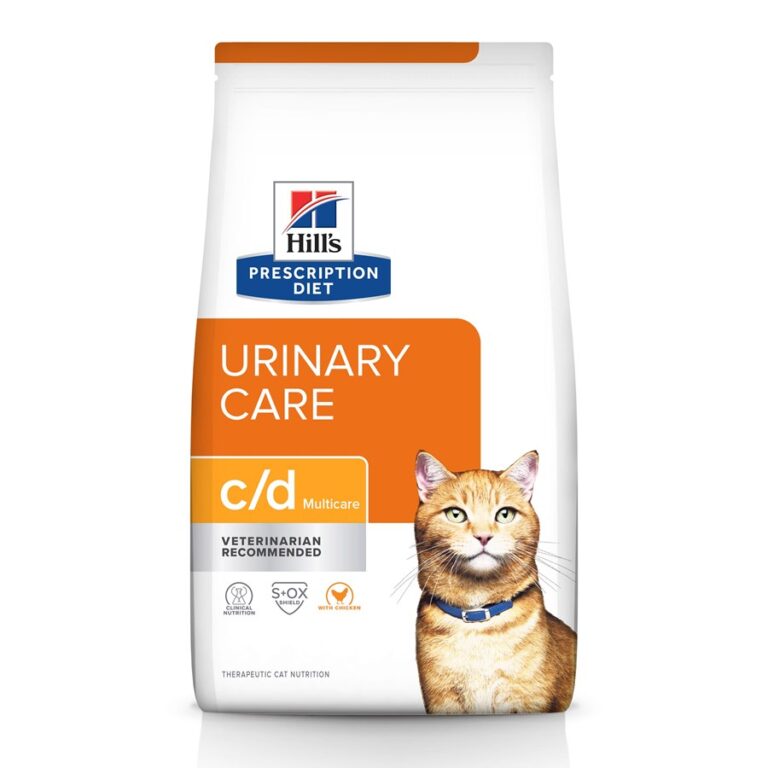
Look for a statement on the package that says the food is complete and balanced for “growth” or “all life stages.” In the United States, this wording relates to nutritional profiles set by the Association of American Feed Control Officials, often called AAFCO.
Adult maintenance food may not provide enough of certain nutrients for a growing kitten. A small bite now and then is usually not a crisis, but adult food should not replace a kitten’s main diet unless your veterinarian recommends it.
Important differences may include:
• Higher energy needs for growth.
• More protein to support developing muscles.
• Balanced calcium and phosphorus for bones and teeth.
• Essential fatty acids for brain and eye development.
• Nutrient levels suited to a young cat’s smaller body.
The exact formula varies by brand, so read the label rather than judging food by the word “premium” or by price. Marketing terms can sound impressive, but the nutritional adequacy statement matters more.

Why does my kitten prefer adult cat food but reject kitten food?
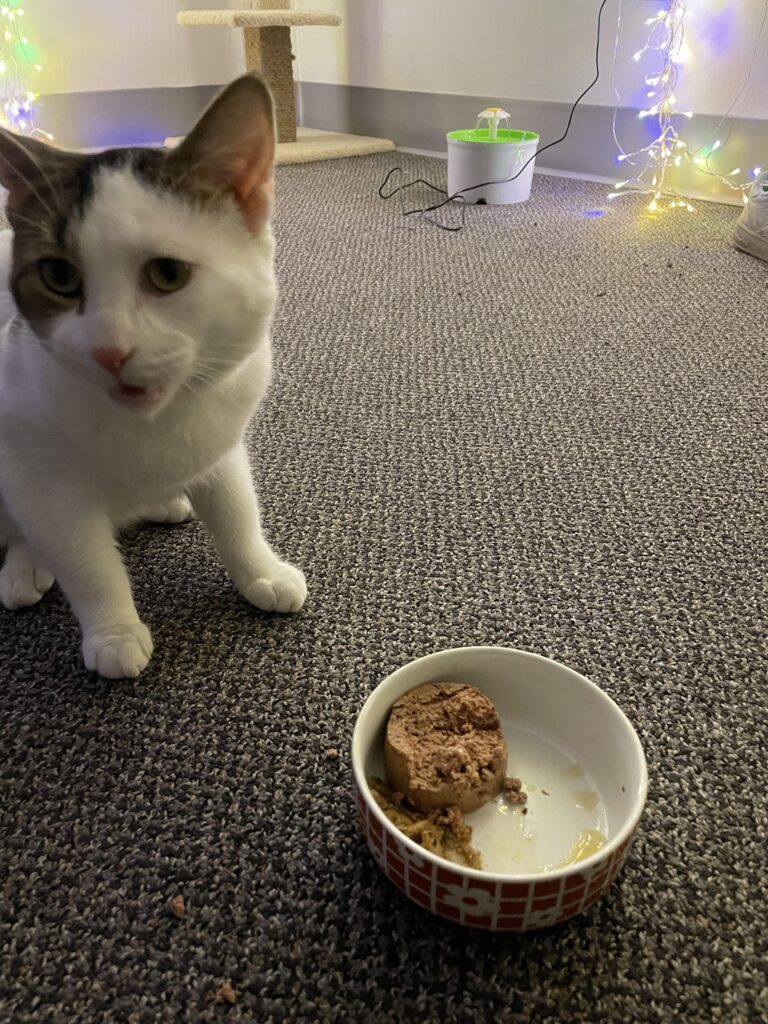
A kitten may reject its own food because it dislikes the recipe, not because kitten food is unhealthy. Cats can be very specific about smell and texture. One kitten may love pâté, while another prefers shreds, chunks, or dry kibble.
Temperature can also affect interest. Wet food straight from the refrigerator often smells less appealing. Gently warming it can release more aroma, but the food should feel lukewarm, never hot.
Other possible reasons include:
Stronger smell
Adult food may contain ingredients that produce a stronger aroma. Since cats rely heavily on smell, a more fragrant bowl can win the competition.
Different texture
Some kittens dislike sticky pâté but enjoy gravy. Others prefer crunchy pieces. Texture is often as important as flavor.
Food freshness
Dry food loses aroma when left open for long periods. Wet food can become dry or stale when it sits out. Fresh portions may make kitten food more attractive.
Too many treats
Treats, table scraps, or frequent food changes can teach a kitten to wait for something better. This is similar to a child refusing dinner after learning that dessert appears soon after.
Stress or illness
A sudden food preference can sometimes signal a health problem. Mouth pain, nausea, parasites, digestive upset, or congestion can change how food tastes and feels.
This is why does my kitten prefer adult cat food should not be treated as a purely behavioral question when the change is sudden. Watch your kitten’s appetite, energy, stool, weight, and water intake.
Is adult cat food bad for kittens?
Adult cat food is not automatically poisonous or dangerous to kittens. A few bites will usually cause no harm in a healthy kitten. The concern is repeated feeding or using adult maintenance food as the main diet.
A growing kitten may miss key nutrients if adult food supplies fewer calories or a different nutrient balance. Over time, this can affect healthy weight gain, muscle development, bones, and overall growth.
The risk depends on several details:
• The kitten’s age.
• The amount of adult food eaten.
• Whether the food is labeled for adult maintenance or all life stages.
• The kitten’s health and size.
• How much complete kitten food the kitten still eats.
A kitten that steals a spoonful from an adult cat’s bowl is usually fine. A kitten that refuses all kitten food and eats only adult food needs a closer look. Contact your veterinarian for advice, especially if the kitten is very young, underweight, tired, vomiting, or having diarrhea.

When can a kitten eat adult cat food?
Most kittens stay on a growth diet until they are about 12 months old. Some large or slow-maturing breeds may need kitten food longer. Your veterinarian can help you choose the right timing based on breed, body condition, growth rate, and health.
Do not switch only because your kitten seems interested in adult food. Interest does not show that the kitten’s nutritional needs have changed.
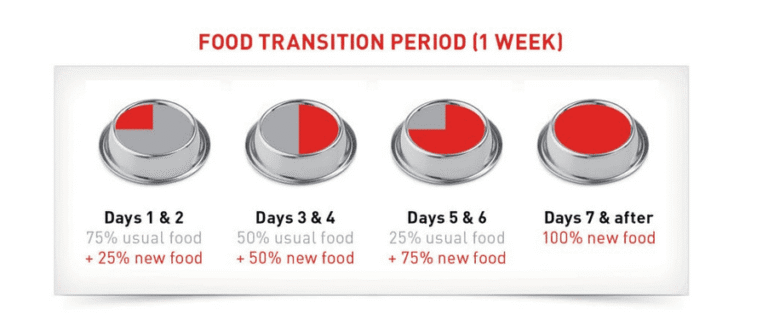
A gradual change is usually easier on the stomach:
-
Feed mostly kitten food at first.
-
Add a small amount of the new food.
-
Increase the new food slowly over about seven days.
-
Reduce the old food as the new food increases.
-
Watch for vomiting, loose stool, gas, or reduced appetite.
If your kitten eats adult food by accident, return to the normal meal at the next feeding. Avoid punishment. Cats do not understand food rules in the same way people do, and scolding can make mealtime stressful.
How to stop a kitten from eating adult cat food
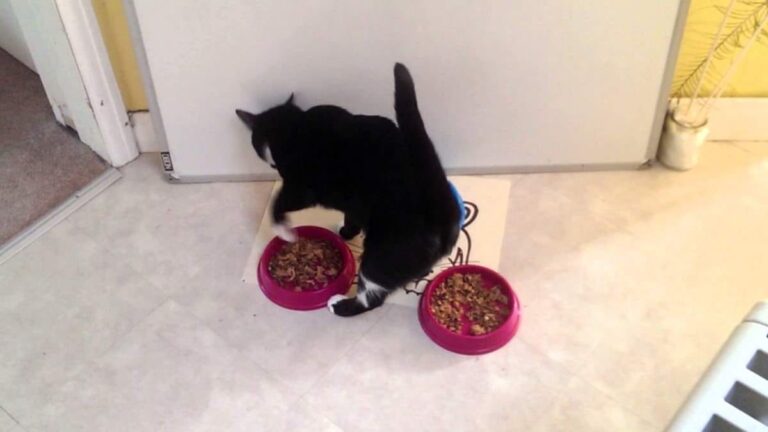
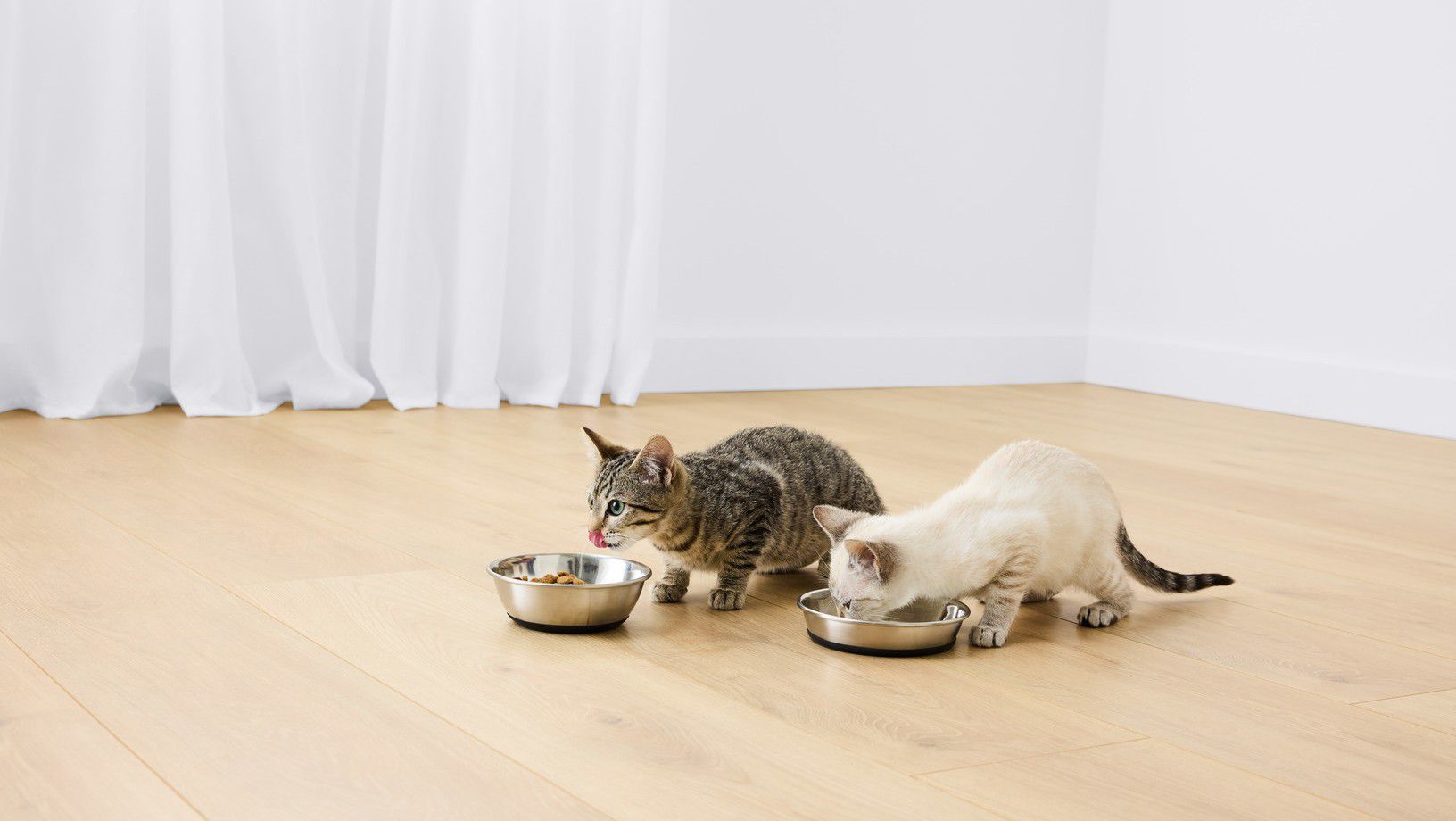
The best solution is to manage access. In a home with several cats, separate feeding areas are often more useful than trying to teach a kitten to ignore a tempting bowl.
Try these practical steps:
• Feed the kitten in a quiet room.
• Feed the adult cat in a separate room.
• Pick up bowls after meals.
• Use timed feeders with microchip access if needed.
• Give each cat the correct portion.
• Avoid leaving adult food out all day.
• Offer kitten food before the adult cat begins eating.
• Praise calm eating without making a dramatic fuss.
A slow feeder or puzzle feeder can also make kitten meals more interesting. Use one that is easy to clean and not so difficult that the kitten gives up.
If the kitten likes adult wet food, ask your veterinarian whether an all-life-stages food can meet the kitten’s needs. Never assume that mixing random foods will create a balanced diet.
How to make kitten food more appealing
When people ask why does my kitten prefer adult cat food, I often recommend improving the kitten’s meal before changing it completely. Small changes can make a big difference.
Start with the basics:
• Serve fresh food in a clean, shallow dish.
• Warm wet food slightly to increase its smell.
• Try a different kitten-approved texture.
• Offer small meals several times a day.
• Keep the feeding area away from litter boxes.
• Reduce loud noise and sudden movement nearby.
• Store dry food in an airtight container.
• Change foods slowly rather than switching overnight.
You can also try adding a small amount of warm water to dry kitten food. This may soften the pieces and release aroma. Do not leave moistened food out for long, since bacteria can grow more quickly.
Avoid using milk, oily meat, salty broth, or table scraps to tempt your kitten. Many human foods are too rich, and some ingredients, such as onions, garlic, grapes, raisins, chocolate, and xylitol, can be dangerous to cats.

A simple feeding plan for a picky kitten
A routine can help your kitten learn that its own bowl is a safe and reliable place to eat. Young kittens often do well with several small meals rather than one or two large meals.
A general plan may look like this:
• Offer three or four measured meals each day for young kittens.
• Follow the feeding amount on the kitten food label as a starting point.
• Adjust portions based on body condition and veterinary advice.
• Keep fresh water available at all times.
• Weigh the kitten regularly during growth.
• Record appetite, stool quality, and weight changes.
Do not force food into a kitten’s mouth. This can create fear and may cause food aversion. Instead, offer the meal for a short period, remove it, and try again later.
A kitten should gain weight steadily. The exact rate varies by breed and age, so a home scale and regular veterinary checks are helpful. Your veterinarian can show you how to assess body condition by feeling the ribs and looking at the waist.
Why does my kitten prefer adult cat food after a food change?
Food changes can create confusion. If a kitten has eaten several recipes in a short time, it may begin waiting for the most appealing option. It may also develop loose stool because the digestive system needs time to adjust.
A sudden switch can cause:
• Soft stool or diarrhea.
• Gas.
• Vomiting.
• Reduced appetite.
• Refusal of the familiar food.
Make one change at a time. If you want to try a new kitten recipe, keep the same life-stage formula and change gradually. This makes it easier to identify which food your kitten likes and which food causes a problem.
Keep a short food diary. Write down the brand, recipe, amount, treats, and symptoms. This simple record can help you and your veterinarian spot patterns.
When food preference may signal a health problem
A kitten that prefers adult cat food is often healthy and simply selective. However, appetite changes deserve attention because kittens can become unwell quickly.
Call a veterinarian promptly if your kitten:
• Refuses all food.
• Eats much less than usual.
• Has repeated vomiting or diarrhea.
• Seems weak, sleepy, or withdrawn.
• Has trouble chewing or drools.
• Loses weight or fails to gain weight.
• Has a swollen belly.
• Shows pale gums or breathing problems.
Very young kittens need special care because they have limited energy reserves. Do not wait several days if a young kitten stops eating. Ask a veterinary professional for advice about the right response.
Dental pain can also affect food choice. A kitten may choose soft adult food because crunchy pieces hurt, or it may prefer one shape because it is easier to chew. A veterinary exam can identify mouth problems that are hard to see at home.
Common mistakes to avoid
One common mistake is allowing the adult cat’s bowl to remain full all day. Free feeding makes it nearly impossible to know what the kitten has eaten. It can also lead to overeating and weight gain in the adult cat.
Another mistake is changing food too often. Variety may sound helpful, but constant changes can upset digestion and make picky behavior stronger.
Avoid these habits:
• Replacing kitten food with adult food without checking the label.
• Using treats to make up most of the daily calories.
• Offering many foods at once.
• Ignoring weight and stool changes.
• Chasing or forcing the kitten during meals.
• Assuming a high price means a food is right for growth.
The goal is not to win a food contest. The goal is to provide complete nutrition in a calm, predictable way.
What nutrition experts recommend
Veterinary nutrition guidance generally emphasizes life-stage diets that are complete and balanced. For kittens, that means food designed for growth or for all life stages, with feeding amounts adjusted as the kitten develops.
Package labels are useful, but they are not a substitute for veterinary care. Feeding directions are averages. A playful, active kitten may need a different amount from a quiet kitten of the same age.
A qualified veterinarian can help with:
• Choosing a suitable kitten food.
• Checking body condition.
• Creating a feeding schedule.
• Managing multiple-cat households.
• Identifying food allergies or digestive problems.
• Deciding when to move to adult maintenance food.
Research and guidance from veterinary nutrition groups support a balanced diet rather than relying on a single ingredient or trend. Cats need the right nutrients in the right amounts, not simply food that smells appealing.
Why does my kitten prefer adult cat food in a multi-cat home?
Multi-cat homes create strong competition. An adult cat may eat in a calm spot, receive more attention, or have a food bowl that seems more private. The kitten may want the food because it belongs to the older cat.
Try feeding cats in separate rooms with closed doors. Give them enough time to finish, then remove the bowls. If one cat eats slowly, a microchip feeder can protect that cat’s meal.
Keep the kitten’s food area comfortable. A wide, low dish may help prevent whisker contact, and a quiet corner may reduce stress. Some cats dislike eating near other pets, busy walkways, or noisy appliances.
The answer to why does my kitten prefer adult cat food may be less about the food itself and more about the setting. Change the environment, and the preference may fade.
Frequently Asked Questions
Can kittens eat adult cat food occasionally?
Yes, a few bites of adult cat food are usually safe for a healthy kitten. However, adult maintenance food should not replace a complete kitten or all-life-stages diet during growth.
Why does my kitten prefer adult cat food to kitten food?
Adult cat food may have a stronger smell, different texture, or more appealing flavor. Curiosity, competition, boredom, and easy access can also explain why does my kitten prefer adult cat food.
What should I do if my kitten refuses kitten food?
Try a fresh serving, a different kitten-approved texture, or slightly warmed wet food. If your kitten refuses all food, loses weight, vomits, or seems unwell, contact a veterinarian quickly.
Can adult cat food stunt a kitten’s growth?
Long-term feeding of adult maintenance food may fail to meet a kitten’s growth needs. It may provide an unsuitable balance of calories, protein, vitamins, or minerals, so use a diet labeled for growth or all life stages.
When should I switch my kitten to adult cat food?
Many kittens switch at around 12 months, but large breeds may need growth food longer. Ask your veterinarian to base the change on your cat’s breed, size, body condition, and development.
Is all-life-stages cat food suitable for kittens?
A food labeled complete and balanced for all life stages is generally designed to meet growth needs. Follow the kitten feeding directions, since the correct portion for growth may differ from the adult portion.
Should I punish my kitten for eating adult cat food?
No. Punishment can create fear and make feeding problems worse. Separate the cats, remove access to the adult bowl, and make the kitten’s feeding area calm and appealing.
Conclusion
Why does my kitten prefer adult cat food? Most often, the adult recipe smells better, feels different, or seems more exciting. A few bites are rarely a concern, but a kitten should mainly eat food labeled complete and balanced for growth or all life stages.
Use separate bowls, measured meals, gradual food changes, and regular weight checks. If appetite drops or illness signs appear, contact your veterinarian rather than waiting. With a calm routine and the right nutrition, your kitten can grow strong while still enjoying safe food choices. Share your kitten’s food habits in the comments or explore more trusted kitten-care resources for your next step.