Why Prescription Cat Food Requires A Prescription: Vet Tips
Prescription cat food requires veterinary oversight because its formula can change a cat’s health.
Many cat owners are surprised when a store will not sell a certain diet without approval from a veterinarian. The reason is not simply marketing. Prescription cat food is made for specific medical needs, so understanding why does prescription cat food require a prescription can help you protect your cat, avoid unsafe diet changes, and work more confidently with your veterinary team.
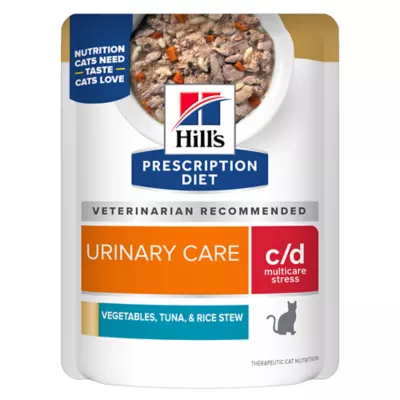
What Is Prescription Cat Food?
Prescription cat food is a therapeutic diet designed to support the treatment or management of a diagnosed health problem. It may contain carefully adjusted levels of protein, minerals, fat, fiber, calories, or specific nutrients.
Examples include diets made for:
• Chronic kidney disease
• Urinary crystals or bladder stones
• Food allergies and food sensitivities
• Diabetes
• Obesity
• Digestive disease
• Liver disease
• Recovery after illness or surgery
These foods look like regular canned or dry cat food, but their formulas can be very different. A small change in phosphorus, magnesium, sodium, or protein may matter greatly to a sick cat.
It is also important to understand that “prescription diet” does not always mean the food is a prescription drug under federal law. In the United States, many therapeutic diets are regulated as animal food, while the manufacturer requires veterinary authorization because the food is intended for a medical purpose.
That difference explains some of the confusion around why does prescription cat food require a prescription. The veterinary approval helps ensure that the diet is used for the right cat, for the right condition, and for the right amount of time.
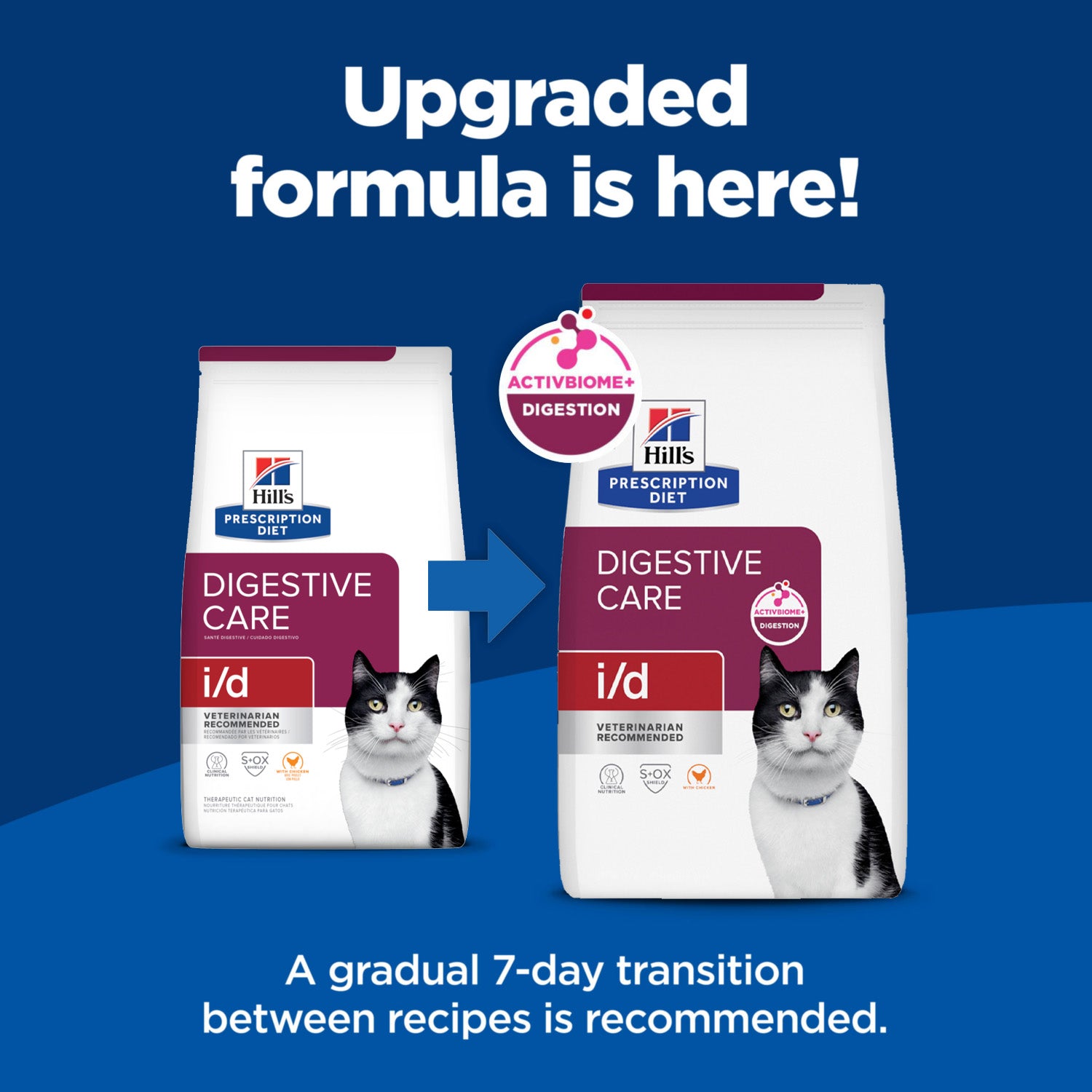
Why Does Prescription Cat Food Require a Prescription?
The main reason is safety. A therapeutic diet can help one cat but harm another if it is used for the wrong condition.
For example, a kidney diet usually has controlled phosphorus and adjusted protein. This may help a cat with chronic kidney disease. However, it may not be the best choice for a healthy kitten, a pregnant cat, or a cat with a different illness that needs more protein.
Here are the main reasons why does prescription cat food require a prescription:
The diet targets a medical condition
Prescription diets are not created as general wellness foods. They are designed around a health goal, such as lowering urine mineral levels or reducing the workload on damaged kidneys.
The wrong formula can delay proper treatment
A cat that stops eating, loses weight, vomits, or drinks more water may have many possible causes. Giving a therapeutic diet without testing may hide symptoms while the real disease gets worse.
Cats have different nutritional needs
Age, weight, activity, pregnancy, kidney function, liver health, and other factors all affect nutrition. A diet that is suitable for an adult cat may not meet the needs of a growing kitten.
A veterinarian must monitor progress
Some diets require follow up blood tests, urine tests, weight checks, or blood pressure checks. The diet may need to change as the cat improves or as the disease progresses.
The formula may have powerful effects
A urinary diet may change urine acidity and mineral balance. A weight management diet may lower calories. A renal diet may reduce phosphorus. These effects are useful when guided by a veterinarian but may be unsuitable without a diagnosis.
Think of prescription cat food as part of a treatment plan. It is not a magic cure, but it can act like a daily tool that supports the rest of the care plan.

How Prescription Cat Food Differs From Regular Cat Food
Regular cat food is made for healthy cats at different life stages. It must meet established nutritional standards for growth, reproduction, or adult maintenance.
Prescription cat food is made with a more specific medical purpose. It may still be complete and balanced, but its nutrient levels are often adjusted beyond what is needed for a healthy cat.
For example:
• A kidney support diet may contain less phosphorus and a controlled amount of high quality protein.
• A urinary care diet may promote urine dilution and manage selected minerals.
• A hydrolyzed protein diet may use proteins broken into smaller parts for cats with suspected food reactions.
• A weight loss diet may provide fewer calories while maintaining key nutrients.
• A gastrointestinal diet may use highly digestible ingredients and carefully selected levels of fat and fiber.
The label may also include feeding instructions that differ from ordinary food. Some diets work best when fed as the only food. Adding treats, table scraps, or another type of food may reduce the intended effect.
This is another important part of why does prescription cat food require a prescription. The diet’s benefit depends on using it correctly, not merely buying a bag with a medical sounding name.

Common Medical Reasons a Cat May Need a Prescription Diet
Kidney disease
Chronic kidney disease is common in older cats. A therapeutic kidney diet often limits phosphorus and provides nutrients that support energy and body condition.
The goal is not to “cure” kidney disease. Instead, the diet may help reduce nutritional stress and support quality of life. Your veterinarian may recommend blood work and urine tests to track kidney function.
Urinary problems
Some cats develop bladder stones, crystals, inflammation, or repeated urinary blockages. A urinary diet may help increase water intake, change urine concentration, or manage certain minerals.
Not every urinary problem needs the same food. A diet for one type of stone may not be correct for another. A male cat that strains and cannot urinate needs emergency care, not a food change.
Food allergy or food intolerance
A veterinarian may suggest a limited ingredient or hydrolyzed protein diet when food allergy is suspected. During a food trial, the cat usually must eat only the selected diet for a set period.
Even flavored treats, supplements, and table food can interfere with the trial. This is a common mistake because small extras may seem harmless.
Diabetes
Some diabetic cats benefit from a diet that supports a healthy body weight and provides an appropriate amount of carbohydrate. However, diet changes can affect blood glucose and insulin needs.
Never change a diabetic cat’s food or insulin dose without veterinary advice. A sudden change can increase the risk of dangerously low blood sugar.
Obesity
Weight management diets may provide fewer calories while helping the cat feel full. The feeding amount still matters. Even a weight control food can cause weight gain if the portions are too large.
A safe plan usually includes a target weight, a gradual weight loss rate, and regular weigh ins. Rapid weight loss can increase the risk of serious liver disease in cats.
Digestive disease
Some cats with vomiting, diarrhea, or poor digestion may benefit from a highly digestible diet. Others may need a fiber adjusted diet, a novel protein, or a completely different treatment.
Digestive symptoms can come from parasites, infections, pancreatitis, inflammatory disease, cancer, or other causes. Food alone is not a substitute for diagnosis.

What Happens Before a Veterinarian Recommends It?
Your veterinarian may begin with a physical exam and questions about your cat’s appetite, thirst, litter box habits, weight, and energy.
Depending on the symptoms, testing may include:
• Blood work
• Urinalysis
• Fecal testing
• X rays
• Ultrasound
• Blood pressure measurement
• A controlled food trial
The veterinarian then matches the diet to the suspected or confirmed problem. This step helps answer why does prescription cat food require a prescription in a practical way: the food is selected based on evidence, not guesswork.
A good veterinary visit should also cover how much to feed, how to introduce the food, what treats are allowed, and when to return for testing. Ask these questions if they are not discussed.
It is reasonable to ask whether the diet is needed for life or only for a short trial. Some cats need long term therapeutic nutrition. Others can return to a regular complete and balanced diet after recovery.
Are Prescription Cat Foods Safe for Every Cat?
No. A prescription diet can be safe when it matches the cat’s condition and is used as directed. It is not automatically safe for every cat simply because it is sold by a veterinary brand.
Possible concerns include:
• Nutrient levels that are unsuitable for a growing kitten
• Too few or too many calories for a specific cat
• A formula that does not match the type of urinary issue
• Reduced appetite because the cat dislikes the taste
• Interactions with another medical condition
• Weight loss that happens too quickly
• Delayed treatment when food is used instead of testing
Some therapeutic diets are safe for long term use, while others may be intended for a specific period. Read the feeding instructions and follow the veterinarian’s plan.
Cats also need enough calories. A perfect prescription diet is not helpful if the cat refuses to eat it. Cats that stop eating can develop hepatic lipidosis, a serious liver condition. Call your veterinarian if your cat refuses food, especially if the cat is overweight or already ill.
Why You Should Not Share Prescription Cat Food
It may seem harmless to give one cat the same food prescribed for another. After all, both cats are in the same home and may even be the same age.
However, their medical needs can differ. One cat may have kidney disease, while another has urinary inflammation or diabetes. The diets may look similar but work in very different ways.
Sharing food can also make it harder to know whether the treatment is working. If several cats eat from the same bowl, you may not know how much the sick cat consumed.
Helpful steps include:
- Feed cats in separate rooms when needed.
- Remove bowls after meals.
- Use microchip feeders for cats that steal food.
- Keep prescription food in its original package.
- Record daily food intake if your veterinarian requests it.
This simple routine can prevent many treatment problems. It also gives your veterinary team more accurate information during follow up visits.
How to Transition a Cat to Prescription Food
Many cats dislike sudden food changes. A slow transition can improve acceptance and reduce digestive upset.
A common approach is:
- Feed mostly the old food with a small amount of the new food.
- Increase the new food gradually over several days.
- Watch for vomiting, diarrhea, refusal to eat, or worsening symptoms.
- Keep meals calm and offer food in a clean, quiet space.
- Ask about a canned version if your cat refuses dry food, or vice versa.
Some cats need a slower transition over two weeks or longer. The right pace depends on the illness and your veterinarian’s instructions.
Do not let a cat go without food just because you are trying to force a new diet. If your cat refuses the food, contact the veterinary clinic. The team may suggest another flavor, texture, brand, or feeding method.
A practical lesson many cat owners learn is that texture can matter as much as flavor. A cat that rejects pate may accept chunks in gravy. Warming wet food slightly can also make its smell more appealing, but avoid overheating it.
What If You Cannot Afford Prescription Cat Food?
Therapeutic diets can cost more than standard cat food. Cost concerns are common, and your veterinarian may be able to offer realistic options.
Ask about:
• A less expensive approved formula
• Dry food instead of wet food, or a combination
• Safe homemade additions, if any
• Portion control to reduce waste
• Manufacturer coupons or veterinary programs
• A regular diet that may be suitable after recovery
• Local clinics or assistance programs
Do not replace the diet with a homemade recipe found online without professional guidance. Cats need specific nutrients, including taurine, arachidonic acid, vitamin A, and balanced minerals. A recipe can appear healthy while causing a serious deficiency.
In some cases, a nonprescription diet may be acceptable. In others, it may not provide the medical benefit needed. Your veterinarian can explain the tradeoffs and help you choose a plan that fits both your cat’s health and your budget.
What the Prescription Requirement Does Not Mean
The prescription requirement does not mean that every therapeutic diet is dangerous. It also does not mean that the food contains medication in the same way a tablet or injection does.
Instead, the requirement creates a safety check. It encourages a diagnosis, proper selection, and follow up.
It also does not mean that a cat must eat the same prescription food forever. The treatment period depends on the condition. A cat recovering from a digestive illness may need a special diet for a short time, while a cat with chronic kidney disease may benefit from long term nutritional support.
The rules can vary by manufacturer, retailer, and state. Some online stores may contact your veterinarian for approval. If a product is sold without a prescription, that does not prove it is suitable for your cat.
This nuance is central to why does prescription cat food require a prescription. The label and sales process are designed to encourage veterinary supervision, even though the product itself may legally be classified as food.
Mistakes to Avoid With Prescription Cat Food
The most common problems are often simple and preventable.
• Starting the diet without confirming the diagnosis
• Mixing too much regular food with the therapeutic food
• Giving unapproved treats during a food trial
• Changing insulin after changing food without veterinary advice
• Ignoring a cat that stops eating
• Assuming one urinary diet treats every urinary condition
• Feeding the wrong amount
• Failing to return for blood or urine testing
• Buying an old or damaged package
• Switching brands without asking the veterinarian
Keep a note of the food name, daily amount, start date, symptoms, and weight. This information can help your veterinarian decide whether the plan is working.
If your cat has trouble breathing, collapses, repeatedly vomits, strains without producing urine, or becomes very weak, seek urgent veterinary care. Food should never delay emergency treatment.
How Much Evidence Supports Therapeutic Diets?
The evidence depends on the diet and the condition. Veterinary nutrition research supports the use of targeted diets for several problems, including some forms of chronic kidney disease, urinary stone management, obesity, and food allergy trials.
However, no diet works for every cat. Studies may involve a limited number of animals, and commercial formulas can change over time. Cats also respond as individuals.
A trustworthy plan considers the whole cat. It includes symptoms, test results, body condition, appetite, stress, medications, and lifestyle. Your veterinarian should be able to explain the goal of the food in plain language.
When reading online claims, be cautious with phrases such as “detox,” “cures kidney disease,” or “works for all urinary problems.” Therapeutic nutrition can support treatment, but it is rarely a stand alone cure.
Frequently Asked Questions About Why Does Prescription Cat Food Require a Prescription
Can I buy prescription cat food without seeing a veterinarian?
Some retailers may require direct approval from your veterinarian before shipping the food. Even when a store sells a similar product freely, you should ask a veterinarian before feeding it for a medical condition.
Is prescription cat food actually medicine?
Usually, prescription cat food is classified as animal food rather than a prescription drug. It is called prescription food because it is designed for therapeutic use and should be selected with veterinary guidance.
Can a healthy cat eat prescription cat food?
A healthy adult cat may not be harmed by a short amount of some formulas, but routine use is not automatically appropriate. Kittens, pregnant cats, and cats with other illnesses may have different nutritional needs.
Does a cat need prescription food for life?
Not always. Some cats need it for a short treatment period, while others may need long term nutritional support for chronic disease. Your veterinarian can decide when, or if, a diet change is safe.
What should I do if my cat refuses prescription food?
Call your veterinarian instead of allowing your cat to stop eating. The clinic may recommend a slow transition, another texture, a different formula, or a separate treatment plan.
Can I mix prescription food with regular cat food?
Mixing foods may reduce the intended medical effect, especially during a food trial or urinary treatment plan. Ask your veterinarian whether mixing is allowed and what amount is safe.
Why does prescription cat food require a prescription for urinary problems?
Different urinary problems need different nutritional strategies. Veterinary approval helps ensure that the diet matches the type of crystals, stones, inflammation, or other condition involved.
Conclusion
Prescription cat food requires veterinary oversight because its nutrient profile is designed to support a specific health problem. The right diet may help manage kidney disease, urinary issues, allergies, diabetes, weight concerns, or digestive disorders, but the wrong diet may delay care or create new risks.
The safest approach is simple: confirm the diagnosis, follow feeding instructions, monitor appetite and weight, and keep scheduled checkups. If your cat dislikes the food or the cost is difficult, speak with your veterinarian before making a change.
Use therapeutic nutrition as one part of a complete care plan, and explore trusted veterinary resources to make informed choices for your cat.