Why Do Cats Love Lickable Treats: The Tasty Truth
Cats love lickable treats because their soft texture, strong smell, rich taste, and easy-to-eat form match natural feline preferences.
If you have ever opened a lickable treat and watched your cat appear from nowhere, you are not alone. Understanding why do cats love lickable treats involves more than simple hunger. Their appeal comes from feline senses, feeding instincts, texture, moisture, and the positive bond formed during treat time. This guide explains the science, benefits, limits, and safest ways to offer them.

Why do cats love lickable treats?
The main reason cats love lickable treats is that these snacks are designed around how cats experience food. A lickable treat usually has a smooth puree texture, a strong meat or fish aroma, and a soft consistency that needs little chewing.
Cats also have fewer taste buds than people. However, they are highly sensitive to smell and can detect savory flavors linked to meat. A strong aroma can make a small serving seem very exciting.
Several factors help explain why do cats love lickable treats:
• Strong smell: Fish, chicken, turkey, and liver aromas can quickly attract a cat.
• Soft texture: The puree is easy to lick and does not require much chewing.
• High moisture: Many lickable treats contain a large amount of water.
• Savory taste: Cats are drawn to umami flavors found in animal proteins.
• Easy access: The treat can be licked from a tube, spoon, plate, or puzzle toy.
• Positive attention: Hand feeding can make the treat feel like a shared social activity.
The experience is similar to a warm, fragrant meal for us. The treat is not only food. It is also an event that includes smell, movement, attention, and reward.

The science behind a cat’s attraction to lickable treats
To understand why do cats love lickable treats, it helps to look at feline biology. Cats are obligate carnivores. This means their bodies are built to use nutrients found in animal-based foods.
Cats are often attracted to protein and fat aromas. These smells can signal a rich source of energy. Lickable treats often use broth, meat, fish, or animal fats to create a scent that reaches a cat before the food does.
Cats do not taste sweetness in the same way people do. Their taste system is less focused on sugar. Instead, savory flavors and meat-related aromas tend to matter more.
The texture also plays a major role. A dry kibble requires biting and chewing. A puree can be collected with the tongue in small, easy licks. For kittens, older cats, cats with sore mouths, or cats recovering from illness, this soft form may feel especially comfortable.
Research on cat feeding behavior also shows that cats often prefer food with a strong odor and a familiar texture. Still, individual preferences vary. One cat may love salmon puree, while another may refuse it and choose chicken instead.

Lickable treats satisfy natural feeding behaviors
Cats are natural hunters. Even indoor cats retain many behaviors linked to stalking and catching prey. They notice movement, sound, scent, and the timing of food.
A lickable treat can turn a simple snack into a small hunting-style activity. You can offer it after play, place it in a food puzzle, or let your cat work for a few licks from a slow feeder.
This does not mean a lickable treat replaces hunting or play. It simply adds a small part of the natural feeding experience.
Many cats also enjoy the control they have while licking. They can take tiny amounts at their own pace. This may feel safer than eating a large meal quickly.
In my experience observing cats with treats, the most excited cats are not always the hungriest. Some react to the sound of the wrapper, the smell of the tube, or the routine that comes before the snack. They have learned that these signals predict something enjoyable.
That lesson is useful for cat owners. Your cat may love lickable treats partly because you have created a happy ritual around them.

Why do cats love lickable treats more than dry treats?
A lickable treat can seem more appealing than dry food because it provides a different sensory experience. Dry treats are crunchy and easy to store, but they may have less moisture and a weaker aroma once opened.
Lickable treats often release their scent as soon as the package is opened. The soft puree also coats the tongue and delivers flavor in small bursts.
Some cats prefer lickable treats because of mouth comfort. Cats with dental disease, missing teeth, inflamed gums, or oral pain may avoid hard food. A smooth snack can be easier to handle, although it does not treat the underlying dental problem.
Older cats may also have a weaker sense of smell. Strong-smelling foods can help make mealtime more interesting. However, a sudden change in appetite should never be blamed only on age. Reduced eating can be a sign of illness and needs veterinary attention.
The preference may also be linked to learning. If a cat receives a lickable treat during cuddles, medicine time, grooming, or play, the treat becomes connected with comfort and attention.

Are lickable treats good for cats?
Lickable treats can be good for cats when given in small amounts as part of a balanced diet. They may provide moisture, enrichment, and a useful way to reward calm behavior.
However, most lickable treats are not complete meals. They may lack the correct balance of taurine, vitamins, minerals, and calories needed for daily nutrition.
Check the package for feeding instructions and the statement about whether the product is complete and balanced. In the United States, treats are usually meant for intermittent or supplemental feeding unless the label says otherwise.
Potential benefits include:
• Extra moisture: This can support total fluid intake.
• Easy medication support: Some cats accept medicine more readily with a small amount of puree, but ask your veterinarian first.
• Bonding: Hand feeding can build trust when the cat chooses to approach.
• Enrichment: Lick mats and puzzle feeders can make snack time more engaging.
• Gentle texture: Soft food may be easier for some cats to lick.
The benefits depend on the product and the cat. A treat with many calories, salt, or added ingredients may not suit every pet.
Can lickable treats help cats drink more water?
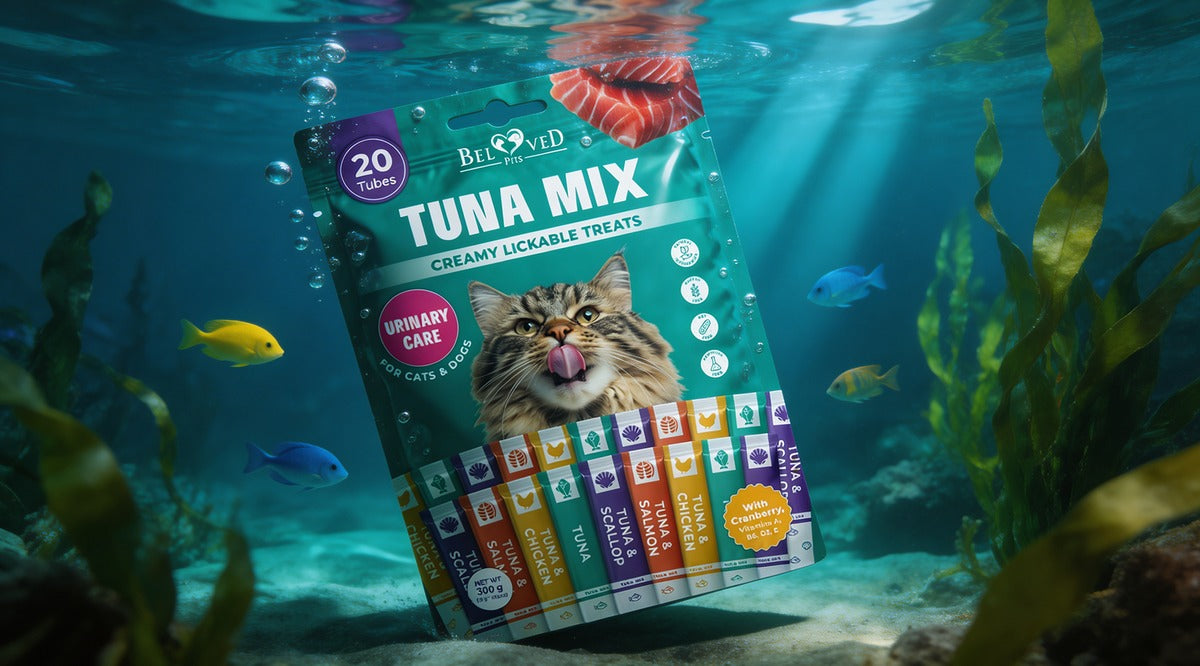
Many lickable treats contain a high percentage of moisture. This can help add water to the diet, especially for cats that rarely visit their water bowl.
Still, a lickable treat should not be the only way a cat gets water. Fresh water should remain available every day. Some cats drink more from wide bowls, moving fountains, or several water stations around the home.
You can also ask your veterinarian whether adding water to wet food is suitable for your cat. Cats with kidney disease, urinary issues, heart disease, or other medical conditions need advice tailored to their needs.
Extra moisture is helpful, but it is not a cure for dehydration. Signs such as weakness, repeated vomiting, dry gums, or very low urine output require prompt veterinary care.

How many lickable treats can a cat have?
The right amount depends on the cat’s weight, age, health, activity, and the calories in the product. As a general rule, treats should make up no more than about 10% of a cat’s daily calories. The remaining calories should come from complete and balanced cat food.
Use the package label as a starting point, but remember that products vary. One tube may contain far fewer calories than another.
Helpful tips include:
• Count lickable treats as part of the daily calorie total.
• Offer smaller portions for kittens, senior cats, and less active cats.
• Reduce meal portions slightly if treats are given often.
• Watch body weight and body shape over time.
• Ask your veterinarian about limits for cats with diabetes, obesity, kidney disease, or food allergies.
A common mistake is giving several tubes because each one looks small. Small packages can still add up. I have found that dividing one tube into two or three mini rewards often keeps the cat happy while limiting extra calories.

Safe ways to give lickable treats
The safest approach is to choose a product made for cats and follow its label. Avoid sharing human sauces, cream, baby food, or seasoned meat. Onion, garlic, excess salt, and some artificial sweeteners can be dangerous for cats.
You can serve the treat in several ways:
-
Let your cat lick a small amount from the opened tube.
-
Squeeze it onto a shallow plate.
-
Spread it across a lick mat for slower eating.
-
Add a small amount to a puzzle feeder.
-
Use it as a reward after gentle grooming or play.
-
Mix a small portion into regular wet food only if your cat tolerates the change.
Never force a tube into a cat’s mouth. Forced feeding can cause stress, choking, or food aversion. Let the cat approach and lick at its own pace.
Supervise cats that eat very quickly. If your cat bites the package, remove it to prevent plastic pieces from being swallowed.
Using lickable treats for training and bonding
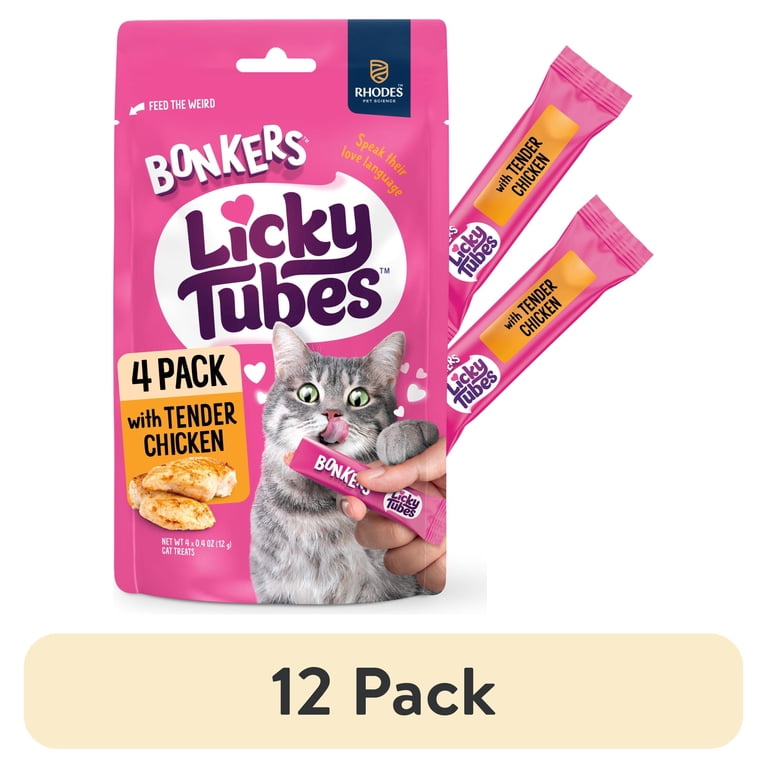
Lickable treats can support reward-based training. They work well because the reward can be delivered in tiny amounts over several seconds.
You can reward behaviors such as:
• Coming when called
• Entering a carrier
• Sitting calmly during nail trims
• Accepting gentle brushing
• Staying relaxed during handling
• Using a scratching post
Give the reward immediately after the desired behavior. This helps your cat connect the action with the outcome.
For carrier training, place a little treat near the carrier first. Later, offer it just inside the doorway. Over time, your cat may view the carrier as a safe place rather than a signal of a stressful car trip.
The goal is to build trust, not to trick or restrain the cat. If your cat becomes tense, stop and try again later with smaller steps.
When lickable treats may cause problems
Lickable treats are not automatically healthy just because cats enjoy them. Some may contain high calories, thickening agents, salt, or ingredients that do not suit a particular cat.
Possible problems include:
• Weight gain from frequent servings
• Loose stool after eating too much
• Vomiting from sudden diet changes
• Food allergy reactions
• Refusal of normal food after repeated treat feeding
• Resource guarding in homes with several cats
A cat that suddenly demands treats but refuses regular food may be sick. Dental pain, nausea, kidney disease, gastrointestinal problems, and other conditions can affect appetite.
Contact a veterinarian if your cat stops eating normal meals, loses weight, vomits repeatedly, has diarrhea, drinks much more than usual, or shows changes in energy. Cats can become seriously ill after going without food, especially if they are overweight.
Treats should support good care. They should not hide signs of disease or replace a veterinary examination.
What ingredients should you look for?
A short, clear ingredient list is often easier to assess. Look for a named animal protein, such as chicken, turkey, salmon, or tuna, rather than vague terms alone.
Useful label details include:
• Calorie content per tube or serving
• The main protein source
• Feeding directions
• Whether the treat is complete and balanced or supplemental
• Allergens or ingredients your cat must avoid
• The manufacturer’s quality and safety information
No single ingredient list proves that a product is perfect. Some cats do well with simple recipes, while others tolerate a wider range of ingredients.
If your cat has a diagnosed food allergy, urinary condition, kidney disease, or prescription diet, ask your veterinarian before adding treats. Even a small serving can interfere with a strict elimination diet or therapeutic feeding plan.
Common mistakes cat owners should avoid
Understanding why do cats love lickable treats can make them easier to use wisely. The biggest mistake is assuming that a favorite treat should be offered whenever the cat asks.
Avoid these habits:
• Giving treats instead of complete cat food
• Ignoring daily calories
• Changing flavors rapidly
• Using treats to cover up poor appetite
• Letting cats chew on the tube or wrapper
• Feeding several cats from one tube without supervision
• Using human food as a substitute
Another mistake is offering a treat during a stressful event without changing the larger situation. A frightened cat may lick a snack and still remain highly anxious. Give the cat distance, quiet, and a safe hiding place as well.
Treats work best when paired with calm handling and predictable routines.
Frequently Asked Questions
Why do cats love lickable treats so much?
Cats are drawn to their strong meat-based smell, savory flavor, high moisture, and smooth texture. The treat may also be linked with attention, play, comfort, or a familiar daily routine.
Are lickable treats safe for kittens?
Many are safe in small amounts for kittens, but they should not replace kitten food. Choose products labeled for cats, follow the serving guide, and ask a veterinarian about treats for very young kittens.
Can lickable treats replace wet cat food?
No. Most lickable treats are supplemental and do not provide complete nutrition. They can add moisture and enjoyment, but complete and balanced cat food should provide the main diet.
Why does my cat lick treats but refuse regular food?
A cat may prefer the smell or texture of the treat, but this can also signal dental pain, nausea, or another health problem. If the refusal continues or your cat seems unwell, contact a veterinarian promptly.
Can lickable treats help with hydration?
They can add some moisture to the diet, but they cannot replace fresh drinking water or medical treatment for dehydration. Keep clean water available and seek veterinary advice if your cat shows signs of poor hydration.
How often should I give my cat lickable treats?
The frequency depends on the product’s calories and your cat’s health. Keep treats within roughly 10% of daily calories unless your veterinarian gives different advice.
Are lickable treats good for cats with dental disease?
Their soft texture may be easier to lick than crunchy treats, but they do not remove plaque or treat dental disease. Cats with mouth pain should receive a veterinary dental assessment.
Conclusion
Why do cats love lickable treats? Their strong aroma, savory taste, soft texture, moisture, and connection with positive attention all make them highly appealing. These treats can support bonding, training, enrichment, and extra fluid intake when used in moderation.
Choose cat-safe products, read the label, track calories, and keep complete food at the center of your cat’s diet. Most importantly, do not ignore a sudden change in appetite simply because your cat still accepts treats.
Try using a small portion during calm training or play, and watch how your cat responds. For more practical cat care tips, explore trusted veterinary resources and share your own lickable treat routine in the comments.