Why Should Senior Cats Eat Senior Cat Food: Key Benefits
Senior cats should eat senior cat food because it supports aging bodies with tailored nutrients, calories, and easier digestion.
As cats grow older, their needs can change in quiet ways. Muscle loss, dental pain, kidney disease, weight gain, and reduced activity may all affect what they should eat. Understanding why should senior cats eat senior cat food can help you choose meals that support comfort, strength, and healthy aging.
What age is a senior cat?
Most veterinarians consider cats to be mature adults at about 7 years old and seniors around 11 years old. Cats aged 15 years and older are often called geriatric cats.
Age alone does not tell the whole story. A healthy 12-year-old cat may need a different diet from a cat of the same age with kidney disease or diabetes.
Why should senior cats eat senior cat food? The answer starts with changing body needs. Older cats may burn fewer calories, lose muscle more easily, and need more help staying hydrated.
Some cats also develop health issues that are common with age. Regular veterinary exams can find these problems early and help you choose the right food.
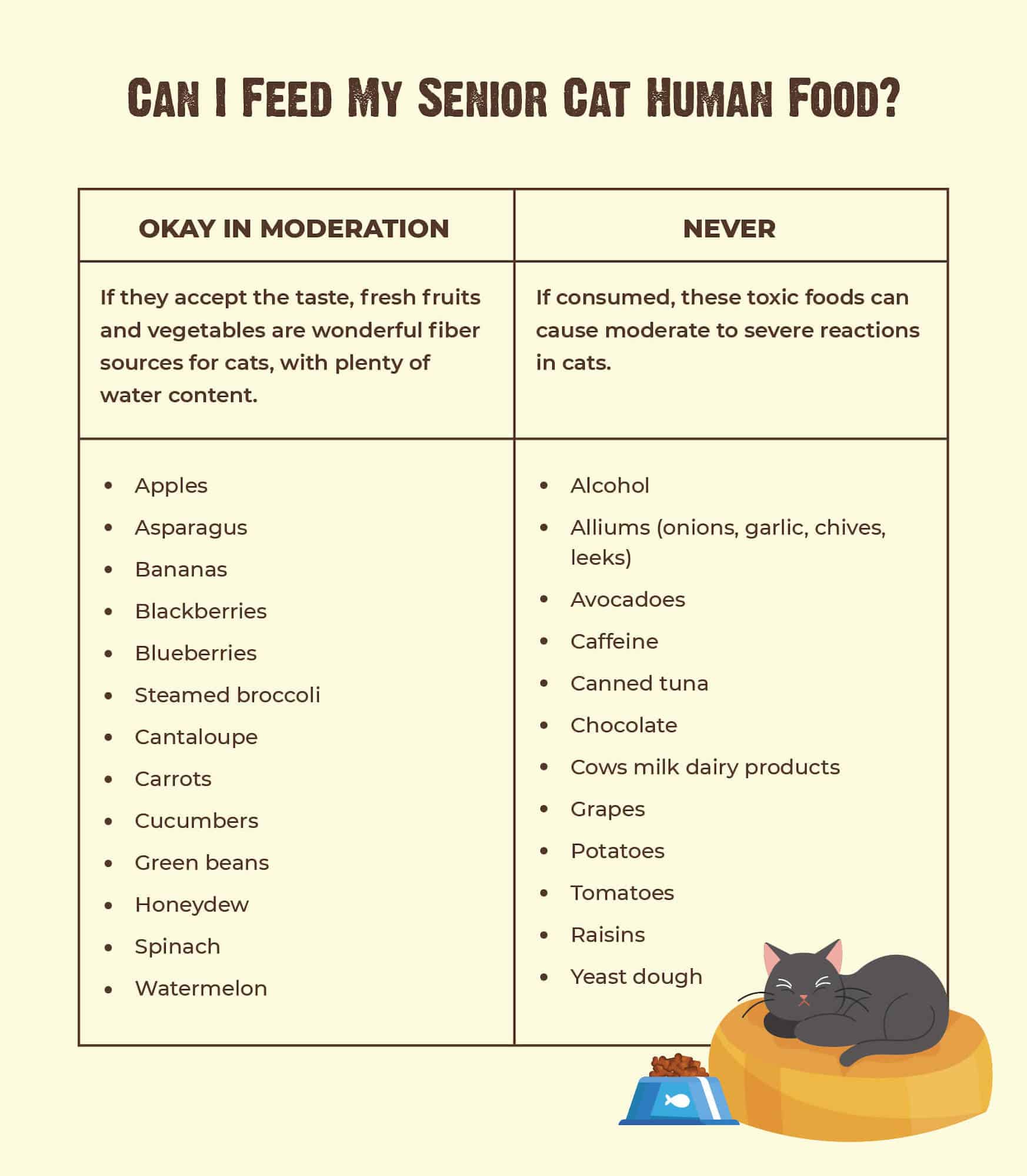
Why should senior cats eat senior cat food?
Why should senior cats eat senior cat food instead of regular adult food? Senior formulas are made with the needs of older cats in mind, although recipes vary widely between brands.
A senior cat food may offer:
• Controlled calories to help prevent weight gain
• High-quality protein to help protect muscle
• Added vitamins and minerals
• Omega-3 fatty acids for skin, coat, and joint support
• More moisture through wet food
• Smaller, softer, or easier-to-chew pieces
• Nutrients that support healthy digestion
Senior cat food is not a cure for aging. It is a tool that may help your cat meet changing nutrition needs.
The best food still depends on your cat’s health, weight, activity, teeth, and medical history. A veterinarian should guide major diet changes, especially for cats with kidney, urinary, liver, or heart problems.

How aging changes a cat’s nutritional needs
Aging affects nearly every part of a cat’s body. Think of it like an older car. It may still run well, but it needs the right fuel, regular checks, and extra care.
Muscle protection
Older cats can lose lean muscle. This process is sometimes called age-related muscle loss. A diet with enough highly digestible protein may help support muscle maintenance.
However, more protein is not always better. Cats with chronic kidney disease may need a carefully planned diet with controlled phosphorus and adjusted protein. This is why a general senior formula may not suit every older cat.
Calorie control
Senior cats often move less than young cats. They may sleep more and play less. If they eat the same amount as before, they may gain excess body fat.
Extra weight can increase stress on joints and make grooming harder. It may also raise the risk of diabetes and other health problems.
Hydration
Many older cats do not drink enough water. Wet senior cat food can add moisture to the diet and may help support daily fluid intake.
Water should still be available at all times. A wide bowl, clean water, or a pet fountain may encourage some cats to drink more.
Digestion
Some senior cats develop a sensitive stomach. A food with digestible ingredients, suitable fiber, and a steady feeding routine may be easier to tolerate.
Sudden changes can cause vomiting or diarrhea. Always switch foods slowly unless your veterinarian gives you different instructions.
Key benefits of senior cat food
The benefits of senior cat food depend on the recipe and your cat’s needs. Look past the word “senior” on the label and check the complete nutrition statement.
It may support healthy body weight
Senior recipes often contain fewer calories per serving than kitten or young adult foods. This can help less active cats avoid gradual weight gain.
Still, calorie levels differ between products. Follow your cat’s weight and body condition, not only the feeding chart on the package.
It may help maintain muscle
Protein supplies amino acids that cats need for muscle, organs, skin, and other tissues. A good senior diet should provide complete and balanced nutrition with digestible animal-based protein.
Watch for signs of muscle loss, such as a thinner back, sharper hips, or weaker jumps. These changes deserve a veterinary check.
It may support joints
Some senior foods include fish oil, EPA, DHA, glucosamine, or chondroitin. These ingredients may support joint comfort, but they do not work the same way for every cat.
A cat that avoids stairs, stops jumping, or has trouble using the litter box may have pain. Food alone may not be enough.
It may support healthy skin and fur
Older cats may groom less because of pain, stiffness, dental trouble, or reduced energy. Omega-3 fatty acids and balanced nutrition can help support skin and coat health.
A dull coat, heavy shedding, or flaky skin can also signal illness. Do not assume these changes are “just old age.”
It may be easier to eat
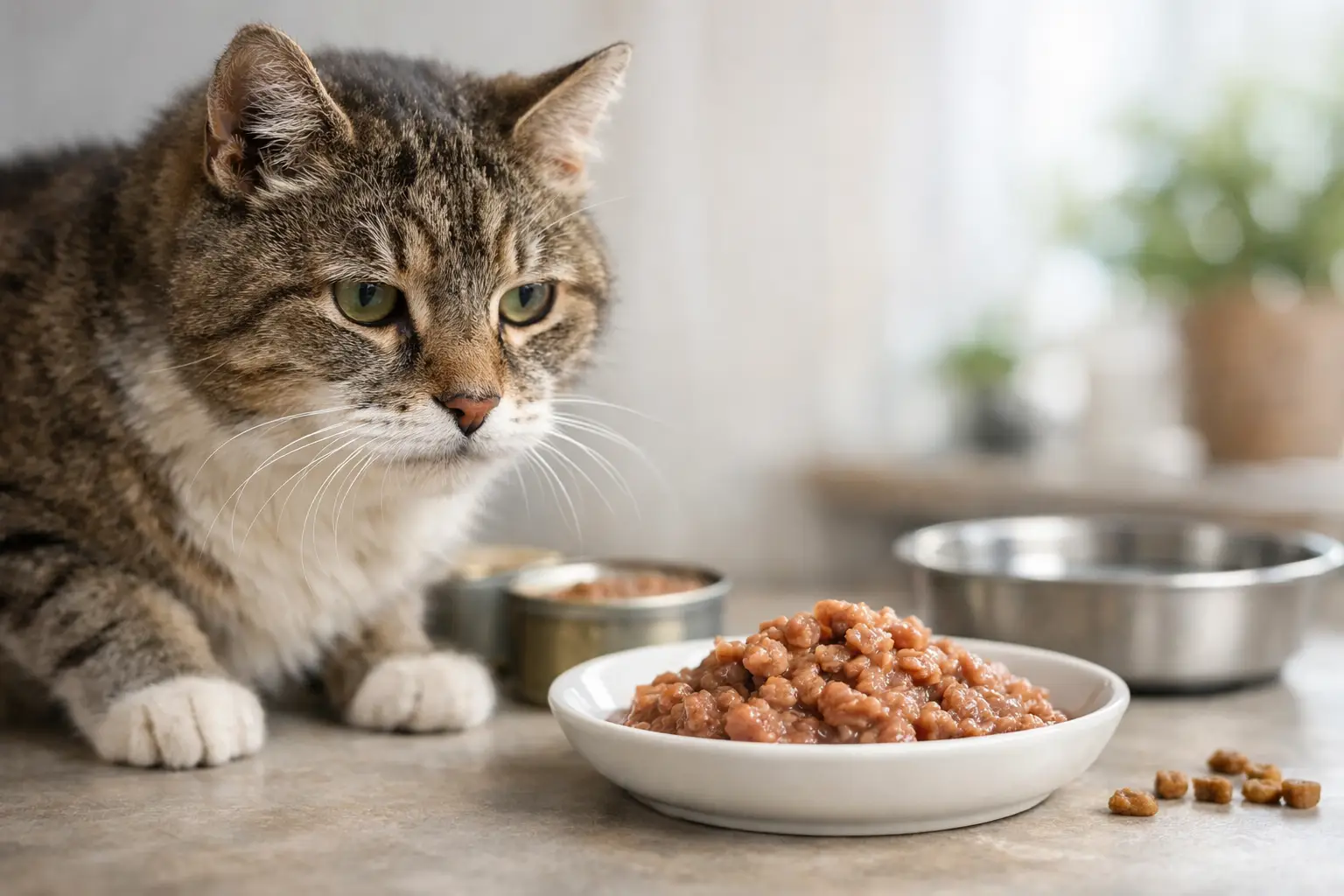
Some senior cats have missing teeth, dental disease, or sore gums. Soft wet food may be more comfortable than large, hard kibble.
Dental problems are common in cats and can be painful. A dental exam is important if your cat drops food, chews on one side, or stops eating dry food.
What to look for in senior cat food
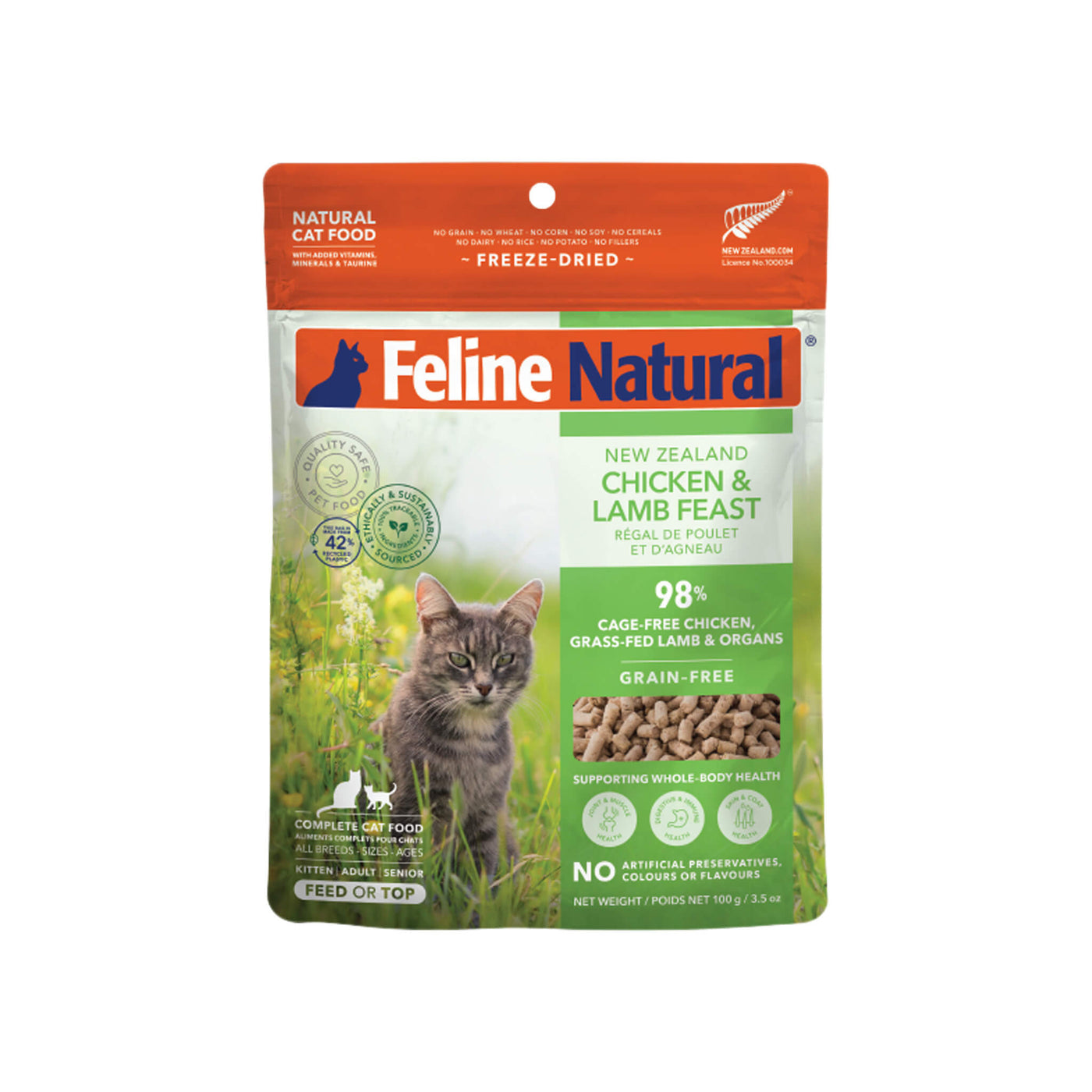
Choosing the best senior cat food can feel confusing. Marketing terms may sound impressive, but the label and your cat’s response matter more.
Look for these features:
• A complete and balanced nutrition statement
• Protein from clearly named animal sources
• Calories that match your cat’s activity level
• Adequate moisture, especially if your cat drinks little
• Nutrients suited to your cat’s age and health
• A texture your cat can chew and enjoy
• Quality control from a reputable manufacturer
In the United States, foods labeled complete and balanced should meet established nutritional standards for the life stage listed on the package. However, not every senior formula is identical.
Ask your veterinarian about phosphorus, sodium, protein, fat, fiber, and calorie levels if your cat has a medical condition. A prescription diet may be more suitable than a standard senior product.

Senior cat food versus regular adult cat food
Regular adult cat food can be healthy for some older cats. Senior food is not automatically better just because it has a senior label.
Why should senior cats eat senior cat food, then? A senior formula may provide a more suitable balance of calories, protein, fat, and added nutrients for an aging cat. But the recipe must fit the individual cat.
For example, a thin senior cat may need more calories and energy-dense food. An overweight senior cat may need calorie control. A cat with kidney disease may need a therapeutic diet recommended by a veterinarian.
The right question is not only, “Is this senior food?” Ask, “Does this food meet my cat’s current needs?”
When senior cat food may not be enough
Senior cat food cannot treat every condition. Older cats often need more than a diet change.
Contact a veterinarian if you notice:
• Weight loss or sudden weight gain
• Increased thirst or urination
• Vomiting or ongoing diarrhea
• Bad breath or trouble chewing
• Hiding, weakness, or confusion
• Changes in appetite
• Poor grooming
• Trouble jumping or walking
• Blood in the urine
• Changes in litter box habits
These signs may point to kidney disease, diabetes, hyperthyroidism, dental disease, arthritis, cancer, or another medical issue. Early care can improve comfort and may provide more treatment choices.
A senior food may support wellness, but it should not delay testing or treatment.
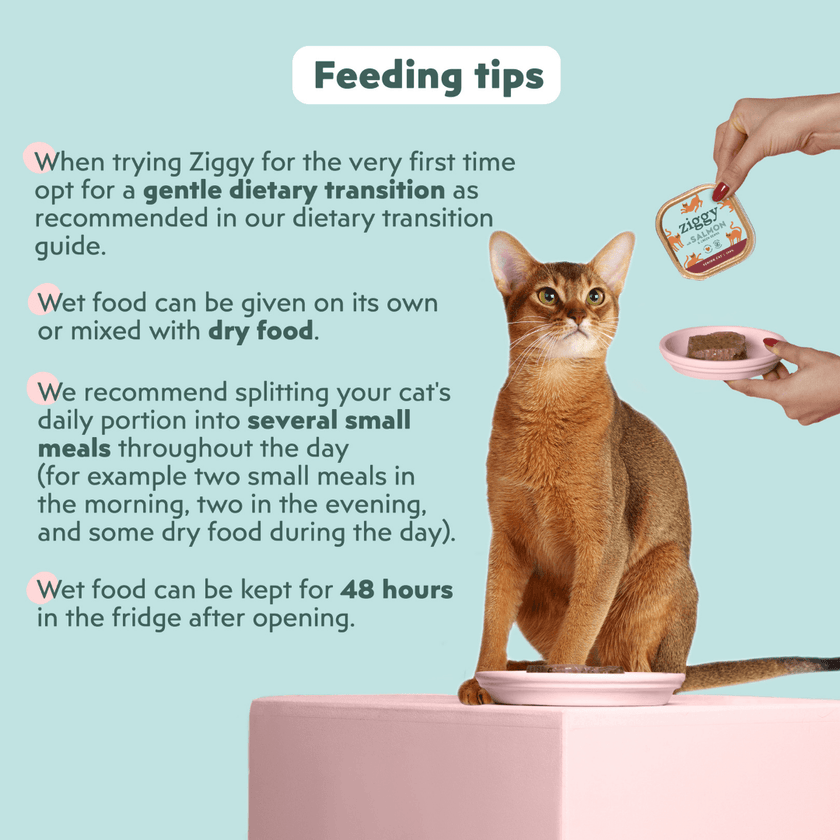
How to change your cat’s food safely
Cats can be cautious about new food. A slow change helps protect the stomach and makes acceptance more likely.
Try this seven-day plan:
- Feed about 75% old food and 25% new food for two days.
- Feed about 50% old food and 50% new food for two days.
- Feed about 25% old food and 75% new food for two days.
- Offer only the new food on day seven.
Some cats need two weeks or more. If your cat refuses food, vomits, or has diarrhea, slow down and contact your veterinarian.
Never let a cat go without food for long. Overweight cats face a serious risk of fatty liver disease when they stop eating suddenly.
To improve acceptance, warm wet food slightly, offer small meals, and keep bowls clean. Avoid changing the food, bowl, location, and schedule all at once.
Wet food, dry food, or both?
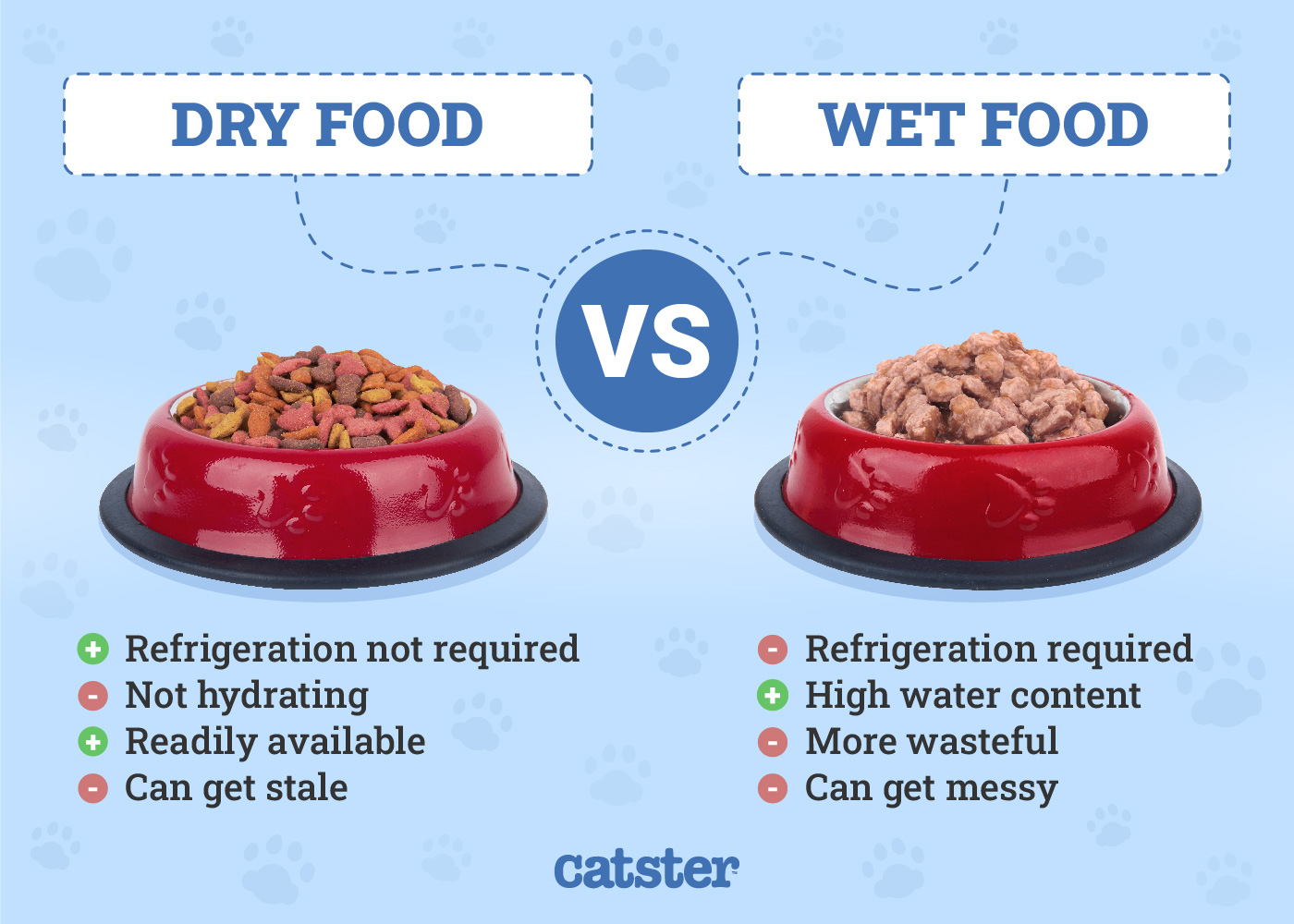
Both wet and dry senior cat food can work. The best choice is the one that provides complete nutrition and suits your cat’s teeth, health, appetite, and hydration needs.
Wet food contains much more water than dry food. This can be useful for cats that drink little or need extra moisture.
Dry food is convenient and may be easier to measure. Some cats also prefer its crunch, although regular kibble should not be viewed as a replacement for dental care.
Many families use a mix of wet and dry food. Measure the total daily calories so the combination does not lead to overfeeding.
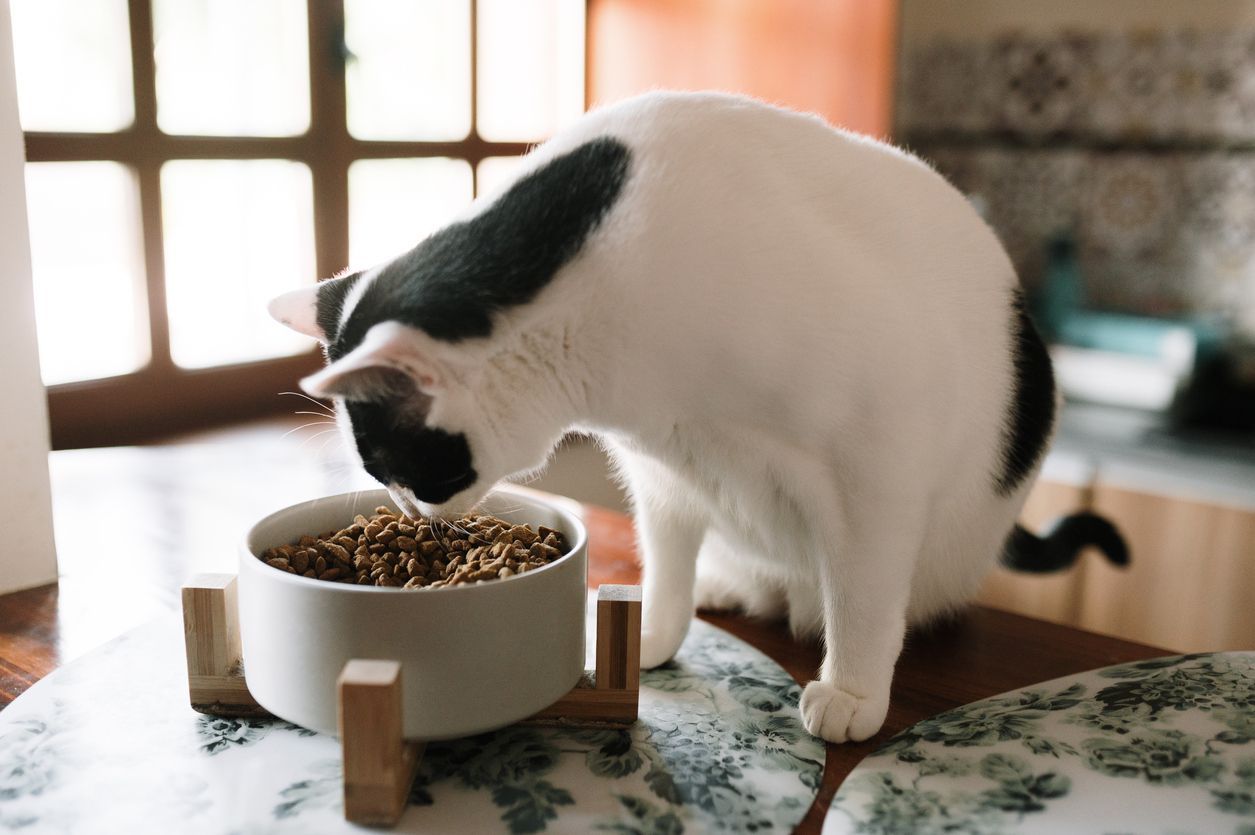
Common feeding mistakes to avoid
Even a high-quality senior cat food can cause problems if it is fed in the wrong way.
Avoid these common mistakes:
• Changing food suddenly
• Guessing portions without checking calories
• Giving too many treats
• Ignoring dental pain
• Feeding several cats from one bowl
• Assuming every senior cat needs the same diet
• Using supplements without veterinary advice
• Waiting too long after appetite or weight changes
Treats should usually provide no more than about 10% of daily calories. Small pieces of a complete diet may be a better choice for some cats.
Use a kitchen scale or a measured scoop. A small extra amount each day can add up over time.
In helping cat owners review feeding routines, one lesson comes up often: the food bowl is only part of the picture. Weight checks, dental care, water intake, activity, and yearly exams matter just as much.
How much should a senior cat eat?
The correct amount depends on body weight, age, activity, metabolism, health, and the calorie content of the food. Package feeding guides are useful starting points, but they are not exact rules.
A veterinarian can assess body condition. You should be able to feel your cat’s ribs under a thin layer of fat, while the waist should be visible from above.
Weigh your cat every few weeks if possible. A gradual change may be easy to miss, especially under a thick coat.
Divide the daily amount into two or more meals. Smaller meals may suit older cats with reduced appetite or sensitive digestion.
Questions to ask your veterinarian
Before choosing senior cat food, prepare a few simple questions:
• Is my cat too thin, too heavy, or at a healthy weight?
• Does my cat need a kidney, urinary, diabetic, or dental diet?
• How many calories should my cat eat each day?
• Is the protein and phosphorus level suitable?
• Would wet food help with hydration?
• How often should my cat have blood and urine tests?
• What signs should make me call the clinic?
These questions can turn a general food choice into a personal nutrition plan. Senior cats benefit from regular health checks because early disease may show few outward signs.
Frequently Asked Questions
Why should senior cats eat senior cat food?
Why should senior cats eat senior cat food? Senior formulas may provide adjusted calories, digestible protein, moisture, and nutrients that suit aging cats. However, the best diet depends on each cat’s health and should be chosen with veterinary guidance when medical issues are present.
At what age should a cat start eating senior cat food?
Many cats can be considered senior at about 11 years old, but there is no single perfect age. Some cats may benefit from a diet change earlier, while healthy older cats may do well on a complete adult formula.
Can senior cats eat regular adult cat food?
Yes, some senior cats can eat regular adult cat food if it is complete, balanced, and suitable for their health. A senior label does not automatically make a food better than a well-made adult diet.
Is wet food better for senior cats?
Wet food can help increase water intake and may be easier for cats with dental pain to eat. It is not always required, but it can be useful for cats that drink little or need more moisture.
Do senior cats need more protein?
Many older cats need enough high-quality protein to help maintain muscle. Cats with kidney disease may need a carefully managed diet, so do not increase protein or use supplements without veterinary advice.
How often should a senior cat visit the veterinarian?
Many veterinarians recommend exams at least once a year for senior cats, with more frequent visits for very old cats or those with health problems. Blood work, urine testing, weight checks, and dental exams can help find hidden disease.
What if my senior cat refuses new food?
Offer the new food slowly and mix it with the old food over several days. If your cat stops eating, loses weight, vomits, or seems unwell, contact a veterinarian promptly.
Conclusion
Why should senior cats eat senior cat food? A suitable senior diet can help manage calories, support muscle, add moisture, protect healthy digestion, and make meals easier to eat. Yet no single food is right for every older cat.
Choose a complete and balanced recipe, watch your cat’s weight and appetite, and change foods slowly. Most importantly, pair good nutrition with regular veterinary care, dental checks, fresh water, and daily attention to behavior.
Your cat may not be able to explain what feels wrong, but small changes can offer important clues. Review your senior cat’s diet with a veterinarian, then take one practical step today toward healthier, more comfortable aging.