Why Do Adult Cats Eat Kitten Food: Vet Feeding Guide
Adult cats eat kitten food because its richer fat, protein, and stronger flavor make it especially appealing.
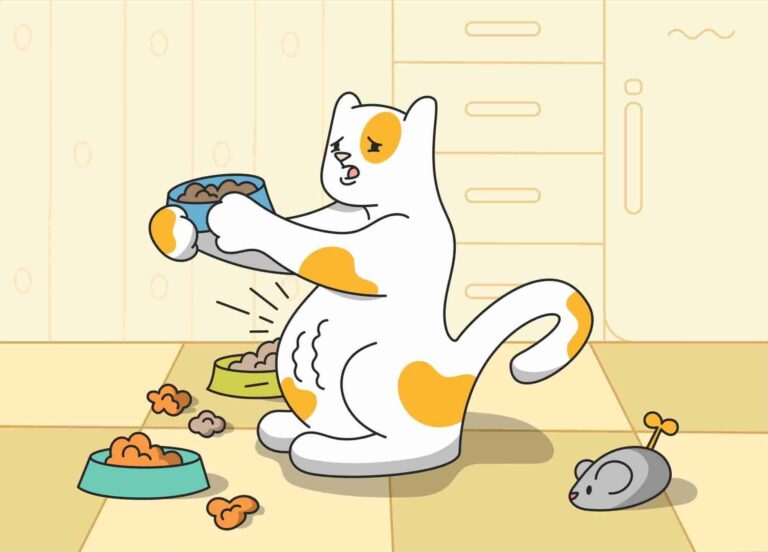
If your adult cat keeps choosing the kitten’s bowl, you are not alone. Kitten food often smells stronger, tastes richer, and provides more calories than adult cat food. That can make it hard for a food-loving cat to resist.
Still, the reason matters. A healthy adult may enjoy a few bites without trouble, but regular meals can lead to weight gain or an unbalanced diet. This guide explains why adult cats eat kitten food, when it is safe, and how to protect both cats at mealtime.
Why do adult cats eat kitten food?
Adult cats eat kitten food for several common reasons. Most are linked to taste, smell, hunger, habit, or the food’s higher energy content.
Kitten food is made for rapid growth. Compared with most adult maintenance food, it often has more calories, fat, protein, and key nutrients. These features help kittens build muscles, bones, organs, and a healthy immune system.
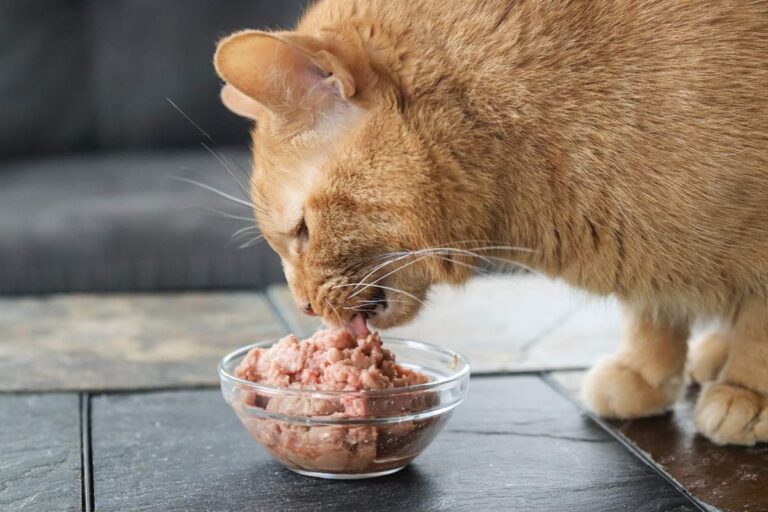
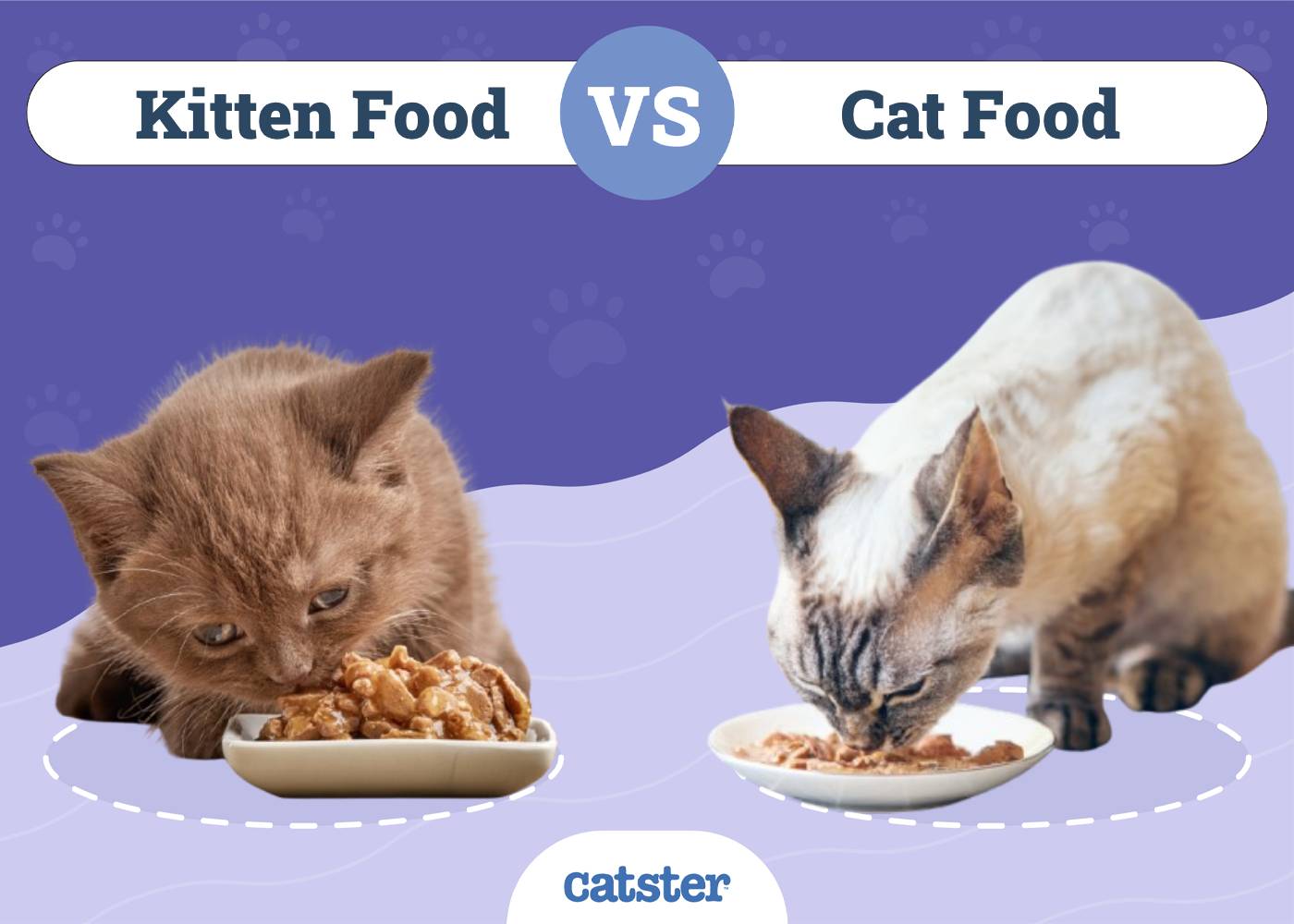
To an adult cat, that rich recipe can be like a creamy dessert beside a plain meal. The kitten food may smell stronger and feel softer, which can be more attractive than dry adult food.
Common reasons include:
• Stronger taste and smell: Fat carries flavor and makes food more tempting.
• Higher calorie content: A hungry adult cat may seek food that fills its energy needs quickly.
• Softer texture: Wet kitten food can be easier to chew and swallow.
• Curiosity: Cats often investigate another pet’s bowl.
• Competition: A cat may want the food simply because another cat has it.
• Learned habit: If stealing kitten food works once, the cat may repeat it.
• Limited access to food: A cat that is not eating enough adult food may look for another option.
• Medical problems: Some diseases can increase hunger or change eating habits.
Adult cats are not always aware of which food is “theirs.” They follow scent and reward. If kitten food tastes better, they may keep returning to it.
Is kitten food safe for adult cats?
A small amount of kitten food is usually safe for a healthy adult cat. One stolen meal will not normally cause harm. The concern begins when kitten food replaces adult food for weeks or months.
Kitten food is designed to meet the needs of growing cats. It is usually more calorie-dense and may contain higher levels of fat and some nutrients. Adult cats need a complete and balanced diet for maintenance, not growth.
Regularly feeding kitten food to an adult cat may cause:
• Excess weight gain
• Higher calorie intake than needed
• Digestive upset during sudden diet changes
• Poor weight control in indoor or less active cats
• Nutritional imbalance if the food is not complete and balanced
• Worsening of some health conditions
A healthy adult cat can often eat kitten food for a short time, such as during recovery or while sharing a home with kittens. However, long-term use should be guided by a veterinarian.
Check the package for a nutritional adequacy statement. In the United States, cat food labels should state whether the food is complete and balanced for growth, adult maintenance, or all life stages. “For intermittent or supplemental feeding only” means it should not be the main diet.
Why is kitten food more appealing to adult cats?
Kitten food often wins the taste test because it is made to support fast growth. Growing kittens need more energy in each bite, so the food may include more fat and animal-based protein.
Fat also improves aroma. Cats have a strong sense of smell, and food scent plays a major role in appetite. A warm, moist kitten meal may smell far more inviting than a bowl of dry adult food that has been sitting out all day.
Texture matters, too. Many kittens eat pâté, mousse, or small pieces in gravy. Adult cats with dental pain, sore gums, or missing teeth may prefer these soft textures.
Other factors can make kitten food seem special:
• It may be fresher because kittens eat smaller portions.
• Owners may serve it at a different time, creating excitement.
• The kitten may guard the bowl, increasing competition.
• It may contain more gravy or moisture.
• The cat may connect it with a rewarding routine.
In my experience with multi-cat feeding problems, the issue is often not that the adult cat dislikes its own food. The adult cat simply finds the kitten’s food more rewarding. Changing the feeding setup can work better than scolding the cat.
When might an adult cat need kitten food?
Some adult cats may benefit from a higher-calorie diet for a limited period. This should happen with veterinary advice, especially if the cat is losing weight or has a health condition.
Veterinarians may sometimes recommend kitten food for:
• An underweight adult cat
• A cat recovering from illness or surgery
• A cat with a poor appetite
• A senior cat that needs more calories
• A cat that needs soft food because of dental problems
• A pregnant or nursing cat
Pregnant and nursing cats have increased energy needs. Many are fed food made for kittens or food labeled for all life stages. This supports both the mother and her kittens.
However, weight loss is not always a simple calorie problem. Dental disease, kidney disease, diabetes, hyperthyroidism, intestinal disease, pain, and cancer can affect appetite and body weight. If an adult cat is losing weight, do not use kitten food as a substitute for a health check.
A vet may suggest a specific therapeutic diet instead. The best choice depends on the cat’s age, body condition, activity, blood work, and diagnosis.

What are the risks of adult cats eating kitten food?
The main risk is excess calories. Kitten food is rich because kittens grow quickly. An adult cat that eats the same amount may gain weight over time.
Extra weight can raise the risk of diabetes, joint strain, skin problems, breathing trouble, and reduced activity. Even a few extra bites each day can matter for a small cat.
Kitten food may also upset the stomach if an adult cat suddenly eats a large amount. Watch for vomiting, diarrhea, gas, or a refusal to eat normal meals.
Be more careful if your adult cat has:
• Obesity or a history of weight gain
• Diabetes
• Kidney disease
• Pancreatitis
• Food allergies
• Chronic digestive disease
• A prescribed veterinary diet
Kitten food is not automatically harmful to cats with these problems, but it may not fit their medical needs. A veterinarian should approve diet changes for cats with diagnosed conditions.
Another risk is household imbalance. If the adult cat eats the kitten’s meals, the kitten may not get enough food or nutrients. Growing kittens need steady access to an appropriate diet, so protecting the kitten’s portions is important.
How to stop an adult cat from eating kitten food
The most effective solution is to manage access. Cats are skilled opportunists, so relying on willpower usually fails.
Try these practical steps:
-
Feed cats in separate rooms. Close the door until each cat finishes.
-
Use scheduled meals. This makes it easier to measure portions and remove leftovers.
-
Place the kitten’s bowl in a protected area. A baby gate or small feeding space may help.
-
Try a microchip feeder. It opens only for the registered cat and works well in multi-cat homes.
-
Serve meals at the same time. This reduces the chance that one cat will patrol another bowl.
-
Pick up uneaten food. Do this after about 20 to 30 minutes unless your veterinarian recommends free feeding.
-
Measure daily portions. Include stolen food when tracking calories.
-
Make adult food more appealing. Add a small amount of approved wet food or warm it slightly to increase aroma.
-
Keep food fresh. Wash bowls often and store dry food in an airtight container.
-
Reward calm behavior. Praise or play with the adult cat away from the kitten’s bowl.
Avoid yelling or chasing the adult cat. That can increase stress and may turn mealtime into a competition. Calm barriers and consistent routines usually work better.
One common mistake is giving the adult cat extra food after it steals kitten food. This can reward the behavior. Offer the planned meal instead, then remove both bowls when feeding time ends.
How to choose the right food for an adult cat
Look for food labeled complete and balanced for adult maintenance or all life stages. The label should match your cat’s age, health, and activity level.
Consider these points:
• Life stage: Adult cats usually need maintenance food, while kittens need growth food.
• Calories: Compare the calories per can or cup, not just the ingredient list.
• Moisture: Wet food can help increase water intake and may suit cats that prefer soft textures.
• Protein: Cats need animal-based protein, but the right amount depends on the whole diet.
• Body condition: A lean, active cat may need more energy than a sedentary indoor cat.
• Health needs: Cats with kidney, urinary, digestive, or allergy concerns may need a veterinary diet.
The ingredient list alone does not tell the full story. Nutrient levels, calorie density, feeding amounts, and the cat’s health all matter.
Use your cat’s body condition as a guide. You should be able to feel the ribs under a thin layer of fat, see a waist from above, and notice a gentle abdominal tuck from the side. Ask your veterinarian to check your cat’s weight at routine visits.
How to transition an adult cat away from kitten food
Make the change slowly. A sudden switch can cause stomach upset or food refusal, especially in cats that are sensitive or picky.
A simple seven-day plan is:
-
Days 1 and 2: Feed about 75% kitten food and 25% adult food.
-
Days 3 and 4: Use about 50% kitten food and 50% adult food.
-
Days 5 and 6: Feed about 25% kitten food and 75% adult food.
-
Day 7: Serve only the new adult food if your cat is eating well.
Some cats need two weeks or more. If your cat vomits, develops diarrhea, or refuses food, slow the change and contact a veterinarian if signs continue.
Never let a cat go without eating for a long period while trying to force a new diet. Overweight cats are at particular risk of fatty liver disease when they stop eating. Call your veterinarian if an adult cat refuses food for about 24 hours, or sooner if the cat is ill, overweight, or very young.
You can also make adult food more inviting by warming wet food slightly, adding water, using a clean bowl, or offering a different texture. Change one factor at a time so you can learn what your cat prefers.

When should you call a veterinarian?
A sudden interest in kitten food may be harmless, but a sudden change in appetite can signal a medical issue. Pay attention to the full pattern, not just the food choice.
Contact a veterinarian if your adult cat:
• Is losing weight despite eating more
• Drinks or urinates much more than usual
• Vomits or has ongoing diarrhea
• Seems restless, weak, or unusually hungry
• Has trouble chewing or drops food
• Stops eating its normal diet
• Has a swollen belly or sudden weight gain
• Shows major changes in behavior
Increased appetite with weight loss can occur with conditions such as hyperthyroidism or diabetes. Dental pain can also make a cat avoid dry adult food while choosing soft kitten food.
Bring useful details to the appointment. Note the food brand, daily amount, treats, stolen meals, water intake, bowel habits, and weight changes. These small observations can help the veterinarian find the cause faster.
Frequently Asked Questions About Why Do Adult Cats Eat Kitten Food
Is it bad if my adult cat eats kitten food?
A few bites or an occasional meal is usually not harmful for a healthy adult cat. Eating kitten food as the main diet for a long time may lead to excess calories and weight gain.
Can adult cats eat kitten food every day?
Some adult cats can eat kitten food under veterinary guidance, especially if they are underweight, ill, pregnant, or nursing. For most healthy adults, food made for adult maintenance is the better daily choice.
Why does my adult cat prefer kitten food?
Kitten food often has more fat, calories, moisture, and aroma. Its rich taste and soft texture can be more appealing than the adult cat’s usual food.
Will kitten food help my underweight adult cat?
It may provide extra calories, but unexplained weight loss needs a veterinary exam first. A veterinarian may recommend kitten food, a recovery diet, or another food based on the underlying cause.
How can I stop my cat from stealing kitten food?
Feed the cats in separate spaces and remove leftovers after meals. A microchip feeder can also prevent the adult cat from accessing the kitten’s bowl.
Can kitten food cause diarrhea in adult cats?
It can, especially if the cat eats a large amount or changes food suddenly. Use a gradual transition and seek veterinary advice if diarrhea is severe, bloody, or lasts more than a day or two.
Is kitten food better than adult cat food?
Neither is better for every cat. Kitten food supports growth, while adult food supports weight and health maintenance, so the right choice depends on life stage and medical needs.
Conclusion
Adult cats eat kitten food because it is often richer, softer, more fragrant, and higher in calories. Occasional bites are usually fine, but regular access can cause weight gain or prevent a kitten from getting enough food.
Feed cats separately, measure portions, protect the kitten’s bowl, and choose a complete and balanced diet for each life stage. If your adult cat suddenly becomes very hungry, loses weight, or shows other symptoms, arrange a veterinary check rather than simply offering more food.
With a steady routine and the right feeding plan, both cats can enjoy mealtime safely. Share your cat’s feeding experience with your veterinarian and explore trusted nutrition resources for more personalized guidance.