How To Keep Birds Warm In The Winter: Simple Tips
Winter in the United States can bring freezing rain, strong winds, snow, and long cold nights. Most healthy wild birds handle cold weather well when they have food, shelter, and dry places to rest. Pet birds, however, depend on people to protect them from sudden temperature drops, drafts, and unsafe heating devices.
To keep birds warm in winter, provide dry shelter, block direct wind, keep food and water available, and avoid sudden temperature changes. For pet birds, keep the cage in a stable indoor room. For wild birds, use natural cover, clean birdhouses, safe feeders, and unfrozen water instead of trying to heat the outdoors.

How Birds Stay Warm in Cold Weather
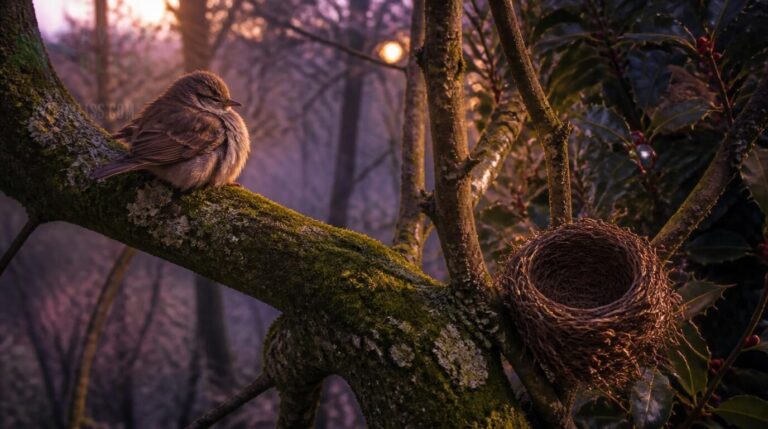
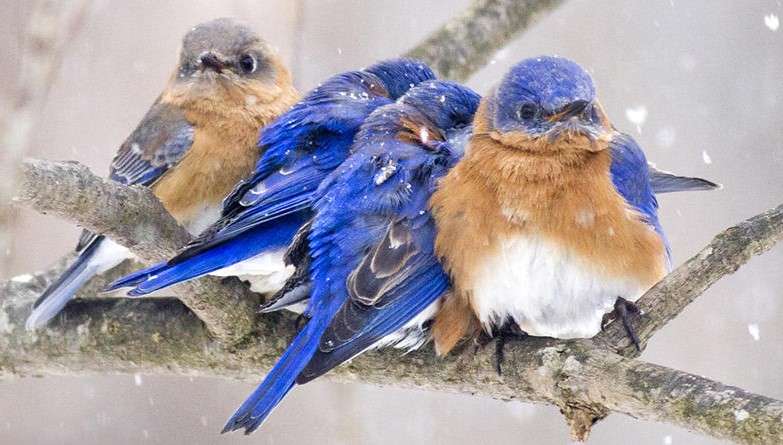
Birds stay warm through several natural adaptations. They fluff their feathers to trap a layer of warm air near the skin. They also eat more, reduce activity during the coldest hours, and seek shelter from wind and moisture.
A bird’s feathers provide good insulation only when they remain dry and in good condition. Wet feathers lose much of their insulating value. Wind also removes the warm air trapped around the body, which makes cold weather more dangerous.
Small birds often face greater cold stress because they lose body heat faster than larger birds. Birds with poor health, injuries, or limited access to food may also struggle more than healthy adults.
Do birds need help in winter?
Most wild birds do not need direct heating. They need the right conditions:
- Reliable food
- Clean water
- Protection from wind and rain
- Dry roosting areas
- Escape routes from predators
- Safe places to rest at night
A healthy wild bird may survive very low temperatures if it can stay dry, eat enough energy-rich food, and avoid prolonged exposure to wind.
Do not bring wild birds indoors simply because the weather is cold. Capture and handling can cause severe stress. A bird that appears sick, injured, or unable to fly may need a licensed wildlife rehabilitator.

How to Keep Wild Birds Warm in Winter
The best way to help backyard birds is to improve their access to food, shelter, and water. These steps support natural survival without exposing birds to unsafe artificial heat.
1. Provide natural cover
Dense shrubs, evergreen trees, brush piles, and native grasses give birds places to escape wind and cold. Plantings with thick branches can work as winter roost sites.
Place feeders near cover, but not so close that cats can hide and ambush birds. A distance of about 10 feet from dense cover can give birds quick shelter while preserving a clear view of nearby predators.
Good winter shelter may include:
- Evergreen trees and shrubs
- Dense native bushes
- Brush piles made from clean branches
- Birdhouses designed for winter roosting
- Tall native grasses left standing through winter
Avoid using treated wood, sharp wire, loose string, or plastic strips that can trap feet or wings.
2. Use a proper winter roost box
A birdhouse and a roost box serve different purposes. A birdhouse is built mainly for nesting. A roost box is designed for birds to rest together during cold nights.
A winter roost box should have:
- Small entrance holes that reduce heat loss
- Perches inside the box
- Ventilation that prevents excess moisture
- A sloped roof that sheds rain and snow
- Rough interior walls that help birds grip the surface
- A secure mount that does not sway in strong wind
Clean the box before winter. Remove old nesting material and check for sharp edges, leaks, or loose parts. Follow the instructions for the specific box, since ventilation and entrance size vary by species.
3. Offer high-energy food
Cold weather increases the value of calorie-dense foods. Black-oil sunflower seed, suet, peanuts, and some other unsalted seeds can help many common backyard birds meet their energy needs.
Use only food that is fresh and free of mold. Moldy food can harm birds. Avoid salty snacks, seasoned food, chocolate, alcohol, and foods containing artificial sweeteners.
A practical winter feeding mix may include:
- Black-oil sunflower seed
- White millet
- Safflower seed
- Unsalted peanuts
- Commercial suet made for wild birds
Suet can melt in warm weather, so use a feeder that keeps it dry and protected. Never offer suet in a thin plastic mesh bag, because birds can become tangled in the mesh.
4. Keep feeders clean
Dirty feeders can spread disease, especially when many birds gather in one place. Clean feeders regularly and remove wet or spoiled seed.
The U.S. Fish and Wildlife Service and Cornell Lab of Ornithology provide general guidance on supporting wild birds and reducing risks around feeders.
A basic cleaning routine is:
- Empty old seed and discard wet food.
- Scrub the feeder with hot, soapy water.
- Rinse it well.
- Disinfect it when needed.
- Let it dry fully before refilling.
- Clean the ground below the feeder.
If you see several sick or dead birds near a feeder, pause feeding and clean the area. Contact your state wildlife agency for local guidance before restarting.
5. Provide liquid water
Birds need water in winter for drinking and feather care. A shallow birdbath can help, but it must be cleaned often and kept free of ice.
A heated birdbath may be useful when it is made for outdoor use and connected to a safe, outdoor-rated electrical source. Check the product instructions and inspect the cord often. Keep electrical connections away from standing water.
Do not add antifreeze, salt, glycerin, or other chemicals to bird water. These substances can poison birds.
If you cannot safely provide a heated bath, refresh a shallow dish with clean water several times a day during freezing weather. Place it where cats cannot easily reach it.

How to Keep Pet Birds Warm in the Winter
Pet birds should stay indoors during winter unless a veterinarian has approved another arrangement. Parrots, finches, canaries, cockatiels, and other companion birds can become chilled by drafts, cold rooms, sudden temperature changes, or fumes from heating equipment.
The safest method is to keep the bird’s environment stable rather than trying to warm the bird quickly after it becomes cold.
Maintain a stable room temperature
Many pet birds do well in a normal, stable indoor temperature. The exact safe range depends on the species, age, health, feather condition, and normal home environment.
Avoid placing a cage:
- Beside a drafty door
- Near an open window
- Under a heating or cooling vent
- Against a cold exterior wall
- In a garage, porch, or unheated sunroom
- Near a fireplace or space heater
- In a kitchen where cooking fumes may collect
A room thermometer can help you find cold spots and track overnight changes. Stability matters more than making the room unusually hot.
Watch for signs of cold stress
A bird that briefly fluffs its feathers may simply be resting. Constant fluffed feathers can signal cold, illness, or another problem.
Possible warning signs include:
- Persistent fluffing
- Shivering
- Sitting low on the perch
- Weak grip
- Sleeping much more than usual
- Reduced appetite
- Lethargy
- Labored breathing
- Sitting on the cage floor
Move the cage to a warm, quiet, draft-free room and contact an avian veterinarian if these signs continue or appear severe. Do not force food or water into a weak bird.
Birds often hide illness until they are quite sick. A sudden behavior change deserves attention even if the room does not seem very cold.
Use cage covers carefully
A breathable cage cover can reduce drafts and help establish a dark, quiet sleep period. It should not seal the cage completely or block all airflow.
Keep the cover away from heaters, lamps, candles, and electrical devices. Inspect it for loose threads that could catch a bird’s toes or beak.
If the bird becomes anxious under a cover, use partial coverage or remove it. Quiet placement and stable room temperature may provide enough protection.
Give birds safe perches and food access
Cold stress can worsen when a bird cannot perch well or reach food and water. Check that perches are dry, secure, and suitable for the bird’s feet.
Keep food and water clean. In winter, birds may need regular access to food because they spend more energy maintaining body temperature. Do not make sudden diet changes without guidance from an avian veterinarian.

Are Heat Lamps and Space Heaters Safe for Birds?
Heat lamps and space heaters can cause burns, fires, overheating, and dangerous air contamination. They are not the first choice for routine winter bird care.
Many household heating devices can produce risks that are easy to miss:
- Hot surfaces can burn a bird.
- Cords can be chewed.
- Heating elements can ignite bedding, curtains, or feathers.
- Some nonstick-coated appliances can release toxic fumes when overheated.
- Poor ventilation can make a room too hot or dry.
- A power failure can create a sudden temperature drop.
Never use a heat lamp inside a birdcage unless an avian veterinarian has recommended a specific setup and you can follow strict safety controls. Do not cover a heat lamp with fabric, place it near wood, or leave it unattended.
What about ceramic heat emitters?
Ceramic heat emitters may be used in some veterinary or specialized bird-care settings, but they still require proper fixtures, temperature control, and fire prevention. A device marketed for reptiles is not automatically safe for birds.
If a sick, elderly, or featherless bird needs extra warmth, ask an avian veterinarian for a safe plan. The bird may need medical treatment, not just heat.
For outdoor birds, do not install improvised heaters near feeders, trees, dry grass, or nesting areas. A heated birdbath designed for outdoor use is generally a safer approach than trying to warm a shelter with a lamp.

What Temperature Is Too Cold for a Bird?
There is no single temperature that is safe or unsafe for every bird. Species, health, acclimation, humidity, wind, and access to shelter all change the risk.
A healthy wild bird adapted to a northern U.S. climate may tolerate conditions that would be dangerous for a tropical pet bird. A sick bird may struggle at temperatures that a healthy bird handles well.
Use behavior as an early warning sign, not as the only test. For pet birds, persistent fluffing, shivering, weakness, or reduced eating means the bird may be too cold or ill.
| Bird situation | Main winter concern | Best response |
|---|---|---|
| Healthy wild bird outdoors | Wind, wet feathers, low food supply | Provide natural cover, food, and clean water |
| Wild bird that cannot fly | Injury, illness, or shock | Contact a licensed wildlife rehabilitator |
| Indoor tropical pet bird | Drafts and sudden temperature changes | Move the cage to a stable indoor room |
| Sick or elderly pet bird | Reduced ability to regulate body heat | Contact an avian veterinarian |
| Featherless or recently rescued bird | Rapid heat loss | Seek professional wildlife or veterinary care |
Do not rely on a thermometer alone. A damp, windy location can feel far colder than a dry, sheltered one. For indoor birds, a steady room with no direct draft is usually safer than repeated moves between warm and cold areas.

What to Do if a Bird Appears Cold
First, decide whether the bird is wild or a pet. The correct response is different.
For a pet bird
Place the cage in a quiet, warm, draft-free room. Reduce handling and observe breathing, posture, eating, and grip strength.
Call an avian veterinarian promptly if the bird:
- Remains weak or fluffed
- Has trouble breathing
- Falls from the perch
- Cannot stand
- Refuses food and water
- Has been exposed to a cold room for a long time
- Has other signs of illness
Do not place the bird directly beside a heater or use a heating pad without veterinary guidance.
For a wild bird
Do not chase or handle a wild bird unless it is clearly injured or in immediate danger. A bird sitting quietly in a sheltered spot may be resting.
Contact a licensed wildlife rehabilitator if the bird:
- Cannot fly after being approached
- Has a visible wound
- Has a drooping wing
- Is trapped in ice, netting, or another material
- Has been caught by a cat
- Is bleeding or unable to stand
In the United States, the National Wildlife Rehabilitators Association and state wildlife agencies can help locate appropriate care. Keep pets away from the bird while waiting for instructions.
Common Mistakes to Avoid
Several well-meant actions can make winter conditions more dangerous.
Bringing wild birds indoors
Wild birds need specialized care, food, and housing. Improper handling can cause stress, injury, or illegal possession of protected wildlife. Use a rehabilitator unless a trained professional tells you what to do.
Feeding birds bread
Bread fills the stomach without providing the energy and nutrients birds need in cold weather. Use suitable seed, suet, or species-appropriate food instead.
Adding salt to birdbath water
Salt lowers the freezing point, but it can harm birds that drink it. Use a safe outdoor heated bath or replace frozen water by hand.
Using loose string or hair as nesting material
String, yarn, fishing line, and human hair can wrap around feet, wings, or necks. Leave natural materials in place instead.
Sealing a birdhouse
A fully sealed box can trap moisture and reduce air quality. Winter shelters need protection from wind but also need suitable ventilation.
Ignoring predators
Feeders and shelters can attract cats, hawks, raccoons, and other predators. Keep feeding areas visible, clean spills, and place shelters where birds have more than one escape route.
Key Takeaways
- Keep pet birds indoors in a stable, draft-free room.
- Help wild birds with dry cover, high-energy food, and clean water.
- Use roost boxes for shelter, not improvised heated cages.
- Avoid heat lamps, unsafe space heaters, chemicals, and salt.
- Clean feeders and birdbaths to reduce disease.
- Treat persistent fluffing, weakness, breathing problems, or injury as warning signs.
- Contact an avian veterinarian for pet birds and a licensed wildlife rehabilitator for injured wild birds.
Frequently Asked Questions
Do birds feel cold in winter?
Yes. Birds can become cold, especially when they are wet, exposed to wind, sick, injured, or unable to find enough food. Healthy wild birds have natural adaptations that help them cope with cold weather.
Should I put a blanket over an outdoor birdhouse?
No. A blanket can become wet, block ventilation, or create a fire and entanglement risk. Use a properly designed winter roost box with suitable ventilation and a secure mount.
Can I use a birdbath heater in winter?
You can use a birdbath heater or heated birdbath made for outdoor use, provided it is installed according to the manufacturer’s directions. Inspect the cord and electrical connection often, and never add chemicals to the water.
Should pet birds sleep with a cage cover in winter?
A breathable cover may help reduce drafts and provide a dark sleep space, but it should not block airflow or touch a heat source. Some birds do better without one. Watch the bird’s behavior and ask an avian veterinarian if cold stress is a concern.
What should I feed birds during a U.S. winter?
Black-oil sunflower seed, suitable suet, millet, safflower seed, and unsalted peanuts can help many common backyard birds. Keep food dry and fresh, and remove moldy or spoiled food promptly.
Conclusion
The safest way to keep birds warm in winter is to support the protection they already use. Wild birds need shelter from wind, clean water, and reliable food. Pet birds need a stable indoor room, safe cage placement, and close observation for signs of cold stress or illness.
Start by checking the bird’s environment today: remove drafts, inspect shelter, clean feeding areas, and make sure water is available without added chemicals. If a bird is weak, injured, or breathing poorly, seek professional help rather than trying to solve the problem with extra heat alone.