How Do Birds Survive Winter: Winter Survival Guide
Introduction
Birds in the United States survive winter through a mix of migration, body heat, feathers, fat stores, safe shelter, and smart changes in behavior. Some birds leave cold regions for warmer areas. Others remain year-round and adjust to snow, ice, short days, and scarce food.
A bird’s survival plan depends on its species, habitat, age, health, and local weather. A chickadee in Maine faces different risks than a roadrunner in Arizona. Still, most winter survival strategies solve the same problems: staying warm, finding food, avoiding predators, and conserving energy.

How Birds Stay Warm in Winter
Birds stay warm by trapping air, raising their metabolic rate, and limiting heat loss. Their feathers act like a natural winter coat, while their behavior helps them use less energy.
Feathers trap warm air
A bird’s outer feathers repel wind and water. Beneath them, soft down feathers trap layers of air next to the skin. Air is a poor conductor of heat, so this trapped layer slows the loss of body warmth.
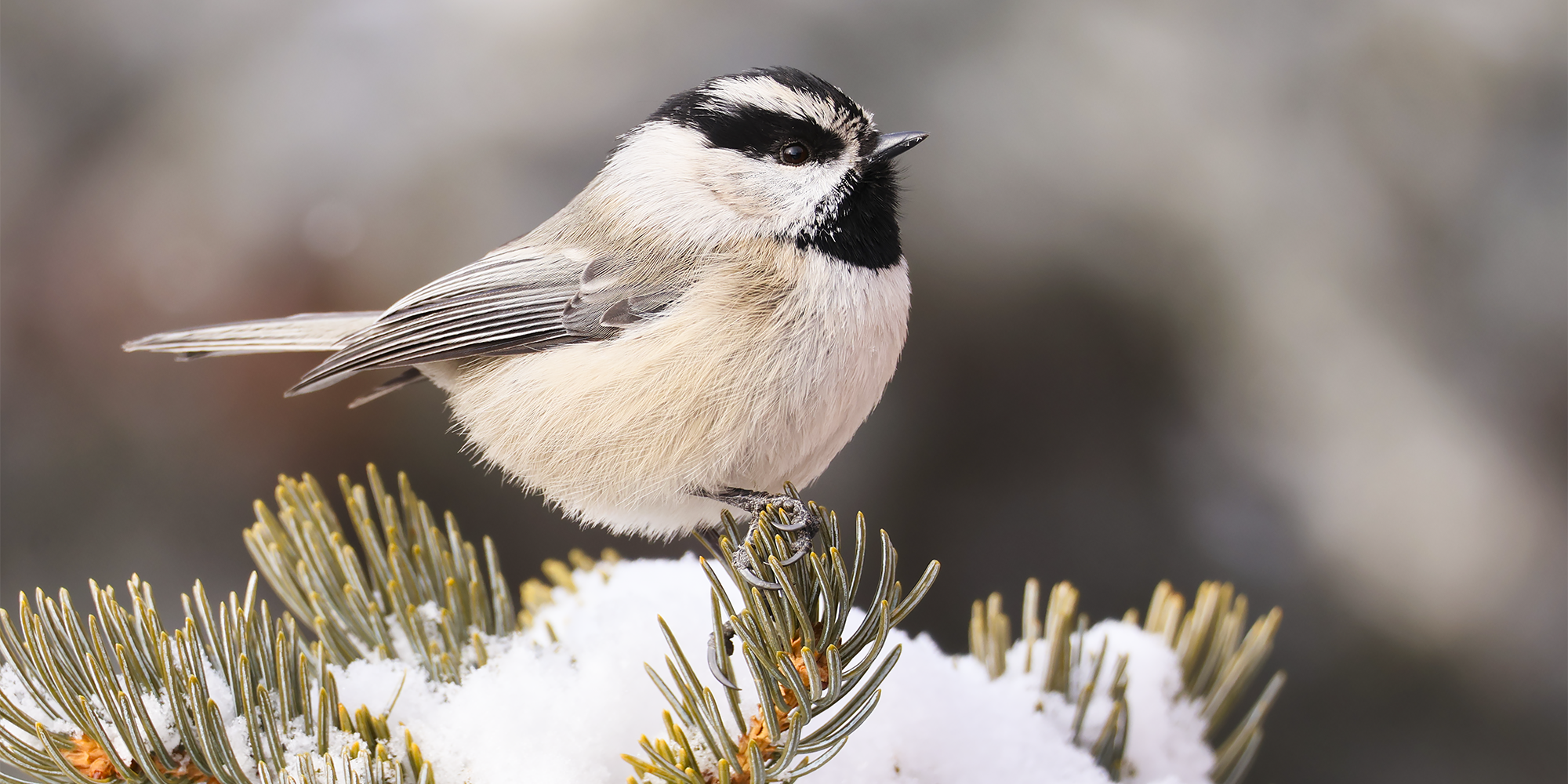
Many birds fluff their feathers in cold weather. This action increases the space between feathers and creates a thicker layer of still air. A puffed-up bird may look larger, but it is using a simple and effective form of insulation.
Birds also preen their feathers. During preening, they spread oil from a gland near the base of the tail. This helps keep feathers flexible and water-resistant. Wet, matted feathers do not insulate well, so keeping them in good shape is vital.
Birds shiver to make heat
Birds can shiver in the same basic way people do. Rapid muscle movement produces heat. This costs energy, so a bird must replace that energy with food.
Birds also raise their metabolic rate in cold weather. Their bodies burn fuel faster to keep their core temperature stable. This is why winter birds often need to feed more often, especially before a cold night.
A small bird can lose heat quickly because it has a large surface area compared with its body mass. This makes cold nights especially dangerous for wrens, chickadees, kinglets, and other small birds.
Birds reduce exposed heat loss
Birds can tuck their bills into their shoulder feathers. They may stand on one foot and pull the other foot into their belly feathers. These postures reduce the amount of skin exposed to cold air.
Some birds also reduce blood flow to their legs and feet. This limits heat loss without stopping blood from reaching the tissues. Many species use a countercurrent heat exchange system in their legs. Warm blood moving down from the body transfers heat to colder blood returning from the feet.
This system keeps the feet cool enough to reduce heat loss while still allowing normal movement. It helps explain why ducks, geese, gulls, and shorebirds can stand on cold ground or ice without quickly freezing their feet.

Why Some Birds Migrate for Winter
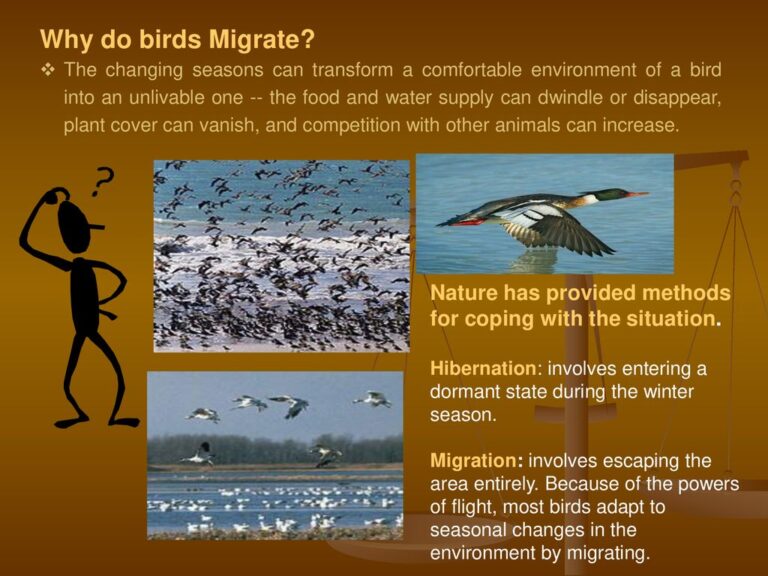
Migration allows birds to leave places where winter food becomes scarce. It also helps them avoid deep snow, frozen water, and very low temperatures.
Birds do not migrate simply because they dislike cold. Many birds can tolerate freezing weather. They migrate when the energy cost of staying becomes greater than the cost of traveling to a better habitat.
Birds follow food, not just warmth
Food supply is often the main reason birds migrate. Insects disappear or become hard to reach. Seeds may become buried under snow. Fruits may rot or drop. Ponds and wetlands may freeze.
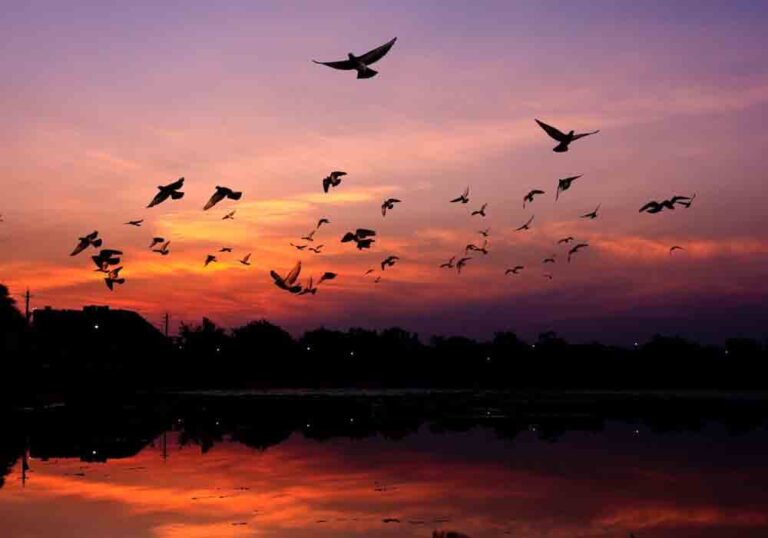
Many birds that breed in the northern United States and Canada move south in fall. Some travel to the southern United States, Mexico, the Caribbean, or Central and South America. Others move only a short distance to a lower valley, coastal area, or sheltered forest.
Examples include:
- Ruby-throated hummingbirds, which leave most of the eastern United States for winter areas in Mexico and Central America.
- Barn swallows, which migrate south because flying insects become scarce.
- Arctic-breeding shorebirds, many of which travel through the United States to winter along its coasts or farther south.
- Snow geese, which move to areas with more open water and food.
- American robins, some of which migrate while others remain in the same broad region.
Migration patterns vary by species and location. Even birds within one species may use different routes or stay in different places.
Resident birds also make local moves
A bird does not need to cross a continent to migrate. A year-round species may move several miles to find food or shelter. This is called short-distance migration or seasonal movement.
For example, some mountain birds move to lower elevations in winter. Some finches wander widely when cone and seed crops are poor. These movements may seem irregular because they depend on local food supplies.
This strategy gives birds flexibility. Instead of following one fixed route, they can move toward areas with better conditions.
Migration has serious costs
Migration uses large amounts of energy. Birds must fly long distances, cross unfamiliar areas, avoid predators, and find safe stopover sites. Storms, glass buildings, outdoor cats, habitat loss, and artificial light can increase these risks.
Migration is not a guarantee of survival. It is a trade-off. A bird leaves one set of dangers to reach conditions that may offer better food and shelter.
How Birds Find Enough Food in Winter
Winter birds survive by changing what they eat, where they search, and when they feed. Many species use stored food, dormant insects, seeds, fruit, tree buds, or prey beneath snow and leaf litter.
Birds switch to high-energy foods
Fat provides more energy per gram than protein or carbohydrates. Many winter birds seek foods rich in fats and oils, such as:
- Sunflower seeds
- Peanuts
- Acorns
- Pine seeds
- Insects and insect larvae
- Suet
- Small fish
- Carrion
- Berries and other fruit
Birds that eat seeds often have strong bills that can open hard shells. Crossbills have specially shaped bills that help them remove seeds from conifer cones. Woodpeckers use their bills to reach insects under bark.
Birds store food
Some birds hide food for later use. Jays and nuthatches may place seeds in bark cracks, soil, leaf litter, or other small hiding spots. Their ability to remember many food locations gives them access to food during storms and cold spells.
Food storage works best when the bird can protect the food from mold, theft, and other animals. It also requires a strong memory and the ability to recognize useful hiding places.
Birds search in different layers of the habitat
Winter birds do not all look for food in the same place. They may search:
- Under snow
- In leaf litter
- On tree trunks
- Inside bark
- In dead wood
- In shrubs
- On open ground
- Along shorelines
- In unfrozen streams
- Around farms and towns
This division reduces competition. A woodpecker and a sparrow may live in the same area but use different food sources.
Short winter days change feeding behavior
Birds have less daylight in winter. Many species feed actively during the morning, when they must replace energy lost overnight. They may feed again before sunset to build energy reserves for the next cold night.
During a storm, birds may spend less time flying. Flight uses energy and exposes them to wind. A bird may remain in dense cover until conditions improve, then feed quickly when it is safe.

How Birds Use Shelter and Group Behavior
Shelter blocks wind, rain, and snow. It can make the difference between losing heat and keeping a stable body temperature.
Dense plants provide useful cover
Evergreen trees and shrubs offer good winter shelter because their leaves remain in place. Thick hedges, brush piles, tree cavities, and dense vines can also protect birds from wind.
Natural cavities are especially valuable. Woodpeckers may create them, or other birds may reuse old cavities. Some species roost in hollow trees, nest boxes, or gaps under bark.
Birds may also shelter near buildings, bridges, barns, and other structures. These places can block wind, but they may also expose birds to vehicles, windows, pesticides, and predators.
Birds roost together
Some birds gather at night. A group can reduce the surface area exposed to wind and help individuals share warmth. Flocks may also improve protection from predators.
Roosting together does not remove all risk. Crowded sites can spread disease and may attract predators. Birds still need enough space, food, and safe escape routes.
Birds use microhabitats
A microhabitat is a small area with different conditions from the surrounding landscape. A south-facing slope, sheltered valley, brushy edge, or unfrozen stream may be warmer or richer in food than nearby open ground.
Birds often choose these small safe zones during severe weather. A few degrees of difference, less wind, or access to one food source can greatly reduce energy costs.

How Birds Survive Snow, Ice, and Freezing Water
Snow and ice create two main problems: they block food and increase the energy needed for movement. Birds respond by changing their search methods and using areas that remain open.
Water birds may gather where rivers, tidal areas, springs, and wastewater outflows stay open. Ducks and geese can feed in moving water or dive beneath ice-free surfaces. Some birds move to coastal areas when inland lakes freeze.
Land birds may scratch through light snow, feed from plants that rise above the snow, or search exposed ground near roads and buildings. Heavy snow can make food inaccessible, especially for birds that depend on seeds or insects near the ground.
Ice storms may be more dangerous than dry snow. Ice can coat branches and fruit, reduce access to food, and make roost sites unsafe. Wet feathers also lose much of their insulating power.
Birds may survive short cold snaps by using stored fat. Long storms are harder because birds must keep spending energy while food remains unavailable. This is why habitat with several food sources is safer than a site with only one type of food.

Do Birds Hibernate or Go Into Torpor?
Most birds do not hibernate. A few species can enter torpor, a short-term state in which body temperature and metabolism drop.
Torpor saves energy
Torpor helps a bird reduce energy use during cold nights or periods when food is limited. The best-known example in the United States is the common poorwill, which can enter extended torpor during cold conditions.
Some hummingbirds also use nightly torpor. Their body temperature and heart rate can fall sharply while they rest. This lets them save energy because their small bodies lose heat quickly.
Torpor is not the same as true hibernation. Hibernation usually involves a longer, deeper state of reduced metabolism. Most birds use short daily or nightly adjustments rather than a long winter sleep.
Torpor has limits
A bird must warm up before it can fly normally. This takes time and energy. A torpid bird may respond more slowly to predators, sudden weather, or other threats.
For this reason, torpor is one tool among many. Birds still need suitable shelter and enough food before and after the torpor period.

How People Can Help Winter Birds in the United States
People can help birds by offering clean food, water, shelter, and safer yards. The best support copies what birds need in a healthy habitat rather than relying on one feeder.
Plant native winter food and cover
Native trees, shrubs, and vines can provide seeds, berries, insects, and shelter. Good choices depend on the region. A local native plant society, county extension office, or state wildlife agency can help identify suitable plants.
Keep some leaf litter and dead stems when possible. They can shelter insects and provide food for birds. Avoid removing every fallen leaf or cutting all seed heads before winter ends.
Dense evergreen plants and thorny shrubs can offer cover from wind and predators. Place them near, but not directly beside, feeding areas so birds have a quick escape route without giving cats a hidden launch point.
Feed birds safely
Bird feeders can help during snow and severe cold, but they need regular care. Use fresh seed and discard wet or moldy food. Clean feeders often, especially during warm spells or when sick birds appear.
A mix of sunflower seed, millet, and other suitable seed can attract different species. Suet can provide energy for woodpeckers, nuthatches, chickadees, and other birds, but it may spoil in warm weather.
Place feeders where cats cannot easily hide nearby. The Cornell Lab of Ornithology recommends keeping cats indoors to protect birds. Window strikes are another risk, so place feeders either very close to windows or much farther away, and use visible window markers where needed.
Do not feed birds bread, salty foods, moldy food, or heavily processed leftovers. These foods offer poor nutrition and may create health risks.
Provide clean water
Fresh water remains useful when natural sources freeze. A shallow birdbath can help, but it must be cleaned often. Do not add antifreeze, salt, or other chemicals to keep water open.
A birdbath heater made for outdoor wildlife use may help in freezing weather if it is installed and powered safely. Keep electrical cords, outlets, and heating devices away from standing water unless the equipment is designed for that use.
Reduce other winter hazards
Keep dogs controlled near feeding and roosting sites. Prevent pesticide use when possible, since pesticides can remove insect food or harm birds directly. Check local rules before helping injured or displaced wildlife.
If a bird appears injured, contact a licensed wildlife rehabilitator. Do not force food or water into its mouth. Improper care can cause choking, stress, or further injury.

What Birds Need Most During a Cold Snap
During extreme cold, shelter, food, and water work together. One resource cannot fully replace the others.
| Winter need | Why it matters | Helpful habitat feature |
|---|---|---|
| High-energy food | Replaces heat lost overnight | Native seeds, berries, nuts, insects, or clean feeders |
| Wind protection | Lowers heat loss | Evergreen trees, dense shrubs, brush piles |
| Safe roost | Protects birds while resting | Tree cavities, thick cover, nest boxes |
| Open water | Supports drinking and bathing | Stream, spring, or clean heated birdbath |
| Escape cover | Helps birds avoid predators | Dense plants near, but not touching, feeding areas |
| Multiple food sources | Reduces risk during storms | Mixed plant layers and varied habitat |
The strongest winter habitat has diversity. A yard with only a feeder may fail when seed becomes wet or predators arrive. A yard with native plants, cover, water, and clean feeders gives birds more than one way to survive.

Common Myths About Birds in Winter
“All birds fly south for the winter”
This is false. Many birds remain in the same region all year. Some migrate short distances, while others travel thousands of miles. Migration depends on food, weather, habitat, and the species’ life cycle.
“Birds’ feet should freeze on ice”
Bird feet are adapted to cold. Specialized blood flow reduces heat loss, and the feet often remain cooler than the body. This does not mean birds are immune to frostbite. Severe cold, wet conditions, poor health, and lack of shelter can still cause injury.
“A full feeder keeps birds safe”
Food helps, but it is only part of survival. Birds also need cover, clean water, natural food, and protection from cats, windows, disease, and harsh weather.
“Birds cannot find food under snow”
Some birds cannot reach buried food, but others scratch, dig, probe, or move to exposed areas. Birds with different bill shapes and feeding habits use different parts of the winter habitat.
“Birds stop singing because they are too cold”
Birdsong often decreases in winter, but birds still use calls to stay in contact, warn of danger, defend food, and locate flock members. Many species begin singing more as daylight increases before spring.

Frequently Asked Questions
How cold is too cold for birds?
There is no single temperature that is dangerous for every bird. A healthy bird with good shelter and food may survive very low temperatures. Risk rises with wind, wet feathers, lack of food, illness, and long periods below freezing.
Should I leave my bird feeder out in winter?
Yes, you can leave a feeder out if you can keep it clean and stocked with fresh food. A feeder is most useful during snow, ice, and severe cold. Remove wet or moldy seed and clean the feeder regularly.
Do birds need water in winter?
Yes. Birds need water for drinking and feather care, even when temperatures are below freezing. Provide a shallow source of clean water, and never use salt or antifreeze to prevent freezing.
Where do birds sleep during the winter?
Birds may sleep in tree cavities, dense evergreen branches, thick shrubs, brush piles, barns, bridges, and other sheltered spaces. Some species roost alone, while others gather in groups.
Do birds feel cold in winter?
Birds can sense cold, but their feathers, metabolism, behavior, and circulation help them control body heat. They still experience energy stress during severe weather, especially when food and shelter are limited.
What should I do if I find a bird on the ground in winter?
Observe from a distance first. A healthy fledgling may be learning to fly, while an injured bird may be unable to move normally. If the bird is bleeding, cannot stand, has a drooping wing, or has been caught by a cat, contact a licensed wildlife rehabilitator promptly.
Key Takeaways
- Birds survive winter through insulation, food, shelter, migration, and energy-saving behavior.
- Feathers trap warm air, while shivering and a faster metabolism create body heat.
- Migration often follows food availability rather than temperature alone.
- Resident birds may store food, join flocks, use tree cavities, or move to sheltered habitats.
- A few birds use torpor, but most birds do not hibernate.
- People can help with native plants, clean feeders, fresh water, and protection from cats and windows.
- During a cold snap, diverse habitat is safer than dependence on one feeder or one food source.
Conclusion
Birds survive winter by managing energy with great precision. They insulate their bodies, seek rich food, shelter from wind, change their movements, and sometimes leave cold regions altogether.
The best way to help birds in the United States is to create habitat that supplies several needs at once. Plant native cover, keep food and water clean, reduce common hazards, and leave natural shelter in place. These simple actions can make a yard safer during the hardest weeks of winter.