How To Make Birds Sleep: Gentle Nighttime Tips
Introduction
The safest way to help a pet bird sleep in the United States is to provide a dark, quiet, calm space for about 10–12 hours each night. Keep the bedtime and wake time steady. Use a separate sleep cage if your home stays bright or noisy after bedtime.
Birds do not need to be forced to sleep. They need the right setting. A regular night routine supports rest, mood, eating, and normal behavior. It may also reduce problems linked to long light exposure, such as chronic calling or hormone-related behavior.
This guide focuses on companion birds kept in U.S. homes, including parrots, cockatiels, parakeets, conures, lovebirds, and similar species.

How Much Sleep Do Pet Birds Need?
Most pet birds need about 10–12 hours of quiet, dark sleep each night. Some birds may need more or less based on their species, age, health, and daily activity.
Wild birds follow the natural light cycle. Pet birds often live near lamps, televisions, phones, and household noise. These indoor lights can make a bird stay awake long after sunset.
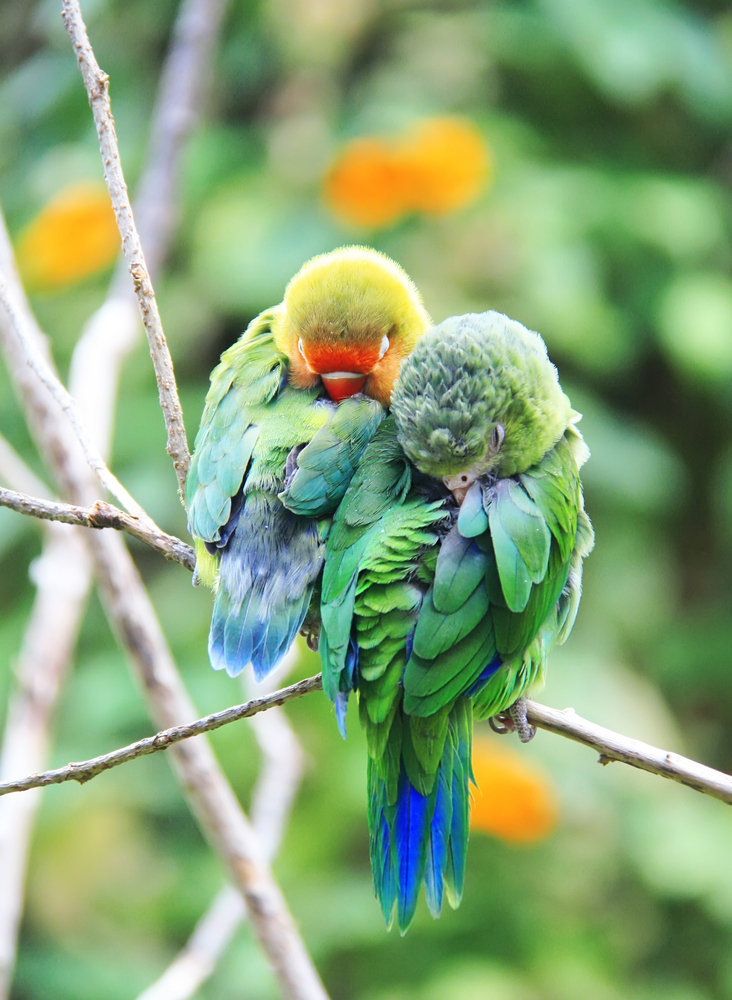
A bird may rest with one foot tucked up and its head turned toward its back. Slight fluffing is also normal during sleep. A healthy bird should wake up, become alert, and return to normal activity after the room becomes light.
Signs that your bird may not be sleeping well
Watch for changes such as:
- Sleeping much more during the day
- Frequent night frights
- Irritability or biting
- More daytime naps
- Repeated night calling
- Poor appetite
- Low activity
- Trouble perching
- Sudden changes in droppings or weight
Poor sleep can cause these signs, but illness can cause them too. A bird that stays sleepy after waking needs prompt veterinary attention.
How to Help a Bird Sleep at Night
Use the steps below to build a safe and steady bedtime routine.
1. Set a regular bedtime and wake time
Choose a schedule that gives your bird enough sleep every night. For example, you might place the bird in its sleep area at 8:00 p.m. and uncover or move it at 7:00 a.m.
Keep the schedule close to the same time on weekends. Birds often respond well to patterns. Sudden changes may lead to calling, restlessness, or night fright.
Your bird may need a different schedule if it is young, elderly, ill, breeding, or recovering from stress. Ask an avian veterinarian before changing sleep needs for these cases.
2. Create a dark sleep area
A bird usually sleeps best in a room that is dark or nearly dark. Small lights can disturb some birds, especially if they are sensitive to movement.
Good options include:
- A quiet sleep cage in a spare room
- A cage placed away from the television
- A dim, low-traffic part of the home
- A safe cage cover that allows good airflow
Do not place the cage in a kitchen, garage, bathroom, or room with fumes. Birds have very sensitive lungs. Smoke, aerosols, scented candles, air fresheners, paint fumes, and overheated nonstick cookware can harm them.
3. Keep the room quiet
Normal household sounds may keep a bird alert. Turn off the television and lower loud music near bedtime.
A steady, soft sound may help some birds. Examples include a quiet fan placed well away from the cage or low room noise from another area. Avoid sudden sounds, barking dogs, slamming doors, and loud appliances.
Do not use headphones, white-noise machines, or speakers close to the cage at high volume. Birds have sensitive hearing, and loud sound may add stress.
4. Use a safe cage cover when needed
A cage cover can block light and reduce visual activity. It is not required for every bird. Some birds sleep well without one.
If you use a cover:
- Choose a clean, breathable fabric
- Cover only after the bird is safely inside
- Keep air vents open
- Make sure the bird cannot pull loose threads
- Wash the cover often
- Remove it in the morning
Never use a heavy blanket that blocks airflow. Do not cover the cage if your bird panics when covered. A separate dark room may work better.
5. Offer a calm bedtime cue
Use the same short routine each night. You might lower the lights, speak softly, replace fresh water, and move the cage to the sleep area.
Avoid exciting play right before bed. Gentle interaction is fine, but chasing, training, loud talking, and handling can keep the bird alert.
6. Keep the sleep cage simple and safe
A sleep cage does not need many toys. Too many objects can limit movement or create hazards in the dark.
Check that:
- Perches are stable
- The bird can grip them well
- Toys cannot trap a foot or beak
- Food and water cannot spill onto the sleeping perch
- The cage has no sharp wire ends
- The bird has enough room to turn and stretch
Some birds feel safer with a familiar perch or small comfort item. Avoid fabric huts, loose fibers, and frayed tents unless an avian veterinarian has confirmed that the item is safe for your bird.

Should You Cover a Bird’s Cage at Night?
You may cover a bird’s cage if the cover helps block light and does not cause fear. A cover does not replace a quiet room or a proper sleep schedule.
Some birds become frightened when the cage goes dark. Others chew the fabric or become trapped in it. If your bird pants, flaps hard, calls in panic, or repeatedly climbs the cage after covering, remove the cover and try a dark sleep room instead.
A night-light is not always needed. It may help a bird that has repeated night frights, but bright light can also reduce sleep. If you try one, use a very dim light placed outside the cage. Ask an avian veterinarian for advice if night frights continue.
What to Do if Your Bird Will Not Sleep
First, check the room. Look for light, noise, heat, cold, pets, insects, and movement near the cage. These are common causes of poor sleep.
Next, check the routine. A bird may stay awake if bedtime changes each night or if it receives exciting attention at bedtime.
Use this order:
- Move the cage to a quiet area.
- Reduce light in the room.
- Set a fixed bedtime and wake time.
- Remove unsafe or noisy toys.
- Keep cats, dogs, and other birds away from the sleep area.
- Watch for signs of fear or illness.
- Contact an avian veterinarian if the problem continues.
Do not give a bird human sleep medicine, antihistamines, melatonin, CBD products, herbal products, or sedatives unless an avian veterinarian prescribes them. A bird’s small size makes dosing errors especially dangerous.
If your bird sleeps during the day
A short daytime rest can be normal. Long or repeated daytime sleep may mean the bird did not sleep well at night. It can also signal illness.
Track when the bird sleeps, eats, drinks, plays, and calls. Note any change in droppings or breathing. This record can help a veterinarian find the cause.
If your bird has night frights
Night frights are sudden bursts of panic during sleep. The bird may flap, fall, or strike the cage.
To reduce injury:
- Use a cage with safe spacing between bars
- Remove sharp toys near the sleeping perch
- Keep the cage away from windows and pets
- Try a dim night-light if darkness seems to trigger panic
- Check the bird calmly after an episode
- Seek veterinary care for wounds or repeated events
Do not rush into the cage with bright lights unless needed for safety. Speak softly and move slowly.

Can You Make a Wild Bird Sleep?
You should not try to catch, handle, or force a wild bird to sleep. Wild birds rest in trees, shrubs, cavities, and other natural sites. A wild bird found quiet on the ground may be injured, cold, stunned, or sick rather than asleep.
If you find an apparently injured bird in the United States:
- Keep people and pets away.
- Do not give food or water.
- Avoid handling the bird unless it faces immediate danger.
- Contact a licensed wildlife rehabilitator or your state wildlife agency.
A fledgling on the ground may be learning to fly. Its parents may still feed it. Move it only a short distance to a safe nearby spot if needed, and keep pets away.
Bird Sleep Problems: Common Causes and Safe Fixes
| Problem | Possible cause | Safe first step |
|---|---|---|
| Bird stays awake | Light, noise, or activity | Move the sleep cage to a quiet, dark area |
| Bird calls at bedtime | Routine change or need for attention | Keep bedtime steady and avoid rewarding repeated calls |
| Bird panics under a cover | Fear of darkness or the cover | Remove the cover and try a dark room |
| Bird sleeps all day | Poor night sleep or illness | Track behavior and contact an avian veterinarian if it continues |
| Bird falls from a perch | Night fright, weakness, or poor perch design | Check the cage and seek veterinary help if repeated |
| Bird chews the cover | Boredom, fear, or unsafe fabric | Remove the cover and use a separate sleep room |
| Bird pants at night | Heat, fear, or breathing trouble | Move it to fresh air and seek urgent veterinary advice |
A table cannot diagnose a bird. Birds often hide illness until they are very sick. Any sudden change deserves attention, especially when paired with breathing trouble, weakness, bleeding, vomiting, or loss of balance.

How to Tell Whether Your Bird Is Sleeping Well
A bird that sleeps well usually settles at night and becomes alert after waking. It should eat, drink, vocalize, groom, and move in a way that is normal for that individual bird.
Look for these signs:
- The bird rests quietly at night.
- It wakes at a regular time.
- It returns to normal activity after waking.
- Its appetite remains steady.
- Its droppings remain close to its usual pattern.
- It does not show repeated panic or injury.
Keep a simple sleep log for one to two weeks if you are unsure. Write down bedtime, wake time, daytime naps, night frights, food intake, and unusual behavior.

Common Mistakes That Can Disrupt Bird Sleep
Keeping the bird up late for family time
A bird may enjoy being with its family, but late nights can reduce sleep. Move the bird to a sleep cage before the home becomes active.
Changing the schedule every day
An irregular schedule can make it harder for a bird to settle. A consistent routine is usually more useful than a late bedtime followed by a long morning sleep.
Using a thick or unsafe cover
A heavy cover may reduce airflow. Loose threads may wrap around toes or nails. Use a breathable cover or choose a separate sleep room.
Relying on music or television
Background sound may comfort some birds, but it can keep others alert. Test the room without these sounds first.
Treating sleep as a behavior problem
A bird that does not sleep may be afraid, uncomfortable, or sick. Do not punish calling, movement, or night fright.
Ignoring household fumes
Birds can become ill from fumes that humans barely notice. Keep them away from smoke, sprays, scented products, and overheated coated cookware.

When to Call an Avian Veterinarian
Contact an avian veterinarian if your bird has a lasting change in sleep or behavior. Seek urgent care for breathing trouble, collapse, bleeding, repeated falling, severe weakness, or suspected poisoning.
A veterinarian can check for infection, pain, nutritional problems, respiratory disease, hormonal issues, and other causes. A bird that appears to need excessive sleep may be ill rather than simply tired.
The Association of Avian Veterinarians and the Association of Avian Veterinarians’ Find-a-Vet resources can help U.S. bird owners locate qualified care. The Merck Veterinary Manual also provides general information about bird health, but it cannot replace an examination.

Frequently Asked Questions
Is 12 hours of sleep too much for a bird?
No. Many pet birds do well with about 10–12 hours of quiet sleep. The ideal amount can vary by species, age, health, and daily routine.
Should I wake my bird up in the morning?
Wake your bird at a regular time after it has had enough sleep. Avoid sudden bright light or loud noise. Open the cover slowly or turn on room lights in a calm way.
Can a bird sleep with the television on?
Some birds may sleep through low, steady sound, but television light and sudden noise can disturb sleep. A quiet, dark room is a better starting point.
Should I use a night-light for my bird?
Use one only when darkness appears to cause night frights. Choose a very dim light outside the cage. If panic continues, ask an avian veterinarian to assess the bird and its cage setup.
Can I give my bird melatonin to help it sleep?
Do not give melatonin or any other sleep aid without veterinary direction. Human products may contain unsafe ingredients, and the correct dose depends on the bird and the medical reason.
Conclusion
To help a pet bird sleep, provide a steady bedtime, 10–12 hours of quiet darkness, safe perches, clean air, and a calm sleep area. A cage cover can help some birds, but it is not safe for every bird.
Start with the simplest change: set a fixed schedule and move the cage away from light and noise. If your bird remains sleepy, frightened, injured, or unable to settle, contact an avian veterinarian rather than using medication or force.