How Long Can Birds Fly: Flight Times Explained
Birds in the United States can fly for a few seconds, several hours, or many months, depending on the species and the reason for flying. A backyard bird may make short trips between trees, while a ruby-throated hummingbird can cross the Gulf of Mexico in one flight. Some swifts and frigatebirds may remain airborne for weeks or months.
The best answer to “how long can birds fly?” is anywhere from a few minutes to nearly a year without a normal landing, in the most extreme documented cases. However, a nonstop flight, a migration season, and a bird’s total time in the air are different things.
How Long Can Birds Fly Without Stopping?
Many birds can fly for several hours without landing. A few species can fly continuously for days, weeks, or longer.
The limit depends on the bird’s body, wings, food supply, weather, and flight style. A bird that glides on wind currents uses much less energy than one that flaps every second.
Here is a simple guide:
| Bird flight example | Approximate nonstop flight time | Main reason |
|---|---|---|
| Small songbird | Minutes to several hours | Feeding, escape, or migration |
| Ruby-throated hummingbird | About 18–20 hours over open water | Gulf of Mexico migration |
| Bar-tailed godwit | Up to about 11 days | Long-distance migration |
| Common swift | Many months with no recorded landing during parts of its life cycle | Feeding and migration |
| Great frigatebird | Several weeks to about two months | Ocean travel and foraging |
| Albatross | Many hours or days at sea | Dynamic soaring |
These figures are not a rule for every bird. They describe documented examples or well-supported estimates for particular species under specific conditions.
A bird may also stay airborne while sleeping, feeding, or resting its muscles. That does not mean it flies in the same way for the entire period. Some birds glide, circle, or ride rising air for long stretches.

What Determines How Long a Bird Can Stay in the Air?
A bird’s flight time depends on energy use, wing design, weather, body size, and access to food.
Wing shape and flight style
Birds with long, narrow wings are often built for efficient flight. Albatrosses use dynamic soaring, a technique that lets them gain energy from differences in wind speed above the ocean. They can travel long distances with limited flapping.
Swifts have narrow, curved wings and spend much of their lives in the air. They catch insects during flight and can reduce the need to land.
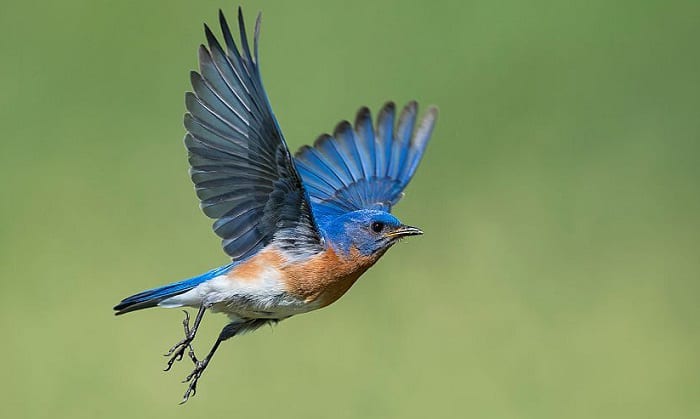
Hummingbirds use rapid wing beats. This gives them precise control and the ability to hover, but it also costs a great deal of energy. They must feed often when conditions are demanding.
Wind and weather
Wind can shorten or lengthen a flight.
A tailwind helps a migrating bird cover more ground with less effort. A headwind raises the energy cost and may force the bird to stop. Storms can push birds off course, while rising air over land can help large birds soar.
Temperature also matters. Cold air may increase energy needs, especially for small birds. Strong rain can make feathers heavy and reduce lift.
Body size and energy reserves
Birds need stored energy for long flights. Before migration, many species eat more and build fat reserves. Fat provides more energy per unit of mass than protein or carbohydrates.
A bird cannot keep adding fuel without limit. Extra weight makes flight harder. Migration therefore involves a trade-off: the bird needs enough energy to travel but must remain light enough to fly efficiently.
Food and water
Some birds can feed while flying. Swifts catch insects in the air, and frigatebirds may take food from the ocean surface or from other birds.
Other species must rely on stored energy during a nonstop flight. A bird crossing a large body of water cannot stop to feed in the same way it can over land. This is why wind, route choice, and body condition matter so much.
Sleep and rest
Some birds may sleep during flight. Researchers have found evidence that frigatebirds can take brief periods of sleep while airborne. They may sleep with one brain hemisphere at a time or take short naps during gliding.
This does not mean all birds can sleep in flight. Most birds need regular rest on land, in trees, or on water.

Which Bird Holds the Longest Nonstop Flight Record?
The bar-tailed godwit holds one of the best-documented nonstop flight records.
In 2022, a tracked juvenile bar-tailed godwit flew from Alaska to Tasmania without stopping. The bird covered roughly 8,400 miles, or about 13,500 kilometers, in around 11 days. It flew across the Pacific Ocean without landing to eat or rest.
This journey is remarkable because the bird must use stored fat for the entire trip. It also faces wind changes, storms, dehydration risk, and the physical strain of continuous flight.
Earlier tracking work documented bar-tailed godwits flying from Alaska to New Zealand for more than 7,000 miles without stopping. The exact distance and time vary by bird, route, wind, and tracking method.
A record flight does not describe the normal experience of every bar-tailed godwit. It shows what the species can achieve under suitable conditions.

Birds That Can Fly for Months
The common swift is one of the strongest examples of prolonged flight.
Research using small tracking devices found that some common swifts may remain airborne for about 10 months during the part of their annual cycle outside the breeding season. They may eat, drink, and sleep while flying. The birds return to land mainly for breeding.
This is different from a single nonstop migration flight. The swift may continue flying through many days and nights, but its path can include normal changes in speed, direction, altitude, and activity.
Frigatebirds also spend long periods in the air. Great frigatebirds can travel over oceans and remain airborne for weeks. Tracking studies have found that they use rising air, wind patterns, and brief sleep periods to reduce the cost of flight.
These species have special adaptations:
- Long wings that support efficient gliding
- Low body weight compared with wing area
- The ability to use wind and rising air
- Feeding methods that work during flight or from the air
- Strong control of body temperature and energy use
Most birds cannot do this. A sparrow, robin, crow, or chicken would need to land much sooner because its body and flight style are not built for months in the air.

How Long Can Common U.S. Birds Fly?
Birds found in the United States show a wide range of flight times. The following examples help put extreme records into context.
Ruby-throated hummingbird
Many ruby-throated hummingbirds migrate between the eastern United States and Central America. Some cross the Gulf of Mexico in a nonstop flight of roughly 500 miles.
The crossing may take about 18 to 20 hours, depending on wind and the bird’s route. Some hummingbirds may use offshore platforms, ships, or coastal areas when available, so not every bird follows one identical path.
Before migration, these hummingbirds build fat reserves. That stored fuel helps them power rapid wing beats across open water.
Arctic tern
Arctic terns migrate between breeding areas in the Arctic and winter areas near Antarctica. They may travel tens of thousands of miles in a year.
This is an annual migration distance, not one nonstop flight. Arctic terns stop to feed and rest during parts of the journey. Their impressive record comes from the full route and their long life span, not from staying in the air for an entire year.
Canada goose
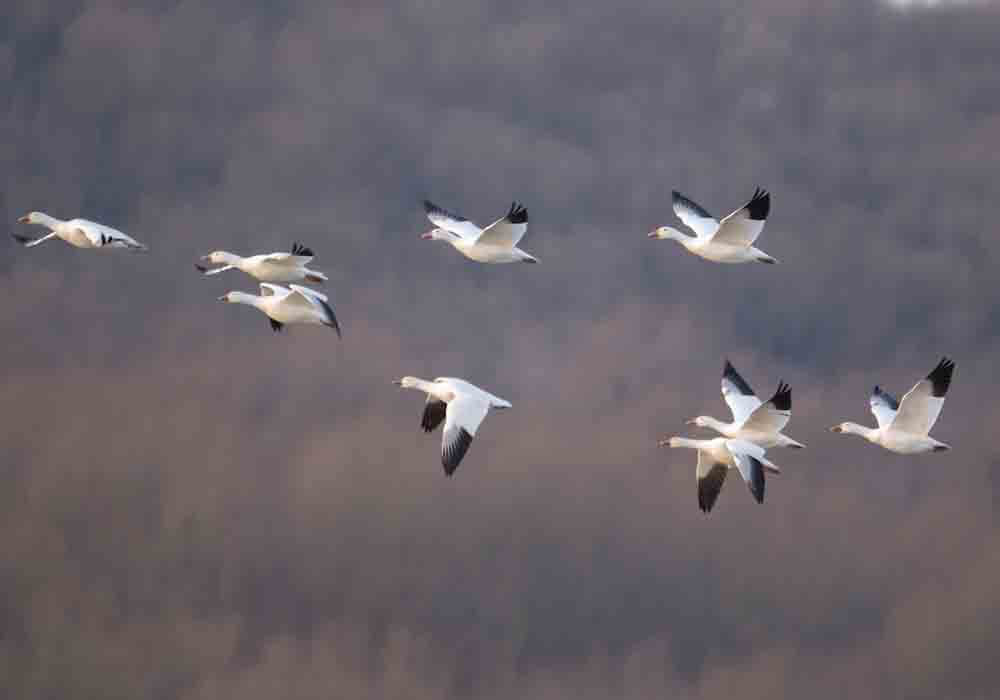
Canada geese can fly for several hours during migration. They often travel in groups and use a V-shaped formation. The formation may help birds reduce drag and conserve energy.
A goose may land to feed and rest during a long migration. Its flight time depends on weather, route, age, health, and the need to avoid predators or human disturbance.
American robin
American robins often make short flights between feeding and nesting sites. During migration, they can travel much farther and may fly at night. Their normal flight pattern is very different from that of a swift or albatross.
Bald eagle
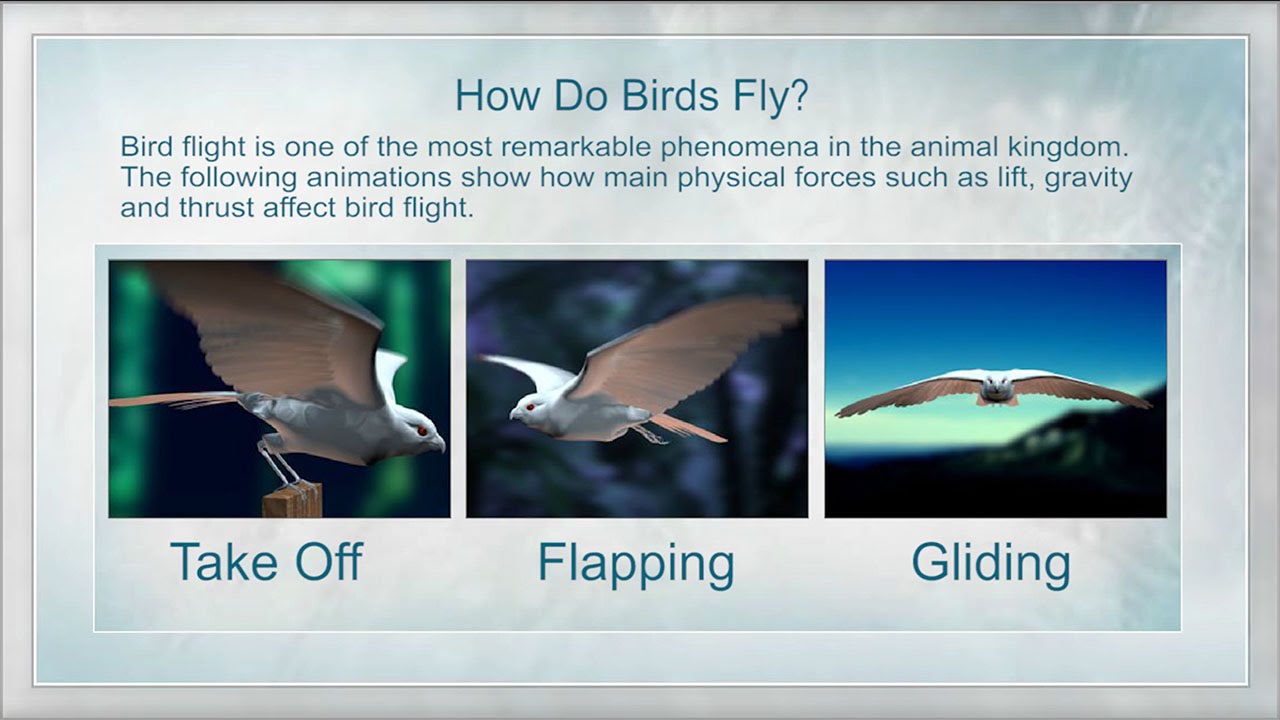
Bald eagles often use soaring flight over rivers, lakes, and open land. They can remain in the air for a long time when thermals are strong. They may flap for takeoff and then glide for much of the journey.

How Far Can Birds Fly in One Day?
A bird’s daily distance can range from a few miles to hundreds of miles.
Small migrating birds may travel several hundred miles in a night when wind conditions are favorable. Large soaring birds can also cover long distances without constant flapping.
A simple distance estimate is:
Distance = average ground speed × flight time
For example, if a bird travels at an average ground speed of 35 miles per hour for 10 hours:
35 × 10 = 350 miles
This is only a hypothetical calculation. Real birds speed up, slow down, change direction, and respond to wind. Their ground speed may differ greatly from their airspeed.
A tailwind can increase ground speed. A headwind can reduce it. The same bird may cover very different distances in equal amounts of time.

Can Birds Fly at Night?
Yes, many birds fly at night.
Nocturnal migration is common among songbirds, shorebirds, and waterfowl. Flying at night can reduce exposure to predators, heat, and turbulence. Cooler air may also make long-distance travel easier.
Birds use several signals to navigate:
- The Earth’s magnetic field
- Stars and the night sky
- The position of the Sun
- Coastlines, rivers, and mountains
- Smells and local landmarks
Artificial light can disrupt nocturnal migrants. Bright city lights may attract birds, cause collisions, or lead them away from their routes. In the United States, reducing unnecessary outdoor lighting during peak migration periods can help reduce these risks.
Can Birds Fly in Rain, Wind, or Storms?
Birds can fly in light rain and wind, but severe weather can make flight dangerous.
Rain adds weight to feathers and may reduce lift. Strong headwinds increase energy use. Thunderstorms can produce powerful updrafts, downdrafts, hail, and lightning.
Migrating birds often respond by:
- Delaying departure
- Changing altitude
- Taking a different route
- Landing in sheltered habitat
- Using favorable winds
- Flying around storm systems
A bird that appears to be struggling may be exhausted, injured, wet, or disoriented. Do not try to make a wild bird fly by throwing it into the air. Keep people and pets away, and contact a licensed wildlife rehabilitator if the bird is injured or cannot move normally.

How Long Can a Bird Fly Without Food?
The answer depends on the species and the amount of stored energy.
A bird may fly for hours or days without eating if it has built enough fat before departure. Long-distance migrants often feed heavily before a major crossing. Their bodies then use stored fat during the journey.
Birds that can feed while flying have a different advantage. Swifts can catch insects in the air. Frigatebirds can forage over the ocean. Still, these birds must eventually find enough food to replace the energy they use.
A bird cannot fly indefinitely without energy. When fat stores fall too low, the bird becomes weak and may be unable to continue.

What Is the Difference Between Flight Time and Migration Distance?
Flight time means how long a bird stays airborne during one period or journey. Migration distance means how far it travels over a route, often with stops.
For example:
- A hummingbird may fly across the Gulf of Mexico in one long flight.
- An Arctic tern may travel tens of thousands of miles in a year with many stops.
- A swift may remain airborne for months but change direction and activity many times.
- An albatross may cover great distances while gliding over the ocean.
This distinction prevents a common mistake. A bird that migrates 10,000 miles does not necessarily fly nonstop for 10,000 miles.
What Happens When a Bird Cannot Keep Flying?
A healthy bird usually lands when it needs food, rest, shelter, or a safer route. A bird that cannot land safely may be injured, ill, caught in fishing line, trapped indoors, or suffering from exhaustion.
If you find a bird on the ground:
- Keep children and pets away.
- Do not force food or water into its bill.
- Avoid handling it unless there is immediate danger.
- If it is injured, place it in a ventilated box only if a wildlife professional advises you or the situation requires immediate protection.
- Contact a licensed wildlife rehabilitator or a local animal control agency.
Do not keep a wild bird as a pet. In the United States, many native birds are protected under federal and state laws, and wildlife rehabilitation requires proper permits.

Frequently Asked Questions
How long can a bird fly before it gets tired?
Many birds can fly for several hours before landing, but the time varies by species. Small birds that flap constantly tire sooner than birds that glide or use wind currents.
Can birds fly for 24 hours straight?
Yes. Some migratory birds can remain airborne for 24 hours or more. The bar-tailed godwit and some other shorebirds can fly continuously for many days.
Can a bird fly for a year without landing?
No bird has been shown to fly continuously for a full year. However, common swifts may remain airborne for about 10 months during parts of their annual cycle, with no recorded landing during that period in tracking studies.
Which bird can fly the longest?
The common swift is a leading example for the longest time spent airborne over months. The bar-tailed godwit is one of the best-known birds for the longest nonstop migration flight.
Do birds sleep while flying?
Some birds, including frigatebirds, can take short periods of sleep while airborne. Most birds still need to land regularly for feeding, resting, nesting, or shelter.
How far can a bird fly in one day?
Some birds travel only a few miles, while migrating birds may cover hundreds of miles in a day. Wind, body size, flight style, and access to food all affect the distance.
Conclusion: How Long Can Birds Fly?
Birds can fly for very different lengths of time. A local bird may stay airborne for minutes, a migrating bird may fly for a night, and specialized species can remain in the air for weeks or months.
The longest nonstop flights belong to migratory birds such as the bar-tailed godwit, which can cross the Pacific for around 11 days without landing. The common swift shows a different kind of endurance by spending much of its nonbreeding period in the air.
When judging a flight record, check three details: the bird species, whether the flight was nonstop, and whether the figure describes one trip or an entire migration season. Those details turn a surprising number into a useful answer.

Sources and further reading
- U.S. Geological Survey: Bird migration research
- Cornell Lab of Ornithology: All About Birds
- British Trust for Ornithology: Bird migration and tracking research
- Nature: Evidence of extended flight in common swifts
- Max Planck Institute for Ornithology: Frigatebird flight and sleep research
- Audubon: Ruby-throated hummingbird migration