How Do Birds Survive Ice Storms: Survival Tips
Across the United States, ice storms can turn trees, roads, and fields into sheets of frozen glaze. These storms are especially hard on birds because freezing rain coats feathers, blocks food, and weighs down branches. Still, many birds survive by using body heat, dense feathers, sheltered roosts, stored fat, and careful feeding behavior.
Quick answer: Birds survive ice storms by trapping warm air under their feathers, raising their metabolic rate, seeking shelter from wind and ice, lowering activity, and finding high-energy food when it is available. Their feet also use a special heat-saving blood flow system. Survival becomes much harder when ice stays on the ground for many hours or days.

What Makes an Ice Storm Dangerous for Birds?
An ice storm is more than cold rain. It creates several risks at the same time:
- Heat loss: Wet feathers lose some of their insulating power.
- Blocked food: Ice can cover seeds, berries, insects, and plants.
- Limited water: Natural water sources may freeze.
- Weak shelter: Ice can break limbs and damage tree cavities.
- High energy needs: Birds burn more calories to keep warm.
- Injury risk: Falling branches and icy flight paths can cause harm.
Freezing rain is often worse than ordinary snow. Snow can sometimes provide cover and insulation. Glaze ice, by contrast, forms a hard layer over surfaces. A bird may find it difficult to reach seeds below ice or cling to an icy branch.
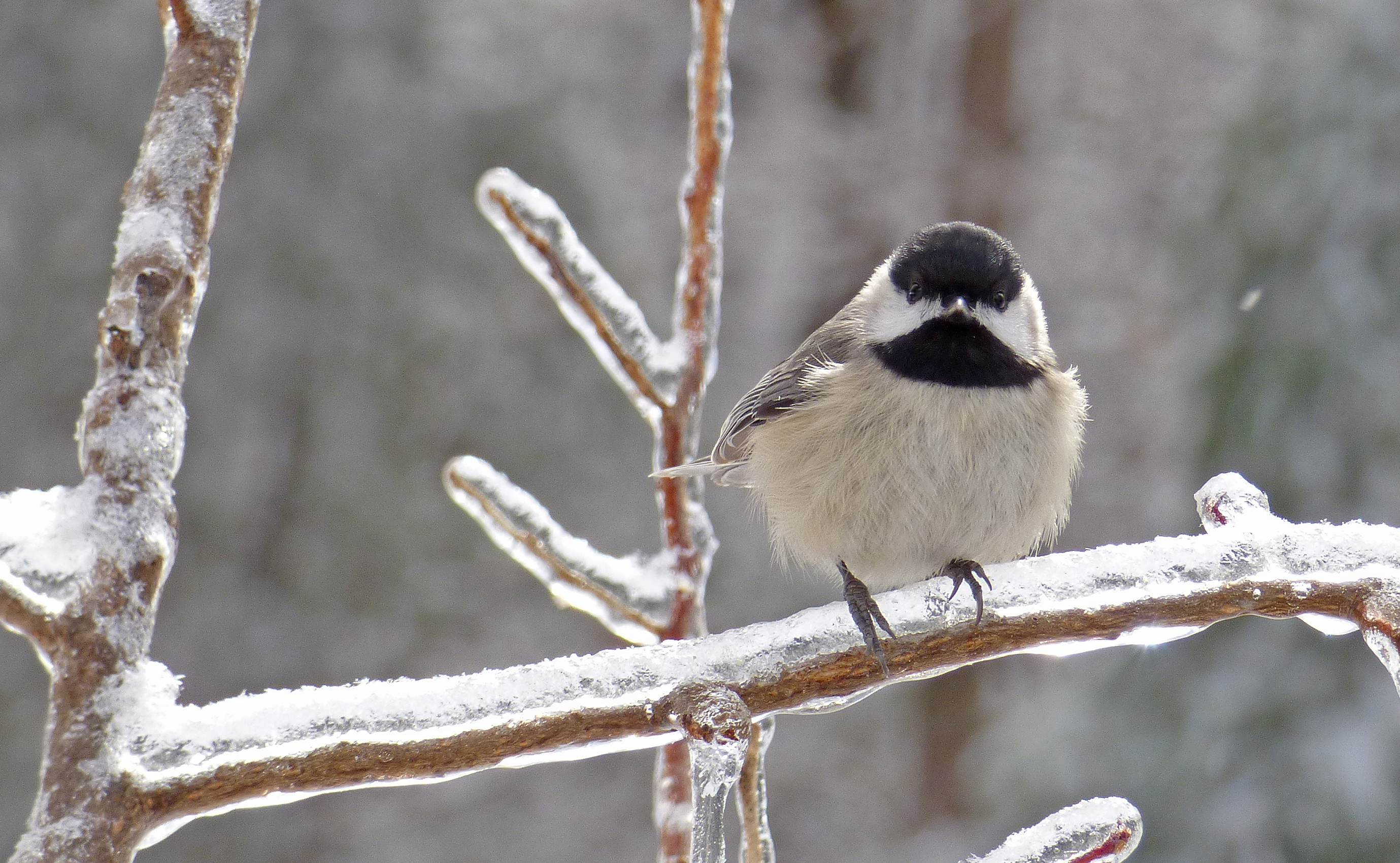
Small birds face a special challenge. They have a high surface-area-to-volume ratio. This means they lose heat faster than large birds. A chickadee, sparrow, or kinglet may need to eat often to replace the energy used for warmth.
Birds do not all face the same risk. A resident northern cardinal may remain near a backyard feeder, while an insect-eating warbler may struggle if cold weather removes its food supply. Waterfowl may have open water available, but they still need safe resting sites and enough food.

How Birds Keep Their Bodies Warm
Birds use several linked systems to stay warm during an ice storm. Their feathers provide the first layer of defense, but behavior and metabolism matter just as much.
Feathers trap warm air
Bird feathers do not create heat. They hold a layer of air next to the body. Air is a poor conductor of heat, so this layer slows heat loss.
Birds can fluff their feathers. This action increases the depth of the trapped air layer. Down feathers are especially useful because they are soft and hold a great deal of air.
Ice can reduce this protection. If freezing rain mats the feathers, the bird may lose some insulation. Birds also spend time preening, which helps keep feathers aligned and water resistant. However, during a severe storm, preening cannot remove every layer of ice.
Birds raise their metabolic rate
A bird’s metabolism is its internal process for turning food into energy. During severe cold, birds burn more energy to produce body heat.
This process requires fuel. Seeds, insects, fruit, and suet can help supply that fuel. Fat is especially valuable because it stores a large amount of energy in a small amount of body mass.
A bird that cannot find enough food may become weak. Once its body temperature drops too far, it may no longer have enough energy to warm itself. This can create a dangerous cycle:
- The bird becomes cold.
- It burns more energy to stay warm.
- Food becomes harder to find.
- Its energy stores decline.
- It loses the ability to maintain body heat.
Birds reduce heat loss from their feet
Birds often stand on ice, snow, or frozen branches without freezing their feet. They do this partly through a heat exchange system in their legs.
Warm blood flowing from the body passes close to cold blood returning from the feet. Heat moves from the warm blood to the cold blood before it reaches the feet. This system keeps the core warmer while allowing the feet to remain cooler.
The feet may approach the temperature of the surrounding surface. That saves energy because the bird does not need to keep its feet as warm as its chest. It also reduces the amount of heat lost to an icy perch.
This adaptation has limits. A bird can still suffer frostbite or cold stress during prolonged exposure, especially if it is wet, weak, malnourished, or exposed to strong wind.
Some birds lower activity
Birds may sit quietly in a protected place during the worst part of an ice storm. Less movement saves energy. They may also avoid long flights until the rain stops and visibility improves.
Small birds may enter a state called torpor during cold nights. Torpor is a temporary, controlled drop in body temperature and metabolic rate. It helps conserve energy, but the bird must warm itself again later. Not every species uses torpor to the same degree.

Where Birds Shelter During Ice Storms
Birds usually seek shelter that blocks wind and keeps ice from building on their bodies. The best site depends on the species and the local landscape.
Common shelter sites include:
- Dense evergreen trees
- Thick shrubs and hedges
- Tree cavities
- Woodpecker holes
- Nest boxes
- Rock cracks
- Barns and other open structures
- Reed beds and marsh vegetation
- Brush piles
- Protected spaces under bridges or ledges
Evergreen trees can offer useful cover because their needles block wind and some precipitation. Spruce, cedar, fir, and dense pine stands may provide better winter shelter than bare trees.
Tree cavities can also help. A cavity blocks wind and reduces exposure to freezing rain. Some birds use old woodpecker holes, natural hollows, or nest boxes. Birds may share roosts in cold weather, but crowding also increases the risk of disease and conflict.
Brush piles can help ground-feeding birds. A pile of branches creates a space where birds can escape wind and predators. It also gives them cover while they move between shelter and food.
Birds may leave an area if its shelter is poor. A yard with open lawn, few shrubs, and no dense trees may offer food but little protection. Adding native evergreen plants and thick shrubs can improve winter habitat over time.
Do not seal an occupied birdhouse or cavity during a storm. Closing the opening can trap birds inside. If you maintain a nest box, do so before winter and check that the entrance remains open.

What Birds Eat During an Ice Storm
Birds need high-energy food during and after an ice storm. Natural foods may be hidden under ice, locked inside frozen fruit, or unavailable because insects are inactive.
Foods that provide useful energy
For common backyard birds in the United States, useful options include:
- Black-oil sunflower seed
- Striped sunflower seed
- Peanuts offered in a safe feeder
- Suet made for wild birds
- Nyjer seed for finches
- Millet for sparrows and juncos
- Native berries and fruit
- Dried mealworms for insect-eating species
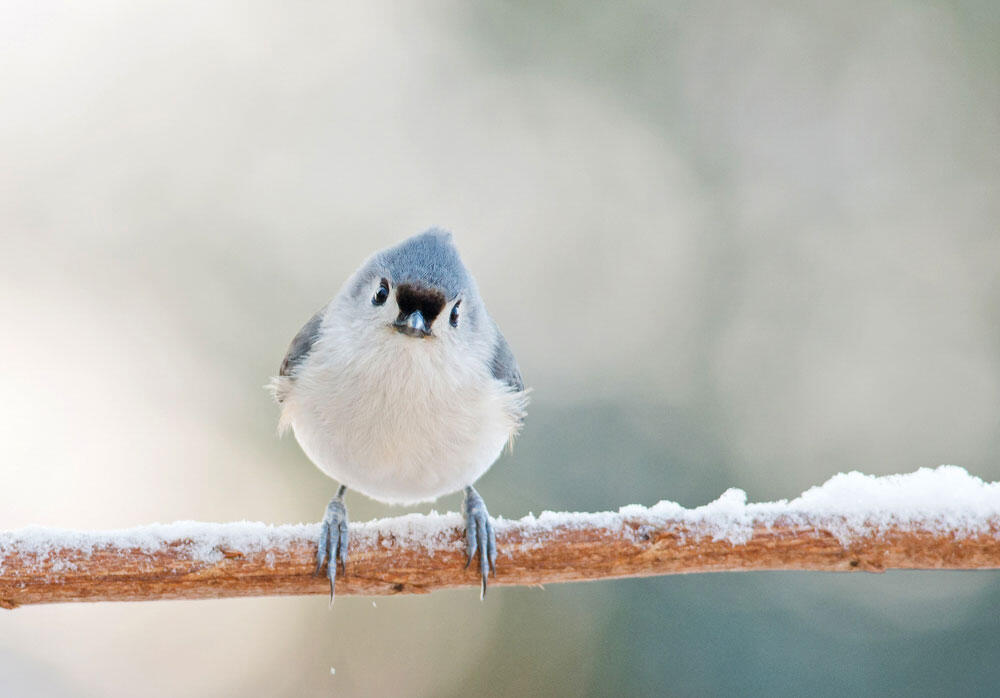
Sunflower seeds provide fat and can attract cardinals, chickadees, titmice, nuthatches, and finches. Suet can provide dense energy when temperatures are low.
Food choice should match the birds in the area. A tube feeder may work for finches and chickadees. A platform feeder may serve cardinals and other larger birds. Ground-feeding species may use a tray or a clean, sheltered patch of ground.
What not to feed
Avoid feeding birds:
- Bread as a main food
- Salty foods
- Moldy food
- Chocolate
- Foods containing artificial sweeteners
- Greasy kitchen scraps
- Uncooked dried beans
- Food treated with pesticides
Bread fills a bird’s stomach but provides limited nutrition. Salt can also be harmful, especially when birds already have limited access to clean water.
Keep feeders safe and clean
A feeder can help birds, but it can also spread disease if it stays dirty or overcrowded. Clean feeders on a regular schedule. Remove wet, moldy, or frozen food.
Place feeders where birds can see approaching predators. Keep them near cover, but not so close to dense shrubs that cats can hide beside them. A practical balance is often a few feet from shelter, with enough open space for birds to react.
Spread several feeding stations apart when possible. This reduces crowding and gives weaker birds more chances to feed.
How People Can Help Birds During an Ice Storm
The best help is simple: provide safe food, clean water, and shelter while avoiding extra hazards.
1. Put out high-energy food
Offer fresh sunflower seed or species-appropriate suet before the storm arrives. Refill feeders only when needed. Large amounts of food can become wet, frozen, or contaminated.
If ice covers the ground, place a small amount of food in a sheltered tray. Keep it off areas treated with salt, ice melt, or other chemicals.
2. Provide liquid water
Birds need water in winter. Snow is not always a good substitute because eating snow costs energy and does not provide much liquid.
A heated birdbath can help if it is designed for outdoor use and connected safely. Keep the water shallow. Change it often and clean the basin.
Never add antifreeze, salt, sugar, or chemicals to bird water. These substances can poison birds and other wildlife.
3. Protect shelter
Leave dense shrubs, evergreen branches, leaf litter, and natural ground cover in place. Avoid trimming trees during the storm unless a branch creates an immediate danger.
A brush pile can offer short-term shelter. Place it away from roads and areas where pets can reach hidden birds.
4. Reduce other risks
Keep cats indoors, especially during and after the storm. Birds may be weak and slow to escape.
Delay nonessential yard work. A bird may be resting in thick cover or a cavity. Loud activity can force it into exposed weather when it has limited energy.
If ice damages a tree, stay away from hanging branches and downed power lines. Helping birds never requires personal risk.
What to Do If You Find a Bird on the Ground
A bird on the ground is not always injured. Some birds feed on the ground, and a cold bird may sit still to save energy. Look for signs before touching it.
Possible signs of serious trouble include:
- A wing that hangs lower than the other
- Bleeding
- Inability to stand or perch
- Trouble breathing
- Eyes that remain closed
- A bird that does not move when approached
- A collision with a window or vehicle
- Visible ice covering the body
If the bird appears injured, keep people and pets away. Do not force food or water into its mouth. Do not try to thaw ice with a hair dryer, warm water, or direct heat.
For a bird that has struck a window but has no obvious injury, place it in a small cardboard box with air holes. Use a soft cloth or paper towel on the bottom. Keep the box dark, quiet, and at room temperature. Do not give food or water.
Contact a licensed wildlife rehabilitator as soon as possible. In the United States, the U.S. Fish & Wildlife Service provides information about wildlife laws and regional contacts. State wildlife agencies and local rehabilitation centers can also provide instructions.
Do not keep a wild bird as a pet. Native birds are protected under federal and state laws, with limited exceptions.

Do Birds Freeze to Death in Ice Storms?
Yes, birds can die from cold exposure, but cold is only one part of the danger. Starvation, wet feathers, exhaustion, injury, and lack of shelter may be more important in some storms.
Birds are often able to survive one cold night if they have enough fat and a protected roost. Risk rises when freezing rain lasts for a long time or when ice blocks food for several days.
The most vulnerable birds may include:
- Very small birds with limited fat reserves
- Young birds
- Older or ill birds
- Birds with damaged feathers
- Birds that rely on insects
- Birds that cannot find safe shelter
- Migrants caught in unusual winter weather
Birds in northern regions often have strong seasonal adaptations to cold. However, adaptation does not make them immune to extreme weather. A sudden ice storm can affect resident birds and migrants in different ways.
Birds may also face delayed effects. A storm can damage food plants and shelter even after the ice melts. Broken branches may remove future roost sites. Flooded or frozen ground may reduce access to insects and seeds.
Ice Storms Compared With Snowstorms
Snow and ice affect birds in different ways. The outcome depends on storm length, wind, temperature, habitat, and food access.
| Weather condition | Main challenge for birds | Possible advantage or response |
|---|---|---|
| Dry snow | Covers food and increases travel costs | Birds may find shelter under snow or in dense cover |
| Wet snow | Soaks or mats feathers | Birds seek dry roosts and reduce activity |
| Freezing rain | Coats feathers, branches, and food | Birds use cavities and dense evergreen cover |
| Strong wind | Increases heat loss and flight difficulty | Birds shelter on the downwind side of vegetation |
| Extreme cold | Raises energy needs | Birds eat high-fat food and use torpor in some cases |
| Ice followed by thaw | Creates wet, unstable habitat | Birds may regain access to food once surfaces soften |
The main practical difference is that ice often forms a hard barrier. Snow may be moved or scratched aside. Glaze ice can seal seeds, berries, and water beneath a smooth crust.

Common Mistakes to Avoid
Do not break ice-covered branches near birds
Ice-covered limbs can fall without warning. Use caution around trees, utility lines, and roof edges. Birds can move away from a branch, but a person may not see a falling limb in time.
Do not use deicing chemicals near feeding areas
Rock salt and chemical ice melt can harm birds when they ingest treated material or drink contaminated runoff. Keep feeders and water away from driveways and sidewalks treated with ice melt.
Do not overfeed
Extra food does not guarantee survival. Large piles can spoil, attract rodents, or increase disease spread. Small, fresh portions are safer.
Do not assume every quiet bird needs rescue
A bird may be resting in the safest place it can find. Watch from a distance first. Intervene when there are clear signs of injury, illness, or immediate danger.
Do not provide unsafe shelter
Avoid open boxes with sharp edges, narrow gaps, loose strings, and materials that can catch toes. Inspect nest boxes and shelters before winter, not during dangerous weather.
Frequently Asked Questions
Can birds fly during an ice storm?
Some birds can fly, but many avoid it during heavy freezing rain or strong wind. Ice can add weight to feathers and reduce control. Poor visibility and falling branches also make flight dangerous.
Do birds use birdhouses during winter?
Some birds use nest boxes and cavities as winter roosts. Others prefer dense evergreens, shrubs, or natural hollows. A birdhouse helps only if it is clean, dry, stable, and free of hazards.
Should I remove ice from a bird feeder?
Remove heavy ice only if you can do so safely. Do not climb on an icy surface or stand under an ice-loaded branch. It may be safer to offer a second feeder in a protected location.
What is the best food for birds in freezing weather?
High-fat foods are useful. Black-oil sunflower seed and bird suet are common choices. Offer fresh food in clean feeders and avoid salty or moldy scraps.
Should I put a bird indoors during an ice storm?
Usually, no. A healthy wild bird is generally safer in its natural shelter. Bring a bird indoors only when it is clearly injured, stunned, or in immediate danger, and then contact a licensed wildlife rehabilitator.
Key Takeaways
- Birds survive ice storms through insulation, body heat, energy storage, and shelter.
- Fluffed feathers trap warm air, while specialized blood flow helps protect the body from heat loss through the feet.
- Dense evergreen trees, shrubs, cavities, and brush piles can provide important cover.
- High-energy food and clean, unfrozen water can help backyard birds.
- Keep cats indoors and avoid salt, chemicals, moldy food, and unsafe rescue attempts.
- Contact a licensed wildlife rehabilitator for birds that are injured, bleeding, unable to perch, or slow after a collision.
Conclusion
Birds survive ice storms by balancing heat, energy, shelter, and risk. Their feathers and bodies give them strong defenses, but those defenses have limits. Long storms can block food, damage habitat, and leave birds too weak to recover.
You can help most by keeping fresh high-energy food available, providing clean water, preserving dense cover, and avoiding added hazards. Watch from a safe distance, and seek professional wildlife help when a bird shows clear signs of injury or illness.