Why Does My Cat Only Eat Certain Textures: Causes And Tips
Cats often prefer certain textures because of learned habits, mouth comfort, smell, and individual sensory preferences.
If you wonder, “why does my cat only eat certain textures,” you are not alone. Cats can be surprisingly selective about pâté, gravy, chunks, flakes, or crunchy kibble. Their choices may come from early food experiences, dental comfort, strong senses, or a health problem. This guide explains the likely causes and shows you how to improve your cat’s meals safely.

Why does my cat only eat certain textures?
Cats do not judge food by taste alone. They also notice smell, moisture, shape, temperature, and mouth feel. Texture can matter as much as flavor.
A cat may enjoy smooth pâté but reject shredded meat. Another may lick gravy and leave the pieces behind. Some cats prefer dry kibble because it feels familiar and stays fresh.
The answer to why does my cat only eat certain textures often comes down to comfort and routine. Cats are creatures of habit. Once they learn that one texture feels safe and pleasant, they may avoid anything different.
A cat’s food preference may also change with age. Kittens learn food habits early. Older cats may prefer softer meals if chewing becomes harder.
Common texture types include:
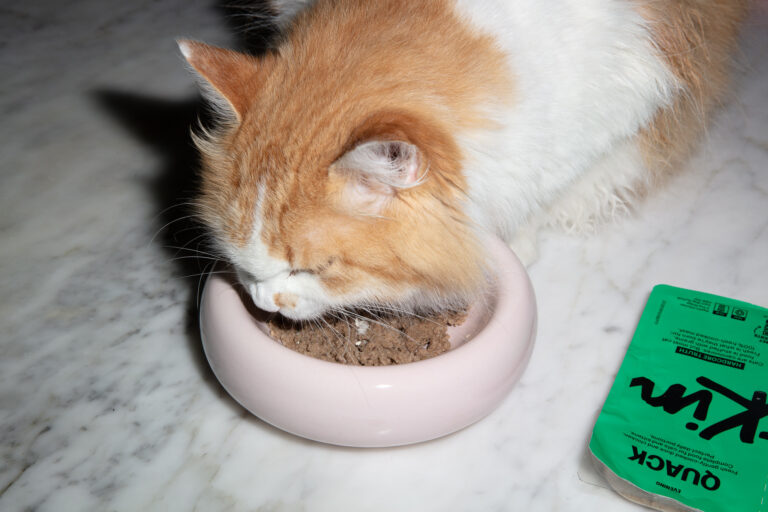
• Pâté: A smooth, blended food with little chewing needed.
• Mousse: A light, soft texture that may suit cats with sore mouths.
• Shreds: Thin pieces that feel more like meat fibers.
• Chunks: Larger pieces that need more chewing.
• Gravy or broth: A wet liquid that many cats lick first.
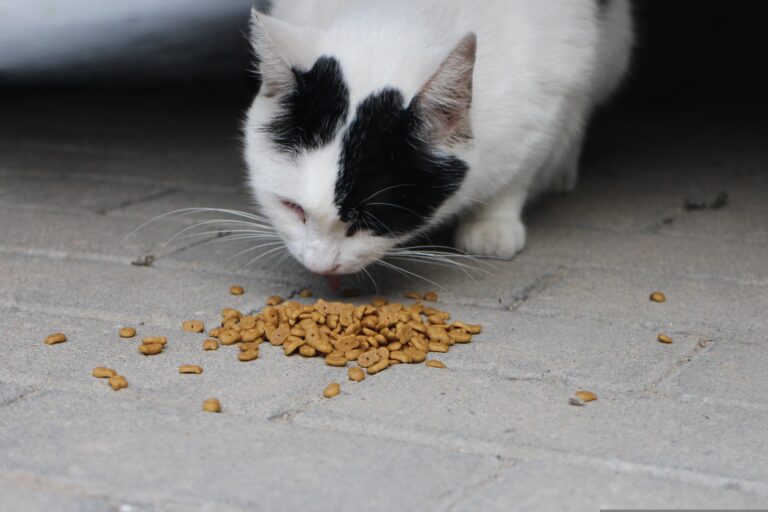
• Dry kibble: A firm, crunchy food with low moisture.
Texture preference is not always a problem. If your cat eats enough complete and balanced food, stays active, and maintains a healthy weight, a strong preference may simply be part of their personality.

Common reasons cats reject certain food textures
Early food experiences
Kittens often build food preferences during their early social period. Food variety during kittenhood may help some cats accept more textures later.
This does not mean every kitten needs a large menu. Too many sudden changes can also cause stress. The goal is calm, gradual exposure to safe foods.
A cat raised on pâté may not understand that chunks are food. The new texture can feel strange, even when the flavor is familiar.
Strong smell and sensory habits
Cats have a powerful sense of smell. Aroma helps them decide whether food is safe and appealing.
Wet food usually has a stronger smell than dry food. However, some cats dislike intense odors and prefer the mild scent of kibble.
Temperature also matters. Food straight from the refrigerator may smell less appealing. Room-temperature food often releases more aroma.
Mouth comfort
A cat may avoid hard kibble or large chunks if chewing hurts. Dental disease, sore gums, broken teeth, mouth ulcers, and inflammation can all affect eating.
Cats often hide dental pain. A cat that still acts normal may have a painful mouth. Texture changes can be one of the first visible clues.
This is a key reason why does my cat only eat certain textures should not be treated as a simple behavior question. A new preference can signal discomfort.
Learned food rituals
Cats can form strong meal rituals. They may expect food at a certain time, in a certain bowl, and with a certain texture.
A stressful event can strengthen this pattern. After vomiting, a cat may avoid the food it associates with feeling sick. This is called a learned food aversion.
Breed, age, and individual personality
Every cat is different. Some cats love variety. Others act as if a new recipe is a personal insult.
Older cats may have a weaker sense of smell. Soft, warm food may then seem more attractive. Younger cats may prefer crunchy pieces because they enjoy the chewing experience.
There is no single texture that suits every cat. The best food is one your cat eats well, digests comfortably, and receives in a nutritionally complete form.

Health problems that can change texture preferences
A sudden food preference deserves more attention than a lifelong one. If your cat has always liked pâté, that may be normal. If your cat suddenly stops eating kibble, investigate the change.
Possible medical causes include:
• Dental disease: Pain from plaque, gum disease, tooth resorption, or broken teeth can make hard food difficult.
• Nausea: Cats with stomach or kidney problems may avoid foods linked with nausea.
• Mouth inflammation: Conditions such as stomatitis can make chewing painful.
• Digestive disease: Food intolerance, inflammatory bowel disease, or other gut problems may affect appetite.
• Reduced smell: Respiratory infections can make food less appealing.
• Arthritis or weakness: An uncomfortable feeding position may reduce interest in meals.
• Kidney, liver, or thyroid disease: These conditions may alter appetite, weight, and food preferences.
Watch for other signs, such as:
• Drooling or bad breath
• Pawing at the mouth
• Dropping food
• Chewing on one side
• Vomiting or diarrhea
• Weight loss
• Drinking more water
• Hiding or low energy
• Refusing all food
A cat that refuses food for about 24 hours needs prompt veterinary advice. Kittens, overweight cats, and cats with known illness may need help sooner. Cats that stop eating can develop hepatic lipidosis, a serious liver condition, especially when they carry extra weight.
A veterinarian may examine the mouth, check weight and hydration, and recommend blood tests or dental imaging. These steps can explain why does my cat only eat certain textures when the cause is medical rather than picky behavior.
How to tell whether preference or illness is the cause
Start by looking at the timeline. A stable preference over many months is usually less urgent than a sudden change over several days.
Next, check how your cat eats. Does your cat chew normally? Does it lick gravy but leave chunks? Does it approach the bowl, sniff, and walk away? These details help show whether the issue involves texture, smell, pain, or nausea.
Keep a simple food diary for one week. Record:
• The food brand and recipe
• The texture and serving size
• How much your cat eats
• Vomiting or stool changes
• Water intake
• Energy and behavior
• Any weight change
A kitchen scale can help track body weight. Weigh your cat at the same time of day, if possible. Even small changes can matter in a small animal.
Do not assume that licking gravy means your cat has eaten a full meal. A cat may consume very few calories while appearing interested in wet food. Measure the amount offered and the amount left.
If your cat eats only one texture but eats enough of a complete diet, you can usually work on variety slowly. If your cat eats less overall, loses weight, or shows pain, call your veterinarian before trying many foods.
How to help your cat accept new textures
Change food slowly. A sudden switch can cause food refusal or stomach upset.
Try this practical plan:
-
Choose a complete and balanced food that matches your cat’s age and health needs.
-
Keep the familiar texture as the main part of the meal.
-
Add a very small amount of the new texture beside it, not mixed in at first.
-
Let your cat sniff and explore without pressure.
-
Increase the new food only when your cat keeps eating well.
-
Return to the last accepted ratio if your cat refuses the meal.
Some cats accept change better when the new food has a similar smell. For example, move from smooth pâté to a slightly thicker mousse before trying large chunks.
You can also adjust the meal:
• Warm wet food to room temperature, but never make it hot.
• Add a small amount of warm water to increase moisture.
• Mash chunks with a fork.
• Cut large pieces into smaller bites.
• Offer food on a wide, shallow plate.
• Use a clean ceramic or stainless-steel dish.
• Feed in a quiet place away from dogs, children, and busy walkways.
Avoid forcing food into your cat’s mouth. Do not punish your cat for rejecting a meal. Pressure can create fear and make the problem worse.
When cats ask why does my cat only eat certain textures, the practical answer is often that the cat needs a bridge between old and new. Small steps work better than a sudden menu change.
Nutrition matters more than texture variety
Texture variety can be useful, but it is not the main goal. Your cat needs enough calories, protein, water, vitamins, and minerals.
Look for food labeled complete and balanced for your cat’s life stage. In the United States, nutritional adequacy statements help show whether a food is designed to meet established feeding standards.
Treats, toppers, and homemade foods should not replace a balanced diet without guidance. Homemade cat diets can lack taurine, calcium, or key vitamins. Recipes from social media may look healthy but still create serious deficiencies.
Wet food may help increase water intake. This can be helpful for some cats, especially those that drink little. Still, wet food is not automatically better for every cat. The right choice depends on health, calories, ingredients, and what your cat will eat.
Dry food can be useful for convenience and portion control. However, ordinary kibble should not be treated as a substitute for dental care. Crunching food does not reliably remove dental plaque.
Ask your veterinarian about calories if your cat is gaining or losing weight. Feeding guides on packages are useful starting points, but they cannot account for every cat’s age, activity, body condition, and health.

Mistakes to avoid when changing cat food
One common mistake is changing several things at once. If you offer a new brand, flavor, texture, bowl, and feeding location together, you will not know what helped or caused the refusal.
Another mistake is offering a buffet of foods. This may teach some cats to wait for a favorite option. It can also make it hard to track calories and symptoms.
Avoid these habits:
• Withholding food for a long time to make your cat accept a new texture.
• Mixing medicine into a favorite meal.
• Adding large amounts of tuna, cream, or human food.
• Switching foods during vomiting or diarrhea without veterinary advice.
• Ignoring bad breath, drooling, or weight loss.
• Assuming a picky cat is simply being stubborn.
A better approach is calm and predictable. Serve a measured meal, give your cat time, and remove leftovers after a reasonable period. Follow your veterinarian’s advice if your cat has a medical diet.
The biggest lesson is simple: never sacrifice food intake for texture variety. A cat that eats one suitable texture is safer than a cat that refuses several foods.

When to contact a veterinarian
Make a veterinary appointment if a texture preference is new, persistent, or linked with other symptoms. A mouth exam is especially important when your cat avoids crunchy food but wants soft food.
Seek urgent advice if your cat:
• Eats nothing for about 24 hours
• Has repeated vomiting
• Shows trouble breathing or swallowing
• Has severe weakness
• Cannot keep water down
• Has sudden weight loss
• Has pale or yellow gums
• Shows obvious mouth pain
Take a short video of your cat eating if safe to do so. It may help the veterinarian see chewing, dropping food, or licking behavior that does not happen during an exam.
Bring the food package, feeding schedule, and symptom notes. Clear details can speed up the search for an answer to why does my cat only eat certain textures.
There are limits to what food behavior can tell you at home. A preference cannot diagnose dental disease, nausea, or internal illness. Only a veterinary examination and appropriate tests can confirm a medical cause.
Frequently Asked Questions About Why Does My Cat Only Eat Certain Textures
Why does my cat only eat pâté and not chunks?
Your cat may prefer the smooth feel of pâté or may find chunks hard to chew. If this preference began suddenly, ask a veterinarian to check for dental pain, gum disease, or mouth inflammation.
Why does my cat lick gravy but not eat the meat?
Some cats enjoy the smell and moisture of gravy but dislike the size or feel of meat pieces. Mashing the food may help, but reduced eating, weight loss, or signs of pain require veterinary advice.
Why does my cat only eat dry food?
Dry food may feel familiar, smell mild, and provide a crunchy texture your cat enjoys. However, a new refusal of wet food is not usually concerning if your cat eats a complete diet and remains healthy.
Can a cat’s texture preference be caused by dental disease?
Yes. Dental pain can make hard kibble or large chunks difficult to chew. Drooling, bad breath, dropping food, or chewing on one side are signs that deserve a veterinary mouth exam.
Should I force my cat to eat a different texture?
No. Forced feeding can increase fear and food aversion. Offer tiny amounts of the new texture beside the familiar food and make changes slowly.
Is it okay if my cat eats only one texture?
Usually, yes, if the food is complete and balanced, your cat eats enough, and there are no signs of illness. Texture variety is optional, but steady nutrition and healthy body weight are essential.
Conclusion
Cats often choose certain textures because of habit, smell, mouth comfort, and personal preference. The answer to why does my cat only eat certain textures may be harmless, but a sudden change can point to dental pain, nausea, or another health issue.
Track what your cat eats, introduce new textures in tiny steps, and never let food experiments reduce total intake. If you notice weight loss, mouth pain, vomiting, or a refusal to eat, contact your veterinarian promptly.
Start with one gentle change this week, and keep notes on your cat’s response. For more practical pet-care guidance, explore trusted veterinary resources and share your experience with other cat caregivers.