Why Do Cats Need Kitten Food: Benefits And Feeding Tips
Kitten food supplies extra calories, protein, fat, and nutrients that support rapid growth and brain development.
Understanding why do cats need kitten food helps you choose meals that match your cat’s age, size, and changing needs. Kittens are not simply small adult cats. Their bodies grow fast, so they need a richer and more carefully balanced diet during the first year of life.

Why do cats need kitten food?
Cats need kitten food because their bodies require more energy and nutrients during growth than adult cats usually need. A young kitten builds bone, muscle, organs, teeth, and brain tissue in a short time. This work requires fuel.
Kitten food is usually more calorie-dense than adult cat food. It often contains higher levels of protein and fat, plus key nutrients such as calcium, phosphorus, DHA, and taurine.
The main reasons kittens need special food include:
- Rapid growth: Kittens may gain weight and grow in size every week.
- High energy needs: Play, growth, and body development burn many calories.
- Brain development: DHA and other healthy fats support the nervous system.
- Muscle and bone formation: Protein and minerals help build a strong body.
- Small stomachs: Nutrient-dense food gives kittens more nutrition in smaller meals.
- Immune support: Vitamins, minerals, and antioxidants help developing defenses.
This is why do cats need kitten food is more than a simple feeding question. It is about giving a growing cat the right building blocks at the right time.
How kitten food differs from adult cat food
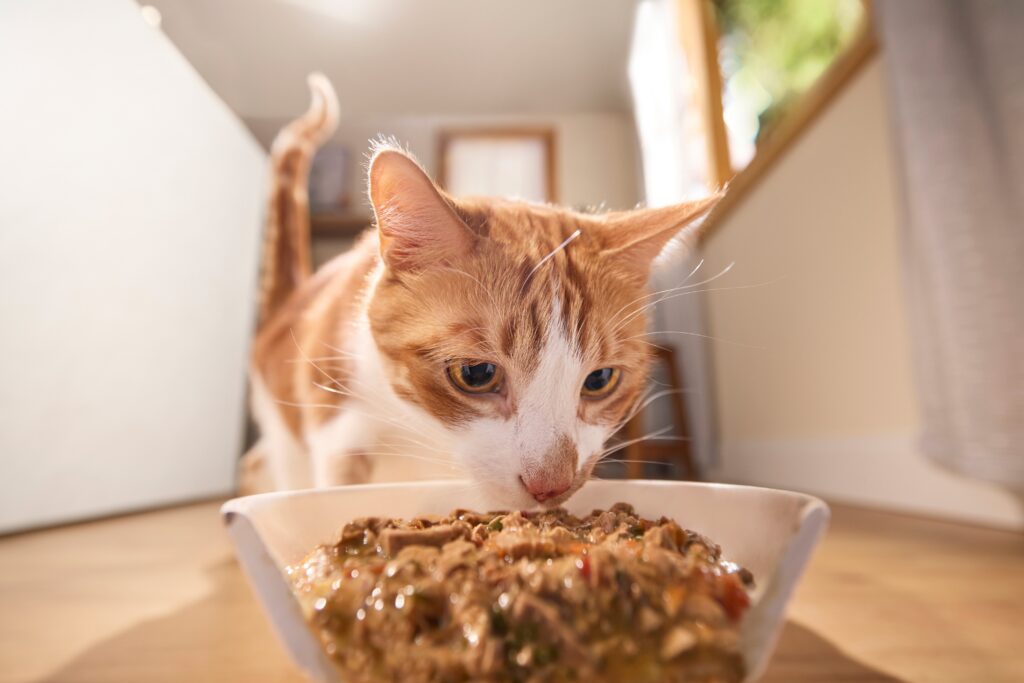
Kitten food and adult cat food may look similar, but their nutrient targets are different. Adult formulas are made for maintenance. Kitten formulas are made for growth and development.
According to established pet nutrition standards, food labeled for growth should meet the nutrient needs of growing cats. Look for a statement on the package that says the food is complete and balanced for kittens or for all life stages.
Here are common differences:
More calories
Kittens often need more calories per pound than adult cats. Their bodies use energy for growth, movement, warmth, and basic functions.
A kitten may seem to eat a lot because its needs are high. However, calorie needs vary by age, breed, activity, health, and body size.
More protein
Protein provides amino acids that help build muscle, skin, organs, enzymes, and hormones. Cats are obligate carnivores, so animal-based protein is especially important in their diet.
A good kitten food should provide enough high-quality protein without relying only on low-value fillers.
More fat
Fat is a concentrated energy source. It also helps the body absorb vitamins and supports healthy skin, fur, and brain development.
Too little fat may leave a kitten short on energy. Too much food, however, can lead to unhealthy weight gain, so portions still matter.
Key nutrients for development
Kitten formulas may provide carefully balanced amounts of:
- Taurine for vision, heart function, and normal development
- DHA for brain and eye development
- Calcium and phosphorus for bones and teeth
- Vitamin A for vision and immune health
- Zinc and iron for growth and body function
These nutrients must work together. Adding supplements without veterinary advice can upset that balance.

What happens if a kitten eats adult cat food?
A small amount of adult cat food will not usually harm a healthy kitten. An occasional bite is not a reason to panic. The concern is feeding adult food as the main diet for a long time.
Adult food may not provide enough calories, protein, fat, or growth-focused nutrients. A kitten eating it regularly could gain weight slowly, grow poorly, or miss nutrients needed for healthy development.
This explains another important part of why do cats need kitten food. The issue is not that adult food is always unsafe. The issue is that adult food may not fully meet a kitten’s needs.
Watch for signs that a kitten may not be getting enough nutrition:
- Slow weight gain
- Low energy
- Poor muscle development
- A dull or rough coat
- Loose stool or repeated vomiting
- Weakness or reduced interest in play
These signs can have many causes, including parasites or illness. Contact a veterinarian if they continue.
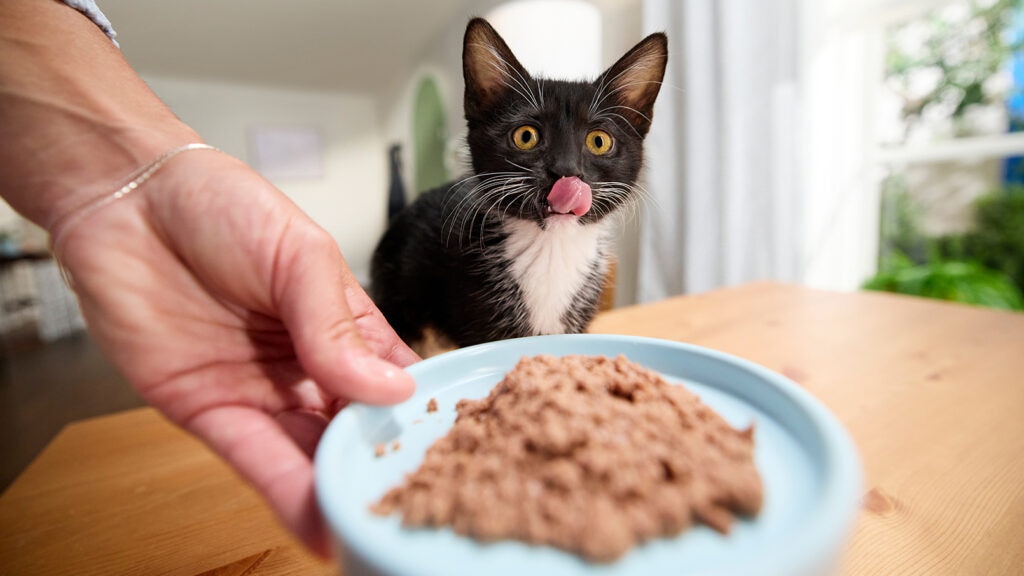
When should kittens eat kitten food?
Most kittens should eat food made for growth from weaning until about 12 months of age. Some large breeds, such as Maine Coon cats, may need a growth diet for longer because they mature more slowly.
Kittens begin trying solid food at about 4 weeks of age. They are often fully weaned between 8 and 10 weeks, though each kitten develops at its own pace.
A simple feeding guide looks like this:
- Birth to about 4 weeks: Mother’s milk or a proper commercial kitten milk replacer.
- About 4 to 8 weeks: A gradual mix of kitten food and milk replacer.
- About 8 weeks to 12 months: Complete and balanced kitten food.
- Around 12 months: A gradual transition to adult food, unless a veterinarian suggests otherwise.
Never give a kitten cow’s milk as a replacement for nursing or kitten milk replacer. It may cause diarrhea and does not provide the right balance of nutrients.
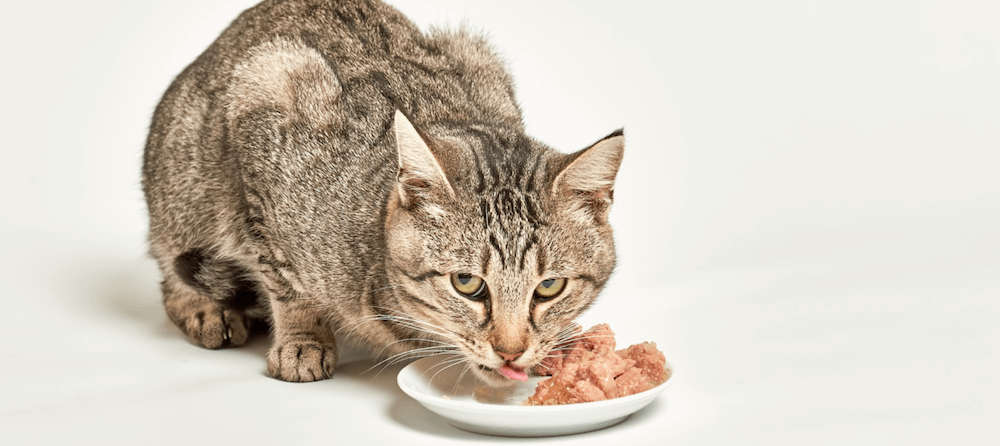
Wet or dry kitten food: Which is better?
Both wet and dry kitten food can be useful. The best choice depends on the kitten’s age, health, preferences, and ability to chew.
Wet food contains more water. This can help kittens take in fluids and may be easier for very young kittens to eat. Its soft texture also works well during the transition from milk to solid food.
Dry food is convenient, easy to measure, and often less expensive per serving. Some kittens enjoy its crunch, but very young kittens may find it hard to chew.
Many homes use both types. For example, a kitten may eat wet food for breakfast and dinner, with measured dry food offered at other times.
When choosing a product, check that:
- It is labeled complete and balanced for growth or all life stages.
- The food is made for cats, not dogs.
- The texture suits the kitten’s age and teeth.
- The kitten eats it well and has normal stools.
- The package includes clear feeding directions.
Fresh water should always be available, even when a kitten eats wet food.

How much kitten food does a kitten need?
The correct amount depends on the food’s calorie level, the kitten’s weight, age, and activity. Begin with the feeding guide on the package, then adjust with help from your veterinarian.
Young kittens often do best with three to four small meals each day. Their stomachs are small, and frequent meals can provide steady energy.
As the kitten grows, you can monitor:
- Body weight each week
- Appetite and energy
- Stool quality
- Body shape
- Growth rate
- Interest in food and play
A healthy kitten should have steady growth, bright eyes, good energy, and a soft, clean coat. You should be able to feel the ribs under a thin layer of fat, but the ribs should not be sharply visible.
Free-feeding can work for some kittens, but it may cause overeating. Measured meals are often easier to manage, especially for kittens that eat quickly or live with other pets.
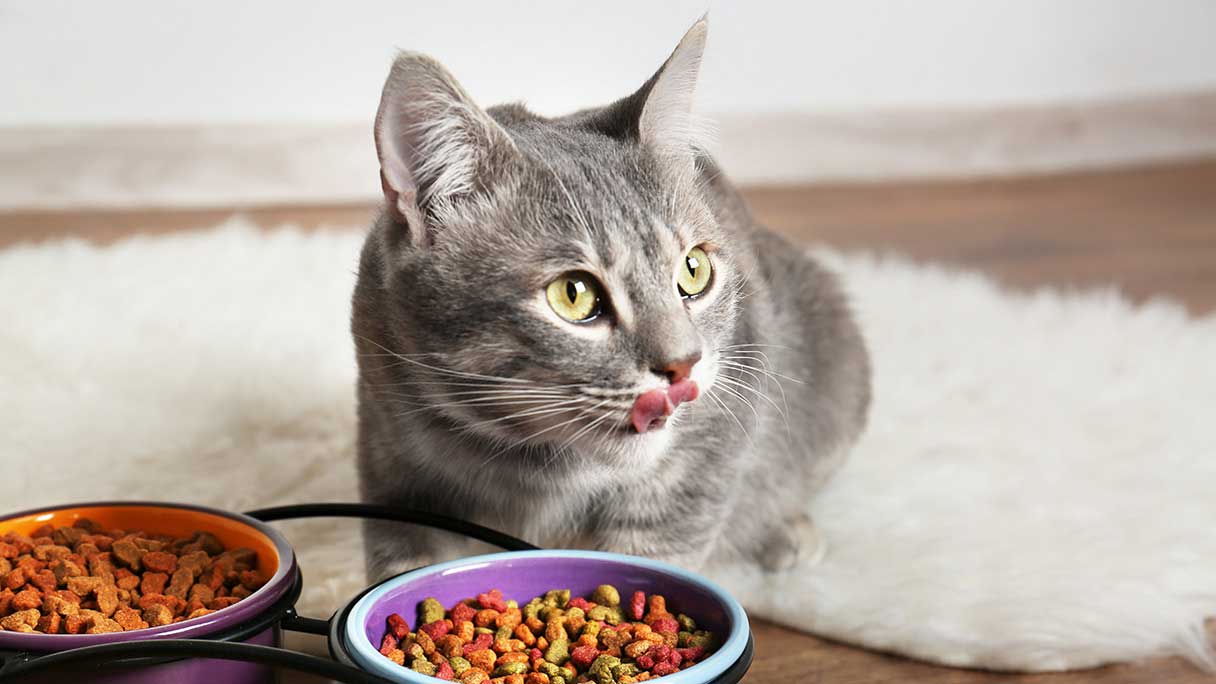
How to switch a cat from kitten food to adult food
Most cats can begin moving to adult food around their first birthday. The change should be gradual, not sudden.
A slow transition helps reduce stomach upset. Try this plan:
- Days 1 to 3: Feed about 75% kitten food and 25% adult food.
- Days 4 to 6: Feed about 50% kitten food and 50% adult food.
- Days 7 to 9: Feed about 25% kitten food and 75% adult food.
- Day 10: Feed only adult food if the cat is doing well.
Some cats need two weeks or more. If your cat develops vomiting, diarrhea, or refuses food, slow the change and call your veterinarian if symptoms continue.
A common mistake is changing food during another stressful event, such as moving to a new home. When possible, keep the old diet stable for a few days before starting a transition.
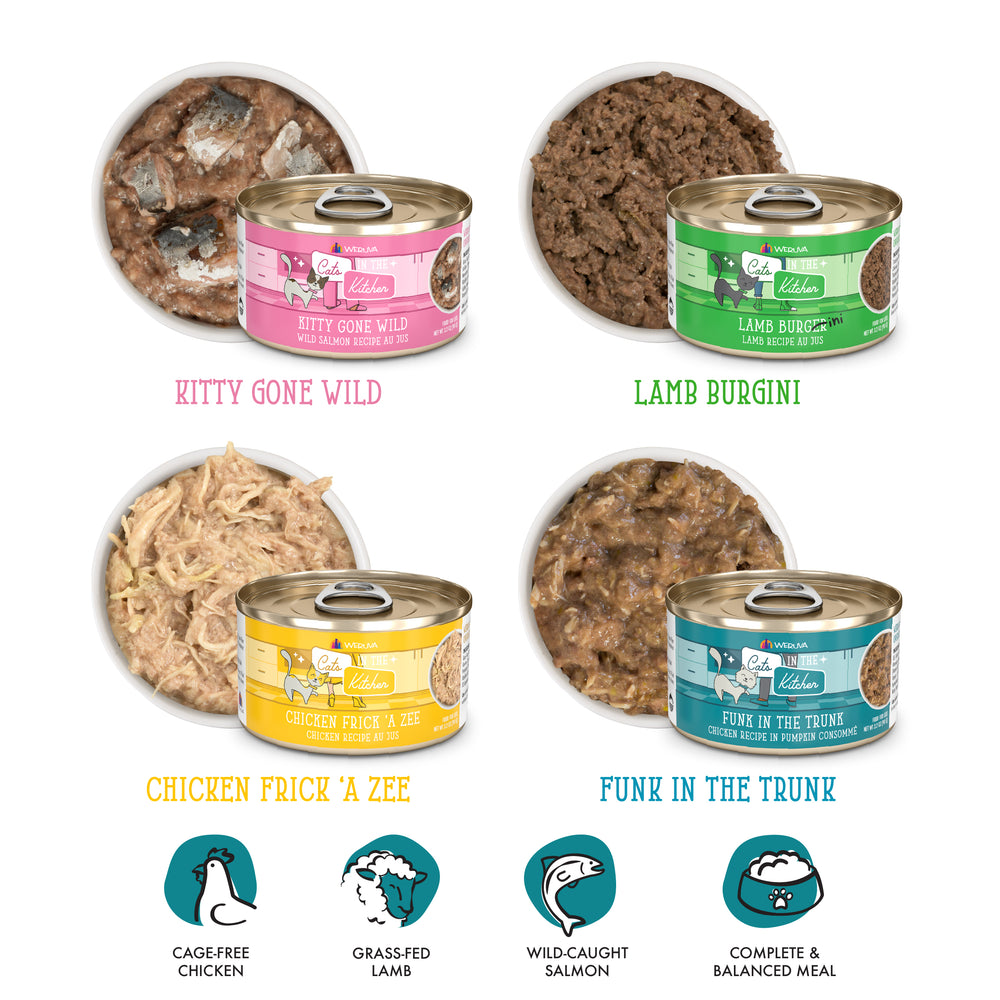
Common mistakes when feeding kitten food
Knowing why do cats need kitten food is helpful, but feeding mistakes can still happen. Most are easy to prevent.
Feeding too little
Kittens need enough food to support growth. Strictly limiting food without veterinary guidance may leave them short on calories and nutrients.
Feeding too much
Extra food is not always better. Overfeeding can cause rapid weight gain and may place stress on developing joints.
Using supplements without advice
A complete kitten food should already contain the needed vitamins and minerals. Extra calcium or vitamin products can create dangerous imbalances.
Giving homemade food without a balanced recipe
Meat alone does not provide every nutrient a kitten needs. Homemade diets should be designed by a veterinary nutrition professional.
Choosing food by marketing alone
Words such as “premium” or “natural” do not guarantee that a food meets a kitten’s needs. The complete and balanced statement matters more.
Ignoring health problems
Poor appetite, repeated diarrhea, vomiting, or failure to gain weight needs attention. Kittens can become dehydrated or weak faster than adult cats.

Can adult cats eat kitten food?
Adult cats can eat kitten food for a short time, but it is usually not the best long-term choice. Kitten food often contains more calories and fat, which may cause an adult cat to gain excess weight.
There are times when a veterinarian may recommend kitten food for an adult cat. Examples include an underweight cat, a cat recovering from illness, or a nursing mother with higher energy needs.
This is one reason why do cats need kitten food should be answered by life stage, not by age alone. Health status matters too.
If an adult cat steals a few bites from a kitten’s bowl, there is usually no concern. Feed pets in separate areas if food stealing becomes a daily habit.
Special feeding needs in kittens
Some kittens need more than a standard feeding plan. Orphaned kittens, premature kittens, and kittens with illness may require special care.
A veterinarian may recommend a specific formula for kittens with:
- Poor weight gain
- Food allergies or suspected intolerance
- Parasites
- Cleft palate or swallowing problems
- Kidney or liver disease
- Severe diarrhea
- An unusually small or large body size
Weighing a young kitten on a kitchen scale can help track progress. Use a clean towel or small container, and record the weight at the same time each day or week.
Never force-feed a weak kitten without professional advice. Food can enter the lungs if the kitten cannot swallow properly.
In my experience with common pet-care cases, the most useful habit is simple record keeping. A short note about meals, weight, stool, and energy often helps a veterinarian spot a problem early.
How to choose a good kitten food
Choosing kitten food does not need to feel confusing. Start with the nutrition statement, then consider the food’s form and your kitten’s response.
Use this checklist:
- Choose a product labeled complete and balanced for growth or all life stages.
- Select food from a company with strong quality control.
- Check the feeding guide and calorie information.
- Choose wet, dry, or mixed food based on your kitten’s needs.
- Avoid raw diets unless a veterinary nutrition expert has helped you plan one.
- Introduce new food slowly.
- Keep food fresh and store it as directed.
- Provide clean water every day.
No single brand is perfect for every kitten. A food that supports steady growth, healthy digestion, and a good body condition is usually a sensible choice.
Frequently Asked Questions About Why Do Cats Need Kitten Food
Why do cats need kitten food instead of regular cat food?
Kittens need more calories, protein, fat, and growth-focused nutrients than adult cats. Kitten food is designed to support rapid development of bones, muscles, organs, the brain, and the immune system.
Can a kitten eat adult cat food for one day?
Yes, one day of adult cat food is unlikely to hurt a healthy kitten. However, adult food should not replace kitten food for regular feeding unless a veterinarian gives specific advice.
How long should cats eat kitten food?
Most cats eat kitten food until about 12 months of age. Large breeds or cats with special health needs may need a growth diet for longer.
Is wet kitten food better than dry kitten food?
Neither is always better. Wet food adds moisture and has a soft texture, while dry food is convenient and easy to measure; many kittens do well with a mix of both.
Can kitten food make an adult cat gain weight?
Yes, it can. Kitten food is often higher in calories and fat, so regular feeding may cause an adult cat to gain excess weight.
What should I do if my kitten refuses kitten food?
Try a different texture, warm wet food slightly, and offer small meals in a quiet place. If the kitten refuses food, seems weak, vomits, or has diarrhea, contact a veterinarian promptly.
Conclusion
Kittens need kitten food because they grow quickly and require more energy, protein, fat, and key nutrients than adult cats. A complete and balanced growth formula supports strong bones, healthy muscles, brain development, vision, and immune function.
Feed small, measured meals, provide fresh water, and watch your kitten’s weight and energy. Choose food based on nutrition standards rather than marketing claims, and ask a veterinarian for help when growth or digestion seems abnormal.
Your kitten’s early diet can shape its health for years. Check the label, make changes slowly, and share your feeding questions with your veterinarian or in the comments.