Why Do Cats Need Senior Cat Food: Benefits And Feeding Tips
Senior cats need tailored food because aging can change their calorie needs, muscles, digestion, teeth, and risk of disease.
As cats grow older, their bodies may not use nutrients in the same way. Learning why do cats need senior cat food can help you choose meals that support muscle, healthy weight, hydration, and daily comfort. This guide explains what senior cat food does, when to switch, what to check on the label, and when a veterinarian should guide the diet.
What age is considered senior for a cat?
Cats do not all age at the same speed. Still, many veterinary guidelines use these general life stages:
• Adult: About 1 to 6 years
• Mature adult: About 7 to 10 years
• Senior: About 11 to 14 years
• Geriatric: 15 years and older
These ranges are useful, but they are not strict rules. A healthy 10-year-old cat may need a different diet from a thin 12-year-old cat with kidney disease.
This is one reason why do cats need senior cat food does not have one answer for every pet. Age matters, but body condition, activity, dental health, and medical history matter too.
A senior label is also not a guarantee that a food is right for your cat. In the United States, “senior” is not a tightly regulated nutrition category. Some foods offer a well-balanced formula, while others mainly use the word as a marketing tool.

Why do cats need senior cat food?
Senior cat food is designed to address common changes linked with aging. These changes can include less activity, slower digestion, dental problems, loss of muscle, and a higher risk of chronic illness.
Here are the main reasons why do cats need senior cat food:
1. Older cats may need fewer calories
Many senior cats sleep more and move less. If they continue eating the same amount of a high-calorie adult food, they may gain excess weight.
Extra weight can place stress on the joints and may raise the risk of diabetes, breathing trouble, and mobility problems. A senior formula may contain fewer calories per serving, so your cat can enjoy a satisfying meal without overeating.
However, not every older cat needs fewer calories. Some cats lose weight as they age and need more energy. This is why regular weight checks are important.
2. Senior food can help protect muscle
Muscle loss is common in aging cats. This condition is sometimes called sarcopenia. It can make jumping, climbing, grooming, and walking harder.
High-quality animal protein can help support lean muscle. Many senior formulas provide carefully measured protein from sources such as chicken, turkey, fish, or beef.
Protein needs are not the same for every cat. A cat with healthy kidneys may benefit from a protein-rich diet, while a cat with kidney disease may need a veterinary therapeutic diet with controlled phosphorus and adjusted protein.
3. Some formulas support joint comfort
Older cats may develop stiffness from arthritis or other joint problems. They may stop jumping onto furniture or spend more time in one sleeping spot.
Some senior foods include nutrients such as omega-3 fatty acids, glucosamine, or chondroitin. These ingredients may support joint health, although they cannot cure arthritis.
A diet change works best with other steps, such as a warm bed, easy access to food and water, low-sided litter boxes, and a veterinarian’s pain plan.
4. Senior cats may need more moisture
Cats naturally have a low thirst drive. This can become more important with age, especially when a cat has dental disease or kidney problems.
Wet senior cat food contains much more water than dry kibble. It can help increase daily fluid intake and may be easier to chew.
Still, canned food is not automatically better for every cat. The best choice depends on nutrition, medical needs, acceptance, and your ability to feed it consistently.
5. Digestion may become more sensitive
Some older cats develop constipation, food intolerance, or a lower ability to digest certain meals. Senior foods may include highly digestible ingredients and carefully selected fiber.
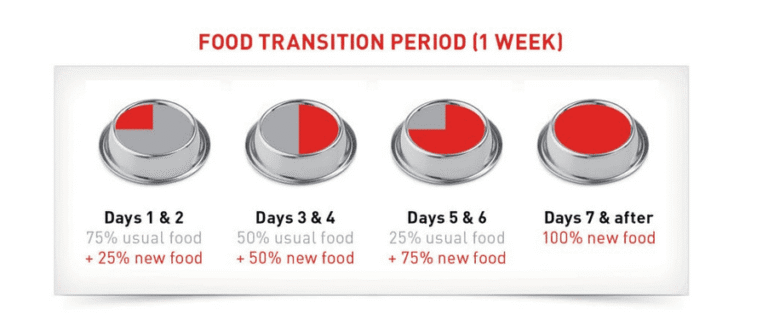
A sudden diet change can cause vomiting or diarrhea. Always switch slowly over about seven to ten days unless your veterinarian tells you to change food at once.

What nutrients should senior cat food contain?
A good senior diet should be complete and balanced for the cat’s life stage. Look for a statement on the package showing that the food meets recognized nutrient standards for cats.
Important nutrients may include:
• Animal-based protein to support muscles
• Moderate calories to help maintain a healthy weight
• Omega-3 fatty acids to support skin, coat, and joints
• Taurine for heart and eye health
• Controlled minerals when appropriate
• Digestible carbohydrates and fiber, depending on the cat’s needs
• Adequate moisture, especially in wet food
Protein deserves special attention. Older cats often need enough protein to help slow muscle loss. It is not correct to assume that every senior cat should eat a low-protein diet.
Phosphorus also matters. Cats with chronic kidney disease may need a diet with controlled phosphorus, but healthy senior cats do not always need aggressive phosphorus restriction. Ask your veterinarian before choosing a kidney diet.
The food should also provide essential vitamins and minerals. Homemade diets can become unbalanced unless a veterinary nutrition expert creates the recipe.

Senior cat food versus regular adult cat food
The main difference is usually the nutrient balance, calorie level, texture, and added ingredients. Regular adult food is made for mature cats in general. Senior food may be adjusted for common aging concerns.
A senior formula may offer:
• Fewer calories for less active cats
• More protein or highly digestible protein
• Added omega-3 fatty acids
• Extra fiber for bowel health
• Softer textures for cats with sore teeth
• Controlled minerals for certain health goals
But there is no single standard recipe for senior cat food. One product may be ideal for a healthy, overweight cat. Another may be better for a thin cat that needs more calories.
This explains why do cats need senior cat food is really a question about individual nutrition. Some older cats thrive on a high-quality adult formula, while others need a carefully selected senior or prescription diet.
How to choose the best senior cat food
Choosing food can feel confusing because packages often make big claims. Use a simple process.
Step 1: Check your cat’s body condition
Look at your cat from above and from the side. You should be able to feel the ribs under a thin layer of fat, but the ribs should not be sharply visible.
Watch for both weight gain and weight loss. A changing waistline can be an early sign that calories need adjusting.
Step 2: Read the nutritional adequacy statement
Choose a food labeled complete and balanced for cats. This statement means the product is intended to provide all required nutrients when fed as directed.
Avoid using treats, toppers, or plain meat as the main diet. These foods may not contain enough taurine, calcium, or other essential nutrients.
Step 3: Match the texture to your cat
Try pâté, minced food, chunks in gravy, or softened kibble. A cat with missing teeth may eat soft food more comfortably.
Do not assume a cat with dental disease will stop eating. Many cats continue to eat despite mouth pain. A dental exam is important if chewing changes.
Step 4: Consider medical needs
Ask your veterinarian about testing before choosing a special diet. Blood work and a urine test may detect kidney disease, diabetes, thyroid disease, or other problems.
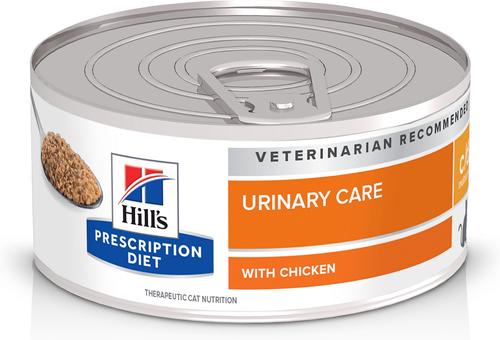
A senior cat with a diagnosed condition may need therapeutic food rather than ordinary senior food.
Step 5: Change food slowly
Mix a small amount of the new food with the old food. Increase the new portion over several days.
If your cat refuses food, vomits repeatedly, or develops severe diarrhea, stop the transition and contact a veterinarian. Cats that eat very little can develop a dangerous liver problem called hepatic lipidosis.
Do all older cats need senior cat food?
No. A senior cat does not automatically need a special formula. Many healthy older cats can continue eating a complete and balanced adult diet.
The reason why do cats need senior cat food depends on what changes with age. A food switch may help if your cat gains weight, loses muscle, struggles to chew, drinks too little, or needs nutrients suited to a health condition.
Some cats are also very sensitive to change. If your 12-year-old cat has a healthy weight, normal blood tests, good energy, and a food it enjoys, keeping the current diet may be reasonable.
The best diet is one your cat eats well and can safely digest. A theoretically perfect food is not useful if your cat refuses every bite.
Common mistakes to avoid
Even caring owners can make diet changes that create new problems. Avoid these common errors:
• Switching food overnight, which may cause stomach upset
• Choosing food only because it says “senior” on the label
• Restricting protein without a confirmed medical reason
• Ignoring gradual weight loss
• Feeding too many treats, which can unbalance calories
• Assuming dry food provides enough water
• Using human supplements without veterinary advice
• Letting a cat go without food during a diet trial
A useful habit is to weigh your cat every month. Use the same scale when possible. Small changes are easier to manage when you find them early.
In practical cat care, this is one of the clearest lessons about why do cats need senior cat food: food should support a health plan, not replace one.
When should a veterinarian check your senior cat?
Older cats benefit from regular wellness visits. Many veterinarians recommend exams at least once a year for mature cats and more frequent visits for seniors or cats with chronic illness.
Contact your veterinarian if you notice:
• Weight loss or a swollen belly
• Increased thirst or urination
• Vomiting or ongoing diarrhea
• Bad breath, drooling, or trouble chewing
• Reduced grooming
• Hiding or unusual vocal sounds
• Less jumping or difficulty using stairs
• A sudden change in appetite
These signs can point to dental disease, kidney disease, hyperthyroidism, diabetes, arthritis, cancer, or other conditions. A senior diet alone cannot treat these problems.
A basic senior check may include a physical exam, body weight, blood tests, urine testing, and a dental assessment. The exact tests should match your cat’s age and symptoms.

A practical feeding plan for an aging cat
You can make mealtimes easier with a few simple steps:
-
Feed measured portions rather than filling the bowl without limits.
-
Offer smaller meals more often if your cat eats slowly or has a small appetite.
-
Add wet food if your veterinarian agrees and your cat accepts it.
-
Place food in a quiet area away from loud appliances and other pets.
-
Use a shallow dish if your cat dislikes deep bowls.
-
Keep fresh water in more than one easy-to-reach place.
-
Track food intake, body weight, stool, thirst, and energy.
-
Introduce any new food gradually.
A cat that eats less for one meal may simply be having an off day. A cat that refuses food for a full day, especially if overweight or ill, needs prompt veterinary advice.
Frequently Asked Questions About Why Do Cats Need Senior Cat Food
What is the main benefit of senior cat food?
Senior cat food may provide calorie levels, protein, moisture, fiber, and added nutrients suited to common changes in older cats. Its value depends on your cat’s body condition and health, not age alone.
At what age should a cat start eating senior cat food?
Many cats can be evaluated for senior nutrition around age 10 or 11. Some need a change earlier, while others do well on regular adult food for longer, so ask your veterinarian for an individual plan.
Is senior cat food better than regular cat food?
Senior food is not always better. A complete and balanced adult food may suit a healthy older cat, while a cat with kidney disease or diabetes may need a prescription diet instead.
Should senior cat food be high in protein?
Many healthy older cats need adequate, high-quality protein to help maintain muscle. Cats with kidney disease may need a veterinarian-guided diet with adjusted protein and phosphorus, so do not make this change without testing and advice.
Is wet senior cat food better than dry senior cat food?
Wet food can add moisture and may be easier for cats with dental pain to eat. Dry food can also be nutritious and convenient, but the best option is the complete diet your cat eats comfortably and safely.
Can senior cat food prevent disease?
Senior food may support healthy weight, muscle, hydration, and digestion, but it cannot prevent every disease. Regular examinations, dental care, weight checks, and early testing remain essential.
What if my senior cat refuses the new food?
Return to the familiar food and try a slower transition. If your cat eats very little or stops eating, contact a veterinarian promptly rather than waiting for hunger to force a change.
Conclusion
The best answer to why do cats need senior cat food is that aging can change a cat’s nutrition needs, but every cat is different. A suitable diet may support muscle, weight, hydration, digestion, joints, and overall comfort.
Choose complete and balanced food, watch your cat’s weight, introduce changes slowly, and ask for veterinary advice when illness or appetite changes appear. Take one practical step today: check your cat’s body condition and schedule a senior wellness visit if one is due. Share your feeding experience with other cat caregivers or explore trusted veterinary nutrition resources for more guidance.