Why Do Cats Need Prescription Kidney Food: Key Benefits
Cats need prescription kidney food to reduce kidney workload and help slow disease.
If you are asking why do cats need prescription kidney food, the answer involves more than simply choosing a “healthy” meal. These diets are carefully made to support damaged kidneys, control waste buildup, and help your cat feel better. This guide explains how renal food works, when cats may need it, its limits, and how to make the change safely.
What Is Prescription Kidney Food for Cats?
Prescription kidney food, also called a renal diet, is specially formulated for cats with chronic kidney disease (CKD). It is different from standard adult cat food because it changes key nutrients that affect kidney function.
Healthy kidneys filter waste from the blood and balance fluids, minerals, and acids. When kidney tissue becomes damaged, the kidneys cannot perform these tasks as well. A renal diet helps reduce the amount of waste the body produces and supports the work that the remaining kidney tissue can still do.
Most prescription kidney diets focus on:
• Lower phosphorus levels
• Controlled, high-quality protein
• Increased calories
• Helpful omega-3 fatty acids
• Appropriate potassium levels
• Added B vitamins
• Good moisture content, especially in wet formulas
• Balanced sodium and mineral levels
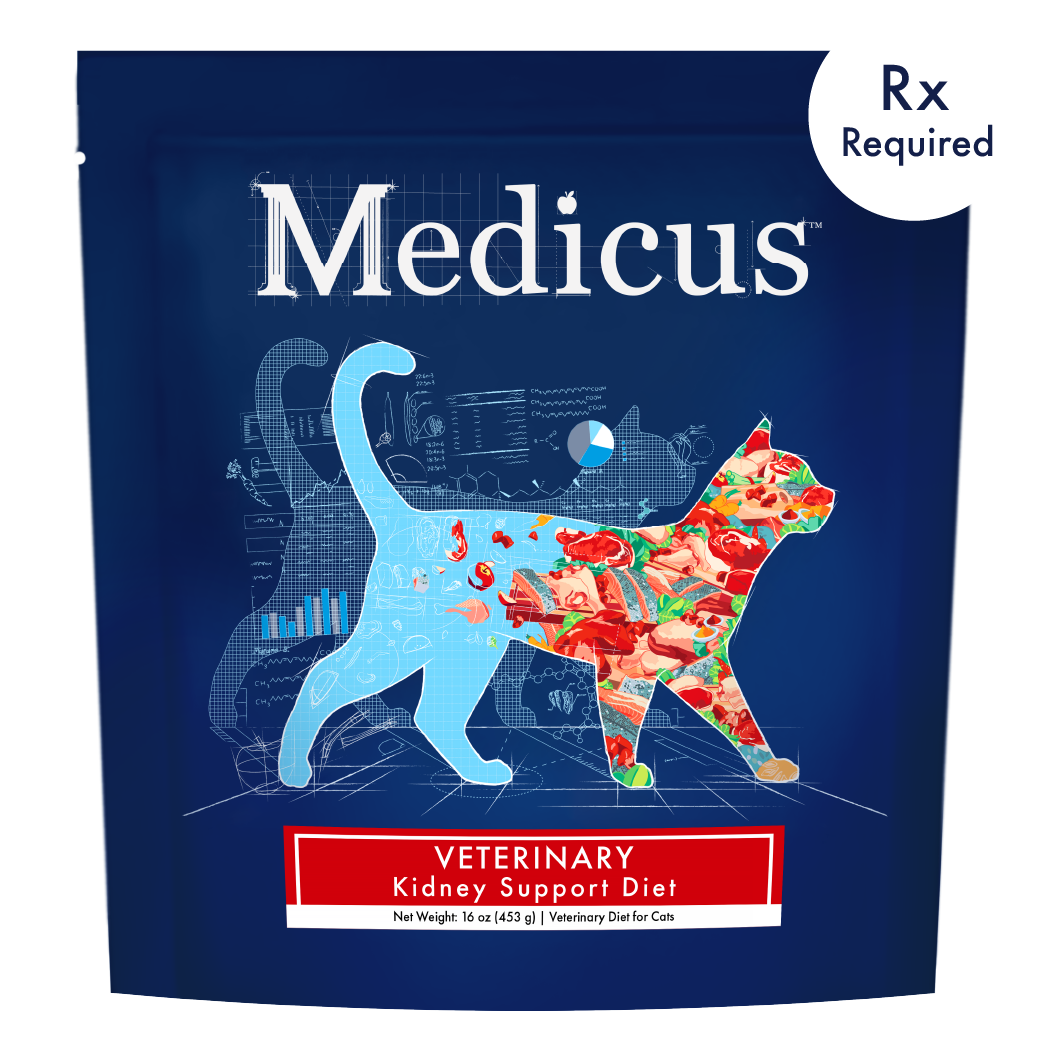
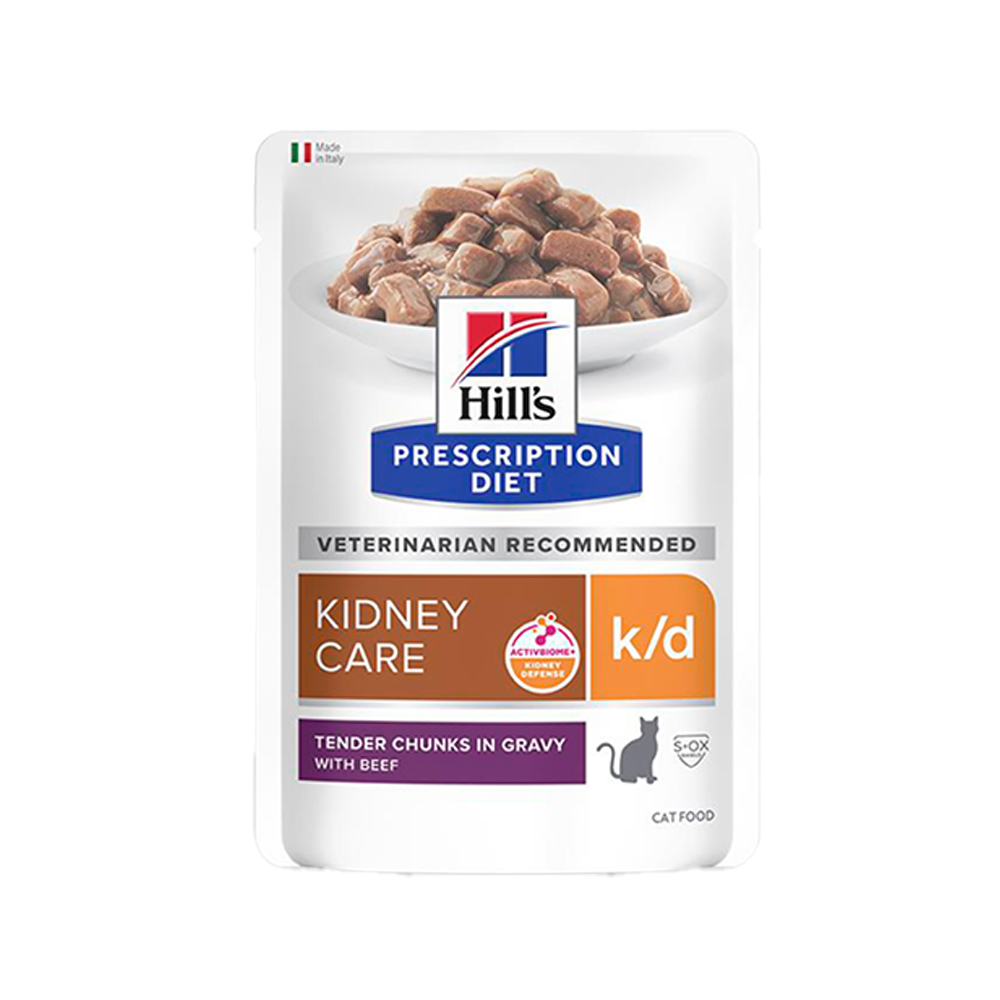
These foods are available in wet, dry, and sometimes stew-style formulas. Your veterinarian can help choose the best option based on your cat’s blood tests, urine results, weight, appetite, and stage of kidney disease.

Why Do Cats Need Prescription Kidney Food?
The main reason why do cats need prescription kidney food is that their kidneys may no longer remove waste and balance minerals normally. Food cannot repair lost kidney tissue, but it can reduce stress on the kidneys and support better day-to-day health.
Think of the kidneys as a water filter. A damaged filter can still work, but it may clog more easily. A renal diet lowers the amount of “dirt” entering the filter, which may help it work more comfortably for longer.
It Helps Control Phosphorus
Phosphorus is an important mineral, but cats with CKD may not remove enough of it through urine. High phosphorus levels can contribute to further kidney damage and may affect bones and muscles.
Prescription kidney food usually contains less phosphorus than regular cat food. This can help manage blood phosphorus levels, especially when used with regular veterinary monitoring.
It Provides Controlled Protein
Protein is vital for muscle, skin, organs, and immune function. Cats cannot live without it. However, protein metabolism creates waste products that the kidneys must remove.
A renal diet does not remove protein. Instead, it uses a controlled amount of high-quality protein to help meet the cat’s needs while limiting excess waste. The goal is balance, not protein starvation.
It Adds More Calories in Smaller Portions
Some cats with kidney disease eat less, lose weight, or feel sick. Prescription diets often contain concentrated calories, so a cat may get more energy from a smaller meal.
Maintaining body weight and muscle is very important. Weight loss can make an already ill cat weaker and less able to cope with disease.
It Supports Hydration
Many cats with kidney disease urinate more than usual. This can lead to fluid loss and dehydration. Wet prescription food contains much more water than dry food, so it can help increase daily fluid intake.
Still, wet food is not a substitute for fresh water or veterinary treatment. Place water bowls in quiet areas, and consider a fountain if your cat enjoys moving water.
It Supplies Helpful Nutrients
Renal diets may include omega-3 fatty acids, antioxidants, B vitamins, and adjusted potassium. These nutrients can support general health and correct losses linked to increased urination.
The exact formula varies by brand and product. That is why switching between diets without veterinary advice is not always wise.

How Prescription Kidney Food May Slow Chronic Kidney Disease
Research and veterinary guidelines support therapeutic renal diets for many cats with CKD. Studies have found that cats eating kidney-support diets may have fewer signs of illness and, in some cases, longer survival than cats eating standard maintenance food.
The benefit is not a cure. Chronic kidney disease usually cannot be reversed. Instead, prescription food may help reduce complications and slow the cycle of waste buildup, nausea, poor appetite, and weight loss.
Common goals include:
• Keeping phosphorus within a safer range
• Reducing nausea linked to waste buildup
• Supporting a stable body weight
• Maintaining muscle mass
• Helping control acid and mineral changes
• Supporting hydration and appetite
• Improving comfort and quality of life
Your cat’s response matters more than the label alone. A diet is only helpful if your cat eats enough of it. Refusing food for too long can cause serious problems, including hepatic lipidosis, a dangerous liver condition.

When Should a Cat Start a Kidney Diet?
The answer depends on diagnosis and disease stage. A veterinarian may recommend a prescription kidney diet after finding changes in blood work, urine concentration, blood pressure, or imaging.
The International Renal Interest Society, often called IRIS, uses stages to describe chronic kidney disease. Diet changes are commonly considered during the earlier stages and become even more important as disease progresses.
A vet may look at:
• Creatinine and symmetric dimethylarginine levels
• Blood phosphorus
• Urine specific gravity
• Urine protein levels
• Blood pressure
• Body weight and muscle condition
• Appetite, vomiting, and energy
• Hydration status
Do not wait for severe symptoms before asking about food. Cats often hide illness, and kidney disease may be advanced before the signs are clear.
Common signs include increased thirst, larger urine clumps, weight loss, vomiting, bad breath, reduced appetite, and tiredness. These signs can have many causes, so testing is needed.

Prescription Kidney Food Compared With Regular Cat Food
Regular adult cat food is designed for generally healthy cats. It aims to meet basic nutrient needs, but it may contain more phosphorus or protein than a cat with CKD can handle comfortably.
Prescription kidney food is designed for a specific medical purpose. It is not automatically “better” for every cat, and it is not meant to replace treatment for a healthy cat.
A simple comparison looks like this:
| Feature | Regular cat food | Prescription kidney food |
|---|---|---|
| Phosphorus | Often moderate or high | Usually restricted |
| Protein | Standard maintenance level | Carefully controlled |
| Calories | Varies by product | Often energy dense |
| Moisture | Dry or wet | Dry or wet, with renal options |
| Medical purpose | General nutrition | Kidney support |
| Veterinary guidance | Helpful | Strongly recommended |
Ingredient lists can be misleading. A food may look natural or premium but still contain too much phosphorus for a cat with CKD. Nutrient levels and the complete formula matter more than marketing words.
How to Get a Cat to Eat Prescription Kidney Food
Many cats dislike sudden changes. Some also develop food aversions when they feel nauseated. A slow, patient transition usually works better than replacing the old food overnight.
Try these steps:
- Offer a small amount of the new food beside the familiar food.
- Keep the bowls separate at first.
- Warm wet food slightly to increase its smell.
- Try different approved textures, such as pâté, chunks, or stew.
- Add a little warm water if your cat accepts softer food.
- Increase the new food slowly over one to two weeks.
- Keep meals calm and serve them in a quiet place.
- Ask your veterinarian about safe appetite support if needed.
Avoid forcing food into your cat’s mouth. This can increase stress and create a stronger dislike of the diet.
One practical lesson from helping pet owners manage special diets is that texture often matters as much as flavor. A cat may reject one renal pâté but accept a renal stew from the same product line. Patience and variety can prevent an unnecessary battle at mealtime.

What If Your Cat Refuses Prescription Kidney Food?
Do not allow a sick cat to go without food while waiting for it to accept a new diet. Contact your veterinarian if your cat eats very little for a day, refuses all food, vomits repeatedly, or seems weak.
Your veterinarian may suggest:
• Trying another renal food brand or texture
• Using a gradual transition
• Treating nausea or mouth pain
• Checking for dehydration
• Using an appetite stimulant when appropriate
• Offering a temporary therapeutic alternative
• Using phosphorus binders if diet alone is not enough
Phosphorus binders should only be used under veterinary direction. They must be given with meals and may interact with other medicines.
Do not add broth, deli meat, tuna in oil, milk, or salty treats without asking your vet. Some human foods contain too much phosphorus, sodium, fat, or harmful ingredients.
Can Cats Eat Treats on a Kidney Diet?
Small treats may be possible, but they should not replace the renal diet. Treats can add phosphorus and calories that may weaken the nutritional plan.
Ask your veterinarian which options fit your cat’s lab results. In many cases, suitable choices may include small amounts of the prescription food used as treats or carefully selected low-phosphorus snacks.
Keep treats limited. A useful rule is to keep extras below about 10 percent of daily calories unless your veterinarian gives different advice.
Avoid frequent servings of:
• Organ meats
• Dairy products
• Bones or bone meal
• Processed meats
• Large amounts of fish
• Salty table food
• Unapproved supplements
Even healthy foods can be unsuitable for a cat with kidney disease. “Natural” does not always mean “safe for CKD.”

Common Mistakes to Avoid
Understanding why do cats need prescription kidney food also means understanding what can reduce its benefit. The most common mistakes are easy to make, especially when a cat seems picky or unwell.
Changing Food Too Fast
A sudden change may cause diarrhea, vomiting, or refusal. Move slowly unless your veterinarian gives urgent instructions.
Focusing Only on Dry Food
Dry food can be useful for some cats, but wet food may provide more water. If your cat eats only dry food, discuss ways to increase fluid intake safely.
Ignoring Weight Loss
A cat can appear to eat “some” food while still losing muscle. Weigh your cat regularly and tell your vet about any steady decline.
Using Human Supplements
Some supplements can affect the kidneys or interact with medicine. Never add phosphorus binders, vitamins, herbs, or electrolyte products without professional advice.
Assuming Food Alone Is Enough
Kidney disease may also require fluids, blood pressure medicine, nausea treatment, potassium support, dental care, or other treatment. A renal diet is one part of a wider care plan.
Monitoring Your Cat After Starting a Renal Diet
Regular checks show whether the food is helping. Your veterinarian may repeat blood and urine tests after a few weeks or months, depending on your cat’s condition.
At home, watch:
• Appetite
• Water intake
• Urine volume
• Vomiting
• Stool quality
• Energy
• Breath odor
• Weight and muscle condition
• Hiding or unusual behavior
Keep a simple record. Note what your cat eats, any vomiting, and weekly weight. These details can help your veterinarian spot changes sooner.
A renal diet may need adjustment over time. Kidney disease is not always steady. Some cats remain stable for months, while others change quickly.
Why Do Cats Need Prescription Kidney Food Instead of Homemade Food?
Homemade diets can seem appealing, but they are difficult to balance for a cat with CKD. Small errors in phosphorus, calcium, potassium, sodium, or protein can create health problems.
If you prefer home-cooked meals, work with a board-certified veterinary nutritionist. A recipe made for a healthy cat is not automatically suitable for kidney disease.
Commercial prescription diets have controlled nutrient profiles and quality checks. They are usually the safest starting point for most cats, although the best choice still depends on individual test results and eating habits.
Frequently Asked Questions
Why do cats need prescription kidney food if they seem healthy?
Cats often hide illness, especially in the early stages of kidney disease. Prescription kidney food may help manage abnormal phosphorus, protein waste, and calorie needs before severe signs appear. Your veterinarian should confirm whether the diet is appropriate.
Can prescription kidney food cure chronic kidney disease?
No. Chronic kidney disease usually involves permanent loss of kidney function, so food cannot restore damaged tissue. A renal diet may help slow progression, reduce complications, and improve comfort.
Can a healthy cat eat prescription kidney food?
A healthy cat usually does not need a restricted kidney diet. Long-term use without a medical reason may provide an unsuitable balance of nutrients, so ask your veterinarian before feeding it regularly.
Is wet prescription kidney food better than dry food?
Wet food can help increase water intake, which may benefit cats that urinate often. However, the best food is the complete renal diet your cat will eat in a suitable amount. Some cats need a mix of wet and dry food.
How long does it take for a cat to accept kidney food?
Some cats accept it in a few days, while others need several weeks. Offer it slowly, try approved textures, and treat nausea or mouth pain if present. Never let a sick cat stop eating while waiting for acceptance.
What happens if my cat eats regular food sometimes?
An occasional bite usually does not erase the diet’s benefits, but frequent regular food may increase phosphorus or other nutrients. Keep the renal diet as the main food and ask your veterinarian about suitable treats.
Conclusion
Prescription kidney food helps because it is built around the needs of cats with reduced kidney function. It controls phosphorus, uses balanced protein, provides useful calories, and may support hydration and comfort. It does not cure CKD, but it can be a valuable part of long-term care.
The best plan combines the right diet with regular blood tests, weight checks, fresh water, and treatment for symptoms such as nausea or high blood pressure. If your cat refuses the first renal food, do not give up; ask your veterinarian about other formulas and safe feeding strategies.
Start by booking a veterinary checkup, reviewing your cat’s test results, and choosing a food your cat will eat consistently. Explore trusted kidney-care resources and share your feeding experience with other cat owners.