Why Do Cats Need Urinary Prescription Food: Vet Guide
Cats need urinary prescription food to control urine chemistry, dissolve some crystals, prevent blockages, and reduce painful flare-ups.
If you are asking why do cats need urinary prescription food, the answer starts with how carefully a cat’s urine must stay balanced. Certain cats form crystals or stones when their urine is too concentrated or has the wrong mineral and pH levels. A properly designed veterinary diet can help change that internal balance, but it is not the right choice for every cat.
This guide explains how urinary prescription food works, which cats may benefit, what it can and cannot treat, and how to use it safely. It also covers warning signs that need urgent veterinary care, because a blocked urinary tract can become life-threatening in a short time.
What is urinary prescription cat food?
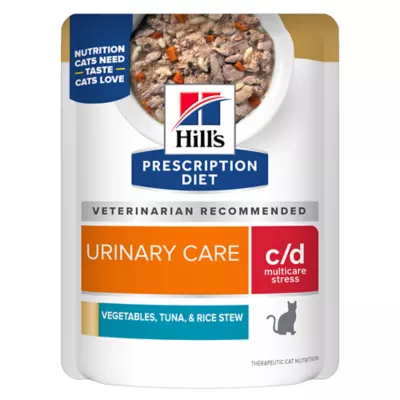
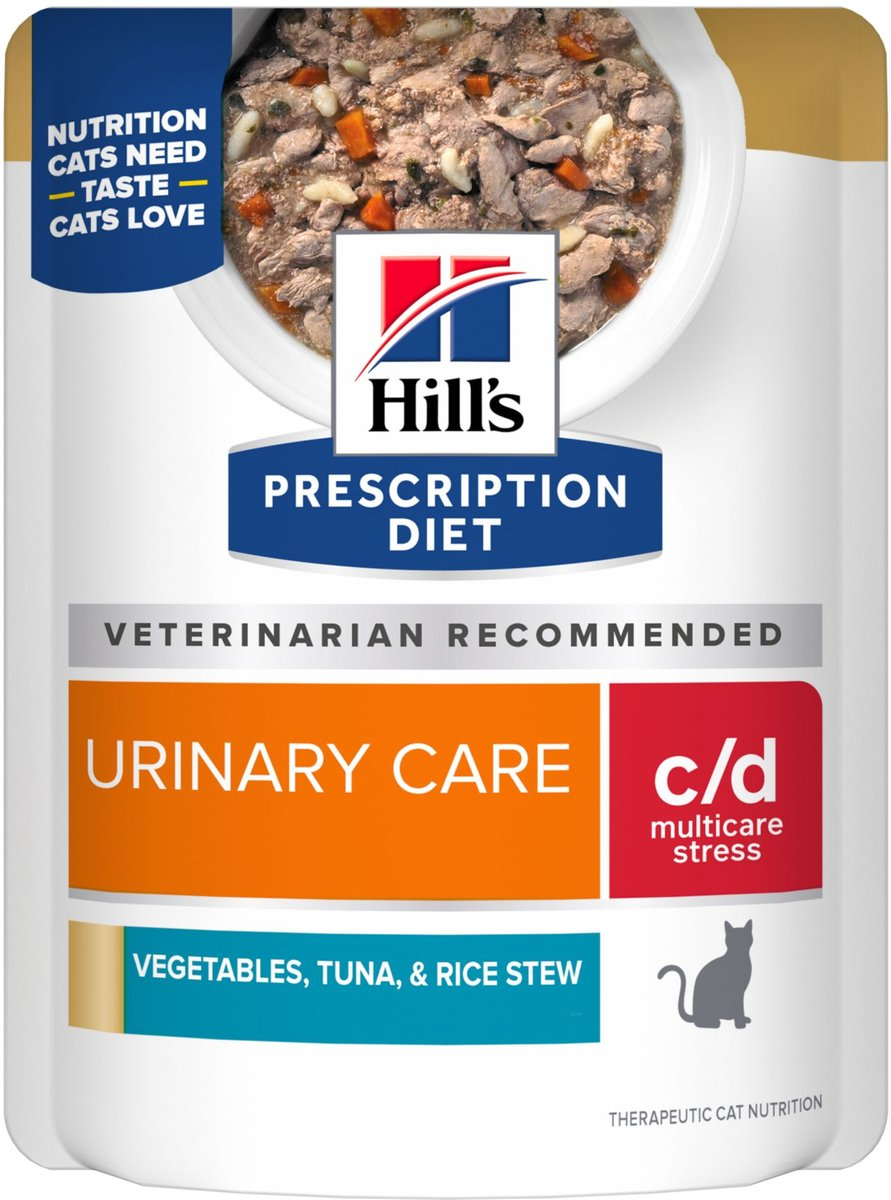
Urinary prescription food is a therapeutic diet made for cats with specific urinary tract problems. A veterinarian may recommend it for crystal formation, bladder stones, recurring cystitis, or a history of urethral blockage.
Unlike regular cat food, this diet is formulated to manage several factors at once:
• Urine concentration
• Urine pH
• Magnesium, phosphorus, and calcium levels
• Water intake
• Mineral waste in the urine
• The risk of certain crystals or stones
Some urinary diets are designed to dissolve struvite stones. Others are made to help prevent stones from returning. These are not always the same product, so your veterinarian should guide the choice.
When people ask why do cats need urinary prescription food, they often assume the food simply “cleans” the bladder. It does not. Instead, it changes the urine environment so crystals are less likely to form or grow.
The diet works as one part of a larger treatment plan. Your cat may also need pain relief, fluids, medication, stress control, or a procedure to remove a blockage.
Why do cats need urinary prescription food?
Cats need urinary prescription food when their urine chemistry puts them at higher risk of urinary disease. The food can help make urine more dilute and can keep certain minerals from joining together to form crystals.
Think of the bladder as a small bowl. If the liquid inside becomes too concentrated, minerals have a better chance of clumping together. More dilute urine gives those minerals more room to stay dissolved.
Here are the main reasons a veterinarian may recommend it:
To dissolve some struvite stones
Struvite stones are made from magnesium, ammonium, and phosphate. In some cats, a special prescription diet can dissolve these stones by creating urine that is less favorable for struvite growth.
This only works for certain stone types. Calcium oxalate stones, for example, do not dissolve with diet. They often need removal and a different prevention plan.
To lower the risk of crystal formation
Urinary diets control the amount of certain minerals that reach the urine. They also manage urine pH, which can affect whether crystals form.
The goal is not to remove every mineral. Cats need minerals for good health. The goal is to keep the balance within a safer range.
To increase urine dilution
Many urinary prescription foods contain more water than dry food. Wet food can help increase total water intake and produce a larger volume of dilute urine.
Some cats drink very little from a bowl. Their natural thirst may not be enough to offset a dry diet, especially if they have a history of bladder trouble.
To support cats with recurring urinary disease
Some cats have repeated episodes of bladder inflammation, crystals, or stones. A prescription diet may reduce the chance of another episode when used with good hydration and stress control.
It is not a guarantee. Cats can still have urinary problems while eating a therapeutic diet.
To help manage feline idiopathic cystitis
Feline idiopathic cystitis, or FIC, causes bladder pain and inflammation without a clear infection or stone. Urinary food may help by increasing water intake and reducing urine concentration.
However, FIC is also strongly linked with stress. Food alone may not solve the problem. A calm home, clean litter boxes, daily play, and safe hiding areas can be just as important.
So, why do cats need urinary prescription food? They need it because targeted nutrition can lower some of the physical pressures that lead to crystals, stones, and painful bladder episodes.

How does urinary prescription food work?
Urinary prescription food works through a few key nutrition changes. Each formula has its own design, so the exact effect depends on the brand and the medical problem.
It controls urine pH
Urine pH measures how acidic or alkaline the urine is. Some crystals form more easily in alkaline urine, while others are linked with more acidic urine.
A urinary diet may gently shift urine pH to make it less suitable for a particular crystal type. This is why randomly adding acidifiers or supplements can be risky. Changing pH without knowing the crystal type may create a new problem.
It manages mineral levels
Therapeutic diets often control minerals such as magnesium and phosphorus. They may also manage calcium and other nutrients linked with stone formation.
This does not mean that ordinary minerals are harmful in normal amounts. It means a cat with a known urinary risk may need a more precise balance.
It promotes more dilute urine
Wet urinary food adds water directly to the meal. Some diets also encourage drinking through their taste and texture.
Dilute urine may reduce the concentration of crystal-forming substances. It also allows the bladder to empty more often, which can be helpful for some cats.
It creates a controlled urine environment
The most useful way to understand these foods is to see them as a complete system. They are not just lower in one mineral or higher in water. They are carefully balanced to influence urine volume, pH, and mineral concentration together.
This is also why switching between several foods can make the treatment less predictable.
Which urinary problems may benefit from prescription food?
A veterinarian may suggest a urinary diet for several conditions, but the diet must match the diagnosis.
Struvite crystals and stones
Struvite crystals may occur in cats with concentrated urine. Some cases are linked with infection, although bacterial urinary infections are less common in young adult cats than many people think.
A prescription urinary diet may dissolve sterile struvite stones under veterinary monitoring. Follow-up imaging and urine tests are still needed.
Calcium oxalate stones
Calcium oxalate stones cannot usually be dissolved with food. A cat may need surgery or another removal method.
After removal, nutrition can help reduce the chance of recurrence. The prevention plan may focus on producing dilute urine and managing mineral balance.
Urethral plugs and blockage risk
Male cats have a narrow urethra. Crystals, mucus, and inflammatory material can combine into a plug and block urine flow.
A urinary diet may support long-term prevention, but it cannot safely treat an active blockage. A blocked cat needs emergency veterinary care.
Feline idiopathic cystitis
FIC is a common cause of urinary signs. The cat may strain, urinate often, cry, or pass blood even when no infection or stone is found.
Diet can support hydration, but stress reduction is a major part of care. Some cats have fewer flare-ups when their home routine becomes more predictable.
Repeated urinary crystals
If urine tests repeatedly show crystals, your veterinarian may recommend a therapeutic diet. The plan should be based on urine pH, crystal type, urine concentration, and the cat’s full health history.
Crystals found in a urine sample do not always mean that stones are present. Testing must be interpreted carefully.

Prescription urinary food versus over-the-counter urinary food
Many pet food brands sell products labeled “urinary health.” These foods may be suitable for some healthy cats, but they are not automatically equal to veterinary prescription diets.
The key difference is the level of therapeutic control.
Prescription diets are designed for a specific medical purpose. They often have tested targets for urine pH, mineral balance, and urine dilution. Over-the-counter foods may support general urinary health but may not dissolve stones or manage a confirmed urinary condition.
A regular urinary formula may also contain different levels of nutrients than your cat needs. Marketing terms can sound reassuring, but the package does not replace a urine test or veterinary diagnosis.
Ask your veterinarian:
• Is my cat’s problem caused by crystals, stones, inflammation, infection, or something else?
• Does my cat need a dissolving diet or a prevention diet?
• Is wet food better for my cat?
• How long should the diet be used?
• When should we repeat urine tests or imaging?
The answer to why do cats need urinary prescription food is medical, not marketing-based. The correct diet depends on the cat’s actual urinary problem.
Wet or dry urinary prescription food: Which is better?
Wet food often has a hydration advantage because it contains much more water than dry food. For many cats with urinary disease, increasing water intake is a major goal.
Still, the best food is one your cat will eat consistently. A cat that refuses wet food may do better on a therapeutic dry diet with extra water offered in other ways.
You can support hydration by:
• Offering several clean water bowls
• Using a wide, shallow bowl
• Trying a water fountain
• Placing water away from food and litter boxes
• Adding approved water to meals
• Offering different wet food textures
Do not add large amounts of water if it makes your cat refuse the meal. Cats need enough calories every day, and sudden food refusal can become serious.
A gradual change over seven to ten days may help. Mix a small amount of the new diet with the old food, then slowly increase the new food. Some cats need a longer transition.
How to feed urinary prescription food safely
A therapeutic diet works best when your cat eats it as the main diet. Extra foods can change the nutrient balance and reduce the intended effect.
Follow these practical steps:
-
Confirm the exact diagnosis with your veterinarian.
-
Feed the recommended prescription formula.
-
Transition slowly unless your veterinarian gives different instructions.
-
Limit treats that are not approved for the diet.
-
Keep fresh water available at all times.
-
Watch daily appetite, urination, and behavior.
-
Attend follow-up urine tests or imaging appointments.
-
Tell the veterinarian if your cat refuses the food.
Do not force-feed a cat without professional advice. Force can increase stress and may create food aversion.
A common mistake is assuming that one bite of another food ruins the entire treatment. It usually does not. The bigger concern is feeding unapproved foods every day or mixing several diets without guidance.
Another mistake is stopping the diet as soon as symptoms improve. Some urinary diets are used for a short period. Others are needed for long-term prevention. Your veterinarian should decide when to change the plan.
How long do cats need urinary prescription food?
The time varies widely. Some cats need a dissolving diet for several weeks. Others need a prevention diet for months or for life.
The length of treatment depends on:
• The type of crystal or stone
• Whether stones are still present
• The cat’s urine test results
• The number of previous episodes
• Hydration and drinking habits
• Other illnesses
• How well the cat accepts the diet
A veterinarian may repeat a urinalysis after a few weeks. Imaging may also be needed to check for stones.
Do not judge success only by behavior. A cat may seem better while crystals or stones remain. Testing gives a clearer picture.
Why do cats need urinary prescription food for a long time in some cases? Their underlying tendency may not disappear. The diet acts like ongoing maintenance, much like daily care for a chronic health issue.

What are the benefits and limits of urinary prescription food?
Urinary prescription food can be very helpful, but it has limits. Knowing both sides helps you make safe choices.
Potential benefits
• It may dissolve some struvite stones.
• It can reduce the risk of certain crystals returning.
• It may increase urine volume.
• It can help control urine pH.
• It may reduce mineral concentration in urine.
• It can support long-term urinary care.
• It may work well with hydration and stress management.
Important limits
• It cannot dissolve calcium oxalate stones.
• It cannot unblock a blocked urethra.
• It cannot cure every cause of blood in the urine.
• It may not prevent all FIC flare-ups.
• It may be unsuitable for cats with other medical conditions.
• Some cats refuse the taste or texture.
• It may cost more than regular food.
A cat with kidney disease, heart disease, diabetes, or another condition may need a carefully balanced plan. Never assume that a urinary diet is safe for every cat.
Prescription food is also not a substitute for a physical exam. Urinary signs can result from pain, infection, stones, inflammation, tumors, or other problems.
Urinary blockage: Signs that need emergency care
A urinary blockage is a life-threatening emergency, especially in male cats. Waste products and dangerous electrolyte changes can build up when urine cannot leave the body.
Seek emergency veterinary care immediately if your cat:
• Strains but produces little or no urine
• Makes repeated trips to the litter box
• Cries or yowls while trying to urinate
• Licks the genital area again and again
• Vomits
• Becomes weak or very tired
• Hides and seems painful
• Has a firm or painful belly
• Stops eating
Do not wait to see whether the food starts working. Urinary prescription food is for medical support and prevention. It is not an emergency treatment.
Some cats appear constipated when they are actually blocked. Repeated straining in the litter box should always be taken seriously.
How stress and the litter box affect urinary health
Food is only one piece of the urinary health puzzle. Stress can affect bladder function and may worsen FIC in some cats.
Helpful home changes include:
• Provide one litter box per cat, plus one extra.
• Scoop boxes at least once each day.
• Use quiet, easy-to-reach locations.
• Offer unscented litter if your cat prefers it.
• Keep food, water, and litter areas separate.
• Give your cat safe places to rest and hide.
• Use daily play to support movement and reduce boredom.
• Keep feeding and cleaning routines steady.
Cats often hide pain. A calm cat is not always a healthy cat. Changes in litter box habits may be the first clue that something is wrong.
One practical lesson many cat caregivers learn is that a clean litter box makes health changes easier to spot. When the box is dirty, it becomes harder to notice smaller urine clumps, frequent trips, or blood.
Common mistakes to avoid
Urinary problems can be stressful for both cats and people. These mistakes are easy to make.
Treating without a diagnosis
Blood in the urine does not prove that crystals are present. Giving a urinary diet without testing may delay the correct treatment.
Mixing too many foods
Adding several toppers, treats, broths, or supplements can change the diet’s intended effect. Ask your veterinarian which extras are safe.
Changing food too fast
A sudden switch may cause vomiting, diarrhea, or food refusal. A gradual transition is often easier.
Focusing only on dry food
Dry food is not automatically harmful, but hydration matters. Look at your cat’s total water intake, not just the food label.
Waiting during a possible blockage
Straining with little or no urine is not a minor food issue. It requires urgent care.
Stopping follow-up tests
Symptoms may improve before the urinary problem is fully controlled. Testing helps confirm that the plan is working.
What should you ask your veterinarian?
A short list of questions can make the visit more useful:
• What is the most likely cause of my cat’s urinary signs?
• Were crystals found, and what type were they?
• Are stones present on an X-ray or ultrasound?
• Is this food meant to dissolve stones or prevent them?
• Should my cat eat wet food, dry food, or both?
• Which treats are allowed?
• How much water should my cat receive?
• When should we repeat testing?
• Could another health condition affect the diet choice?
Clear answers help you understand why do cats need urinary prescription food in your cat’s specific case, rather than relying on general advice.
Frequently asked questions about why do cats need urinary prescription food
Why do cats need urinary prescription food instead of regular cat food?
Cats with crystals, stones, or recurring urinary signs may need tighter control of urine pH, minerals, and water intake. Regular food may not provide the specific balance needed for treatment or prevention.
Can urinary prescription food dissolve all bladder stones?
No. Some diets can dissolve certain struvite stones, but calcium oxalate stones usually do not dissolve with food. Your veterinarian may recommend imaging and removal for stones that cannot be dissolved.
Can a healthy cat eat urinary prescription food?
A healthy cat may not need a therapeutic urinary diet. Some formulas may be unsuitable for cats with other medical conditions, so use them only when your veterinarian recommends them.
Is wet urinary food better than dry urinary food?
Wet food can provide more water, which is often useful for cats with urinary disease. However, a complete therapeutic dry food may still help if your cat refuses wet food.
How quickly does urinary prescription food work?
The time depends on the condition and the diet’s purpose. Some struvite stones may shrink over weeks, while prevention diets work over time and require follow-up testing.
Can urinary prescription food prevent a urinary blockage?
It may lower the risk in some cats, but it cannot guarantee prevention. Any cat that strains and produces little or no urine needs emergency veterinary care.
Why do cats need urinary prescription food if they drink water?
Water helps, but drinking alone may not correct urine pH or mineral balance. A therapeutic diet combines hydration support with controlled nutrition.
Can I give treats while my cat eats urinary prescription food?
Some treats may interfere with the diet’s intended nutrient balance. Ask your veterinarian for approved options and keep treats small and limited.
Conclusion
Why do cats need urinary prescription food? They may need it because carefully controlled nutrition can dilute urine, manage pH, reduce crystal-forming minerals, dissolve some struvite stones, and support long-term bladder health.
The diet is not a cure for every urinary problem. It cannot replace testing, medication, emergency care, hydration, or stress reduction. The safest plan matches the food to your cat’s diagnosis and includes follow-up checks.
Watch your cat’s litter box habits, encourage water intake, and contact your veterinarian at the first sign of trouble. If this guide helped, explore more trusted feline health resources and share it with another cat caregiver.