Why Is Pork Not Common In Cat Food: The Real Reasons
Pork is not common in cat food because poultry, fish, and beef are easier to source, process, and market.
Many cats can safely eat properly cooked pork, yet it appears less often than chicken, turkey, salmon, or beef in commercial diets. Understanding why is pork not common in cat food means looking at nutrition, cost, food safety, farming practices, allergies, and what cats tend to accept in their bowls. This guide explains the full picture so you can choose pork-based food with confidence.

Why Is Pork Not Common in Cat Food?
The main reason pork is not common in cat food is not that pork is automatically unsafe. Instead, manufacturers often choose other meats because they offer a better mix of supply, cost, nutrition, consumer demand, and production convenience.
Chicken and turkey are widely raised in the United States. Their meat and organs are easy to obtain for pet food production. Fish is also popular because many owners connect it with a cat’s natural hunting behavior, even though fish should not be the only protein in a cat’s diet.
Pork can provide useful nutrients. It contains protein, fat, B vitamins, zinc, and other minerals. Still, the meat must be handled and cooked carefully. Raw or undercooked pork may carry harmful organisms, including certain parasites and bacteria.
So, why is pork not common in cat food? The answer is a combination of practical business choices and safety concerns, rather than a simple nutrition problem.

Is Pork Safe for Cats?
Plain, fully cooked pork can be safe for many healthy cats. It should be unseasoned, boneless, and served in a small amount as a treat or part of a complete diet.
Cats should never receive pork prepared with common human ingredients such as:
• Garlic or onion, which can harm cats
• Heavy salt, which may worsen health problems
• Rich sauces, which can upset the stomach
• Large amounts of fat, which may cause digestive trouble
• Cooked bones, which can splinter and injure the mouth or gut
• Raw pork, which may expose cats to pathogens or parasites
Pork products such as bacon, sausage, ham, and pepperoni are poor choices. They often contain too much salt and fat. Some also include spices, preservatives, or ingredients that are unsafe for cats.
When people ask why is pork not common in cat food, they may be thinking of these processed meats. Commercial cat food does not usually use bacon or sausage as the main ingredient. It may use carefully processed pork muscle meat, liver, or other animal parts in a balanced recipe.

Nutritional Benefits of Pork for Cats
Pork can be a useful animal protein when it is part of a complete and balanced cat food formula. Cats are obligate carnivores. This means they need nutrients found mainly in animal tissues.
Potential benefits of pork include:
• High-quality protein that supports muscle and tissue repair
• Vitamin B1, also called thiamine, which supports energy use and nerve health
• Vitamin B6, which helps the body process protein
• Zinc, which supports the immune system and skin
• Iron, which helps carry oxygen in the blood
• Fat, which provides energy and improves taste
Pork organs can also supply important nutrients. For example, liver contains vitamin A and other vitamins. However, too much liver can create an unbalanced diet. This is why homemade pork meals should not replace a complete cat food unless a veterinary nutrition professional formulates the recipe.
The nutritional value depends on the cut. Lean pork tenderloin is different from fatty pork belly. A pet food company must control the amount of fat, moisture, vitamins, minerals, and calories in every batch.
This helps explain why is pork not common in cat food. Pork can be nutritious, but using it well requires careful formulation and quality control.
Food Safety and Processing Challenges
Food safety is one of the strongest reasons pork is not common in cat food. Raw animal tissue can carry bacteria and parasites. Proper cooking reduces these risks, but it adds strict processing requirements.
Commercial pet food makers use heat treatment, sanitation controls, and testing to reduce contamination. Dry food is usually cooked at high temperatures. Canned food receives heat processing that helps make it shelf stable.
Raw pork creates extra concerns. One historical concern involved Trichinella, a parasite linked to raw or undercooked pork. Modern commercial pork production has reduced the risk in many regions, but safe handling and cooking remain important.
A related concern is pseudorabies, a disease that can affect some animals. Domestic cats can become seriously ill after eating infected raw pork, although the risk depends on the region and the source of the meat. This is one reason veterinarians commonly advise against feeding raw pork from uncertain sources.
Manufacturers must also prevent cross-contamination. A company that makes several recipes needs reliable cleaning and testing systems. A protein that requires extra controls may be less attractive than one with a simpler supply chain.
Therefore, why is pork not common in cat food often comes down to risk management. Companies usually choose ingredients that are safe, consistent, and easy to control at a large scale.

Cost, Supply, and Consumer Demand
Pet food formulas are shaped by both nutrition and economics. Chicken is often less expensive and more available than pork. It is also familiar to shoppers and widely accepted by cats.
Pork supply can change with farming conditions, disease outbreaks, trade rules, and regional demand. A pet food company needs a steady supply of ingredients throughout the year. If a meat is harder to source, the final product may cost more or become difficult to keep on store shelves.
Consumer expectations also matter. Many shoppers look for chicken, turkey, salmon, or beef because these proteins are familiar. Some owners avoid pork for cultural, religious, or personal reasons. As a result, companies may decide that pork-based cat food has a smaller market.
This does not mean pork is inferior. It means brands often select proteins that offer broad appeal and reliable pricing. The question why is pork not common in cat food has a business answer as well as a biological one.
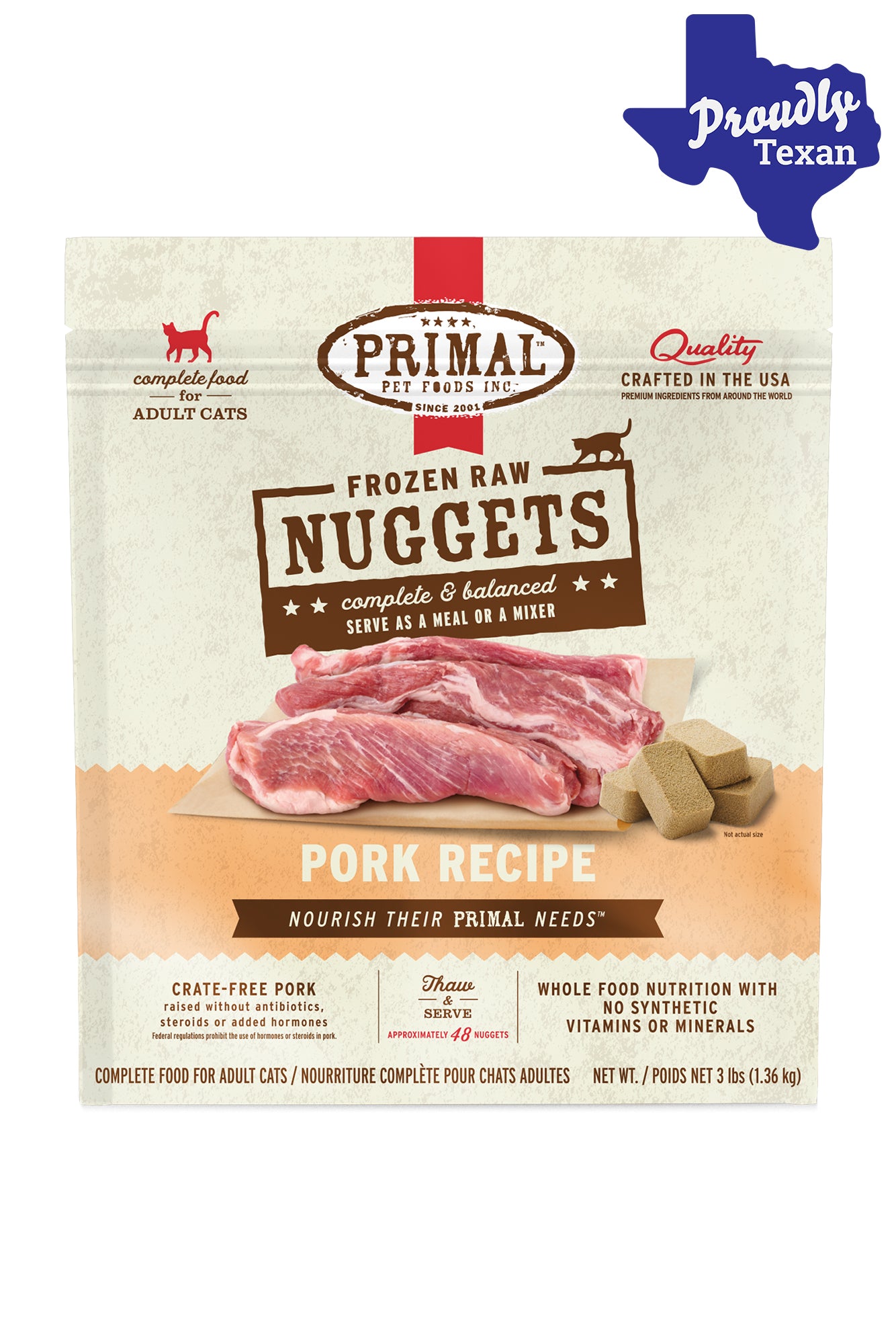
Why Cats May Not Need Pork as a Main Protein
Cats do not need a specific named meat, such as pork or chicken. They need the right nutrients in the right amounts. A complete cat food must provide protein, taurine, fatty acids, vitamins, and minerals based on established nutritional standards.
Many commercial diets use chicken or fish because these meats naturally fit common recipes. Manufacturers may also add purified nutrients to meet the needs of cats. In other words, the nutritional goal matters more than the popularity of one animal source.
Pork may be less common because it is not essential. If chicken provides the needed amino acids and is easier to source, a company may use chicken instead. The same logic applies to turkey, lamb, beef, and fish.
Still, protein variety can be useful for some cats. A different protein may help when a cat has a suspected food reaction or refuses a familiar diet. Any diet change should happen slowly to reduce vomiting, diarrhea, or food refusal.

Pork and Food Allergies in Cats
Food allergies in cats are usually linked to proteins, not grains or preservatives alone. A cat may react to beef, fish, chicken, or another ingredient. Pork is sometimes used as a novel protein because some cats have not eaten it often.
A novel protein is a protein the cat has had little or no previous exposure to. It may be included in an elimination diet under veterinary guidance. However, a protein is only “novel” if the cat truly has not eaten it before.
Possible signs of a food allergy include:
• Itchy skin
• Repeated ear problems
• Hair loss from overgrooming
• Vomiting
• Loose stool
• Red or inflamed skin
These signs can have many causes. Fleas, environmental allergies, infections, and intestinal disease can look similar. Do not assume pork is the cause or the cure without veterinary advice.
If a vet recommends a pork-based elimination diet, the cat must eat only the prescribed food for the full trial period. Treats, flavored medicines, table scraps, and other foods can make the results unclear.
This is another reason why is pork not common in cat food can be confusing. Pork may be helpful for a particular medical diet, but that does not make it the best everyday protein for every cat.
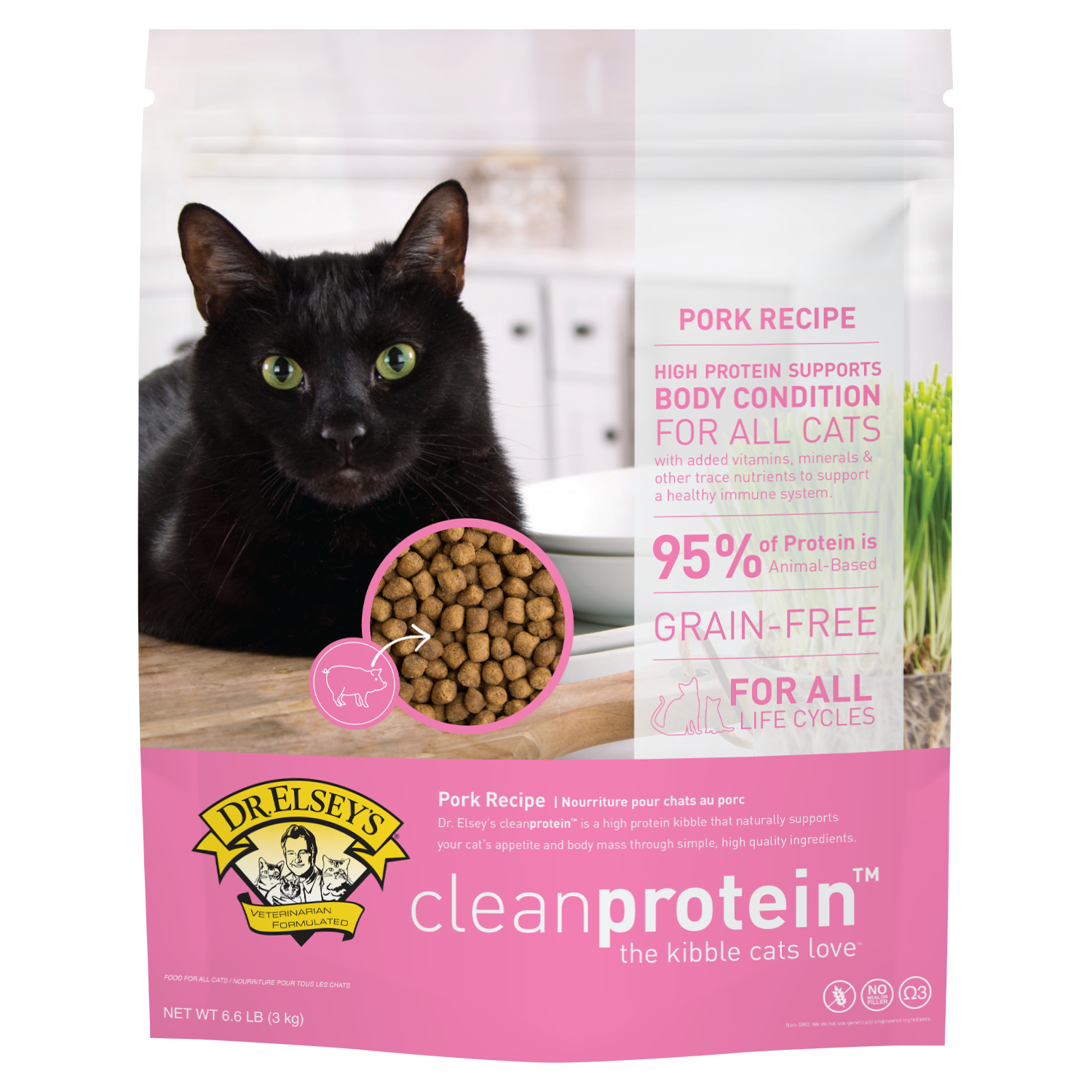
Pork Cat Food for Kittens, Adults, and Senior Cats
A pork-based cat food can be suitable for different life stages if the label says it is complete and balanced for that stage. Kittens need more energy and specific nutrient levels than many adult cats. Senior cats may need a formula tailored to weight, kidney health, dental needs, or other conditions.
Look for a nutritional adequacy statement on the package. In the United States, this statement should show whether the food meets recognized standards for growth, reproduction, maintenance, or all life stages.
A healthy adult cat may tolerate pork well. A cat with pancreatitis, obesity, kidney disease, or a sensitive stomach may need a different fat or mineral profile. The meat alone does not determine whether a food is appropriate.
For kittens, avoid feeding plain pork as a complete meal. Plain meat lacks the balanced calcium, taurine, vitamins, and minerals needed for growth. A commercial kitten food or a veterinary-formulated homemade diet is safer.
When considering why is pork not common in cat food, remember that a cat food recipe must meet life-stage needs, not just contain a tasty meat ingredient.

How to Choose a Pork-Based Cat Food
If you want to try pork cat food, focus on the whole formula rather than the front label. A picture of pork does not prove that the product is nutritionally complete.
Use this checklist:
- Check that the food is complete and balanced for your cat’s life stage.
- Read the ingredient list for pork, pork liver, pork broth, or pork meal.
- Look for clear feeding directions based on body weight.
- Check the calorie content if your cat gains weight easily.
- Avoid formulas with unsafe seasonings or unclear meat sources.
- Introduce the food slowly over about seven days.
- Watch for vomiting, diarrhea, itching, or refusal to eat.
- Ask your veterinarian before changing food for a medical reason.
Do not judge a food only by the first ingredient. Ingredients are listed by weight before processing, so moisture can affect the order. A complete nutrient profile matters more than marketing words such as premium, natural, or ancestral.
A practical lesson is simple: change one thing at a time. If you introduce a pork recipe, a new treat, and a supplement on the same day, you will not know what caused a reaction.
Common Myths About Pork in Cat Food
Several myths make the answer to why is pork not common in cat food seem more dramatic than it is.
Myth one: Pork is always toxic to cats.
Plain, thoroughly cooked pork is not automatically toxic. The danger usually comes from raw meat, bones, unsafe seasonings, excessive fat, or an unbalanced homemade diet.
Myth two: Cats cannot digest pork.
Cats can digest animal proteins, including pork. Individual tolerance varies, and some cats may react poorly to a particular recipe.
Myth three: Pork is unhealthy because it is fatty.
Some pork cuts are fatty, but others are lean. The total fat level of the finished food matters more than the word pork alone.
Myth four: A pork recipe is automatically better for allergies.
Pork may be novel for some cats, but it is not novel for all cats. Allergy diets should be planned with veterinary support.
Myth five: Pork-free food is more natural for cats.
There is no clear rule that cats must avoid pork. Cats need balanced animal-based nutrition, whether the main protein comes from pork, poultry, beef, or another suitable source.
These myths can lead owners to remove useful food choices or feed unsafe table scraps. A calm review of the label and the cat’s health is more helpful than a simple yes-or-no rule.
When to Call a Veterinarian
Contact a veterinarian if your cat shows repeated vomiting, severe diarrhea, facial swelling, breathing trouble, weakness, or sudden refusal to eat. Breathing problems and facial swelling may signal a serious allergic reaction and require urgent care.
You should also ask for help if your cat has kidney disease, diabetes, pancreatitis, inflammatory bowel disease, or a history of food allergies. These conditions can affect which pork-based formula is safe.
Never force a cat to eat a new food during illness. Cats that stop eating for too long can develop hepatic lipidosis, a dangerous liver condition. A vet can help you create a safe feeding plan.
The practical answer to why is pork not common in cat food is not a reason to experiment carelessly. Food changes should protect the cat’s health first.
Frequently Asked Questions About Why Is Pork Not Common in Cat Food
Can cats eat pork?
Cats can eat small amounts of plain, fully cooked pork if it contains no bones, salt, garlic, onion, or sauce. Pork should not replace a complete and balanced cat food unless a veterinary nutritionist creates the recipe.
Is pork better than chicken for cats?
Pork is not automatically better than chicken. Both can provide animal protein, but the best choice depends on the complete nutrient profile, calorie level, food tolerance, and the cat’s health needs.
Why is raw pork risky for cats?
Raw pork can carry bacteria and parasites, and meat from uncertain sources may pose additional disease risks. Cooking and proper commercial processing greatly reduce these hazards.
Can pork cause allergies in cats?
Yes, any animal protein can trigger an allergy in an individual cat. Signs may include itching, ear problems, vomiting, or diarrhea, but a veterinarian should confirm the cause.
Is bacon safe for cats?
Bacon is not a good treat for cats because it is usually high in salt and fat. It may also contain seasonings or preservatives that can upset a cat’s stomach.
Can kittens eat pork?
Kittens can eat pork as part of a complete kitten food made with balanced nutrients. Plain pork alone does not provide everything a growing kitten needs.
Is pork meal safe in cat food?
Pork meal can be a safe and concentrated protein ingredient when it is properly processed and included in a complete formula. The label and nutritional adequacy statement are more important than whether the ingredient is fresh pork or pork meal.
Conclusion
Why is pork not common in cat food? The main reasons are supply, cost, consumer demand, food safety, recipe design, and the wide availability of poultry and fish. Pork itself is not automatically bad for cats, but it must be cooked, handled, and balanced correctly.
Choose a complete and balanced food, avoid raw or seasoned pork, and change diets slowly. If your cat has allergies or a medical condition, ask your veterinarian before testing a new protein. Explore trusted pet nutrition resources, share your experience, and leave a comment about what foods your cat enjoys.