Why Does My Cat Only Eat Chicken: Causes And Solutions
Your cat may only eat chicken because it tastes appealing, feels familiar, or hides an illness affecting appetite.
Wondering why does my cat only eat chicken can be stressful, especially when your pet refuses favorite foods. Chicken has a strong smell, soft texture, and familiar flavor, so it can become a comfort food. However, a chicken-only diet may not provide everything your cat needs. This guide explains the likely causes, health risks, safe feeding steps, and when to call your veterinarian.
Why does my cat only eat chicken?
Cats often prefer chicken because it is tasty, easy to chew, and rich in animal protein. Chicken also has a mild smell that many cats enjoy. If you offer chicken after your cat refuses another meal, your cat may learn that holding out leads to a better option.
The reason why does my cat only eat chicken may also involve texture. Some cats dislike dry food because it is hard and less fragrant. Others reject food with gravy, large pieces, fish flavors, or strong smells. Cats can be very sensitive to small changes in food.
A sudden chicken preference deserves more attention than a long-standing habit. If your cat once ate many foods but now accepts only chicken, pain, nausea, dental disease, stress, or another health problem could be involved.
Common reasons include:
• Chicken smells and tastes appealing to your cat.
• Your cat prefers the soft texture of cooked meat.
• Chicken may be easier to chew if dental pain is present.
• A new food may have caused an upset stomach.
• Your cat may have learned to wait for chicken.
• Stress may reduce interest in unfamiliar food.
• Nausea or illness may make your cat choose only one familiar food.
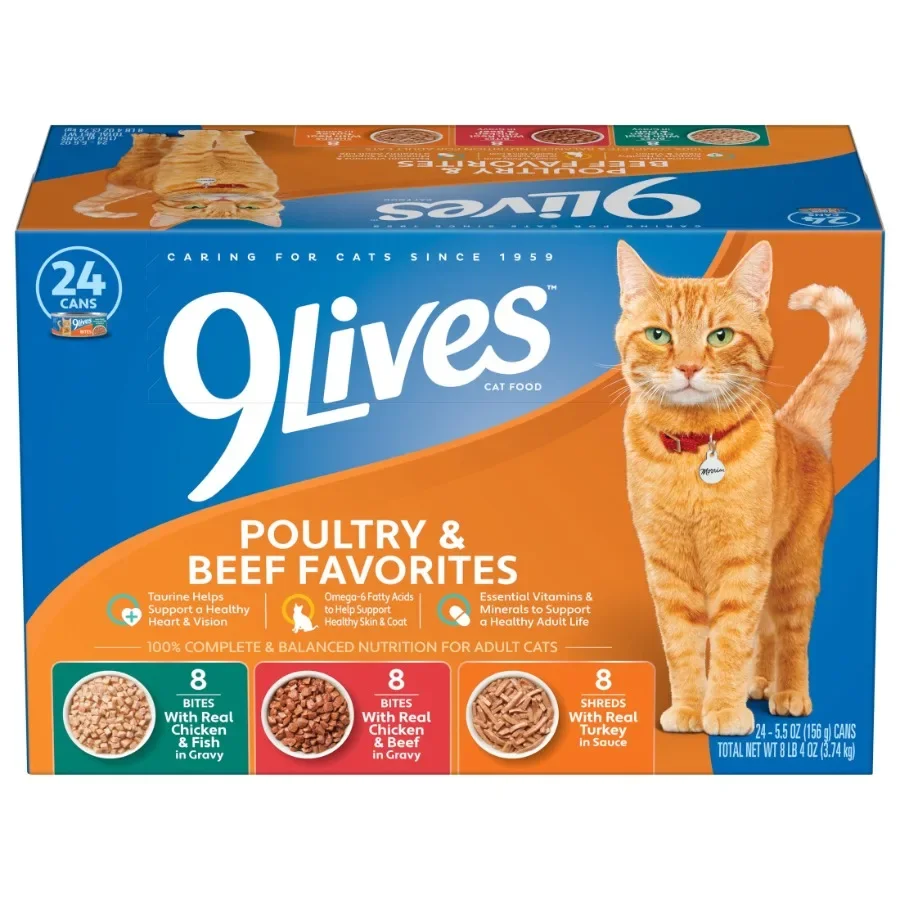
Is chicken safe for cats?
Plain, fully cooked chicken can be safe for cats as a small treat. It should contain no salt, butter, oil, onion, garlic, sauces, or spices. Remove all bones and skin before serving.
Chicken alone is not a complete and balanced diet for cats. Cats need nutrients that plain meat does not provide in the right amounts. These include taurine, calcium, vitamin A, certain fatty acids, and other vitamins and minerals.
This is the key concern when asking why does my cat only eat chicken. Your cat may seem energetic while nutritional gaps slowly develop. A diet that lacks calcium, for example, can weaken bones. Low taurine can harm the heart and eyes.
Commercial cat food labeled “complete and balanced” is formulated to meet established nutrient standards. Look for this statement on the package. Treats and plain meat should usually make up only a small part of the daily diet.
Avoid feeding:
• Cooked chicken bones, which can splinter and cause choking or internal injury.
• Raw chicken, which may carry harmful bacteria.
• Chicken skin, which is high in fat and may upset the stomach.
• Seasoned chicken, especially food with onion, garlic, or heavy spices.
• Processed chicken, such as deli meat, nuggets, or fried chicken.
• Chicken gravy made for people, which may contain unsafe ingredients.

Health problems that can cause a chicken-only preference
A food preference can be behavioral, but it can also be a health clue. Cats often hide pain and illness. A change in eating habits may be one of the first signs that something is wrong.
Dental disease is a common concern. A cat with sore gums, a broken tooth, or mouth inflammation may choose soft chicken and avoid dry kibble. You may also notice bad breath, drooling, pawing at the mouth, or chewing on one side.
Nausea can change food preferences as well. Cats with stomach or kidney problems may feel sick after eating certain foods. They may approach the bowl, sniff it, and walk away. Some cats then accept only one highly familiar food.
Other possible medical causes include:
• Kidney disease
• Liver disease
• Diabetes
• Inflammatory bowel disease
• Pancreatitis
• Food intolerance
• Mouth ulcers
• Nasal congestion that reduces the sense of smell
• Cancer or other serious illness
If you are asking why does my cat only eat chicken and the change happened quickly, schedule a veterinary check. Seek urgent care if your cat has not eaten for about 24 hours, is vomiting repeatedly, seems weak, has trouble breathing, or has yellow skin or gums.
Cats that stop eating can develop hepatic lipidosis, also called fatty liver disease. This risk is higher in overweight cats, but any cat that refuses food needs prompt attention.

How to tell whether the habit is behavioral
A behavioral preference is more likely when your cat is active, maintains a healthy weight, drinks normally, and has regular stools. Your cat may also eat a complete cat food when chicken is not available.
Watch what happens at mealtime. Does your cat reject every food except chicken? Does it eat wet food with chicken flavor but refuse dry food? Does it accept chicken only when it comes from your plate?
These details help separate preference from illness. Keep a simple food diary for several days. Write down the food type, amount eaten, water intake, vomiting, stool changes, and behavior.
A cat may become selective through accidental training. For example, if you replace refused food with warm chicken every time, your cat may learn that refusal works. This does not mean your cat is being difficult. It simply means the feeding pattern became rewarding.
Still, never assume pickiness is the cause of a sudden change. Medical problems should be ruled out first, especially in older cats.

How to transition your cat from chicken
Change your cat’s diet slowly. A sudden switch can cause vomiting, diarrhea, or food refusal. It may also make your cat more suspicious of new food.
Try this gradual plan:
-
Start with the food your cat accepts.
-
Add a very small amount of complete cat food.
-
Mix it with the chicken until the new food is barely noticeable.
-
Increase the new food every few days.
-
Reduce the chicken in small steps.
-
Offer meals at regular times instead of leaving many options out all day.
A transition may take two to four weeks. Some cats need longer. If your cat refuses a mixture, return to the last ratio it accepted and progress more slowly.
Use smell and texture to your advantage. Warm wet food slightly so it smells stronger, but test the temperature before serving. You can also add a teaspoon of plain chicken broth made without onion, garlic, salt, or seasonings.
Do not starve your cat into accepting a new diet. Food refusal is dangerous in cats. If your cat eats very little during the transition, contact your veterinarian.
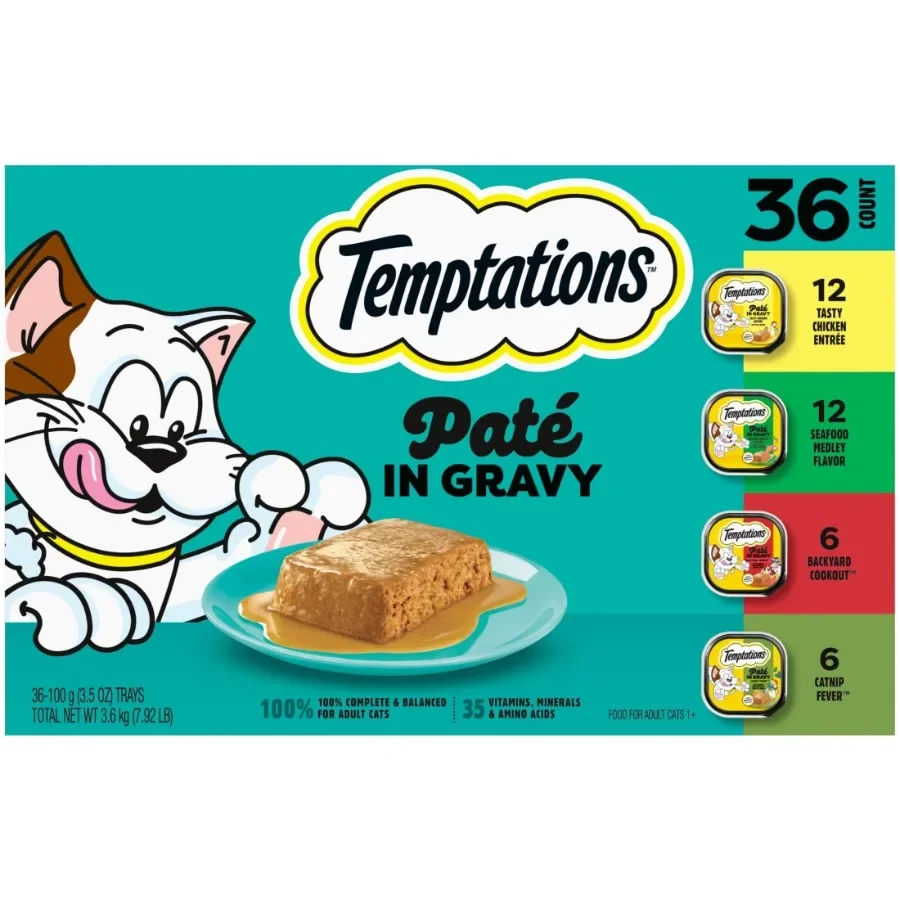
Choosing a healthy chicken-based cat food
If your cat loves chicken, you do not need to remove chicken from the diet. Instead, choose a chicken-based food that is complete and balanced for your cat’s life stage.
Check the label for:
• A complete and balanced nutrition statement
• The correct life stage, such as kitten, adult, or senior
• Feeding instructions
• A clear manufacturer name and contact information
• A reasonable calorie amount
Wet chicken cat food can be useful for cats that prefer soft meals. It also contains more water than dry food. Dry food may be convenient, but it should not be forced if your cat strongly dislikes its texture.
Ask your veterinarian about calories if your cat is overweight, underweight, or very active. Feeding guides are starting points, not exact rules. Body condition, age, activity, and health all affect food needs.
Be careful with homemade chicken diets. Recipes found online may not provide enough taurine, calcium, or other essential nutrients. A veterinary nutrition specialist should design a homemade diet, and the recipe must be followed exactly.
Mistakes to avoid when feeding chicken
Many loving cat owners offer chicken with good intentions. The problem is that small habits can create long-term health risks.
Avoid these common mistakes:
• Replacing every refused meal with human food
• Feeding chicken without a complete nutrition plan
• Giving cooked bones
• Adding seasoning or sauces
• Offering large portions of fatty skin
• Switching foods overnight
• Ignoring weight loss or changes in thirst
• Waiting several days when a cat stops eating
Portion size matters. Treats, including plain chicken, should generally stay under 10 percent of daily calories. Too many treats can reduce hunger for balanced food and contribute to weight gain.
Another mistake is assuming “natural” means complete. Plain meat may look healthy, but cats need a precise nutrient balance. A complete cat food may contain ingredients that sound less familiar but still provide better nutrition.
When to call your veterinarian
Contact your veterinarian if your cat’s food preference is new, worsening, or linked with other symptoms. A physical exam may include a mouth check, weight measurement, blood tests, or imaging.
Call promptly if you notice:
• Weight loss
• Vomiting or diarrhea
• Drooling or bad breath
• Trouble chewing
• Increased thirst or urination
• Hiding or unusual tiredness
• A swollen or painful belly
• Yellow eyes, gums, or skin
• No food intake for about 24 hours
Your veterinarian can help determine why does my cat only eat chicken and whether the issue is medical, behavioral, or both. Never give human medicine to encourage eating or treat pain unless a veterinarian prescribes it.
A vet may suggest appetite support, dental treatment, nausea control, or a carefully planned diet change. The right treatment depends on the cause.

A simple plan for today
If your cat is otherwise well and has always liked chicken, begin with a calm review of the diet. Confirm that the main food is complete and balanced. Keep plain chicken as a small topper or treat rather than the entire meal.
If the preference is sudden, arrange a veterinary appointment. Until then, offer familiar food, fresh water, and small meals. Avoid a long list of new foods, since too many choices can make the pattern harder to understand.
You can also record:
• What your cat eats
• How much your cat eats
• Your cat’s weight
• Water intake
• Urine and stool changes
• Vomiting or coughing
• Energy and mood
This information gives your veterinarian a clearer picture. It also helps you notice slow changes that are easy to miss during a busy week.

Frequently asked questions about why does my cat only eat chicken
Can cats live on chicken alone?
Cats should not live on plain chicken alone. Chicken does not provide the complete balance of taurine, calcium, vitamins, and minerals that cats need.
Why does my cat only eat chicken and refuse cat food?
Your cat may prefer chicken’s smell, taste, or soft texture. A sudden refusal of normal food can also signal dental pain, nausea, or another health issue, so watch for other symptoms.
Can I mix chicken with cat food?
Yes, small amounts of plain cooked chicken can be mixed with complete cat food. Reduce the chicken slowly so your cat does not depend on it for most of the meal.
Is rotisserie chicken safe for cats?
Rotisserie chicken is usually too salty and may contain spices, onion, garlic, skin, or fatty pieces. Plain, unseasoned, boneless, cooked chicken is a safer choice.
Should I worry if my cat skips one meal?
One missed meal is not always an emergency, but cats should not go without food for long. Contact a veterinarian if your cat refuses food for about 24 hours or has vomiting, weakness, pain, or other symptoms.
Can chicken cause allergies in cats?
Yes, cats can develop allergies or sensitivities to chicken, even if they have eaten it before. Itching, skin infections, vomiting, or diarrhea may require a veterinary elimination diet.
Conclusion
Why does my cat only eat chicken can have a simple answer, such as taste or texture, but it can also point to dental pain, nausea, or another illness. Plain cooked chicken is fine as a small treat, yet it is not a complete diet. The safest approach is to use complete and balanced cat food, make diet changes slowly, and seek veterinary care for sudden appetite changes.
Start by checking the food label, tracking your cat’s meals, and watching for weight loss or other symptoms. If your cat refuses food or seems unwell, contact your veterinarian rather than waiting. Share your cat’s eating pattern with a trusted veterinary professional and explore more evidence-based pet care resources for practical guidance.