Why Does My Cat Bury Her Food: Reasons And Solutions
Most cats bury food to hide its scent, save it for later, or protect it from other animals.
If you are wondering, “why does my cat bury her food,” you are seeing a normal instinct in many cats. Still, the habit can also point to stress, food dislike, or a health concern. This guide explains the common reasons, what the behavior means, and when you should contact your veterinarian.

Why does my cat bury her food?
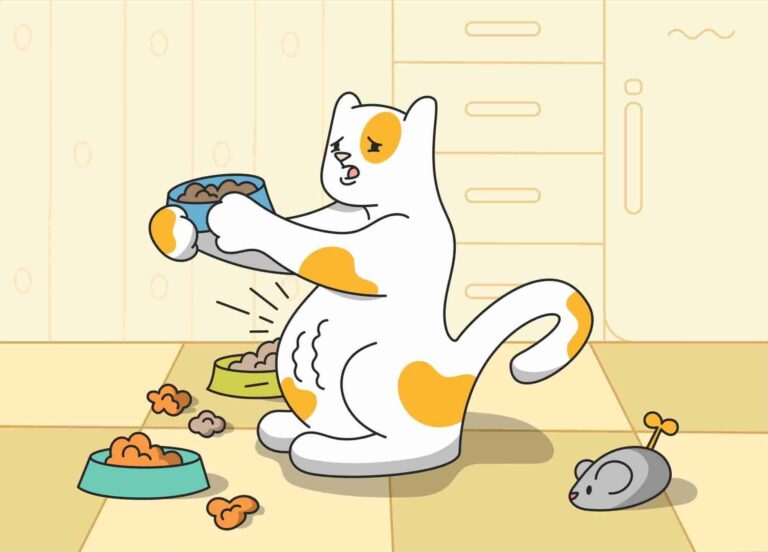
Cats may bury food because their wild ancestors needed to hide food from rivals. A cat might scratch the floor near her bowl, push litter over the food, or paw at the area as if she were covering waste.
This action is often called food caching. It is a natural behavior that helps hide food smells and protect leftovers. Even indoor cats may keep this instinct because it is part of normal feline behavior.
When people ask, “why does my cat bury her food,” the answer is usually simple: she is acting on instinct, not trying to be naughty.
Common reasons include:
• She wants to save the food for later.
• She wants to hide the smell from other pets.
• She does not feel safe while eating.
• She dislikes the food or feels full.
• She learned the habit from her mother.
• She feels stressed by changes in her home.
Most cases are harmless. The key is to watch the full picture, including your cat’s appetite, mood, weight, and bathroom habits.
7 common reasons cats bury their food
1. Your cat is hiding food for later
A cat may bury food when she has more than she wants to eat at that moment. This is common when you serve a large meal or leave food out all day.
The behavior is similar to putting leftovers in a refrigerator. Your cat cannot use a refrigerator, so scratching around the bowl becomes her way of “storing” the meal.
This answer often explains why does my cat bury her food after eating only a few bites.
2. She wants to hide the food’s smell
Food has a strong scent. In the wild, that scent could attract predators or competing animals.
Covering food helps reduce the smell. Your indoor cat may not face predators, but her instincts do not always know that. She may still act as if another animal could find her meal.
3. She feels that other pets may steal her food
Cats can become protective of their meals. This may happen even in homes where pets do not fight.
If another cat, dog, or child often comes near the bowl, your cat may feel rushed. She might eat quickly, carry food away, or bury it to keep it hidden.
Try feeding pets in separate rooms. A quiet space can reduce food anxiety and make meals more relaxed.
4. She does not like the food
Some cats scratch beside their bowls when they dislike the taste, smell, texture, or temperature of their food.
This behavior does not always mean she hates the food. She may simply prefer another flavor or texture. Cats can be very selective, especially after eating the same recipe for a long time.
If your cat buries food but still eats treats, she may be showing a food preference. However, a sudden refusal to eat should not be dismissed as pickiness.
5. She has already eaten enough
A cat may bury food because she is full. This is especially common with free feeding, large portions, or rich wet food.
Your cat may scratch near the bowl, walk away, and return later. If she maintains a healthy weight and eats normally over the day, this is usually not a concern.
Measure her daily food instead of filling the bowl repeatedly. This helps you track how much she really eats.
6. She feels stressed or unsafe
Cats like calm, predictable eating areas. Loud sounds, busy walkways, strange visitors, or a nearby dog can make meals feel unsafe.
Stress may explain why does my cat bury her food after a move, a new pet, or a change in routine. Other signs may include hiding, overgrooming, urinating outside the litter box, or becoming less social.
Give her a quiet feeding station. Keep the bowl away from litter boxes, noisy appliances, and high traffic areas.
7. She learned the behavior early in life
Kittens learn many habits by watching their mothers. A kitten that sees food being covered may continue the action as an adult.
Some cats also discover that pawing near the bowl feels rewarding. The sound and movement may become part of their normal meal routine.
In these cases, food burying is simply a quirky habit. It may not have a deeper meaning.

Is burying food normal for cats?
Food burying is normal when your cat still eats well, drinks normally, and acts like herself. A cat may bury food once in a while or do it after nearly every meal.
Normal behavior can include:
• Scratching the floor beside the bowl
• Pushing a mat or towel over the dish
• Trying to cover wet food with nearby objects
• Eating later after covering the meal
• Burying food only when another pet is nearby
The behavior becomes more important when it appears suddenly or comes with other changes. For example, a cat that has always buried food may be perfectly healthy. A cat that suddenly hides food and stops eating needs closer attention.
Veterinary organizations, including the American Association of Feline Practitioners, stress the value of noticing changes in appetite and behavior. Small changes can sometimes be early clues that a cat is unwell.

When food burying may signal a problem
Sometimes, why does my cat bury her food has a medical answer. Mouth pain, nausea, stomach problems, dental disease, and other health issues can reduce appetite.
A cat may approach the bowl, sniff the food, paw near it, and walk away. This can look like food burying, but she may actually want to eat and feel unable to do so.
Watch for these warning signs:
• Eating much less than usual
• Refusing food for a full day
• Drooling or pawing at the mouth
• Bad breath that is stronger than normal
• Vomiting or diarrhea
• Weight loss
• Low energy
• Hiding more than usual
• Trouble chewing
• Drinking much more or less than normal
Cats can become seriously ill when they stop eating. Lack of food may raise the risk of hepatic lipidosis, also called fatty liver disease, especially in overweight cats. Contact a veterinarian promptly if your cat refuses food, seems painful, or shows other warning signs.
Do not force food into your cat’s mouth unless a veterinarian tells you to do so. Force feeding can increase stress and may cause food to enter the airway.

How to stop your cat from burying food
You may not need to stop the behavior. If it is harmless, you can simply manage the mess and let your cat follow her instinct.
If the behavior causes problems, try these steps:
- Serve smaller meals
Offer less food at each meal. You can provide another small meal later if needed. This reduces leftovers that your cat may try to hide.
- Use a quiet feeding area
Place the bowl in a calm room. Keep it away from noisy doors, washing machines, litter boxes, and other pets.
- Feed pets separately
Use separate rooms or feeding stations. This can help your cat feel safe and reduce the urge to guard or hide food.
- Clean leftover wet food
Remove wet food after about 20 to 30 minutes if your cat does not eat it. Warm rooms can allow bacteria to grow. Follow your food label and veterinary advice for storage.
- Try a different bowl
Some cats dislike deep bowls that touch their whiskers. A wide, shallow ceramic or stainless steel bowl may feel better.
- Keep the feeding area clean
Wash bowls often and clean spilled food. A dirty bowl can make food smell unpleasant and may discourage eating.
- Offer food at a comfortable temperature
Many cats prefer wet food near room temperature. Cold food straight from the refrigerator may have less smell and appeal.
- Avoid punishment
Do not scold your cat for scratching near the bowl. Punishment can increase fear and stress. Calm changes work better than correction.
A practical lesson from many cat homes is that smaller portions solve the problem more often than changing the entire diet. Make one change at a time so you can see what helps.

Should you change your cat’s food?
Do not change food only because your cat buries it. First, check whether she eats enough and maintains a healthy weight.
If she seems to dislike the food, make changes slowly. Mix a small amount of the new food with the old food and increase it over several days. Some cats need a week or longer to accept a new diet.
A sudden food change can cause vomiting or diarrhea. It can also make it harder to know whether the original food or the new food caused a problem.
Choose a complete and balanced cat food that fits your cat’s age and health needs. A veterinarian can recommend a diet for kittens, adult cats, senior cats, or cats with medical conditions.
Avoid adding table scraps as a regular solution. Human foods can be high in fat, salt, or unsafe ingredients. Foods such as onions, garlic, chocolate, grapes, raisins, and xylitol can be dangerous for pets.

Food burying, covering, and scratching: What is the difference?
These behaviors look similar, but they can have different meanings.
• Food burying means your cat tries to hide or cover the meal.
• Food covering means she may pull a cloth, paper, or nearby object over the bowl.
• Scratching near the bowl may be a simple instinct, even when no food is actually covered.
• Carrying food away may suggest that she prefers a safer or quieter eating spot.
• Refusing food may signal dislike, stress, pain, or illness.
The body language around the behavior matters. A relaxed cat with normal energy is less concerning than a tense cat that hides, growls, or refuses meals.
Take a short video if the behavior is new. A video can help your veterinarian understand what happens before, during, and after eating.

How to track your cat’s eating habits
A simple food diary can help you spot changes. Write down the type of food, amount served, amount eaten, and any unusual behavior.
Track these details for several days:
• Meal times
• Wet and dry food amounts
• Treats
• Water intake
• Vomiting or diarrhea
• Burying or scratching
• Weight changes
• Energy and mood
Use a kitchen scale if your veterinarian recommends close weight tracking. Small weight changes can be hard to notice by sight, especially in a fluffy cat.
This record is useful because cats often hide signs of illness. Clear notes give your veterinarian better information than memory alone.

What experts say about cat behavior
Feline behavior research shows that cats use scent, location, and routine to decide whether a setting feels safe. Feeding areas can affect stress, social conflict, and appetite.
Cat welfare guidance commonly recommends:
• Providing multiple resources in homes with several cats
• Offering quiet places to eat
• Avoiding forced interaction during meals
• Keeping food and litter areas separate
• Watching for changes in normal behavior
There is no single test that proves why does my cat bury her food in every case. The same action may mean “save this meal” for one cat and “I feel unsafe here” for another.
That is why context matters more than the pawing alone. Look at appetite, health, household changes, and relationships with other pets.
Frequently Asked Questions About Why Does My Cat Bury Her Food
Why does my cat bury her food with her paws?
Your cat may be trying to hide the smell of the food or save it for later. Pawing near the bowl is often a normal instinct, especially when she is full or feels other pets may approach.
Why does my cat bury her food but still eat treats?
Treats may smell stronger and taste better than her regular food. Still, a reduced appetite can signal dental pain, nausea, or another health issue, so watch her total food intake closely.
Why does my cat bury wet food?
Wet food has a strong smell, so your cat may try to cover it. She may also bury it because she does not like its flavor, texture, temperature, or freshness.
Should I stop my cat from burying her food?
You usually do not need to stop the behavior if your cat eats well and acts normally. Smaller meals, a quiet feeding space, and a washable mat can reduce mess without causing stress.
When should I call a veterinarian?
Call your veterinarian if food burying starts suddenly or comes with poor appetite, weight loss, vomiting, diarrhea, drooling, mouth pain, or low energy. Seek prompt advice if your cat refuses food for a full day or seems seriously ill.
Can stress cause a cat to bury food?
Yes. A new pet, a move, loud noise, or conflict near the bowl can make a cat feel unsafe while eating. Feeding her in a quiet, separate area may help.
Conclusion
Why does my cat bury her food? In most cases, she is following an old instinct to hide food, save it, or protect it from other animals. The habit is usually harmless when she eats well and shows no other changes.
Offer small meals, keep the feeding area calm, and monitor her appetite. If food burying appears suddenly or comes with signs of illness, contact your veterinarian rather than assuming it is only a quirky habit.
Your cat’s behavior is a form of communication. Watch it with patience, make small changes, and leave a comment about what your cat does after mealtime.