Why Does My Cat Sniff Food And Walk Away: Reasons
Cats sniff food and walk away because of smell, stress, illness, pain, or a dislike of the meal.
When you wonder, “why does my cat sniff food and walk away,” the answer may be simple—or it may signal a health problem. A cat’s nose, habits, age, and medical history all matter, so learning the clues can help you respond calmly and know when to call a veterinarian.
Why does my cat sniff food and walk away?
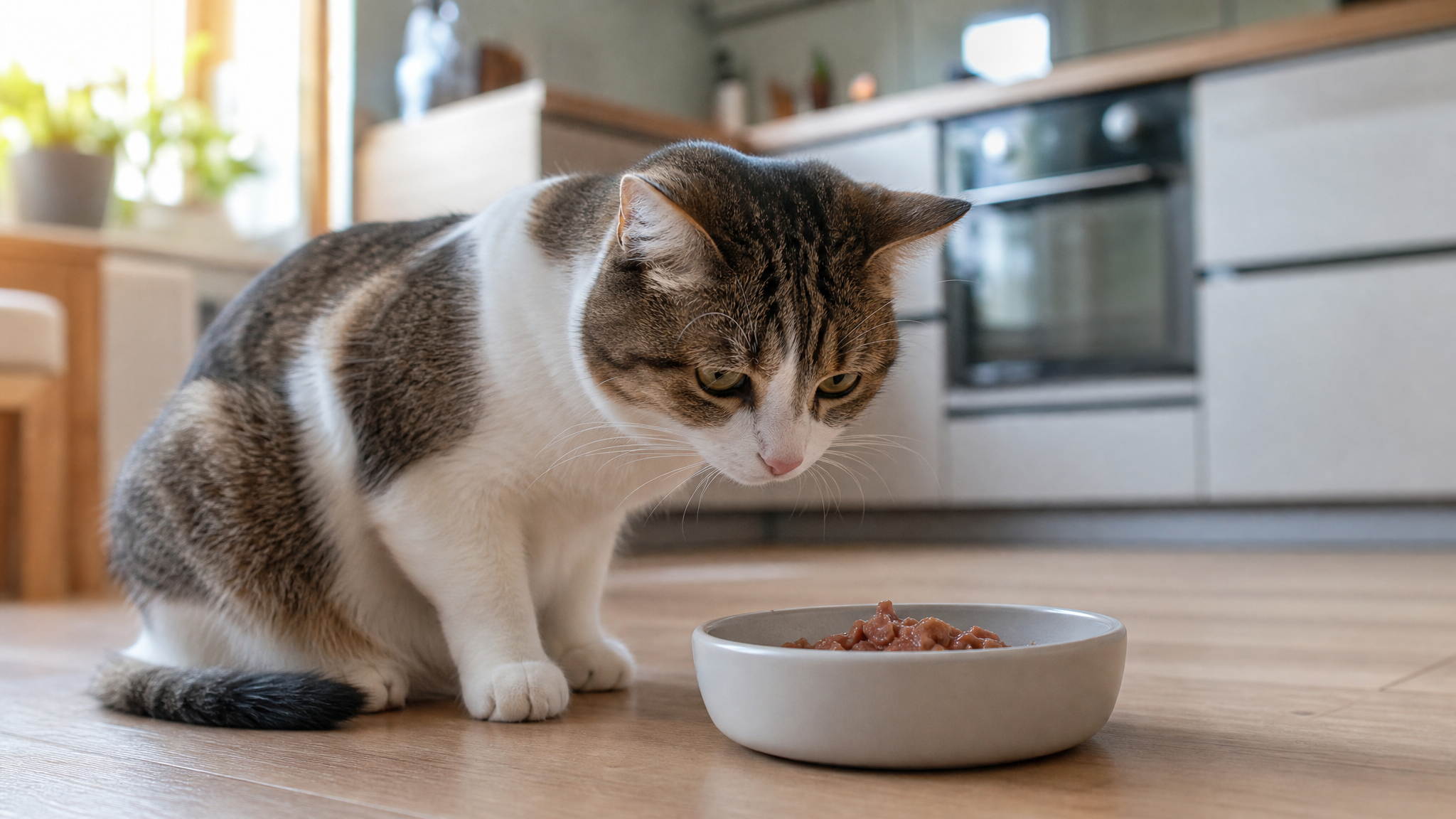
A cat may sniff food and walk away because the meal does not smell fresh, the texture feels wrong, or the cat feels stressed. Cats rely heavily on scent. If food smells strange, weak, stale, or too strong, many cats will refuse it even when they seem hungry.
Sometimes the reason is medical. Dental pain, nausea, a blocked nose, stomach trouble, kidney disease, or another illness can make food smell unpleasant or make eating uncomfortable.
The key question is whether your cat later eats a normal meal. A cat that skips one meal but acts well may have a small preference issue. A cat that keeps refusing food needs closer attention.
Common reasons your cat refuses food
Understanding the most common causes can help you spot a pattern. Here are the main reasons why does my cat sniff food and walk away may happen.
The food is stale or has changed
Cats can notice changes that people miss. Dry food loses aroma when it sits open for weeks. Wet food may dry out, become cold, or develop a smell your cat dislikes.
A new recipe can also cause refusal. Even small changes in meat, fat, gravy, or added flavor may matter to a sensitive cat.
Check these points:
• Look at the expiration date.
• Smell the food yourself.
• Store dry food in a sealed container.
• Keep wet food covered and chilled after opening.
• Do not leave wet food at room temperature for long periods.
Your cat dislikes the texture
Some cats prefer pâté. Others like chunks, shreds, or gravy. A cat that sniffs food and walks away may dislike the mouthfeel rather than the flavor.
This is common when moving from dry food to wet food. The new meal may smell appealing but feel unfamiliar on the tongue. Try a slow change instead of offering several new foods at once.
The food is too cold
Refrigerated wet food has less aroma than food at room temperature. Since cats use smell to judge a meal, cold food may seem less inviting.
Warm a small portion slightly by placing the dish in warm water. Never make it hot, and test it before serving. Avoid microwaving food in a metal container, and stir it well because microwaves can create hot spots.
The bowl or feeding area is uncomfortable
A dirty bowl, strong soap smell, noisy room, or busy walkway can stop a cat from eating. Some cats dislike deep bowls because their whiskers touch the sides.
Try a wide, shallow ceramic or stainless-steel dish. Wash it often with mild, unscented soap. Place it in a quiet area away from litter boxes, loud appliances, and other pets.
Stress has changed your cat’s appetite
Cats often eat less during change. Moving house, visitors, construction, a new pet, or conflict with another cat can affect eating.
Stress may also cause a cat to approach the bowl, sniff, and leave. The cat wants to eat but does not feel safe. Give your cat a calm space and keep meals on a steady schedule.
Your cat has a stuffy nose
Cats need a working sense of smell to enjoy food. A respiratory infection, allergies, or nasal swelling can reduce that sense.
You may also notice sneezing, watery eyes, nasal discharge, or noisy breathing. In this case, the reason why does my cat sniff food and walk away may be that the meal has lost its scent appeal.
Dental pain makes eating hard
Dental disease is common in adult and senior cats. Inflamed gums, a broken tooth, oral ulcers, or tooth resorption can make chewing painful.
A cat with mouth pain may approach food, sniff it, and retreat. Other signs include drooling, bad breath, chewing on one side, dropping food, or rubbing the face.
Nausea or another illness is developing
Nausea can make a cat lose interest in food. The cat may sniff, lick the lips, swallow often, or walk away. Vomiting, diarrhea, low energy, weight loss, and hiding make this more concerning.
Kidney disease, liver disease, diabetes, infections, pain, and intestinal problems can all affect appetite. Only a veterinarian can identify the cause through an exam and, when needed, blood tests or imaging.

How to tell whether it is picky eating or illness
A picky cat often remains bright, alert, and interested in other foods. A sick cat may show a wider change in behavior.
Watch for the following clues:
• Your cat refuses every food, not just one brand.
• Your cat stops drinking or drinks much more than usual.
• Your cat hides, sleeps more, or seems weak.
• Your cat vomits or has diarrhea.
• Your cat loses weight.
• Your cat drools or has trouble chewing.
• Your cat strains in the litter box or urinates unusually.
• Your cat has yellow gums, pale gums, breathing trouble, or severe pain.
A simple food preference usually does not cause these signs. If your cat sniffs food and walks away while acting ill, treat it as a health concern rather than a behavior problem.
Keep a short log. Write down what your cat eats, drinks, vomits, and passes in the litter box. This information can help your veterinarian find changes faster.

What to do when your cat sniffs food and walks away
Start with safe, simple steps. Do not force food into your cat’s mouth unless a veterinarian specifically instructs you to do so. Force-feeding can increase stress and may cause food aversion.
Try this plan:
-
Remove the food after about 20 to 30 minutes.
-
Offer a fresh, small portion later.
-
Serve food at room temperature or warm it slightly.
-
Use a clean, shallow dish.
-
Feed your cat in a quiet, safe room.
-
Offer the usual favorite food before experimenting with new recipes.
-
Provide fresh water in a clean bowl.
-
Watch whether your cat eats, drinks, and uses the litter box.
Offer small portions rather than filling a large bowl. A large serving can look overwhelming, and it creates more waste if your cat refuses it.
Avoid rapidly switching between many foods. That can upset the stomach and teach some cats to wait for a more exciting option. If you change food, mix the old and new food over several days unless your veterinarian recommends a faster change.
Never give human medicine to improve appetite. Many common drugs are dangerous for cats. Appetite stimulants should come from a veterinarian after the underlying problem has been considered.

How long can a cat go without eating?
A cat that eats nothing for about 24 hours should receive veterinary advice, especially if the cat is overweight, elderly, very young, or has a chronic disease. Cats can develop hepatic lipidosis, also called fatty liver disease, after prolonged poor food intake.
The risk is especially important in overweight cats. When a cat stops eating, the body may move fat to the liver for energy. In some cats, the liver cannot process that fat well, and serious illness can follow.
Do not wait several days to see what happens if your cat refuses all food. Call your veterinary clinic sooner if other signs appear. Kittens, diabetic cats, and cats with known kidney, liver, or intestinal disease may need help even sooner.
Feeding mistakes that can make food refusal worse
Well-meaning owners sometimes create a cycle without realizing it. For example, a cat refuses dinner, receives treats, then refuses the next meal while waiting for something better.
Avoid these common mistakes:
• Offering too many treats between meals.
• Leaving wet food out until it dries or spoils.
• Changing foods every day.
• Feeding beside a litter box.
• Using a bowl that holds strong soap scents.
• Punishing or forcing a cat near the food.
• Ignoring weight loss because the cat still takes a few treats.
Treats should remain a small part of the daily diet. Your veterinarian can help you choose a feeding amount based on age, weight, activity, and health.
A useful lesson from many cat-feeding cases is that small details matter. One cat may reject food because of a new bowl, while another needs dental care. Change one thing at a time so you can see what helps.

When should you call the veterinarian?
Call your veterinarian promptly if your cat sniffs food and walks away repeatedly or eats much less than normal. Contact the clinic the same day if your cat has vomiting, diarrhea, drooling, pain, marked tiredness, breathing trouble, or sudden behavior changes.
Seek urgent care if your cat cannot keep water down, has trouble breathing, collapses, has pale or yellow gums, or may have eaten a toxin or foreign object.
Your veterinarian may check the mouth, teeth, nose, abdomen, hydration, body weight, and temperature. Tests may include blood work, urine testing, dental X-rays, or other imaging.
A practical point is worth remembering: appetite loss is a sign, not a diagnosis. A food topper may hide the problem for a day, but it will not treat dental pain, nausea, infection, or organ disease.
How veterinarians find the cause
A veterinarian will usually ask when the appetite change began and whether your cat eats anything else. Bring details about the food brand, recipe, treats, recent changes, medications, and home events.
The exam may look for:
• Dental disease or mouth pain.
• Fever, dehydration, or infection.
• Weight loss or muscle loss.
• Nasal congestion.
• Abdominal pain or an enlarged organ.
• Changes linked to age or chronic disease.
Blood and urine tests can reveal problems that are not visible at home. Older cats may need regular screening because early kidney disease, thyroid disease, and other conditions can begin with subtle appetite changes.
No single test explains every case. Your cat’s history, physical exam, and test results must be considered together.

Safe ways to encourage eating
If your veterinarian agrees that home care is suitable, gentle changes may help your cat eat.
• Offer a familiar food your cat has eaten safely before.
• Warm wet food slightly to release its aroma.
• Try a different texture, such as pâté or shreds.
• Feed small meals several times a day.
• Reduce noise and keep other pets away.
• Use a clean, wide dish.
• Ask your veterinarian about a prescription recovery diet if needed.
Strong-smelling foods may tempt some cats, but avoid rich table scraps, onions, garlic, bones, chocolate, alcohol, and foods containing xylitol. These can be unsafe or cause stomach problems.
The goal is not to win a battle at the bowl. Think of mealtime as a quiet invitation. Make food safe, familiar, and easy to approach while you look for the real cause.
Frequently asked questions
Why does my cat sniff food and walk away but eat treats?
Treats often have a stronger smell and higher appeal than regular food. However, eating treats does not rule out nausea, dental pain, or another health problem, especially if normal meals are repeatedly refused.
Why does my cat sniff food and walk away after a food change?
Your cat may dislike the new smell or texture, or the change may have upset the stomach. Return to the familiar food if it is safe, then transition more slowly over several days.
Why does my cat sniff food and walk away from wet food?
The food may be too cold, dry, stale, or different in texture. Try a fresh small portion at room temperature in a clean, shallow dish.
Can stress cause a cat to stop eating?
Yes. Moving, visitors, loud sounds, conflict with other pets, and changes in routine can lower appetite. Provide a quiet feeding area, but contact a veterinarian if poor eating continues or other signs appear.
Should I worry if my cat skips one meal?
A healthy adult cat that skips one meal but soon returns to normal may only have a preference issue. If your cat refuses the next meal, acts unwell, or has a medical condition, call your veterinarian.
Can dental disease cause a cat to sniff food and walk away?
Yes. Mouth pain can make chewing or swallowing uncomfortable. Bad breath, drooling, dropping food, chewing on one side, and face rubbing are useful clues.
Conclusion
When you ask, “why does my cat sniff food and walk away,” remember that the cause may range from stale food and bowl problems to stress, dental pain, nausea, or serious illness. Check the food, feeding area, and recent changes, but also watch your cat’s energy, weight, water intake, and litter box habits.
Offer fresh food in a calm space, avoid force-feeding, and do not ignore repeated appetite loss. If your cat eats nothing for about 24 hours or shows other warning signs, contact a veterinarian promptly. Share this guide with another cat owner, and explore trusted veterinary resources for more help with your cat’s nutrition and health.