
Why Do Cats Get Bored With Their Food: Feeding Tips
Cats may seem bored with food when taste, smell, routine, health, or stress changes their appetite.
If you wonder why do cats get bored with their food, the answer is often more complex than simple pickiness. Cats are careful eaters with strong smell preferences, fixed habits, and sensitive bodies. This guide explains the common causes, safe feeding changes, warning signs, and practical ways to make mealtimes easier.

Why do cats get bored with their food?
Cats may appear bored with food when they stop eating a meal they once enjoyed. Yet cats do not always feel boredom in the same way people do. A cat may reject food because its smell changed, its routine feels stressful, or the food now causes mild stomach upset.
The main reasons include:
• Strong food preferences and scent changes
• Too many treats or table scraps
• Eating the same texture for a long time
• Food that has gone stale
• Stress, pain, or illness
• A learned habit of waiting for a better option
Cats depend heavily on smell when they decide what to eat. If a meal smells weak, sour, stale, or unfamiliar, your cat may walk away even when the food is safe. This is one key reason why do cats get bored with their food can have several answers.
A healthy cat may also eat less during hot weather, after a stressful event, or when daily activity drops. A short change may not signal a problem, but a lasting appetite change deserves attention.

How a cat’s senses affect food interest
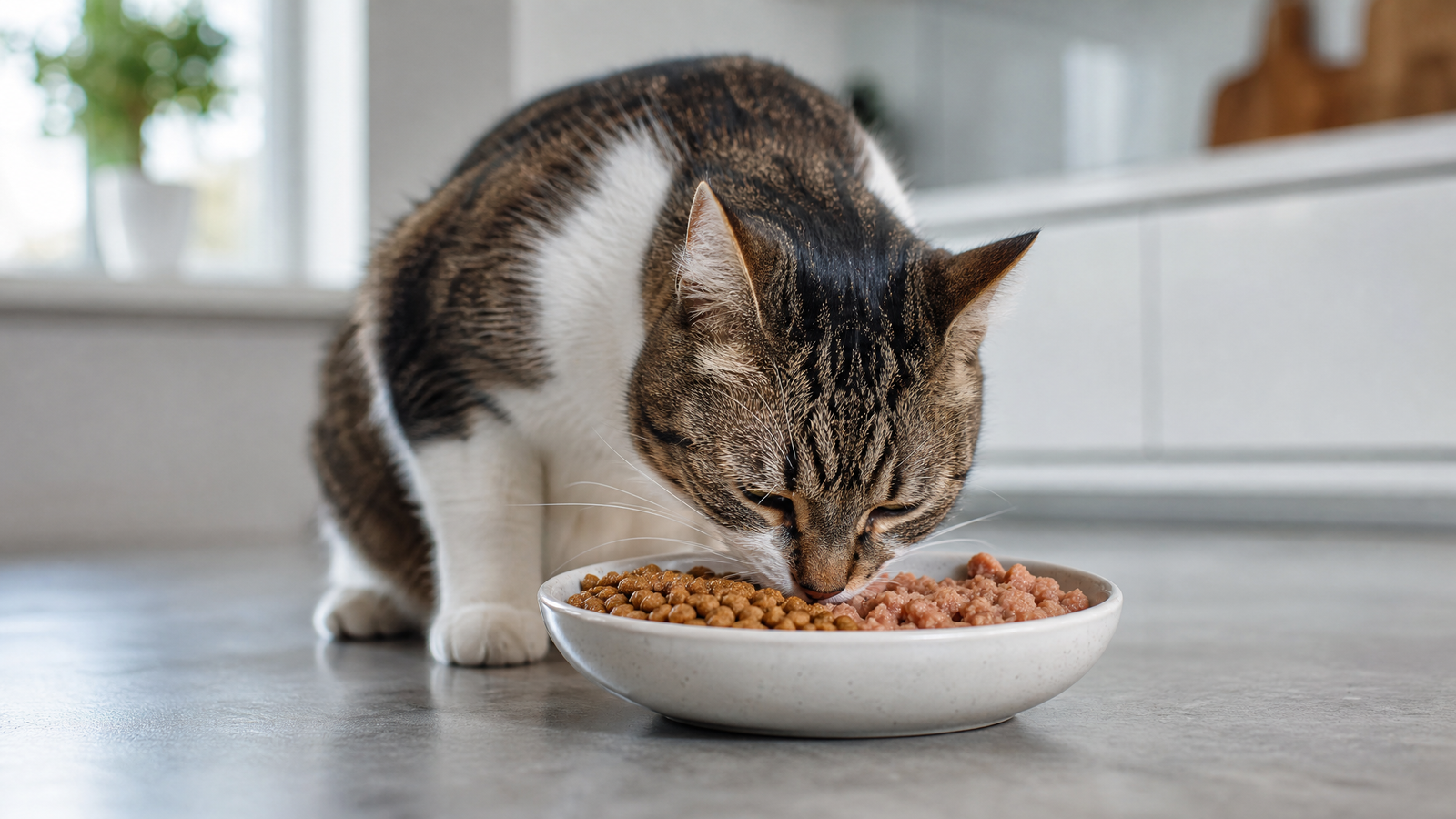
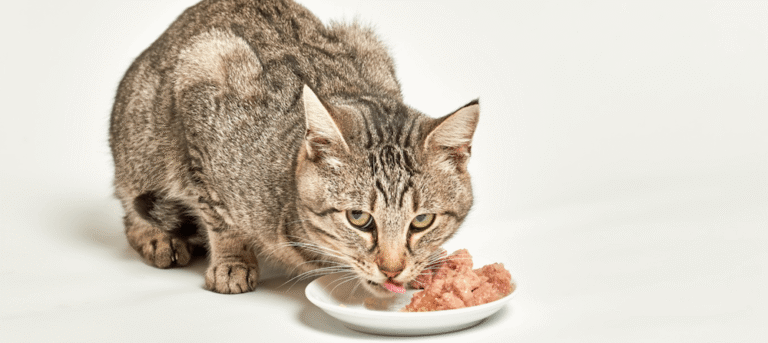
Cats have fewer taste buds than humans, but they have a strong sense of smell. Aroma helps a cat judge whether food seems fresh and safe. This explains why warming wet food slightly can make it more appealing.
Cats also notice texture. Some prefer smooth pâté, while others enjoy chunks in gravy or shredded meat. A cat that refuses one form may still eat another form with the same basic flavor.
Temperature matters, too. Most cats prefer food close to room temperature. Cold food from the refrigerator has less aroma, while very hot food can burn the mouth and may smell unusual.
Food freshness is another major factor. Open cans should be covered and stored in the refrigerator. Many veterinarians suggest using refrigerated wet food within a few days, while dry food should stay in a sealed container away from heat and moisture.
When asking why do cats get bored with their food, it helps to think like a cat. Your pet may not want a new recipe every day. It may simply want food that smells fresh, feels familiar, and arrives in a calm place.

Common reasons cats stop enjoying their food
The food no longer smells fresh
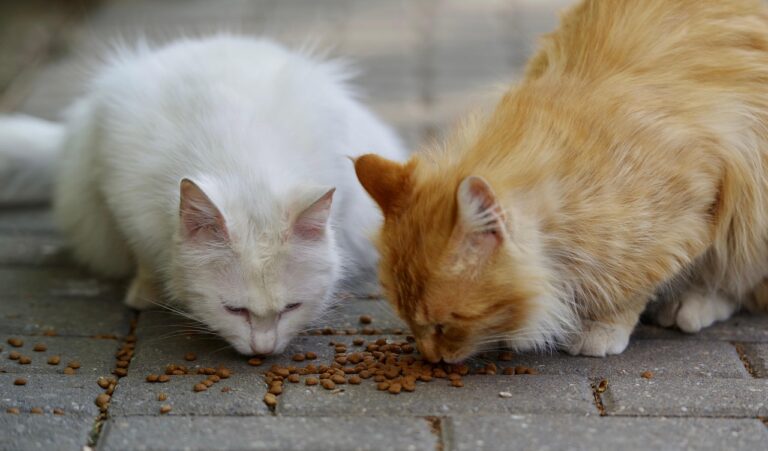
Dry food loses aroma when it sits in an open bag for weeks. Oils can become stale, especially when the food is stored near a stove, window, or warm appliance.
Buy smaller bags if your cat eats slowly. Keep the food in its original bag inside an airtight container. This helps protect the food from air, light, and moisture.
Your cat gets too many treats
Treats can reduce hunger for regular meals. Some treats also contain rich flavors that make normal food seem less exciting.
Keep treats to about 10 percent or less of your cat’s daily calories unless your veterinarian gives other advice. Small treats still count, so include them in the daily food plan.
Your cat learned to wait for something better
If a cat refuses dinner and then receives tuna, chicken, or a new food, it may learn a simple lesson: refusing works. This does not mean your cat is manipulative. It means the behavior has been rewarded.
Offer the meal at set times. Leave it down for a limited period, then remove it and try again later. Do not force your cat to eat or let it go without food for long periods.
The food texture does not suit your cat
A cat may dislike a new texture even when the flavor stays the same. This is common during a change from dry food to wet food or from pâté to chunks.
Try a slow transition. Mix a small amount of the new texture with the old one, then increase it over seven to 10 days if your cat accepts it.
Your cat’s routine changed
Moving furniture, adding a pet, changing work hours, or moving the food bowl can affect eating. Cats often feel safer with steady routines.
Feed your cat in a quiet area. Keep the bowl away from litter boxes, loud machines, and busy walkways. Some cats prefer eating alone rather than beside another pet.
A health problem affects appetite
Dental pain, nausea, kidney disease, diabetes, thyroid disease, infection, and other conditions can change eating habits. A cat may approach food, sniff it, and walk away because chewing or swallowing hurts.
This is why why do cats get bored with their food should never be answered with “cats are just picky” every time. A sudden or lasting appetite change may be a health sign.

Is food boredom different from food refusal?
Food boredom is usually mild and gradual. Your cat may eat less, prefer one flavor, or show interest in treats while acting normal in other ways.
Food refusal is more serious. It means a cat stops eating or eats far less than usual. Cats can develop a dangerous liver problem called hepatic lipidosis when they eat too little for several days, especially if they are overweight.
Watch for these signs:
• No food intake for 24 hours
• Repeated vomiting or diarrhea
• Drooling or trouble chewing
• Hiding or unusual weakness
• Weight loss
• Yellow gums, eyes, or skin
• Increased thirst or urination
• A painful belly
Contact a veterinarian quickly if these signs appear. Kittens, older cats, and cats with chronic illness may need help sooner.

How to prevent cats from getting bored with food
You do not need to create a large menu. Too much change can upset the stomach and make a cat more selective. Instead, build a calm and steady feeding plan.
Try these methods:
• Rotate two or three complete and balanced foods your cat already tolerates.
• Offer different safe textures, such as pâté and minced food.
• Serve small, fresh meals instead of one large meal.
• Use a clean bowl at every wet food meal.
• Store dry food in a cool, dry place.
• Warm wet food slightly to improve its smell.
• Add a little warm water if your cat accepts a softer meal.
• Keep treats small and limited.
• Feed at regular times each day.
• Use puzzle feeders for cats that enjoy hunting games.
Food rotation can help some cats, but it is not required for good health. A complete diet that your cat enjoys is more important than constant novelty.
Always check the label for nutritional adequacy. Look for food made for your cat’s life stage, such as kitten, adult, or senior. Your veterinarian can help you choose a diet for allergies, weight control, kidney disease, or other needs.

How to change your cat’s food safely
A sudden food change can cause vomiting, loose stool, or refusal. It can also make it harder to know which food caused a problem.
Use this gradual plan:
-
Offer about 75 percent old food and 25 percent new food for a few days.
-
Move to half old food and half new food if stools remain normal.
-
Offer 25 percent old food and 75 percent new food for another few days.
-
Serve only the new food once your cat accepts the blend.
Some cats need two weeks or longer. If your cat refuses the new food, return to the last ratio it accepted and move more slowly.
Do not starve a cat into accepting a new diet. This approach can be risky. If your veterinarian prescribed a special food, ask about safe alternatives or appetite support when needed.
What I have learned from real feeding situations
A common mistake is changing everything at once. A pet owner may buy a new brand, switch from dry food to wet food, move the bowl, and add supplements on the same day. If the cat refuses the meal, there is no clear way to know what caused the reaction.
A better approach is to change one thing at a time. Keep the bowl, feeding time, and portion steady while testing a new texture or recipe. Write down what your cat eats and any changes in stool, vomiting, energy, or weight.
Another lesson is that fresh food often matters more than a fancy flavor. When a cat ignores a meal, check the opening date, storage container, bowl cleanliness, and room temperature before buying several new foods.
I also advise against relying on tuna or human food as a daily solution. These foods may be high in salt, lack key nutrients, or upset the balance of a complete feline diet. A small plain treat may be fine, but regular meals should provide the nutrition your cat needs.

When to call a veterinarian
Call your veterinarian if your cat’s appetite changes suddenly or stays low. A vet may check the teeth, mouth, weight, hydration, abdomen, and overall health. Blood tests or other tests may be needed when symptoms point to an internal problem.
Seek urgent care when your cat stops eating and also vomits, seems weak, has trouble breathing, or shows pain. Do not wait several days if your cat is overweight, diabetic, elderly, or already ill.
Your veterinarian can also help if food selectivity makes it hard to manage a medical diet. There may be another flavor, texture, feeding method, or medication plan that works better.

Frequently Asked Questions About Why Do Cats Get Bored With Their Food
Do cats really get bored with eating the same food?
Cats may lose interest in a food, but the cause is not always boredom. Smell, texture, stale food, stress, treats, dental pain, and illness can all look like food boredom.
Should I change my cat’s food every day?
Daily changes are usually not needed and may cause stomach upset. If you rotate foods, use complete diets your cat already tolerates and change them slowly.
How long can a cat go without eating?
A cat should not go without food for long. Contact a veterinarian if your cat has not eaten for 24 hours, or sooner if it is a kitten, senior, overweight, or ill.
Can warming cat food make it more appealing?
Slightly warming wet food may release more aroma and improve interest. Test the temperature before serving, and never serve food that feels hot.
Should I give my cat human food when it refuses dinner?
Human food is not a reliable solution and may be unsafe or unbalanced. Ask your veterinarian before using people food, especially if your cat has a medical condition.
Why does my cat eat treats but not regular food?
Treats often have a stronger smell and richer taste than regular meals. This can also point to dental pain, nausea, or a learned habit of waiting for treats, so watch the pattern closely.
Conclusion
Cats may seem bored with their food because of scent, texture, freshness, routine, treats, stress, or an underlying health issue. The safest response is to check the food, keep meals calm, limit treats, and make changes slowly.
Pay close attention to sudden appetite loss, weight changes, vomiting, pain, or low energy. If you have been asking why do cats get bored with their food, start by tracking meals and speak with your veterinarian when the change lasts or feels unusual. Share this guide with another cat owner and explore more trusted pet-care resources for practical feeding help.
One Comment