Why Does My Cat Lick Gravy, Not Chunks: Causes
Your cat may lick the gravy but avoid the chunks because of texture, dental pain, nausea, or a strong food preference.
If you are wondering why does my cat lick the gravy but not eat the chunks, you are not alone. This behavior is common, but it can mean more than simple pickiness. The size, smell, texture, temperature, and moisture of the food all matter. Health problems, such as sore teeth or an upset stomach, can also make solid pieces hard to eat. This guide will help you understand the cause and choose a safe next step.

Why does my cat lick the gravy but not eat the chunks?
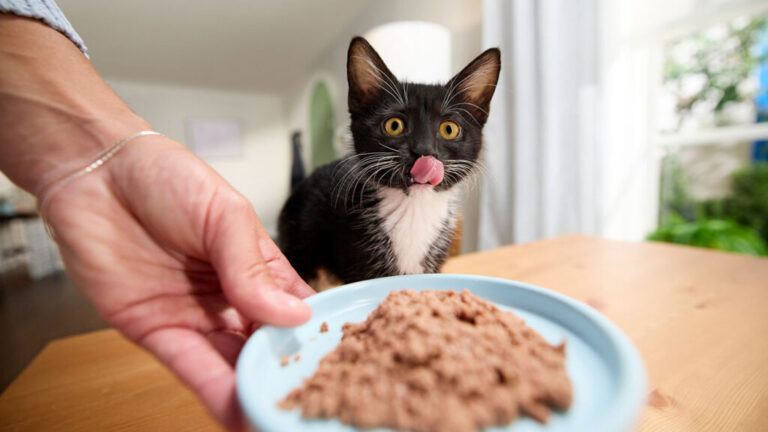
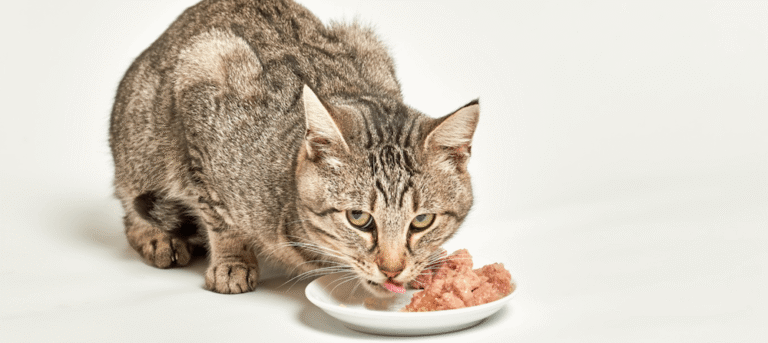
Many cats enjoy the rich smell and smooth feel of gravy. The sauce is easy to lap up, while meat chunks may feel hard, dry, sticky, or difficult to chew. Some cats also learn that licking the gravy gives them the best taste without needing to eat the rest.
A cat’s sense of smell guides much of its appetite. Gravy spreads strong food scents, while chunks may have a duller smell once they sit in the bowl. This can make the sauce seem more appealing than the solid food.
The answer may also depend on whether this is a long-term habit or a sudden change. A cat that has always preferred gravy may simply dislike the texture. A cat that once ate chunks but now avoids them may have dental pain, nausea, or another health issue.

Common reasons your cat avoids food chunks
Texture and food shape
Cats can have strong texture preferences. Some prefer pâté, while others like shredded meat, minced food, or small pieces in broth. Large chunks may be difficult for a small cat to grasp and chew.
The shape can matter too. A cat may lick around chunks that are too firm or rubbery. It may also reject pieces that feel dry after the gravy has been absorbed.
Try comparing these textures:
• Smooth pâté
• Finely minced food
• Shredded meat
• Small soft chunks
• Chunky food with extra water
A simple texture change often solves the problem. Change only one thing at a time so you can see what your cat truly prefers.
Dental pain or mouth disease
Dental disease is one of the most important causes to consider. A cat may feel hungry but avoid chewing because its teeth, gums, or mouth hurt. Licking gravy lets the cat eat with less pressure on the sore area.
Common signs of dental or mouth pain include:
• Dropping food while eating
• Chewing on one side
• Pawing at the mouth
• Bad breath
• Red or bleeding gums
• Drooling
• Trouble grooming
• Weight loss
Cats often hide pain very well. A quiet cat may still have severe dental disease. A veterinary dental exam is the only reliable way to check below the gumline, where much of the damage can occur.
Nausea or an upset stomach
Nausea can change the way a cat eats. The smell or feel of solid meat may trigger discomfort, while a small amount of gravy seems easier to tolerate. Some cats lick food, walk away, and return later when they feel better.
Other signs of nausea may include:
• Lip licking
• Frequent swallowing
• Drooling
• Vomiting
• Hiding
• Low energy
• Reduced interest in food
Nausea can result from hairballs, stomach irritation, medication, kidney disease, liver disease, or other problems. If your cat eats very little for a day, contact your veterinarian. Cats can develop serious liver problems after prolonged food refusal, especially if they are overweight.
The chunks are too large or too firm
Your cat may want the food but struggle with the pieces. Large chunks can be hard to bite, especially for kittens, older cats, cats with missing teeth, or cats with jaw pain.
You can try cutting the pieces into smaller bits with a clean fork. Adding warm water can soften the food and release more scent. Do not use hot food, as it can burn your cat’s mouth.
Your cat dislikes the recipe
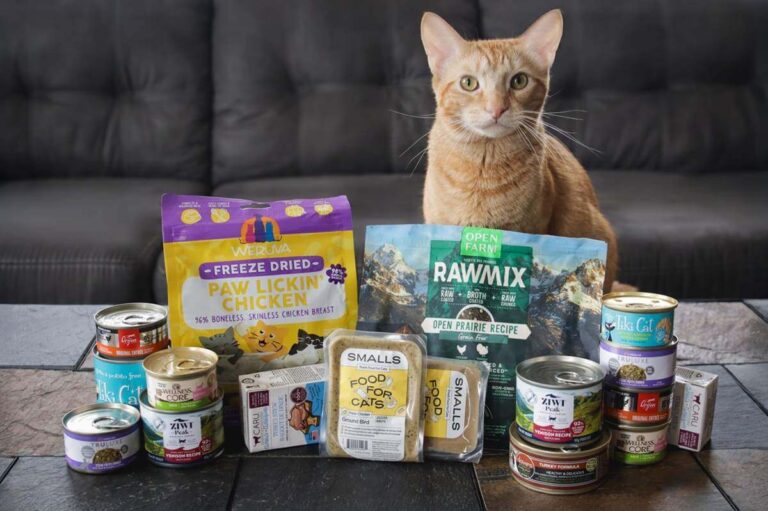
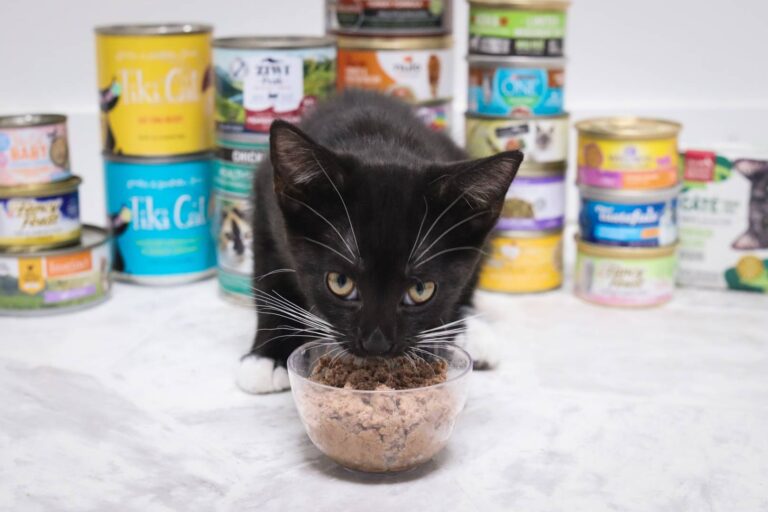
Different recipes have different smells and textures. One flavor may contain firm cubes, while another has soft flakes. Even foods from the same brand can feel very different.
Cats may reject a new recipe because of:
• A change in meat type
• A stronger smell
• A new thickener
• A different fat level
• Larger pieces
• A change in freshness
If you changed food recently, return to the old food if it was safe and well tolerated. Then ask your veterinarian how to make a slower transition over several days.
The food is too cold or not fresh
Cold food from the refrigerator has less aroma. Since smell is a key part of appetite, some cats lose interest in chilled leftovers. Let a portion warm to room temperature before serving.
Discard wet food that has sat out too long. Bacteria can grow in moist food, especially in a warm room. Wash the bowl after meals and offer a fresh serving instead of repeatedly topping up old food.
The bowl may be uncomfortable
Some cats dislike deep bowls because their whiskers touch the sides. Others dislike dirty bowls, strong soap smells, or noisy feeding areas. Stress near the bowl can also reduce eating.
Try a wide, shallow ceramic or stainless steel dish. Feed your cat in a quiet place away from litter boxes, dogs, busy hallways, and other cats.

How to tell food preference from a health problem
The key question is whether your cat is otherwise acting normal. A healthy cat with a stable weight may simply prefer gravy. A cat that seems hungry but cannot eat chunks may have pain or illness.
Look for this pattern:
• Your cat eats treats and dry food but avoids wet chunks: texture preference is more likely, though dental pain is still possible.
• Your cat licks gravy but refuses all solid food: mouth pain, nausea, or another illness deserves attention.
• Your cat approaches food, sniffs it, and walks away: nausea, pain, or food aversion may be involved.
• Your cat has bad breath or drools: schedule a veterinary exam.
• Your cat loses weight: do not treat the issue as simple fussiness.
• Your cat vomits, hides, or seems weak: contact a veterinarian promptly.
A useful home check is to note what your cat can eat, how much it eats, and how often. Keep a simple food diary for three to five days. Record appetite, water intake, vomiting, stool changes, and behavior.
Do not force food into your cat’s mouth. Force-feeding can increase stress and may cause food aversion or accidental inhalation of food.

What you can do at home
Start with small, safe changes. Offer a familiar food in a different texture before buying many new products. This keeps the test simple and avoids upsetting your cat’s stomach.
Try these steps:
-
Mash the chunks with a fork.
-
Add a small amount of warm water.
-
Serve a smaller portion on a flat plate.
-
Warm the food slightly to increase its smell.
-
Offer smaller meals more often.
-
Keep the feeding area calm.
-
Remove uneaten wet food and wash the dish.
-
Watch how your cat chews and swallows.
You can also try mixing a little pâté with the chunky food. Gradually increase the chunky portion if your cat accepts it. Do not make a sudden switch if your cat has a sensitive stomach.
In my experience reviewing common cat-feeding concerns, the best results usually come from changing texture first and watching the cat closely. A caregiver may spend money on several flavors when the real problem is a large piece, a cold meal, or a sore tooth. Small observations often provide more useful clues than guessing.
Make sure the food is labeled complete and balanced for your cat’s life stage. Gravy, broth, tuna water, and treats should not replace a balanced diet. Some human broths also contain onion, garlic, excess salt, or seasonings that are unsafe for cats.

When should you call the veterinarian?
Call your veterinarian if the change is sudden, lasts more than a day, or comes with other symptoms. Cats are skilled at hiding illness, so a change in eating habits may be an early warning sign.
Seek prompt veterinary care if your cat:
• Refuses all food
• Eats only tiny amounts
• Has repeated vomiting
• Has diarrhea with weakness
• Drools heavily
• Cannot swallow
• Has trouble breathing
• Seems painful
• Loses weight
• Becomes very sleepy or hides
• Has yellow gums, eyes, or ears
A cat that stops eating can become seriously ill. Overweight cats face a higher risk of hepatic lipidosis, also called fatty liver disease, when they eat too little for too long. Never wait several days if your cat is barely eating.
Your veterinarian may examine the mouth, check hydration, weigh your cat, and recommend blood tests. If dental disease is suspected, dental X-rays may be needed because problems can hide beneath the gums.
How to prevent future food refusal
A flexible diet can help. If your cat accepts several safe textures, a temporary shortage or recipe change may be easier to manage. Offer different textures when your cat is healthy, but introduce them slowly.
Keep meals predictable. Serve food at similar times, use clean dishes, and avoid feeding too many treats. Treats can reduce appetite and teach some cats to wait for a preferred food.
Other helpful habits include:
• Weighing your cat every few weeks
• Checking food dates and storage
• Keeping wet food covered in the refrigerator
• Using leftovers within the recommended time
• Avoiding sudden diet changes
• Scheduling routine veterinary exams
• Asking about dental care
Daily tooth brushing with cat-safe toothpaste can help reduce plaque, but it does not replace professional dental care. Never use human toothpaste because some ingredients can harm cats.
A simple feeding plan for gravy-loving cats
If your cat is bright, comfortable, and still eating enough, use this gentle plan:
-
Offer the usual food in a shallow dish.
-
Mash the chunks into the gravy.
-
Add one teaspoon of warm water if needed.
-
Serve a small amount at room temperature.
-
Watch your cat eat without pressure.
-
If accepted, slowly leave a few soft pieces less mashed.
-
Track the amount eaten for the next 24 hours.
If your cat refuses the mashed food but eagerly eats smooth pâté, texture is likely part of the issue. You can feed a complete and balanced pâté while discussing long-term options with your veterinarian.
If your cat refuses even favorite foods, seems ill, or shows mouth pain, stop testing different recipes and arrange veterinary care.

Mistakes to avoid
Many well-meaning cat owners make the same few mistakes. They may offer a buffet of foods, add rich toppings, or wait too long because the cat is still licking gravy. These actions can hide the true problem.
Avoid these mistakes:
• Assuming gravy licking proves your cat is healthy
• Changing foods several times in one day
• Giving salty human gravy
• Adding onion or garlic seasoning
• Force-feeding without veterinary guidance
• Ignoring bad breath or drooling
• Waiting several days after a major appetite change
• Measuring success by licking instead of calories eaten
Gravy contains water, but it may contain few calories and little protein compared with the full meal. A cat that only licks sauce may not be meeting its nutritional needs.
Frequently Asked Questions
Why does my cat lick the gravy but not eat the chunks?
Your cat may prefer the smooth texture, strong smell, or moisture of gravy. Large pieces, dental pain, nausea, or a dislike of the recipe can also cause this behavior.
Is it normal for cats to prefer gravy?
Yes, some cats naturally prefer smooth or wet textures. It is usually less concerning when the preference is long-standing and your cat maintains a healthy weight and normal behavior.
How can I get my cat to eat the chunks?
Mash the chunks, cut them into smaller pieces, or add a little warm water. If your cat suddenly avoids solid food, ask a veterinarian to check for dental pain or illness before focusing only on preference.
Should I worry if my cat only licks gravy?
You should watch the total amount your cat eats. If your cat consumes very few calories, loses weight, vomits, drools, or acts tired, contact your veterinarian promptly.
Can dental disease cause a cat to lick gravy but avoid chunks?
Yes. Chewing can hurt when a cat has inflamed gums, broken teeth, tooth resorption, or other mouth problems. A veterinary exam is needed because cats may hide dental pain.
Can I give my cat human gravy?
No. Human gravy may contain onion, garlic, salt, fat, or spices that are unsafe for cats. Use cat food gravy or plain water instead.
When is a cat not eating an emergency?
A cat that refuses all food, has trouble breathing or swallowing, vomits repeatedly, or becomes weak needs prompt veterinary advice. Overweight cats can develop dangerous fatty liver disease after eating too little.
Conclusion
Why does my cat lick the gravy but not eat the chunks? The cause may be a simple texture preference, but it can also point to dental pain, nausea, food aversion, or another health concern. Softening the pieces, warming the food slightly, using a shallow dish, and tracking food intake are useful first steps when your cat otherwise seems well.
Do not ignore a sudden appetite change or assume that licking gravy provides enough nutrition. Watch for weight loss, drooling, vomiting, weakness, and mouth pain, and contact your veterinarian when these signs appear. Try the feeding tips above, keep a careful food record, and share your experience or questions in the comments.