Why Does My Cat Act Hungry All The Time: Causes And Tips
Your cat may act hungry because of routine, boredom, poor food intake, or a health problem that needs veterinary care.
If you keep wondering, “why does my cat act hungry all the time,” you are not alone. Cats can beg for food for simple reasons, such as habit or stress, but constant hunger can also point to diabetes, hyperthyroidism, intestinal disease, or parasites. This guide explains how to tell the difference, what to check at home, and when to call your veterinarian.
Why does my cat act hungry all the time?
A cat that asks for food often may not truly be starving. Many cats learn that meowing, pawing, or sitting near the food bowl gets a reward. Over time, begging can become a strong habit.
Still, increased hunger should not be ignored. The key is to look at the full picture, including your cat’s weight, thirst, energy, stool, diet, and recent behavior.
Common reasons include:
• Your cat is eating too few calories
• The food is low in protein or not very filling
• Meals are too small or spread too far apart
• Your cat is bored or seeking attention
• A feeding routine has rewarded begging
• Stress has changed your cat’s behavior
• Your cat is losing nutrients through illness
• Medication is increasing appetite
• Your cat has diabetes, hyperthyroidism, parasites, or another disease
A hungry cat with stable weight and normal behavior may have a feeding or lifestyle issue. A hungry cat that loses weight, drinks more, or urinates often needs a veterinary exam.
 display: block; margin: 0 auto;”
loading=”lazy”
/>
Medical reasons for constant hunger in cats
Sometimes, the answer to “why does my cat act hungry all the time” is a medical problem. Certain diseases make the body use calories poorly or prevent the cat from absorbing nutrients. The result can be a strong appetite, even when your cat is eating enough food.
Diabetes mellitus
Diabetes occurs when the body cannot use insulin well. Glucose stays in the blood instead of moving into the cells for energy.
A cat with diabetes may show:
• Increased hunger
• Weight loss
• Increased thirst
• More frequent urination
• Weakness or poor muscle tone
• A dull or unkempt coat
Diabetes is more common in overweight, middle-aged, and older cats. It can often be managed, but early care gives your cat a better chance of feeling well.
Hyperthyroidism
Hyperthyroidism is common in older cats. An overactive thyroid speeds up the body’s metabolism, almost like keeping a car engine running too fast.
Signs may include:
• A large appetite
• Weight loss despite eating
• Restlessness or anxiety
• Vomiting or loose stool
• Increased thirst and urination
• A fast heartbeat
• A rough or greasy coat
A veterinarian can check thyroid hormone levels with a blood test. Treatment depends on your cat’s age, health, and test results.
Intestinal parasites
Worms and other parasites may interfere with digestion or nutrient absorption. Some cats show few signs, while others lose weight, vomit, or have diarrhea.
Kittens, outdoor cats, and cats that hunt have a higher risk. A stool test can help identify several common parasites, but one test does not always detect every infection.
Do not give over-the-counter dewormers without veterinary advice. Some products are unsafe for cats, and the correct treatment depends on the parasite involved.
Digestive disease and poor absorption
Inflammatory bowel disease, intestinal cancer, chronic pancreatitis, and other digestive disorders may affect how a cat absorbs nutrients. Affected cats may seem hungry but still lose weight.
Vomiting, diarrhea, mucus in the stool, or changes in stool size can offer useful clues. Your veterinarian may suggest blood work, imaging, a diet trial, or other tests.
Medication side effects
Some medicines can increase appetite. Steroids, such as prednisolone, are a common example. Certain drugs may also cause increased thirst or changes in behavior.
Never stop a prescribed medicine without speaking with your veterinarian. Ask whether the increased appetite is expected and whether the dose or treatment plan should change.

Nonmedical reasons your cat may beg for food
If your cat acts hungry but has a healthy weight and normal test results, behavior and routine may be the cause. Cats are creatures of habit. A few extra treats can quickly become part of the daily schedule.
Your cat has learned to beg
Cats repeat actions that work. If meowing leads to food, your cat may meow more often. This is not bad behavior. It is simple learning.
The pattern can become stronger when food appears at random times. From your cat’s point of view, begging sometimes works, so it is worth trying again.
Your cat is bored
Indoor cats need more than food and a clean litter box. They also need movement, play, hunting-style activities, and social contact.
A bored cat may use food as entertainment. The bowl becomes the most interesting event of the day.
Try adding:
• Two or three short play sessions each day
• Wand toys that encourage chasing
• Puzzle feeders
• Treats hidden around a safe room
• A window perch
• Scratching posts and climbing areas
• Rotating toys instead of leaving all toys out
Even five minutes of active play can help break the cycle.
Your cat is not getting enough calories
Food labels can be confusing. A small scoop may contain fewer calories than your cat needs, especially if the food has a high water content.
Compare the feeding guide with your cat’s ideal weight, not only the current weight. Ask your veterinarian for a daily calorie target if you are unsure.
Treats also count. Veterinary nutrition guidance commonly recommends keeping treats and other extras to no more than about 10 percent of daily calories.
Your cat prefers several small meals
Cats often prefer small meals because their natural hunting pattern involves catching several small prey items. One or two large meals may leave some cats searching for more food.
An automatic feeder can divide the same daily portion into smaller meals. This can help your cat feel more satisfied without adding extra calories.
Stress has changed your cat’s behavior
Moving, a new pet, visitors, loud sounds, or changes in your work schedule can affect appetite. Some cats eat less under stress, while others seek food for comfort or routine.
Look for other signs of stress, such as hiding, overgrooming, spraying, sudden aggression, or changes in litter box use. A calm schedule and safe hiding spaces may help.

How to tell whether your cat is truly hungry
The answer to “why does my cat act hungry all the time” becomes clearer when you track changes instead of relying on begging alone. A cat can ask for food while gaining weight, which means the behavior may not reflect a calorie shortage.
Check these details:
• Body weight and body shape
• Daily food amount
• Treats and table scraps
• Water intake
• Urination frequency
• Vomiting or diarrhea
• Energy and playfulness
• Coat quality
• Medication use
• Recent household changes
A healthy body condition usually includes a visible waist when viewed from above and ribs that can be felt under a thin layer of fat. Ribs should not be sharply visible, but they should not be buried under heavy fat either.
Weigh your cat every two to four weeks if possible. A baby scale works well for smaller cats. For larger cats, weigh yourself while holding your cat, then subtract your own weight.
Keep a simple food diary for seven days. Write down meals, treats, supplements, and anything your cat steals from another pet’s bowl. This record often reveals that the cat is eating more or less than the family expects.

How much should a cat eat?
There is no single food amount that fits every cat. Calorie needs depend on age, body size, activity, reproductive status, health, and whether the cat lives indoors or outdoors.
A rough starting point for many adult cats is about 20 to 30 calories per pound of ideal body weight each day. This is only a general estimate. An inactive indoor cat may need less, while a young, active cat may need more.
Use the calorie information on the package when available. The feeding chart is a starting point, not a strict rule.
To manage portions:
- Find your cat’s ideal weight with your veterinarian.
- Check the food’s calories per can, pouch, or cup.
- Measure each meal with a kitchen scale or proper measuring cup.
- Include treats in the daily total.
- Recheck weight and body condition every few weeks.
- Adjust portions slowly if weight changes are not appropriate.
Avoid sudden food cuts. A cat that stops eating can develop hepatic lipidosis, also called fatty liver disease. This condition can become dangerous, especially in overweight cats.
If your cat needs weight loss, your veterinarian can create a safe plan. Weight reduction should be gradual and monitored.

What to do when your cat begs for food
When people ask, “why does my cat act hungry all the time,” they often want a practical fix. The best approach is to rule out illness first, then change the routine in small steps.
Use measured meals
Measure the entire day’s food in the morning. Divide it into meals, and do not refill the bowl just because your cat begs.
If several people feed the cat, use a written schedule. This prevents double meals from well-meaning family members.
Reward calm behavior
Do not reward loud meowing with food. Wait for a quiet moment, then offer attention, play, or a planned meal.
This can be difficult at first. Your cat may meow more loudly before giving up. This is called an extinction burst. Stay consistent, or the behavior may become even stronger.
Add food puzzles
Puzzle feeders slow eating and provide mental work. Start with an easy puzzle and place a small amount of your cat’s normal food inside.
Do not force a nervous cat to use a difficult feeder. Make the activity simple and positive.
Increase play
Use a wand toy, toy mouse, or safe chase game before a meal. This follows a natural pattern: hunt, eat, groom, and rest.
Never use your hands as toys. A cat that learns to bite hands may continue the behavior during play or feeding.
Protect other pets’ food
A cat may seem constantly hungry because it eats its own meal and then steals another pet’s food. Feed pets in separate rooms or use a microchip feeder if needed.
Watch for competition at the bowl. A timid cat may eat too fast or appear hungry because it worries that food will disappear.

When should you call a veterinarian?
The question “why does my cat act hungry all the time” deserves prompt attention when hunger appears with other symptoms. Contact your veterinarian if the appetite change is sudden, intense, or linked to weight loss.
Book an appointment if your cat:
• Loses weight while eating more
• Drinks or urinates much more than usual
• Vomits often
• Has ongoing diarrhea
• Becomes weak, restless, or unusually vocal
• Has a poor coat or reduced muscle
• Eats nonfood items
• Has a swollen belly
• Is a senior cat with a new appetite change
• Takes medicine that may affect appetite
Seek urgent care if your cat stops eating, has trouble breathing, collapses, vomits repeatedly, or seems severely weak. Cats can become seriously ill after a short period without food.
Your veterinarian may perform a physical exam and recommend blood work, a urine test, a stool test, or thyroid testing. The exact plan depends on your cat’s age and symptoms.
Do not diagnose diabetes or thyroid disease from appetite alone. Hunger is a clue, not a diagnosis.

What your veterinarian may check
A good medical workup starts with a detailed history. Tell the clinic when the increased hunger began and whether your cat’s weight, thirst, urine, stool, or activity has changed.
Bring useful information, such as:
• The food brand and flavor
• Daily amounts and feeding times
• Treats and supplements
• Current medications
• Recent weight records
• Photos of vomit or unusual stool
• Notes about behavior and litter box use
The veterinarian may check blood glucose, kidney and liver values, thyroid hormone, red and white blood cell counts, and urine concentration. A fecal exam may help find parasites.
Testing has limits. A normal first test does not always rule out every disease. If signs continue, follow-up testing may be needed.
This is one of the most useful lessons for cat owners: patterns matter. A single hungry morning may mean little, but weeks of hunger with weight loss tell a different story.

Mistakes to avoid when feeding a hungry cat
Many feeding problems start with good intentions. You want your cat to feel cared for, so you offer one more treat. The problem is that extra food can hide illness or cause weight gain.
Avoid these common mistakes:
• Free-feeding a cat that gains weight
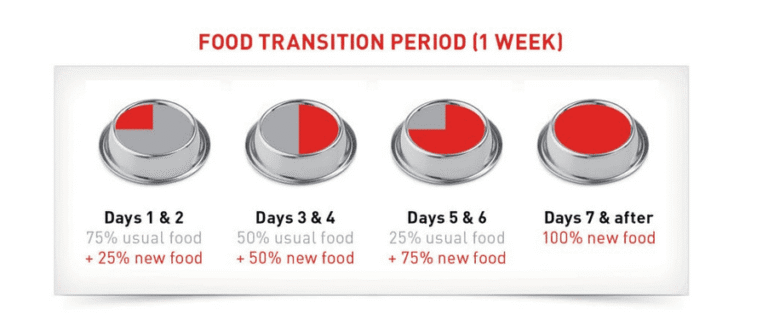
• Changing food suddenly
• Giving human foods with onion, garlic, grapes, raisins, chocolate, or xylitol
• Using treats to stop every meow
• Guessing portions without checking calories
• Giving supplements without veterinary guidance
• Ignoring weight loss because the cat is eating
• Assuming indoor cats cannot have parasites
• Punishing begging or food stealing
Never punish a cat for asking for food. Punishment can increase fear and stress. Calm routines work better.
Also avoid extreme diets. Cats need animal-based nutrients, including taurine and arachidonic acid. Choose a complete and balanced cat food made for your cat’s life stage.

Frequently Asked Questions
Why does my cat act hungry all the time but keep losing weight?
Increased hunger with weight loss can signal diabetes, hyperthyroidism, parasites, or digestive disease. Schedule a veterinary visit soon, especially if your cat also drinks and urinates more than usual.
Why does my cat act hungry all the time at night?
Nighttime begging may come from habit, boredom, or long gaps between meals. An automatic feeder, a play session before bed, and measured daily portions may help, but sudden nighttime hunger still deserves attention if other symptoms appear.
Can boredom make a cat act hungry all the time?
Yes. Some cats use food seeking as a way to get attention or stimulation. Add play, climbing spaces, puzzle feeders, and short training sessions before increasing the food amount.
Should I give my cat more food if it keeps begging?
Not automatically. First check the daily calories, body condition, treats, and weight trend, then ask your veterinarian whether the portion is suitable.
How often should I feed a cat that always seems hungry?
Many adult cats do well with two to four measured meals each day. Smaller meals may reduce begging, but the total daily calories should stay within the amount your cat needs.
Is constant hunger normal in kittens?
Kittens need more calories for growth and may eat often. They should still receive food made for kittens, gain weight steadily, and receive routine veterinary care.
Conclusion
The answer to “why does my cat act hungry all the time” may be as simple as boredom, a learned habit, or meals that are too small. However, constant hunger with weight loss, increased thirst, vomiting, diarrhea, or weakness can point to a medical problem.
Track food, treats, weight, water, litter box habits, and behavior. Offer measured meals, add play and puzzle feeding, and arrange a veterinary exam when the change is new or persistent. With careful observation and the right plan, you can help your cat feel satisfied while protecting its health.
Start a seven-day food and symptom log today, and share it with your veterinarian if the begging continues.