Why Does My Cat Hate Wet Food: Causes And Solutions
Your cat may hate wet food because of its smell, texture, temperature, past habits, or an underlying health problem.
If you are wondering why does my cat hate wet food, you are not alone. Many cats walk away from a fresh bowl, even though wet food can provide extra moisture and useful nutrients. The good news is that food refusal often has a clear cause, and small changes can make meals less stressful for both of you.
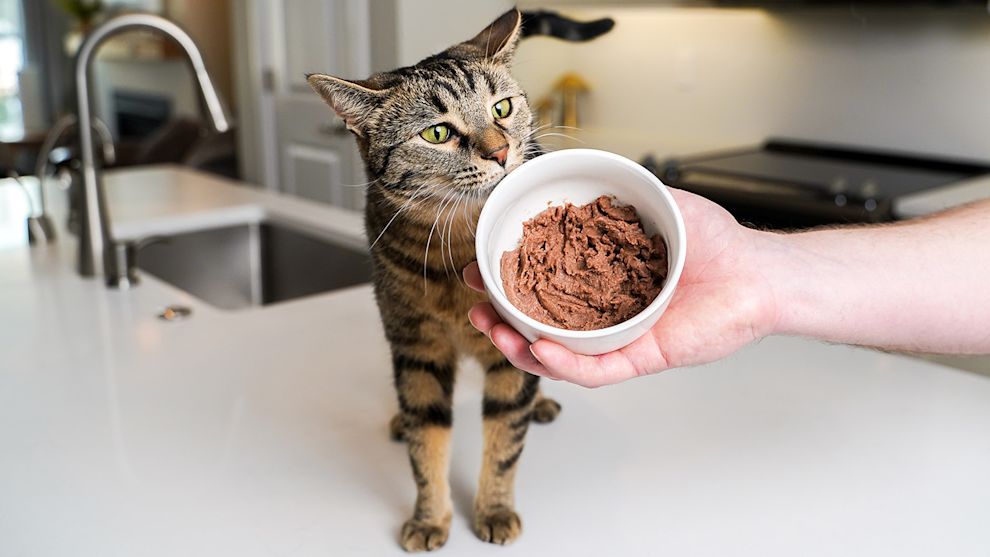
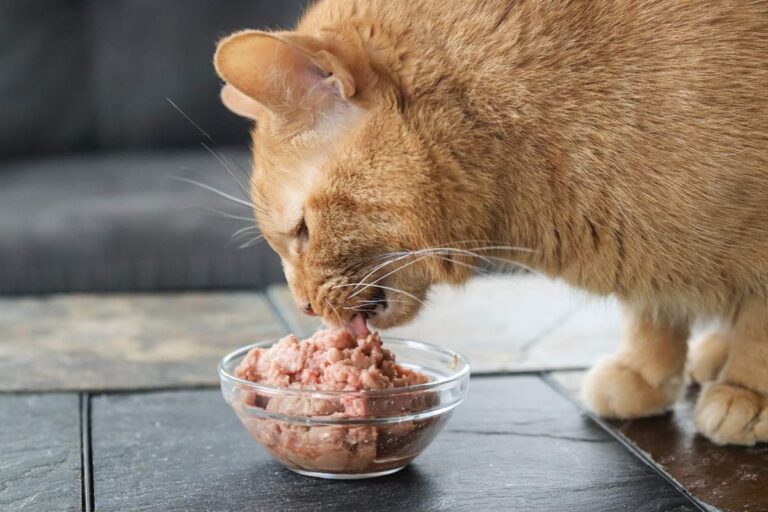
Why does my cat hate wet food?
The simplest answer is that cats can be very particular about food. Their likes often develop from early experiences, scent preferences, and the texture they enjoy. A cat that grew up eating dry kibble may see wet food as strange rather than appealing.
Cats also choose food mainly through smell. Wet food has a strong scent, especially when it contains fish, liver, or other rich ingredients. While some cats love that smell, others find it too intense.
The bowl, room, and feeding routine can matter, too. A dirty dish, a noisy kitchen, or a bowl that touches the whiskers may make your cat avoid the meal. In some cases, the reason why does my cat hate wet food is not the food itself but the setting around it.
A sudden dislike deserves more attention. Dental pain, nausea, mouth sores, kidney disease, and other health issues can change a cat’s appetite. A cat may still want to eat but avoid food that feels painful or smells too strong.

Common reasons your cat refuses wet food
The texture feels wrong
Wet cat food comes in many forms. It may be a smooth pâté, chunky stew, shredded meat, minced pieces, or food with gravy. Cats can reject one texture while happily eating another.
Texture can be especially important for cats that are used to dry food. Crunchy kibble gives strong mouth feedback. Soft food feels very different, and some cats need time to accept it.
The smell is too strong
Cats have a highly developed sense of smell. Wet food releases more odor than dry food, so the scent can be overwhelming. Fish-based recipes often have the strongest smell.
A food that smells appealing to you may not appeal to your cat. Cats can also reject food that smells stale, sour, or different from the last can.
Your cat prefers familiar food
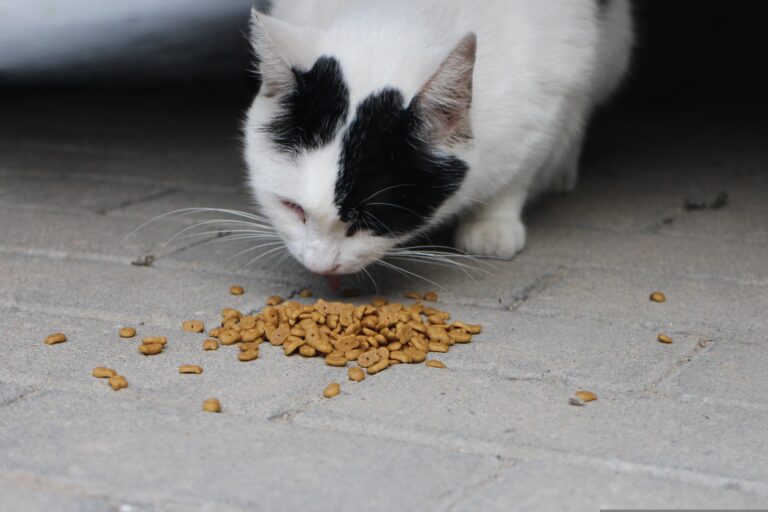
Cats are creatures of habit. If your cat has eaten the same kibble for years, a new food may seem unsafe. This is not stubbornness in the human sense. Familiar food feels predictable.
This is one reason why does my cat hate wet food can be hard to solve quickly. Your cat may need several gentle introductions before the new food becomes normal.
The food is too cold
Many cats prefer food at room temperature or slightly warm. Food straight from the refrigerator has less aroma, and its texture may feel firmer.
You can warm a small portion for a few seconds in the microwave. Stir it well, check the temperature with your finger, and never serve food that feels hot. Warm food should be comfortable, not heated.
The bowl causes discomfort
Deep bowls can press against a cat’s whiskers. Some cats dislike this sensation and prefer a wide, shallow dish. Plastic bowls may also hold odors or cause skin irritation in sensitive cats.
Try a clean ceramic, glass, or stainless-steel plate. Wash it after each meal, especially when serving wet food.
The feeding area feels unsafe
Cats prefer calm places to eat. A busy hallway, loud appliance, barking dog, or nearby cat can make a meal feel risky.
Place the bowl in a quiet area away from litter boxes. If you have more than one cat, give each cat a separate feeding space. Competition can cause one cat to eat too quickly or avoid food altogether.

Could a health problem explain the food refusal?
Yes. A cat that suddenly stops eating wet food may have a medical problem. Cats often hide pain, so appetite changes can be one of the first signs that something is wrong.
Dental disease is a common concern. A cat with sore gums, a broken tooth, or mouth inflammation may avoid food because chewing or licking hurts. Some cats drop food, chew on one side, drool, paw at the mouth, or develop bad breath.
Nausea can also change food choices. A cat may approach the bowl, sniff it, and walk away. This can happen with stomach problems, hairballs, medication side effects, kidney disease, liver disease, or other conditions.
Contact your veterinarian if your cat:
• Refuses all food for 24 hours
• Eats much less than normal
• Vomits more than once
• Has diarrhea or severe constipation
• Loses weight
• Acts weak, hidden, painful, or unusually quiet
• Drinks much more or less than usual
• Has trouble breathing or swallowing
Adult cats can become seriously ill after a period of poor eating. Overweight cats face a special risk of hepatic lipidosis, also called fatty liver disease, when they stop eating. Do not force-feed your cat unless a veterinarian has shown you how to do it safely.

How to introduce wet food without stress
A slow change works better than a sudden switch. Your goal is to build trust, not win a battle at the bowl.
Try these steps:
- Start with a tiny amount
Place a teaspoon of wet food beside your cat’s usual meal. Do not mix it in at first. This lets your cat inspect the new food without losing access to familiar food.
- Keep the routine steady
Offer food at the same times each day. Remove uneaten wet food after about 20 to 30 minutes, since it can spoil at room temperature. Keep fresh water available at all times.
- Test different textures
Try pâté, minced food, shreds, and chunks in gravy. If your cat rejects one style, that does not mean your cat will reject all wet food.
- Try another protein
Some cats prefer chicken, turkey, beef, or rabbit over fish. Change one feature at a time so you can learn what your cat likes.
- Add a familiar scent
A small sprinkle of your cat’s usual kibble on top may make wet food seem safer. You can also add a teaspoon of warm water to increase moisture and spread the smell.
- Increase the amount slowly
If your cat accepts the small portion, add a little more every few days. If your cat refuses the next step, return to the last amount that worked.
Never starve a cat into accepting a new diet. Cats are not small dogs, and prolonged food refusal can be dangerous.
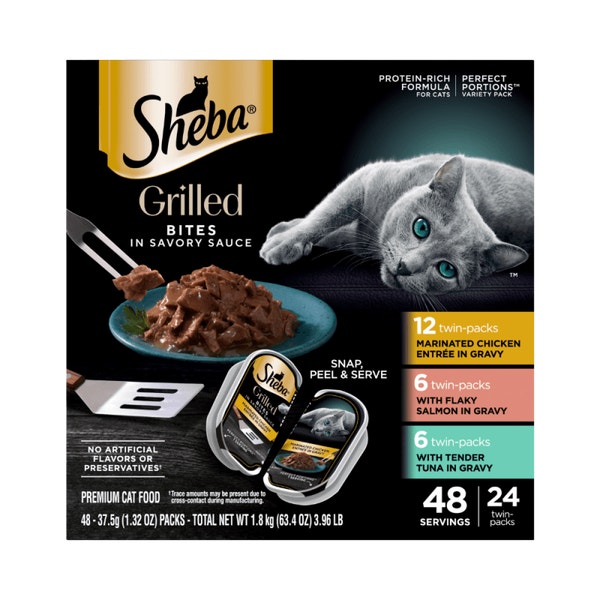
Practical ways to make wet food more appealing
Small details can change the whole meal. Think of wet food as a sensory experience. Smell, temperature, texture, and location all send signals to your cat.
Use these simple ideas:
• Serve a fresh portion in a clean, shallow dish.
• Warm the food slightly to release its aroma.
• Stir gravy into chunky food if your cat likes softer meals.
• Add a small amount of warm water for extra moisture.
• Offer food in a quiet room.
• Keep food away from litter boxes.
• Store opened cans in the refrigerator with a sealed cover.
• Let refrigerated food reach room temperature before serving.
• Avoid leaving wet food out for long periods.
• Introduce new flavors one at a time.
A common mistake is offering too many choices at once. Several open cans can make it hard to know what your cat truly prefers. It may also teach your cat to wait for a more exciting option.
Another mistake is changing food during a stressful event. Moving, guests, home repairs, a new pet, or a change in schedule can reduce appetite. Give your cat a quiet space and return to a familiar routine.

Is wet food better than dry food?
Wet and dry food can both support good health when they are complete and balanced for your cat’s life stage. Wet food has a high water content, which may help cats that do not drink much. This can be useful for some cats with urinary or kidney concerns, but diet changes should follow veterinary advice.
Dry food is convenient, easy to measure, and less likely to spoil quickly. It can also be useful in food puzzles and automatic feeders. However, dry food does not replace fresh water, and it should not be viewed as a complete dental-care plan.
The best diet depends on your cat’s age, weight, activity level, health, and personal preference. Check the label for a nutritional adequacy statement. Foods made for kittens, adults, or seniors are not always interchangeable.
If your cat dislikes wet food, do not panic. A cat can have a healthy diet without eating canned food. Still, it is worth finding ways to support water intake, such as multiple water bowls, a fountain, or adding water to food your cat already accepts.
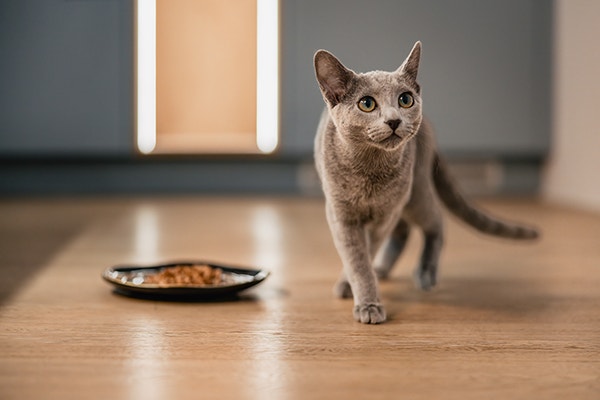
How to tell preference from a warning sign
A healthy cat with a stable appetite may simply reject one wet food recipe. Your cat may eat dry food, accept treats, act normally, and maintain a steady weight. That pattern usually suggests a preference issue rather than an emergency.
A warning sign is a change from normal behavior. If your cat once loved wet food but now refuses it, pay close attention. The same is true if your cat sniffs food but cannot eat, chews strangely, or seems hungry but uncomfortable.
Keep a simple food and behavior log for a few days. Record what your cat eats, how much water it drinks, stool changes, vomiting, energy, and weight if possible. These details can help your veterinarian find patterns faster.
Your veterinarian may examine the mouth, check body weight, and recommend blood or urine tests. There is no single test for why does my cat hate wet food, so the diagnosis depends on the full picture.

A gentle feeding plan for the next week
If your cat is otherwise well, this seven-day plan may help:
-
Day one: Serve the normal food in a clean, shallow dish.
-
Day two: Place one teaspoon of wet food beside the normal food.
-
Day three: Try a different texture if your cat ignores the first one.
-
Day four: Warm a small portion and add a little familiar kibble on top.
-
Day five: Offer the wet food in a quiet feeding area.
-
Day six: If your cat accepts it, increase the portion slightly.
-
Day seven: Keep using the texture and flavor your cat prefers.
Stop and call your veterinarian if your cat eats very little, seems ill, or develops new symptoms. Food training should never come before medical care.
Frequently Asked Questions
Why does my cat hate wet food but love treats?
Treats often have a stronger smell and a more familiar taste than wet food. They may also be crunchy, chewy, or served in a rewarding way. Try matching the wet food’s texture or scent to the type of treat your cat enjoys.
Can I force my cat to eat wet food?
No. Forcing food can create fear, increase stress, and may cause choking or food aversion. Use slow introductions, and speak with a veterinarian if your cat refuses food or needs a special diet.
Should I mix wet food with dry food?
You can mix them if your cat accepts the combination. Start with a very small amount of wet food, and increase it slowly while watching for vomiting, diarrhea, or reduced appetite.
How long can wet cat food sit out?
Wet food should not sit out for many hours. Remove leftovers after about 20 to 30 minutes in a warm room, and follow the product label for storage guidance.
Does my cat need wet food every day?
Not always. A complete and balanced wet or dry diet can meet a cat’s nutritional needs. Wet food can help increase moisture intake, but your cat’s total diet should match its health needs and your veterinarian’s advice.
Why did my cat suddenly stop eating wet food?
A sudden change may come from a new recipe, spoiled food, stress, dental pain, nausea, or another illness. If your cat also refuses other food or shows unusual behavior, contact a veterinarian promptly.
Conclusion
Why does my cat hate wet food? The cause may be simple, such as texture, smell, temperature, bowl shape, or a strong preference for familiar food. But sudden refusal can also point to dental pain or illness, so changes in appetite deserve attention.
Try a clean shallow dish, a quiet feeding spot, a slightly warm serving, and a slow transition. Never starve or force your cat to accept a new diet. Watch eating habits, weight, energy, and other symptoms, and ask your veterinarian for help when anything seems unusual.
With patience, you may find a wet food your cat enjoys. Start with one small change today, and share your experience or explore more cat nutrition resources for continued guidance.