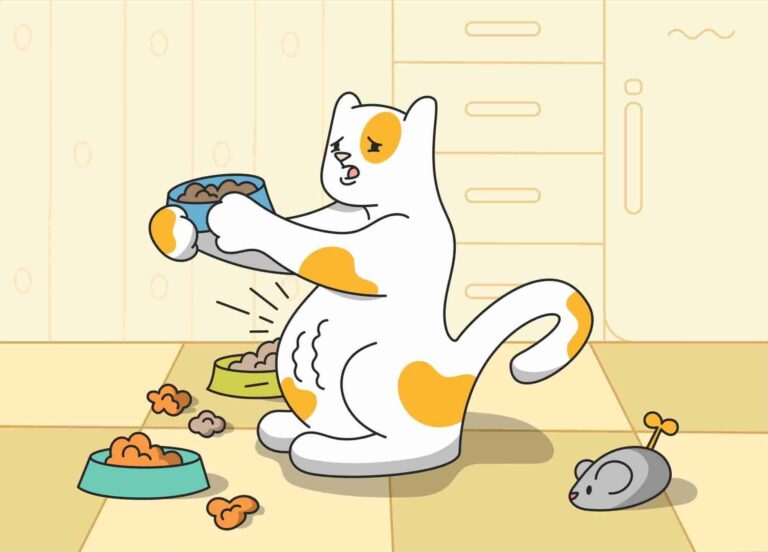
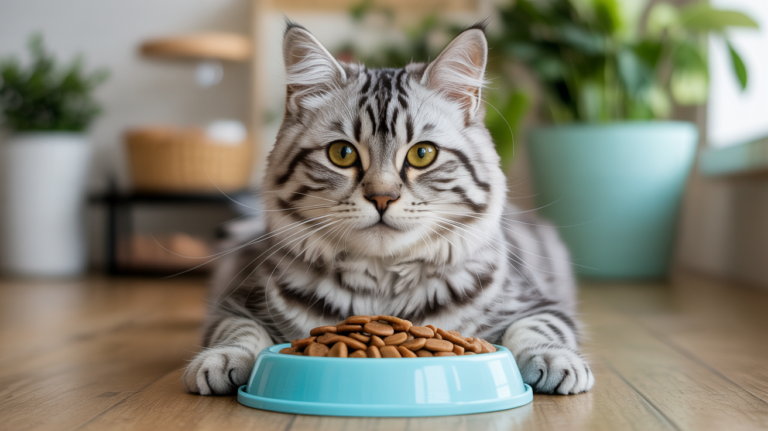
Why Does My Cat Refuse New Food: Reasons And Fixes
Most cats refuse new food because they dislike sudden changes, unfamiliar smells, or the food’s texture.
If you are wondering why does my cat refuse new food, you are not alone. Cats often treat food like a trusted routine, so even a healthy new recipe can feel unsafe. This guide explains the common causes, safe ways to change diets, warning signs, and practical steps that can help your cat eat with confidence.
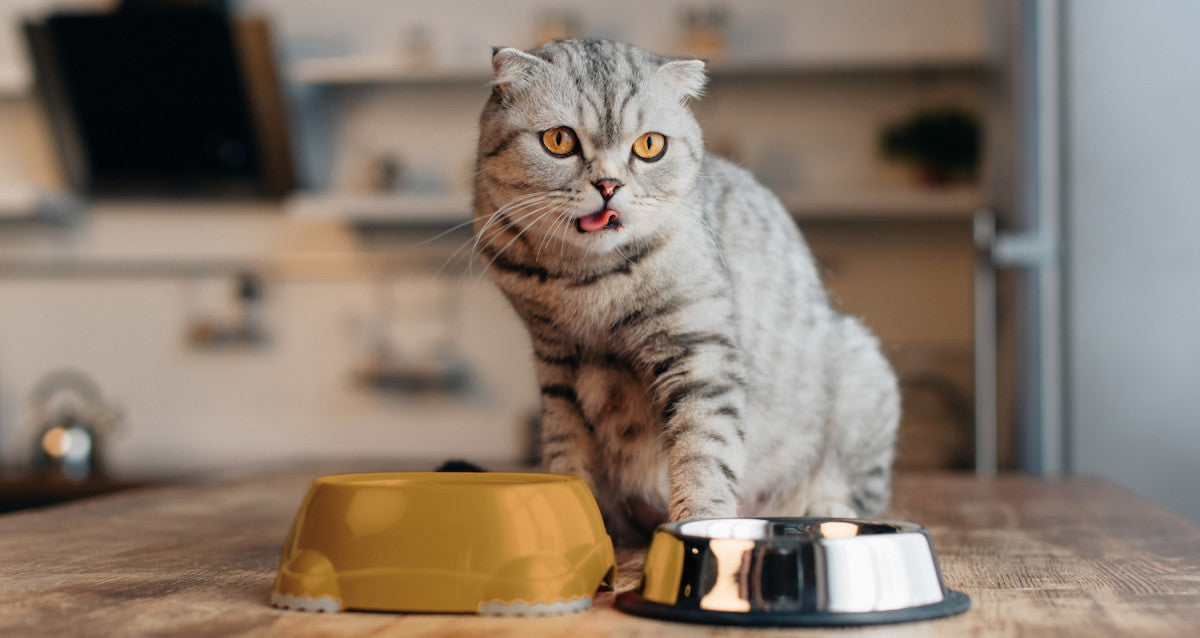
Why does my cat refuse new food?
Cats can refuse new food for many reasons. The most common cause is neophobia, which means fear or dislike of something unfamiliar. A cat may know its usual food by smell, shape, taste, and texture. A new food changes all four at once.
Cats also have strong food habits. If your cat has eaten the same meal for years, the old food may feel safe. A new brand can seem as strange as a new house. This is especially true for older cats, shy cats, and cats that had a bad experience with food before.
Other common reasons include:
• The new food smells different or less appealing.
• The kibble is too large, hard, or oddly shaped.
• The wet food has a new texture or temperature.
• The diet was changed too quickly.
• Your cat feels stressed by travel, guests, noise, or another pet.
• Your cat has dental pain, nausea, or another health problem.
• The food bowl is dirty, deep, noisy, or placed in a busy area.
When asking why does my cat refuse new food, look at the full picture. A food refusal is not always a simple case of being picky.
Common reasons cats reject a new diet
Cats rely heavily on smell
Smell is a major part of appetite for cats. A cat may reject food if it has a weak aroma, a strong fish smell, or a scent that differs from its usual meal.
Cats may also avoid food that is too cold. Refrigerated wet food has less aroma than food served at room temperature. Warming it slightly can make it smell more inviting, but never serve food that is hot.
Texture matters
Some cats prefer pâté. Others like chunks in gravy, shredded meat, or crunchy kibble. Even two foods with the same main protein can feel very different in the mouth.
A cat that eats dry food may reject a soft pâté. A cat that enjoys gravy may ignore dry pellets. Texture preference can be a stronger factor than flavor.
Sudden changes can cause stress
A sudden diet change may upset the stomach. It can also make your cat cautious. Diarrhea, gas, or vomiting after a food switch may teach your cat to avoid that food in the future.
This is one reason why does my cat refuse new food may have a simple answer: the change happened too fast.
Your cat may feel unwell
Dental disease, mouth sores, nausea, kidney disease, thyroid disease, and pain can reduce appetite. A cat may approach the bowl, sniff it, and walk away because eating feels uncomfortable.
A cat that refuses both new and familiar food needs more attention. Do not assume that all food refusal is behavioral.
The feeding area may feel unsafe
Cats prefer quiet, clean feeding spaces. A bowl near a washing machine, loud television, litter box, or busy doorway may make meals stressful.
Some cats also dislike sharing food with other pets. Give each cat enough space to eat without being watched or pushed away.
How to introduce new cat food safely
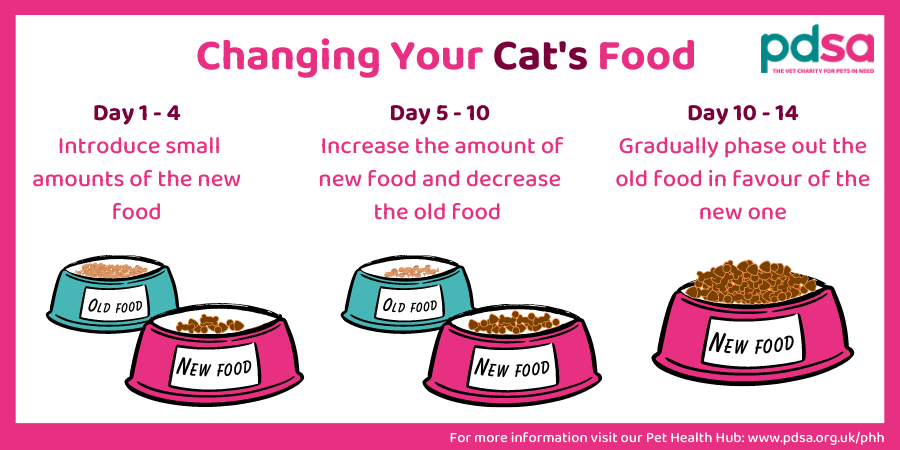
A slow change gives your cat time to accept the new smell and texture. It also lowers the chance of stomach upset.
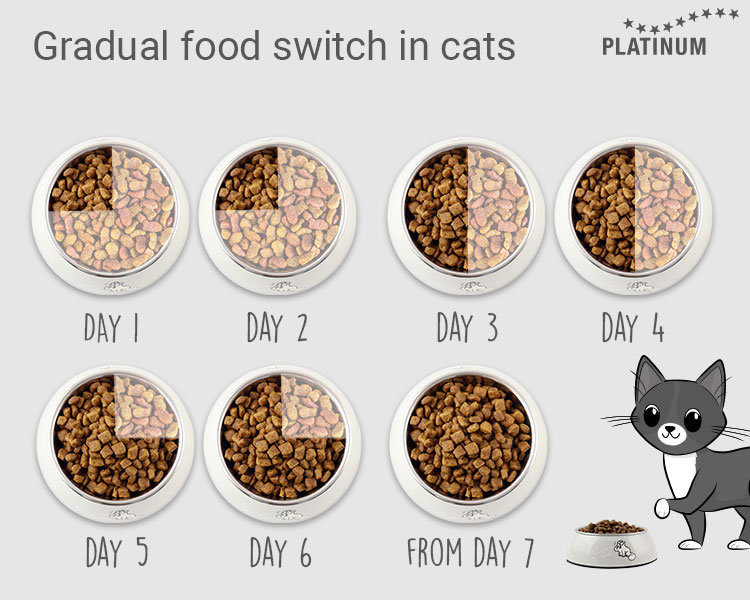
Try this seven to ten day plan:
-
Days 1 and 2: Offer about 90% old food and 10% new food.
-
Days 3 and 4: Offer about 75% old food and 25% new food.
-
Days 5 and 6: Offer about 50% old food and 50% new food.
-
Days 7 and 8: Offer about 25% old food and 75% new food.
-
Days 9 and 10: Offer only the new food if your cat is eating well.
Some cats need two to three weeks. Move more slowly if your cat is anxious or has a sensitive stomach.
If your cat refuses the mixture, step back to the last ratio your cat accepted. Stay there for a few more days before trying again.
Helpful transition tips
• Serve the food in a clean bowl.
• Use a wide, shallow dish if your cat dislikes touching the bowl.
• Place the food in a quiet area.
• Warm wet food slightly to release its aroma.
• Add a small amount of warm water to dry food if your veterinarian approves.
• Keep meal times calm and predictable.
• Avoid changing the food, bowl, and feeding location at the same time.
• Do not force food into your cat’s mouth.
A common mistake is offering many different foods in one day. This can teach a cat to wait for a favorite option. It can also make it hard to know which food caused vomiting or diarrhea.
What to do if your cat refuses the new food
First, check whether your cat refuses only the new food or refuses all food. This small detail can help you decide what to do next.
If your cat eats the old food normally, continue offering the old diet while you plan a slower transition. You can place a tiny amount of the new food beside the old food. Some cats accept a new food more easily when they can inspect it without pressure.
If your cat refuses all food, watch closely for other signs. Contact your veterinarian promptly if you notice vomiting, diarrhea, weakness, drooling, trouble chewing, hiding, breathing changes, or weight loss.
Never starve a cat to make it accept a new diet. Cats can develop hepatic lipidosis, also called fatty liver disease, when they eat too little for too long. Overweight cats may be at higher risk, but any cat can become seriously ill after a prolonged loss of appetite.
Use positive, low-pressure methods
Place the food down and give your cat privacy. Remove it after a reasonable meal period, then offer the next meal at the normal time. Avoid hovering, pleading, or repeatedly moving the bowl toward your cat.
You may use a small amount of a favorite topper, such as plain cooked chicken, only if your veterinarian says it is safe. Toppers should not replace a complete and balanced diet. Too many treats may also reduce hunger for the main meal.
Track what happens
A simple food diary can reveal patterns. Record:
• The food and amount offered.
• How much your cat eats.
• Vomiting or stool changes.
• Water intake.
• Energy and behavior.
• Any medicine or household change.
This record gives your veterinarian useful information. It also helps you see whether your cat is slowly improving.
When food refusal may be a medical emergency
A cat that does not eat can become ill quickly. The risk is higher if the cat is overweight, very young, elderly, or already has a health condition.
Call a veterinarian urgently if your cat:
• Has eaten little or nothing for about 24 hours.
• Is vomiting repeatedly.
• Has severe diarrhea or blood in the stool.
• Seems weak, confused, or unable to stand.
• Has yellow gums, eyes, or ears.
• Drools or paws at the mouth.
• Cannot chew or swallow.
• Has trouble breathing.
• Shows signs of severe pain.
Kittens may need care sooner because they have fewer energy reserves. Senior cats may also need early evaluation because appetite loss can signal kidney disease, dental pain, cancer, or other problems.
A veterinarian may examine the mouth, check hydration, review weight, and recommend blood tests. Depending on the findings, treatment may include nausea control, dental care, fluids, pain relief, or a prescription diet.
Do not give human appetite stimulants, pain medicine, or stomach medicine unless a veterinarian directs you. Several common human medicines are toxic to cats.
How to choose a new food your cat may accept
A suitable cat food should be complete and balanced for your cat’s life stage. Look for a statement showing that the food meets recognized nutritional standards. Your veterinarian can help you choose a diet for allergies, kidney disease, urinary problems, diabetes, or weight control.
Consider your cat’s current preference:
• If your cat likes gravy, try a food with a similar moisture and texture.
• If your cat likes crunchy kibble, begin with a similar size and shape.
• If your cat prefers poultry, a poultry-based recipe may be easier than a fish-based recipe.
• If your cat has dental pain, ask your veterinarian about a softer diet.
• If your cat needs a prescription food, ask for a gradual transition plan.
Do not judge a food only by its ingredient list. Nutrition depends on the full recipe, nutrient balance, manufacturing controls, and your cat’s medical needs. Ingredient lists can be useful, but they do not tell the whole story.
Food allergies are possible, but they are less common than many owners believe. A true elimination diet should be planned with a veterinarian. Randomly changing proteins can make diagnosis harder.
Mistakes to avoid during a food change
Understanding why does my cat refuse new food also means understanding what can make refusal worse.
Changing food overnight
An instant switch can cause stomach upset and distrust. Use a gradual plan unless your veterinarian gives different instructions.
Offering too many replacements
If your cat refuses dinner and receives several treats or table scraps, your cat may learn that refusal brings better options. Keep treats small and limited.
Pressuring your cat to eat
Force-feeding can create fear and food aversion. It may also cause aspiration if food enters the airway. If your cat needs assisted feeding, ask a veterinary professional to show you how.
Ignoring dental signs
Bad breath, drooling, dropping food, chewing on one side, and rubbing the face can point to oral pain. Cats often hide dental problems until eating becomes difficult.
Focusing only on taste
A food refusal may have nothing to do with flavor. Pain, nausea, stress, or a dirty bowl can produce the same response.
Changing food during a stressful event
Moving homes, adding a pet, remodeling, or traveling can reduce appetite. If possible, make one change at a time and keep the feeding routine stable.
A practical plan for the next meal
If you are still asking why does my cat refuse new food, use this simple plan:
-
Check whether your cat is eating the old food.
-
Look for signs of pain, nausea, stress, or illness.
-
Offer the old food if your cat is otherwise well and the new diet is not medically urgent.
-
Restart the transition with a very small amount of new food.
-
Keep the bowl clean and place it in a quiet spot.
-
Avoid force, punishment, and a buffet of replacement foods.
-
Track intake and symptoms.
-
Contact your veterinarian if appetite stays low or symptoms appear.
This plan works because it treats food acceptance as a process, not a battle. Your cat needs time to decide that the new food is safe.

Frequently Asked Questions
Why does my cat refuse new food but eat treats?
Treats often have a stronger smell and richer taste than regular food. This does not always mean your cat is healthy, so watch total food intake and contact your veterinarian if meals are skipped.
How long can a cat go without eating?
A cat should not go without food for long. If your cat eats little or nothing for about 24 hours, contact a veterinarian, and seek help sooner for kittens, senior cats, overweight cats, or cats with illness.
Should I mix old and new cat food?
Yes, mixing can make the change easier for many cats. Start with a small amount of new food and increase it slowly over seven to ten days or longer.
Can stress make a cat stop eating?
Yes. Noise, travel, new pets, conflict with another cat, and changes at home can reduce appetite. Give your cat a quiet feeding area, keep routines steady, and seek veterinary advice if eating does not return.
Why does my cat refuse new food after eating it once?
Your cat may dislike the food’s smell, texture, temperature, or after-effects. Vomiting or stomach discomfort can create a lasting food aversion, so return to a tolerated diet and ask your veterinarian for guidance.
Should I warm my cat’s wet food?
Slightly warming wet food may increase its smell and appeal. Use gentle warmth, stir it well, and check the temperature before serving to prevent burns.
Is a picky cat always healthy?
No. Pickiness can be normal, but a new or sudden appetite change may signal dental pain, nausea, disease, or stress. A veterinary check is wise when the change persists or comes with other symptoms.
Conclusion
Why does my cat refuse new food? Usually, the cause is a sudden change, an unfamiliar smell or texture, stress, or a medical issue. A slow transition, a calm feeding space, and careful observation can help many cats accept a new diet.
Still, appetite loss deserves respect. Do not force food or wait too long when your cat eats little, loses weight, vomits, or seems unwell. Start with small steps, keep a simple food record, and contact your veterinarian when in doubt. If this guide helped, share your experience or explore more trusted cat-care resources for your pet’s specific needs.