Why Does My Adult Cat Prefer Kitten Food: What To Know
Your adult cat may prefer kitten food because it smells stronger, tastes richer, and contains more fat and calories.
If you are wondering why does my adult cat prefer kitten food, the answer is often simple: kitten recipes are made to attract growing cats with extra energy and highly palatable ingredients. Still, a sudden food change can point to stress, dental pain, illness, or a nutrition problem, so it is worth looking at the full picture.
Why Does My Adult Cat Prefer Kitten Food?
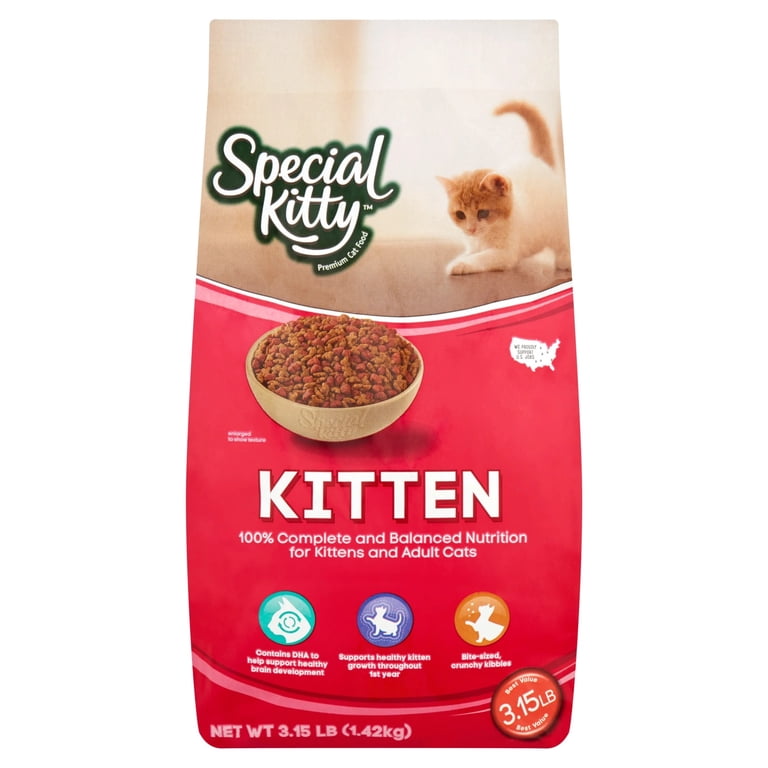
Kitten food is usually richer than adult cat food. It often contains more calories, protein, fat, and key nutrients that support fast growth. These traits can make it smell and taste more appealing to an adult cat.
Cats are guided by smell more than taste. A strong aroma can act like a dinner bell. Wet kitten food may also have a softer texture, which helps cats with sore teeth or gums eat with less effort.
Here are the most common reasons why does my adult cat prefer kitten food:
• It has a stronger smell and richer taste.
• It contains more fat and calories.
• It may be softer and easier to chew.
• Your cat may have learned that kitten food is a special treat.
• The adult food may have changed in flavor, texture, or recipe.
• Your cat may need more calories because of age, illness, stress, or high activity.
A preference does not always mean that kitten food is better. It often means that kitten food is more rewarding to your cat’s senses.

Kitten Food Is More Calorie-Dense
Kittens grow at a rapid pace. Their food must support muscle, bone, brain, and immune system development. For this reason, kitten recipes are usually more energy-dense than maintenance diets for adult cats.
A small serving may provide many calories. It may also contain higher levels of certain nutrients, such as protein and fat. This rich profile can make kitten food more tempting to an adult cat.
Think of kitten food as a concentrated fuel source. It is useful for a growing body, but an adult cat may gain too much weight if it eats large amounts each day.
This is one of the main answers to why does my adult cat prefer kitten food. The food may simply offer a stronger reward after each bite.
However, “more” does not mean “healthier” for every cat. Adult cats need a balanced diet designed for their life stage. A complete and balanced adult formula helps maintain a healthy weight and supports normal body function.
Check the label for a nutritional adequacy statement. In the United States, reputable cat foods should state whether they are made for growth, maintenance, or all life stages.

The Smell and Texture May Be More Appealing
Cats have a strong sense of smell. They may reject food that seems dull, stale, or unfamiliar, even when the food is nutritionally sound.
Kitten food often has a rich scent because of its fat content and animal-based ingredients. Wet kitten food may also have a smooth pâté or soft texture. These features can attract older cats, picky eaters, and cats with dental problems.
A cat with mouth pain may avoid hard kibble but accept soft food. Signs of oral pain can include:
• Dropping food while chewing
• Chewing on one side
• Pawing at the mouth
• Bad breath
• Drooling
• Red or bleeding gums
• Weight loss
This matters when considering why does my adult cat prefer kitten food. A food preference may be a comfort choice, not a gourmet choice.
Do not assume that a cat with dental pain will stop eating completely. Many cats hide pain well. A veterinary dental exam is wise if your cat’s eating habits change without a clear reason.

Your Cat May Have a Learned Food Preference
Cats can form strong food habits. If your kitten receives a special meal in another room, your adult cat may see it as a prize. The smell, attention, and different texture can make that meal seem exciting.
Cats also notice contrast. If one bowl contains plain adult kibble and another contains rich kitten food, many cats will choose the richer option. This does not mean they understand which food meets their nutritional needs.
I often use a simple example when explaining this to cat owners. It is similar to a child choosing a creamy dessert over a plain but balanced meal. The choice is clear, but it is not proof that the dessert should become the daily diet.
Your cat may prefer kitten food because:
• It is offered less often.
• It is linked with positive attention.
• It has a new smell.
• Another cat seems to enjoy it.
• Your cat can steal it before anyone stops them.
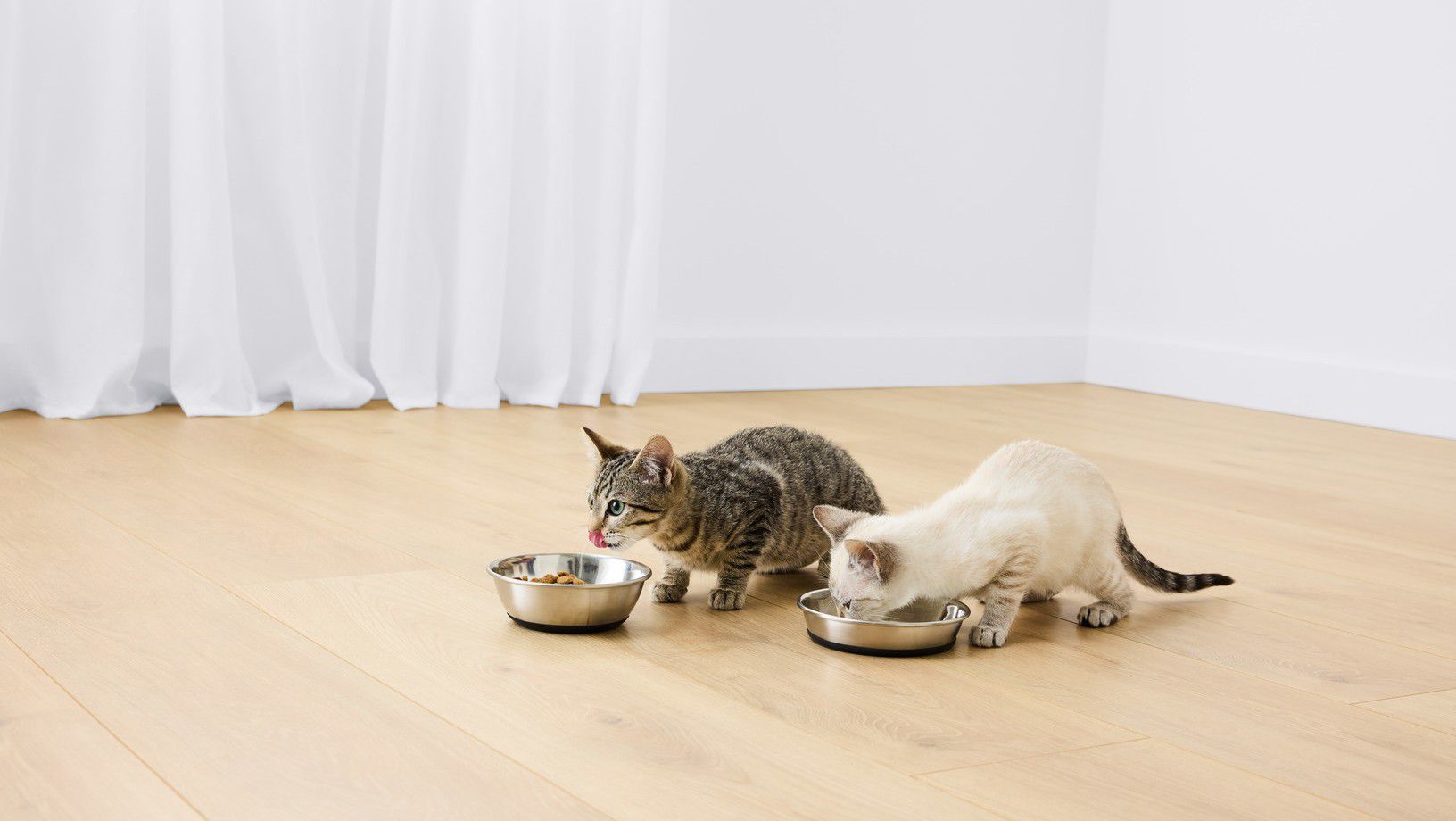
Keep kitten meals separate when possible. Feed cats in different rooms, use timed meals, or pick up bowls after feeding. This reduces competition and helps you track how much each cat eats.
Could a Health Problem Cause This Preference?
Sometimes the answer to why does my adult cat prefer kitten food involves an underlying health issue. A cat may seek richer food because it needs more calories or because another food is harder to eat.
Possible medical causes include:
• Dental disease
• Hyperthyroidism
• Diabetes
• Intestinal disease
• Parasites
• Kidney disease
• Cancer
• Poor absorption of nutrients
• Recovery from surgery or illness
Hyperthyroidism, for example, can cause weight loss despite a strong appetite. Diabetes may also cause increased hunger, thirst, and urination. These conditions need professional care and cannot be diagnosed by food preference alone.
Contact your veterinarian if your adult cat has any of these signs:
• Sudden appetite changes
• Weight loss or rapid weight gain
• Vomiting or diarrhea
• Increased thirst
• More frequent urination
• Low energy
• Trouble chewing
• A sudden refusal of normal food
• Hiding or unusual behavior
A preference by itself is often harmless. A preference combined with other changes deserves attention.

Is Kitten Food Safe for Adult Cats?
Kitten food is usually safe for a healthy adult cat in small amounts. A few bites or an occasional meal will not normally cause harm.
The concern is long-term feeding. Kitten food may provide more calories than an adult cat needs. Regular overfeeding can lead to weight gain, and excess weight raises the risk of diabetes, joint stress, and other health problems.
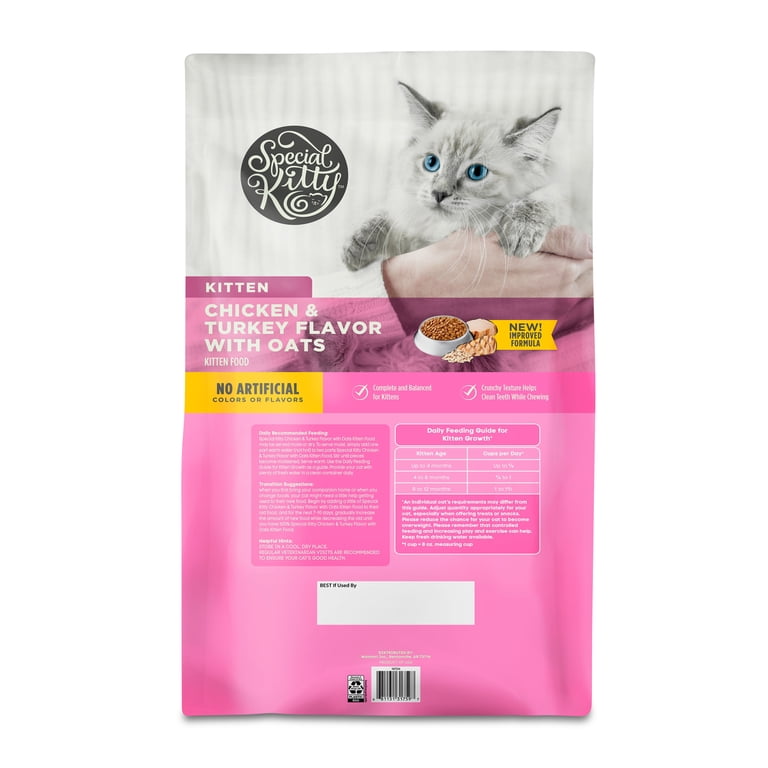
Some kitten diets are labeled for growth. Others are labeled for all life stages. An all-life-stages food may be suitable for adults, but the calorie level still matters.
Ask your veterinarian before feeding kitten food long term if your cat has:
• Obesity
• Diabetes
• Kidney disease
• Pancreatitis
• Liver disease
• Food allergies
• A history of digestive problems
The right choice depends on the whole cat, not just the ingredient list. Age, body condition, activity, health, and portion size all matter.
How to Stop an Adult Cat From Eating Kitten Food
You do not need to remove kitten food in one sudden step. A calm plan works better, especially if your cat is already selective.
Try these steps:
-
Feed the kitten and adult cat in separate areas.
-
Give each cat a measured portion.
-
Pick up leftover food after 20 to 30 minutes.
-
Offer the adult food at a set schedule.
-
Warm wet food slightly to improve its aroma.
-
Add a small amount of warm water to dry food if your veterinarian agrees.
-
Mix a little kitten food into adult food, then reduce it slowly.
-
Track your cat’s weight every few weeks.
A gradual change can reduce stomach upset. Start with about 75% of the old food and 25% of the new food. Over several days, increase the new food while reducing the old food.
If your cat refuses the adult food, do not let it go without eating for a long period. Cats can develop a serious liver condition called hepatic lipidosis when they eat too little, especially if they are overweight. Call your veterinarian if your cat refuses food or eats far less than usual.

How to Make Adult Cat Food More Appealing
If your cat prefers kitten food, you can often improve the adult diet without changing the life-stage formula.
Try these practical ideas:
• Serve wet food at room temperature.
• Warm it slightly, but never make it hot.
• Use a clean, wide bowl to avoid whisker contact.
• Keep food away from litter boxes and noisy appliances.
• Offer small meals more often.
• Store dry food in an airtight container.
• Replace stale food.
• Ask your veterinarian about a different adult flavor or texture.
Some cats prefer pâté. Others like chunks in gravy or shredded meat. Texture can matter as much as flavor.
Avoid adding milk, table scraps, or oily foods. These can cause stomach upset and may unbalance the diet. Treats should also remain a small part of daily calories.
In many cases, the solution to why does my adult cat prefer kitten food is not a stronger flavor. It is a cleaner bowl, a better texture, or a quieter feeding space.

Choosing the Right Adult Cat Food
Look for a food labeled complete and balanced for adult maintenance. This statement means the food is designed to meet recognized nutrient standards for that life stage.
Consider these factors:
• Your cat’s age and activity level
• Ideal body weight
• Wet, dry, or mixed feeding
• Dental health
• Known medical conditions
• Protein and calorie needs
• Your veterinarian’s advice
The ingredient list can provide useful information, but it does not tell the whole story. Nutrient balance, calorie content, quality control, and feeding instructions also matter.
A healthy adult cat should have a visible waist when viewed from above. You should be able to feel the ribs under a thin layer of fat, but the ribs should not be sharply visible. Your veterinarian can score your cat’s body condition and suggest a daily calorie range.
Do not switch diets based only on online claims. Cats have different needs, and a food that works well for one cat may not suit another.
Common Mistakes to Avoid
Many feeding problems begin with good intentions. Owners may offer kitten food because their cat seems happier eating it. That is understandable, but a few habits can create bigger issues.
Avoid these mistakes:
• Letting your adult cat eat unlimited kitten food
• Changing food suddenly
• Ignoring weight loss or weight gain
• Assuming picky eating is always behavioral
• Using treats to replace balanced meals
• Feeding several cats from one unmeasured bowl
• Pressuring a cat to eat while it feels stressed
Another common mistake is focusing only on protein. Cats do need animal-based nutrients, but the full diet must also provide the right vitamins, minerals, fats, and calories.
The safest approach is steady and observant. Measure meals, watch body condition, and speak with a veterinarian when behavior changes.
Frequently Asked Questions
Why does my adult cat prefer kitten food over adult food?
Kitten food often smells stronger and contains more fat and calories. Your cat may also prefer its soft texture or may have learned that it is a special treat.
Can an adult cat eat kitten food every day?
A healthy adult cat may tolerate kitten food, but daily feeding can cause excess calorie intake and weight gain. Ask your veterinarian before using it as a long-term diet.
Why does my older cat prefer kitten food?
Older cats may prefer kitten food because it is soft, aromatic, and easy to chew. Dental disease, thyroid disease, or other health problems can also change appetite, so a sudden preference deserves a checkup.
How can I keep my adult cat away from kitten food?
Feed the cats in separate rooms and remove leftover food after meals. Measured portions and scheduled feeding can prevent stealing and make calorie intake easier to control.
Should I mix kitten food with adult cat food?
You can mix a small amount during a gradual food transition if your veterinarian approves. Reduce the kitten food over several days while increasing a complete adult maintenance diet.
When should I call a veterinarian?
Call your veterinarian if your cat loses weight, vomits, has diarrhea, drinks more, urinates more, struggles to chew, or stops eating. A food preference with other symptoms may signal a medical problem.
Conclusion
Why does my adult cat prefer kitten food? In many cases, it is because kitten food has a stronger smell, richer flavor, softer texture, and more calories. Small amounts are usually safe, but regular feeding may lead to excess weight or an unbalanced diet for an adult cat.
Watch your cat’s weight, appetite, teeth, and daily behavior. Offer a complete adult diet, control portions, and make changes slowly. If the preference is sudden or comes with other symptoms, arrange a veterinary exam. Share your cat’s feeding story in the comments, and explore more trusted cat nutrition guidance to support a long, healthy life.