
Why Do Cats Need Indoor Cat Food: Best Nutrition Guide
Indoor cats need tailored nutrition because they usually burn fewer calories and face different health risks.
Why do cats need indoor cat food? The answer goes beyond marketing. Indoor cats often move less, groom more, and live with routines that differ from outdoor cats. This guide explains how indoor cat food supports healthy weight, digestion, hydration, and daily comfort, while also showing when a regular or veterinary diet may be a better choice.
What Is Indoor Cat Food?
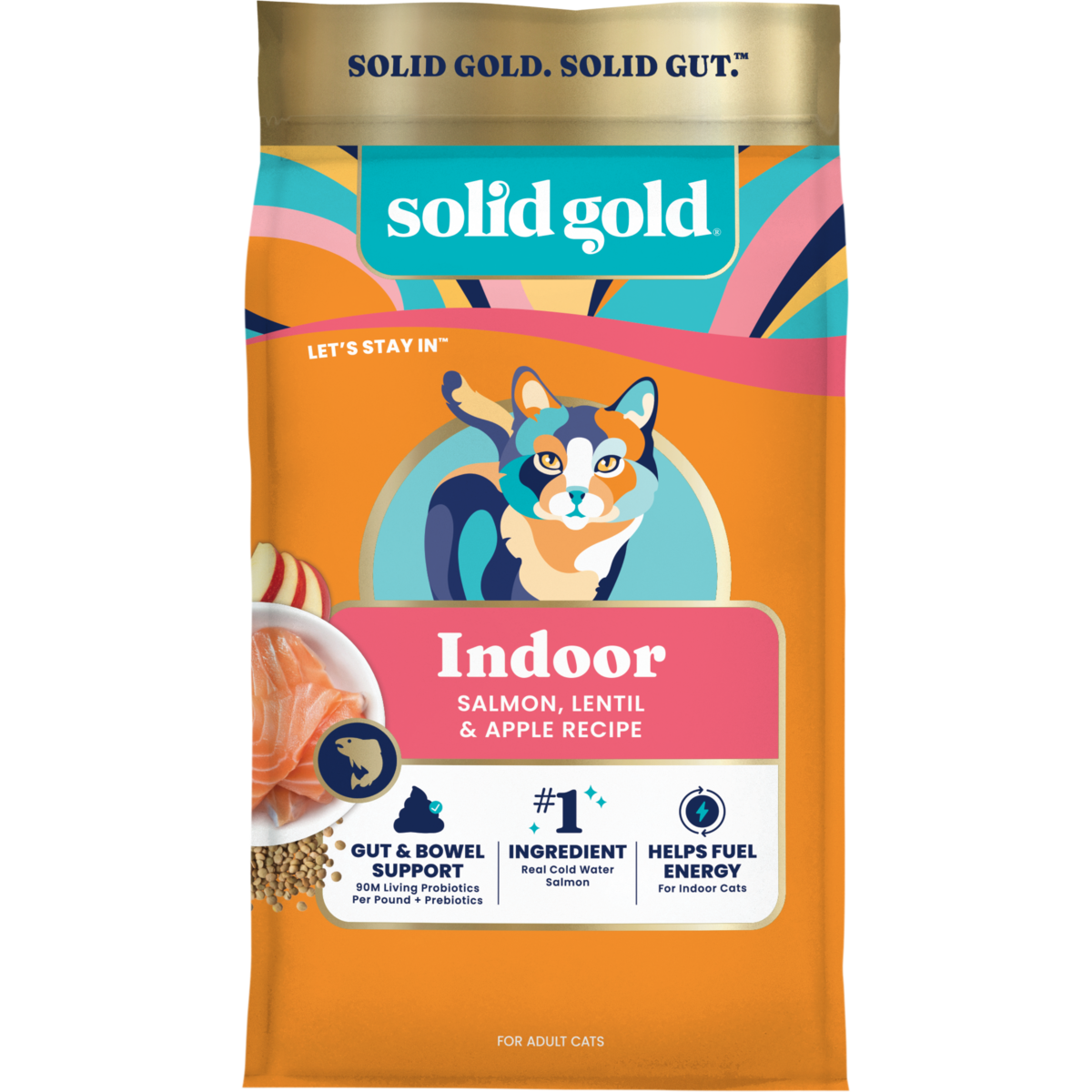
Indoor cat food is made for cats that spend most or all of their time inside. It often contains fewer calories, controlled fat, extra fiber, and nutrients that support digestion and weight control.
Still, “indoor” is not a strict medical diet label. A cat food can use the word on its package, but the recipe must still meet complete and balanced nutrition standards set for cats. Always check the nutritional adequacy statement on the label.
Why do cats need indoor cat food if all cats are the same species? Their lifestyles are not the same. A calm apartment cat may burn far fewer calories than a cat that hunts, climbs, or roams outdoors.
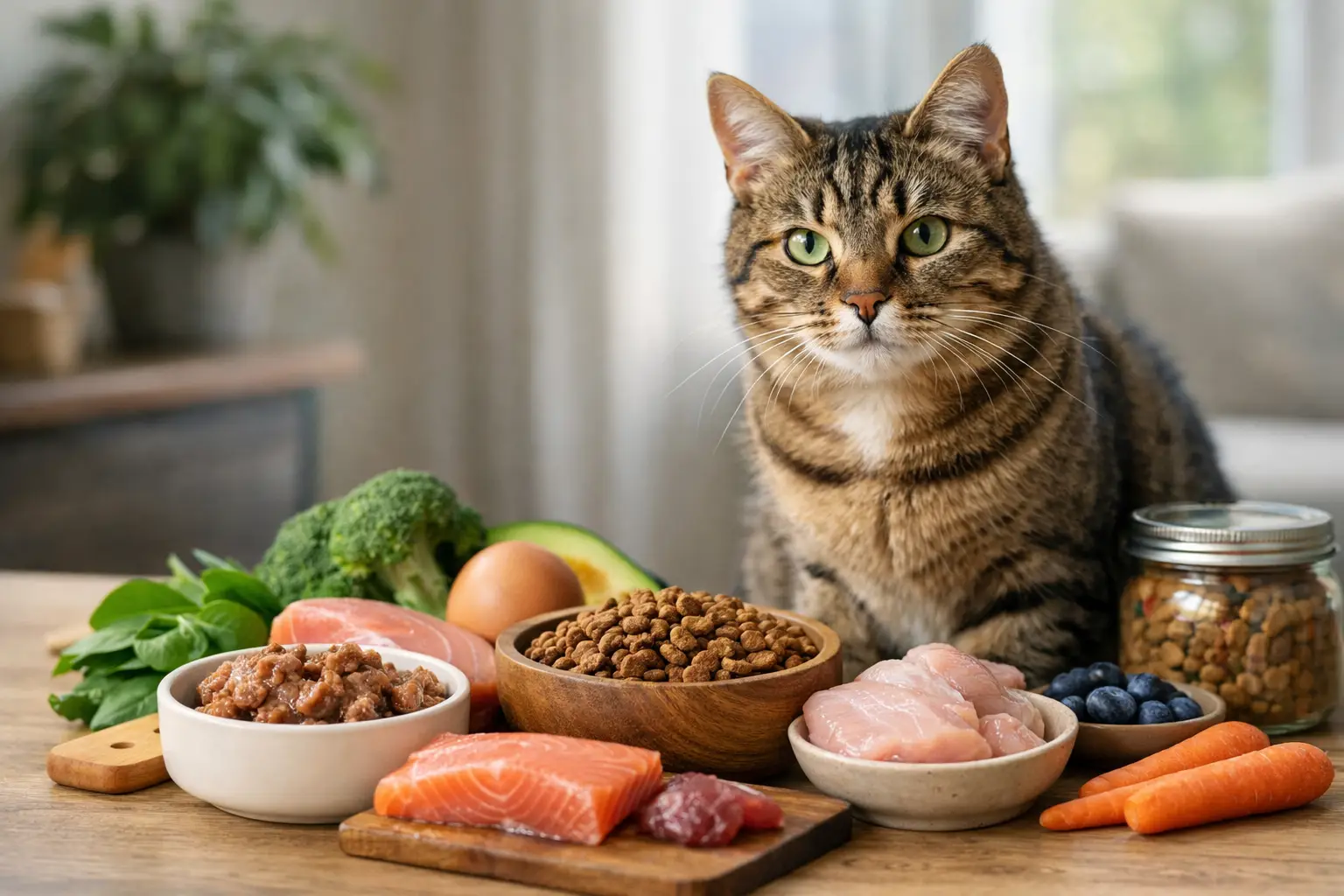
Why Do Cats Need Indoor Cat Food?
Indoor cats often burn fewer calories
Outdoor cats may walk, climb, chase, and explore for hours. Indoor cats may spend much of the day sleeping on a couch or watching birds from a window. This lower activity level can make weight gain easier.
Indoor cat food may help by offering fewer calories per serving. It can also support portion control when paired with daily play and a steady feeding schedule.
Extra weight is not just a cosmetic concern. It may raise the risk of diabetes, joint strain, breathing problems, and poor mobility. Even a small increase in body fat can affect a cat’s comfort.
Indoor cat food may support healthy weight
Many indoor formulas include moderate fat and carefully measured calories. Some also provide higher protein to help maintain lean muscle while limiting unnecessary energy.
Protein matters because cats are obligate carnivores. Their bodies need nutrients found in animal tissues, including taurine and certain amino acids. A lower-calorie food should not mean a low-quality food.
A healthy indoor cat should have a visible waist when viewed from above. You should also be able to feel the ribs under a thin layer of fat without pressing hard.
Indoor cats may need help with hairballs
Cats groom themselves by licking their coats. They swallow loose hair during this process. Much of it passes through the digestive tract, but some hair can collect in the stomach and form a hairball.
Some indoor cat foods contain added fiber. Fiber may help move swallowed hair through the gut. However, fiber does not guarantee that a cat will never develop hairballs.
Regular brushing is often just as helpful. It removes loose fur before your cat can swallow it. Long-haired cats may need brushing every day, while short-haired cats may need it several times each week.
Indoor cat food can support digestion
A cat that spends most of its time indoors may have a slower routine, fewer natural activities, or a tendency to eat from boredom. These factors can affect bowel habits.
Indoor formulas may include a blend of soluble and insoluble fiber. Some contain prebiotics, which help support healthy gut bacteria. These ingredients may improve stool quality for some cats.
Every cat responds differently. A food that helps one cat may cause gas or loose stool in another. Change food slowly over seven to ten days to reduce stomach upset.
Indoor cats may benefit from dental support
Dry indoor cat food may help reduce some plaque by encouraging chewing, but ordinary kibble does not clean a cat’s teeth like a toothbrush. Many cats swallow kibble with little chewing.
Dental diets with tested textures may offer more support. Daily tooth brushing with cat-safe toothpaste remains one of the strongest home care options. Never use human toothpaste because some ingredients can harm cats.
Dental disease is common in adult cats. Schedule veterinary dental checks as part of routine care, especially if your cat has bad breath, red gums, drooling, or trouble eating.

Indoor Cat Food Compared With Regular Cat Food
The main difference is usually the balance of calories, protein, fat, and fiber. Regular maintenance food may suit many healthy adult cats, while indoor formulas often target lower activity levels.
Here is a simple comparison:
| Feature | Indoor cat food | Standard adult cat food |
|---|---|---|
| Calorie level | Often moderate or lower | May vary from moderate to high |
| Fiber | Often slightly higher | Varies by recipe |
| Weight focus | Commonly supports weight control | General adult maintenance |
| Hairball support | More likely to include added fiber | May or may not include it |
| Best fit | Less active indoor cats | Cats with varied activity levels |
This comparison is general. Recipes differ widely between brands. One standard food may contain fewer calories than an indoor formula, so read the calorie statement instead of relying only on package wording.
Why do cats need indoor cat food rather than ordinary food? Some do not. A healthy, active indoor cat may do well on a standard complete and balanced diet if the portions fit its needs.

How to Choose the Best Indoor Cat Food
Check the life stage
Choose food made for your cat’s current life stage. Kittens need food for growth. Adults need maintenance food. Senior cats may need a recipe that supports changing energy needs, but age alone does not require a special diet.
Pregnant or nursing cats need different nutrition. They often require more energy and nutrients than a typical indoor adult cat.
Look for complete and balanced nutrition
The label should state that the food is complete and balanced for the correct life stage. This means it is designed to provide the required nutrients when fed as directed.
Avoid relying on ingredient lists alone. Ingredients matter, but the nutrition profile matters more. A food with an attractive ingredient list may still be poorly suited to your cat’s health needs.
Review calories per serving
Calories are often listed as kilocalories per cup, can, pouch, or kilogram. Compare the amount your cat actually eats, not just the serving size suggested on the package.
Treats count too. Ideally, treats should make up no more than about 10% of daily calories unless your veterinarian gives different advice.
Prioritize animal-based protein
Cats need a diet rich in essential nutrients from animal sources. Look for a food that provides adequate animal-based protein and includes taurine.
Do not assume that grain-free means healthier. Grains are not automatically harmful to cats, and grain-free foods are not automatically better. The best choice depends on the full recipe and your cat’s needs.
Consider wet food
Wet indoor cat food has a high water content. This can help increase fluid intake, which may support urinary health in some cats.
Many cats do not drink enough from a bowl. Wet food can be useful for cats with a history of urinary concerns, but it should not replace veterinary care. Cats with urinary blockage symptoms need immediate attention.

How Much Indoor Cat Food Should You Feed?
The correct amount depends on body weight, age, activity, body condition, health, and whether your cat eats wet food, dry food, or both.
Start with the feeding guide on the package, then adjust based on your cat’s body condition. These guides are starting points, not exact prescriptions.
Use these practical steps:
- Measure dry food with a proper measuring cup or kitchen scale.
- Divide food into two or more meals if your cat begs or eats too fast.
- Count treats, toppers, and table scraps as part of daily calories.
- Weigh your cat every two to four weeks.
- Ask your veterinarian to assess body condition during routine visits.
Puzzle feeders can make meals more active. They turn food into a small “hunt,” like hiding a few treasures around the house. This may reduce boredom and encourage movement.
Free feeding can work for some cats, but it often causes overeating. If your cat gains weight, scheduled meals may offer better control.
Indoor Cat Food and Common Health Concerns
Weight gain
Weight gain is one of the clearest reasons to consider indoor cat food. However, a reduced-calorie diet will not solve the problem if your cat receives too many treats or has no activity.
Play for 10 to 15 minutes once or twice each day. Wand toys, climbing trees, food puzzles, and short chase games can help. Start slowly if your cat is very inactive.
Never place a cat on a crash diet. Sudden food restriction can lead to a serious liver condition called hepatic lipidosis, especially in overweight cats.
Urinary health
Indoor cats may spend more time resting and may drink less than they need. Low water intake can contribute to concentrated urine, although urinary disease has many causes.
Wet food, several clean water bowls, and a fountain may encourage drinking. Keep litter boxes clean and place them in quiet, easy-to-reach areas.
Straining to urinate, crying in the litter box, licking the genital area, or producing little urine can signal an emergency. Male cats have a higher risk of life-threatening urinary blockage, so seek veterinary care at once.
Constipation
Low activity, dehydration, obesity, and some medical conditions may contribute to constipation. Indoor cat food with suitable fiber may help some cats, but it is not a cure for every cause.
Contact a veterinarian if your cat has repeated straining, vomiting, poor appetite, a swollen belly, or no bowel movement for an unusual length of time.
Diabetes
Overweight cats have a higher risk of diabetes. Weight control, regular activity, and proper portions may lower risk, but they cannot guarantee prevention.
A cat that drinks much more, urinates more, loses weight, or seems unusually hungry needs a veterinary exam. Do not attempt to manage suspected diabetes by changing food alone.

Mistakes to Avoid With Indoor Cat Food
One common mistake is assuming that every indoor formula is automatically low calorie. Some products are still energy-dense, especially if a cat eats large portions.
Other mistakes include:
• Switching foods overnight
• Ignoring treats and table food
• Free feeding an overweight cat
• Choosing food by marketing claims alone
• Giving supplements without veterinary advice
• Treating vomiting or urinary problems at home
• Changing food too often
• Failing to provide fresh water
Another lesson is that “indoor” does not mean “inactive.” Some indoor cats race through the house, climb furniture, and play often. Their food needs may be higher than those of a quiet senior cat.
A simple routine works well: measure meals, watch body shape, provide play, and review the plan when your cat’s weight or health changes.

Is Indoor Cat Food Always Necessary?
No. Indoor cat food is not required for every indoor cat. It is a useful option for cats that are less active, gain weight easily, need added fiber, or benefit from a lower-calorie meal plan.
A regular complete and balanced adult cat food may be suitable if your cat stays lean and healthy. The word “indoor” does not make one food medically superior.
Cats with kidney disease, diabetes, food allergies, urinary disease, inflammatory bowel disease, or other conditions may need a veterinary therapeutic diet instead. Ask your veterinarian before changing food for a diagnosed condition.
Why do cats need indoor cat food in some homes but not others? Food should match the individual cat, not just the room where the cat lives.

A Practical Indoor Cat Feeding Plan
Try this simple plan for two weeks:
- Record your cat’s current food, treats, and meal times.
- Check the food’s calorie content and life-stage statement.
- Measure each meal instead of estimating.
- Add two short play sessions each day.
- Offer fresh water in more than one location.
- Brush your cat on a regular schedule.
- Check stool quality, appetite, energy, and body shape.
- Weigh your cat at the end of the two weeks.
If your cat is gaining weight, losing weight, vomiting, or refusing food, contact a veterinarian. A food change may help, but symptoms can point to an underlying problem.
In everyday cat care, small changes often work better than dramatic ones. A measured scoop, a clean water bowl, and a few minutes of play can make a real difference.

Frequently Asked Questions About Why Do Cats Need Indoor Cat Food
Why do cats need indoor cat food if they stay inside all day?
Indoor cats often use fewer calories because they move less than outdoor cats. Indoor cat food may provide controlled calories and extra fiber, but it is not essential for every cat.
Can outdoor cats eat indoor cat food?
Yes, an outdoor cat can eat indoor cat food if it receives enough calories and complete nutrition. However, very active outdoor cats may need more energy than an indoor formula provides.
Does indoor cat food prevent hairballs?
It may help reduce hairball problems when it contains suitable fiber, but it cannot prevent every hairball. Regular brushing and veterinary care are also important.
Is wet or dry indoor cat food better?
Both can be healthy when they are complete and balanced. Wet food provides more moisture, while dry food is convenient and easy to measure; many cats do well with a combination.
Can indoor cat food help a cat lose weight?
A lower-calorie indoor formula may support weight loss when portions are controlled. Weight loss should be gradual, and an overweight cat should not be placed on a strict diet without veterinary guidance.
How often should I change my cat’s indoor food?
Change food only when there is a clear reason, such as a health need, poor tolerance, or a better dietary plan. Make the change slowly over seven to ten days.
Do kittens need indoor cat food?
Kittens need food made for growth, not a typical adult indoor formula. Kitten diets provide the extra energy and nutrients needed for developing bones, muscles, and organs.
Conclusion
Why do cats need indoor cat food? Mainly because indoor life can mean fewer calories burned, more grooming, less natural activity, and a greater risk of weight gain or hairballs. A suitable formula may support healthy weight, digestion, hydration, and daily well-being.
Still, indoor cat food is not a one-size-fits-all answer. Check calories, choose complete and balanced nutrition, measure portions, offer water, and match the food to your cat’s age, body condition, activity, and health.
Start with one practical step today: measure your cat’s meals and schedule a short play session. For a more personal plan, discuss your cat’s diet with a veterinarian and share your experience or questions in the comments.

One Comment