Why Is There No Pork In Cat Food: Vet-Backed Reasons
Most cat food has no pork because manufacturers favor chicken, fish, and beef for supply, taste, cost, and nutrition.
If you have searched “why is there no pork in cat food,” you may have noticed that pork is far less common than chicken, turkey, beef, or fish. The reason is not that pork is automatically toxic to cats. Food makers consider ingredient supply, safety, customer demand, nutrition, allergies, processing, and labeling before choosing a recipe. This guide explains the full answer and shows when pork may be safe for your cat.

Why is there no pork in cat food?
The simple answer is that pork is not a required protein for cats. Cats need animal nutrients, such as taurine, protein, arachidonic acid, vitamin A, and certain B vitamins. They do not need one specific animal, such as chicken or pork, to get these nutrients.
When people ask why is there no pork in cat food, they often assume pork is banned. That is not true. Some commercial cat foods contain pork, pork liver, pork meal, or pork byproducts. However, pork appears less often because other meats are more familiar, easier to source, and more popular with buyers.
Pet food companies also build recipes around consistent nutrition. Chicken, turkey, and fish are widely used because their nutrient profiles are well known. These proteins also have strong consumer recognition, which makes them easier to market.
Common reasons pork is less common include:
• Chicken and fish are widely available to pet food manufacturers.
• Many cat owners already expect these proteins in cat food.
• Pork may cost more or be less convenient in some supply chains.
• Some recipes use poultry or fish byproducts that are easy to process.
• Religious or cultural concerns may reduce demand for pork-based products.
• Companies may avoid pork to keep a recipe simple for special diets.
So, the answer to why is there no pork in cat food is usually business and formulation choice, not a biological rule.
Is pork safe for cats?
Plain, fully cooked pork can be safe for most healthy cats when given in a small amount. It should be unseasoned and free from sauces, salt, onions, garlic, and excess fat. Pork should be a treat, not a replacement for a complete and balanced cat food.
Raw or undercooked pork carries more risk. Raw meat can contain harmful bacteria and parasites. While modern pork production has reduced certain parasite risks, safe handling and thorough cooking still matter.
Pork bones are also unsafe. Cooked bones can splinter and cause choking, mouth injuries, intestinal blockage, or internal damage. Fatty pork can upset the stomach and may contribute to pancreatitis in sensitive animals.
Avoid giving cats:
• Bacon, ham, sausage, and other processed pork
• Pork cooked with onion, garlic, or heavy spices
• Greasy pork fat or large fatty scraps
• Raw pork or meat left at room temperature
• Cooked pork bones
A small piece of lean pork may be fine for many cats, but it should not become a daily food. If your cat has kidney disease, pancreatitis, food allergies, or another medical condition, ask your veterinarian before offering table food.
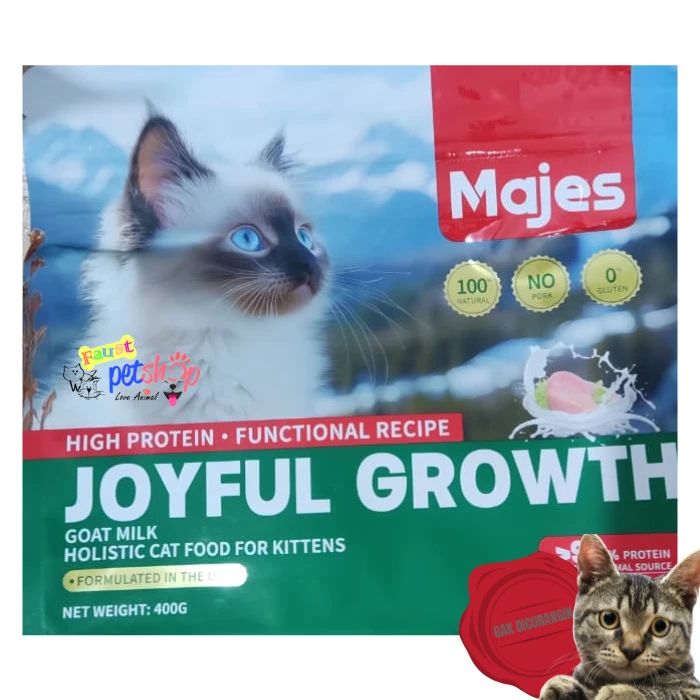
Pork is not nutritionally necessary
Cats are obligate carnivores. This means their bodies are adapted to use nutrients from animal tissues. It does not mean they must eat every type of meat.
A complete cat food must provide the right balance of protein, fat, vitamins, minerals, and amino acids. Taurine is especially important. Cats cannot make enough taurine on their own, so their regular diet must supply it.
The important point is this: cats need the right nutrients, not a specific meat label. A properly made chicken, turkey, beef, fish, or pork recipe can meet a cat’s needs if it is complete and balanced.
Look for a nutritional adequacy statement on the package. In the United States, this statement usually says the food meets established nutrient profiles or has passed feeding trials for a certain life stage. Kittens, adults, and pregnant cats have different needs.
This explains why is there no pork in cat food from a nutrition point of view. Pork can provide useful nutrients, but it offers no special benefit that cannot be supplied by other animal proteins.
Why do companies use chicken, fish, and beef instead?
Ingredient choice often starts with supply. Chicken and beef are produced in large amounts for human food, so their usable parts are commonly available for pet food. Fish ingredients are also popular because many cats enjoy their smell and taste.
Palatability is another major factor. Cats have strong food preferences. They often respond to aroma, texture, and fat levels more than to the name of the meat. Fish and poultry can create strong smells that attract picky eaters.
Marketing also matters. Shoppers commonly recognize chicken, turkey, salmon, and beef. A familiar ingredient can make a product easier to understand. Pork may be less attractive to some customers because of cultural, religious, or personal choices.
Manufacturers must also control costs and maintain the same recipe over time. If a company cannot get enough pork of consistent quality, it may choose a more reliable protein source.
This is another key reason why is there no pork in cat food. Pet food recipes are shaped by nutrition, safety, supply, consumer expectations, and manufacturing needs at the same time.

Does pork cause allergies in cats?
Pork can cause an allergic reaction, but pork is not automatically more allergenic than every other meat. A food allergy happens when the immune system reacts to a protein. Any animal protein may cause a problem in an individual cat.
Signs of a possible food allergy include:
• Persistent itching
• Repeated ear problems
• Hair loss from overgrooming
• Red or irritated skin
• Vomiting or diarrhea
• Recurrent skin infections
Food allergies are not the most common cause of itching in cats. Fleas, environmental allergies, infections, and other health problems can look similar. A veterinarian should help identify the cause instead of relying on guesswork.
A food trial may help. Under veterinary guidance, the cat eats a carefully selected novel-protein or hydrolyzed diet for a set period. Treats, flavored medicines, and table scraps can interfere with the trial.
Some owners search why is there no pork in cat food because they suspect pork is a common allergen. In reality, pork may be used in limited-ingredient diets precisely because some cats have not eaten it before. That makes it a possible novel protein for certain cats, but only a veterinarian should guide an allergy diet.
Religious and cultural reasons for avoiding pork
Some pet owners avoid pork because of religious beliefs or cultural values. Companies know that a pork ingredient can make a product unsuitable for part of the market. As a result, they may choose chicken, fish, turkey, or beef instead.
This choice does not mean pork is unsafe for cats. It reflects the needs and values of the people buying the food. Pet food labels should clearly identify animal ingredients so owners can make informed choices.
If avoiding pork matters to your household, check the complete ingredient list. Look for terms such as pork, pork liver, pork meal, animal fat, or unspecified meat ingredients. “Meat byproducts” may not clearly tell you which animal was used.
You can also contact the manufacturer. Ask whether the recipe contains pork and whether the same equipment is used for other pork-based products. This matters to some families and may also matter when managing a strict elimination diet.
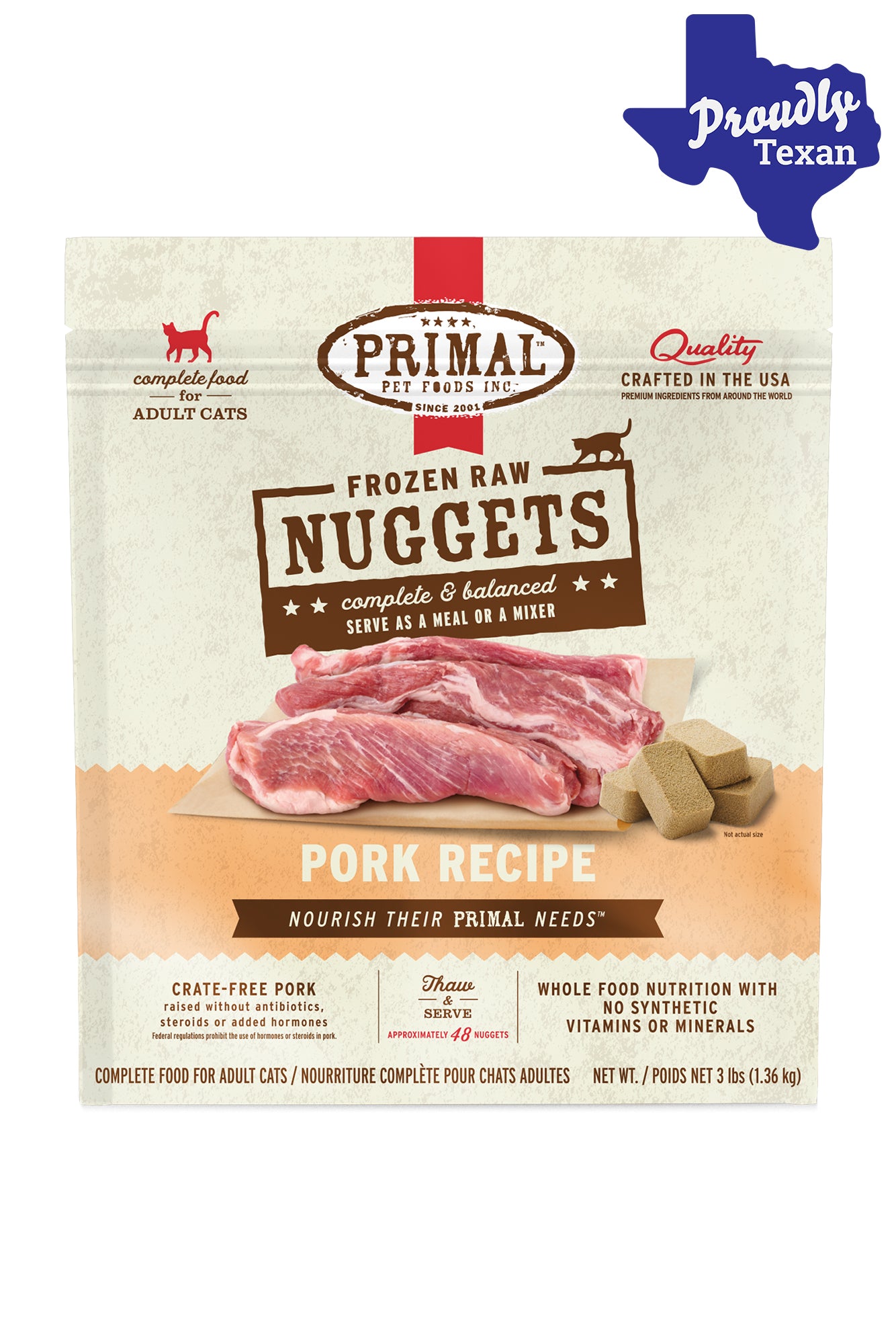
Pork byproducts may be in cat food
The idea that there is no pork in cat food can be misleading because pork may appear in less obvious forms. A recipe may list pork liver, pork meal, pork fat, or pork byproducts rather than simply saying “pork.”
Byproducts are not automatically low quality. In pet food, they can include nutrient-rich organs such as liver, heart, and kidneys. Cats naturally eat more than muscle meat when they consume prey.
The word “byproduct” often sounds negative because of how it is used in everyday language. In animal nutrition, however, many organ tissues provide valuable nutrients. The quality depends on safety controls, processing, formulation, and the overall diet.
Still, labels can be confusing. If you need to avoid pork completely, do not rely only on the front of the package. Read the ingredient list and ask the company about hidden or shared ingredients.
This is an important part of understanding why is there no pork in cat food. Pork may be absent from the main recipe name but present in a specific ingredient.
Why raw pork is a poor choice for cats
Raw feeding is a complex topic. Some owners use raw diets, but these diets can carry bacterial risks and may lack important nutrients if they are not carefully formulated.
Raw pork can contain bacteria such as Salmonella and other pathogens. These organisms can affect cats and people in the home. A cat may appear healthy while still spreading germs through saliva or feces.
Raw diets may also lack taurine, calcium, vitamin balance, or other nutrients. Homemade diets are especially risky when they are based on guesswork. A recipe made from meat alone is not a complete cat diet.
Veterinary nutrition experts generally recommend using a commercial food with a clear adequacy statement or working with a board-certified veterinary nutritionist. This is safer than building a diet from random meat scraps.
The concern is therefore not simply why is there no pork in cat food. The larger concern is whether the food is safe, balanced, properly handled, and suitable for the cat’s age and health.

How to choose a safe cat food
The best cat food is not chosen by the meat name alone. Focus on the complete recipe and the company’s quality standards.
Use this checklist:
-
Choose food labeled complete and balanced for your cat’s life stage.
-
Check whether the product is made for kittens, adults, or all life stages.
-
Read the ingredient list if your cat must avoid pork.
-
Look for clear feeding directions.
-
Choose a texture your cat will actually eat.
-
Introduce a new food slowly over about seven days.
-
Watch for vomiting, diarrhea, itching, or reduced appetite.
-
Ask your veterinarian about special diets or medical conditions.
A cat with a sensitive stomach may do better with a simple recipe. Another cat may need a prescription diet for urinary disease, kidney disease, diabetes, or allergies. A food that works well for one cat may not suit another.
One practical lesson is worth remembering: do not switch foods because of a single ingredient claim on social media. Check the label, review the nutritional statement, and consider your cat’s health history. Good nutrition is more like building a balanced puzzle than picking one “perfect” meat.
Common mistakes cat owners make
Many owners believe pork is dangerous simply because it is uncommon in cat food. That can lead to unnecessary fear. The real risks usually come from raw meat, seasoning, excess fat, bones, or an unbalanced diet.
Other common mistakes include:
• Giving bacon or ham as a regular treat
• Offering meat cooked with garlic or onion
• Assuming grain-free means healthier
• Changing food suddenly
• Feeding only meat without added nutrients
• Ignoring the food’s life-stage label
• Treating a suspected allergy without veterinary advice
Cats can be very persuasive at mealtime. A begging cat may make a small piece of bacon seem harmless. However, salty and fatty foods can add risk without offering a meaningful nutritional benefit.
If you want to share pork, use a tiny piece of plain, lean, fully cooked meat. Remove fat and bones. Keep treats below about 10% of daily calories, and let complete cat food provide the main nutrition.
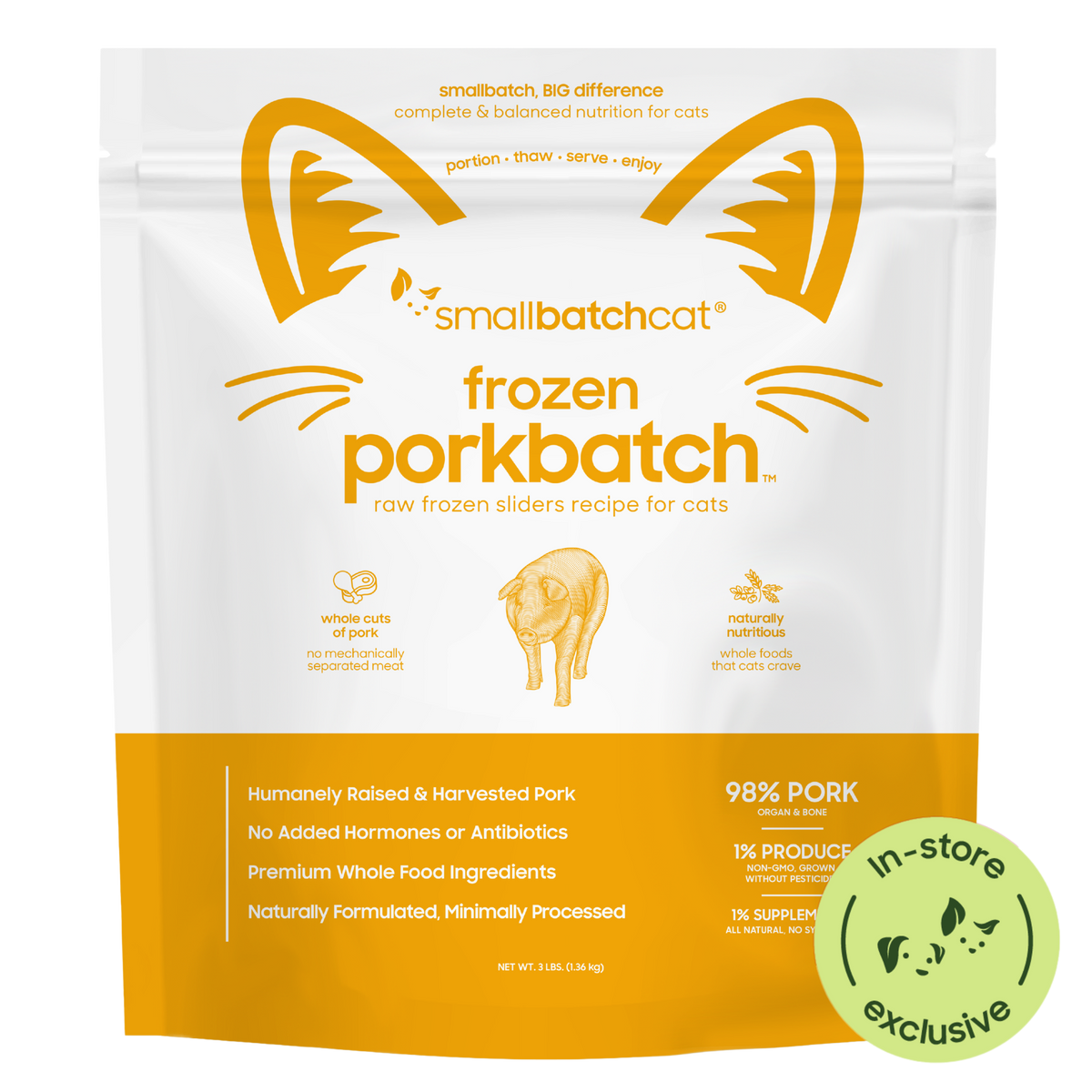
What experts say about pork-based cat food
Veterinary nutrition guidance focuses on nutrient adequacy, food safety, and the cat’s health status. It does not require one particular meat. A pork-based food can be suitable if it is complete and balanced and is made under appropriate safety controls.
Food safety agencies also stress proper cooking and handling of animal products. This is especially important in homes with young children, older adults, pregnant people, or anyone with a weakened immune system.
There are limits to broad claims about pet food. Ingredient quality can vary between brands, and the ingredient list alone cannot show the full nutritional value of a recipe. It also cannot prove that one food is better for every cat.
That is why is there no pork in cat food should not be answered with “pork is bad.” A more accurate answer is that pork is optional, less common, and sometimes avoided for practical, cultural, or dietary reasons.
Frequently Asked Questions About Why Is There No Pork in Cat Food
Is pork bad for cats?
Plain, lean, fully cooked pork is not automatically bad for cats. It should be offered only in small amounts and must not contain bones, onion, garlic, heavy seasoning, or excess fat.
Can cats eat cooked pork?
Most healthy cats can eat a small piece of plain cooked pork as an occasional treat. Do not use it as the main diet unless it is part of a complete and balanced cat food.
Why is pork not a common cat food ingredient?
Pork is less common because chicken, fish, turkey, and beef are widely available, familiar to consumers, and easy for manufacturers to use. Cultural preferences and supply costs can also affect recipe choices.
Can cats eat bacon or ham?
Bacon and ham are poor choices because they are often high in salt and fat. Regular feeding may cause digestive upset and can add unnecessary health risks.
Can cats eat raw pork?
Raw pork may carry harmful bacteria and parasites, so it is safer to avoid it. Raw diets can also be nutritionally incomplete unless they are carefully designed with professional guidance.
Does pork cause food allergies in cats?
Pork can trigger an allergy in an individual cat, but so can many other proteins. Itching, vomiting, or diarrhea should be assessed by a veterinarian rather than treated with an unplanned diet change.
Can pork be the main protein in cat food?
Yes, pork can be the main protein in a commercial cat food if the product is complete and balanced for the cat’s life stage. The label and formulation matter more than whether the protein is pork, chicken, beef, or fish.
Conclusion
The answer to why is there no pork in cat food is not that pork is forbidden or always unhealthy. Pork is simply less common because manufacturers often prefer proteins with stronger supply networks, familiar customer appeal, and predictable formulation.
Cats need balanced animal nutrition, not one special type of meat. Plain cooked pork may be an occasional treat for some cats, but processed pork, raw pork, fatty scraps, seasonings, and bones should be avoided.
Check the label, choose a complete and balanced food, and ask your veterinarian before changing a cat with allergies or a medical condition. Share this guide with another cat owner, and explore more trusted pet nutrition resources before choosing your cat’s next meal.