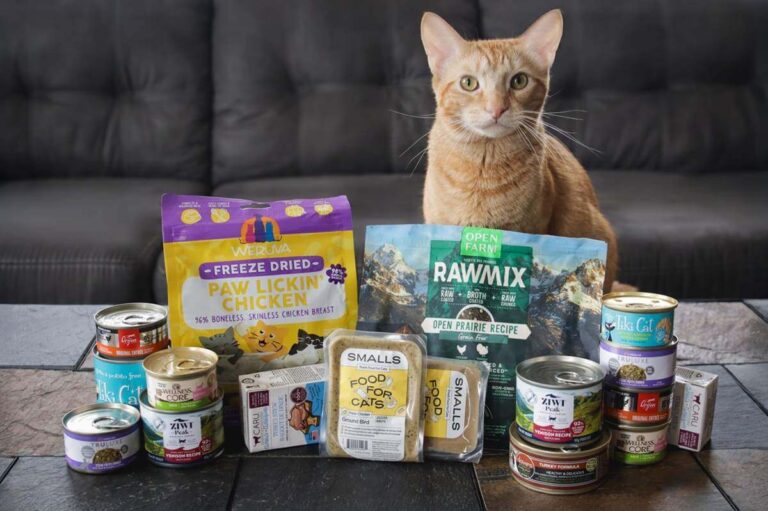
Why Do Cats Like Chicken So Much: The Tasty Truth
Cats like chicken because its smell, savory taste, protein, and soft texture match their natural meat-based diet.
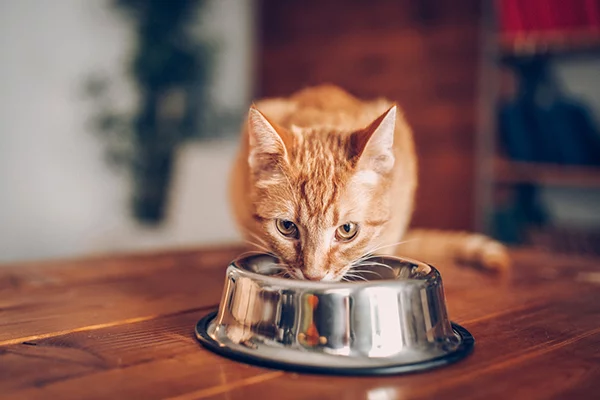
If you have ever opened a container of cooked chicken and seen your cat appear like magic, you are not alone. The answer to “why do cats like chicken so much” comes down to biology, scent, texture, and learned food rewards. Chicken can be a safe treat, but it should not replace a complete and balanced cat food.
This guide explains the science behind your cat’s chicken obsession, how to serve it safely, how much is enough, and which mistakes to avoid. It also covers when a sudden love of chicken may signal a health concern.
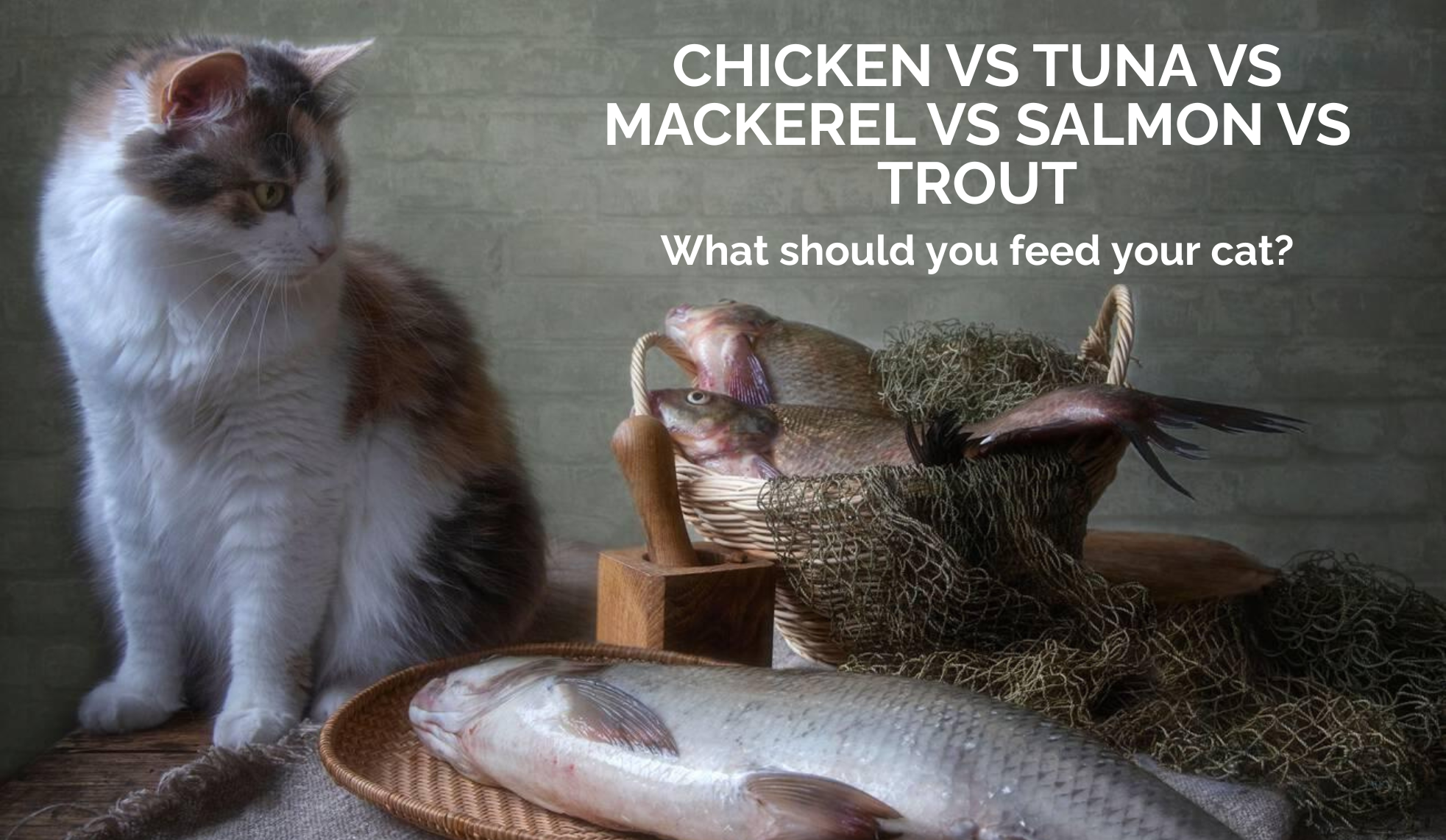
Why do cats like chicken so much?
Cats are natural meat eaters. Their wild ancestors gained most of their calories from prey, so a cat’s body and brain are tuned to notice animal-based foods. Chicken has several traits that make it especially appealing.
The answer to why do cats like chicken so much includes these key factors:
• Strong meaty smell that cats can detect from a distance
• High-quality animal protein
• A soft, easy-to-chew texture
• Natural savory flavors from amino acids
• Moisture that makes the food more appealing
• A positive link between chicken and rewards
Cats do not taste sweetness like people do. Instead, they respond more to savory flavors, often called umami. Chicken contains amino acids and other compounds that create this meaty taste.
Chicken also has a mild flavor. That makes it attractive to many cats, even those that dislike stronger meats such as fish or beef. Its soft texture may also help older cats or cats with dental pain eat more comfortably.

A cat’s natural meat-based diet
Domestic cats are obligate carnivores. This means they need nutrients found mainly in animal tissue to stay healthy. They require nutrients such as taurine, arachidonic acid, vitamin A, and certain B vitamins.
A complete commercial cat food is made to provide these nutrients in the right amounts. Plain chicken contains useful protein, but it does not provide everything a cat needs. It lacks enough calcium and may not supply the correct levels of taurine, vitamins, and minerals.
This distinction matters when considering why do cats like chicken so much. Cats may love chicken, but love does not mean it is a complete diet.
Think of chicken as a single puzzle piece. It can fit into a healthy feeding plan, but it cannot build the whole picture by itself.
Protein and amino acids
Chicken muscle contains protein that supports muscles, skin, organs, and daily body functions. Cats often show a strong interest in protein-rich foods because their bodies are designed to use protein for energy more than humans do.
The smell of warm chicken may also signal fresh animal tissue to a cat. This instinctive response can make chicken seem more exciting than dry food, especially if the dry food has a mild smell.
Moisture and texture
Many cats prefer moist foods because they release more scent. Moist chicken is also easy to tear and chew. This can be helpful for kittens, senior cats, and cats with sore mouths.
However, a cat that avoids all firm food may have dental disease. A sudden texture change deserves attention rather than a simple switch to soft treats.

The powerful role of smell
A cat’s sense of smell is far stronger than a human’s. Smell helps cats judge whether food is fresh, safe, and worth eating. This is one of the main reasons why do cats like chicken so much.
Warm chicken gives off more aroma than cold chicken. Heating releases scent compounds into the air, which may explain why a cat ignores food from the refrigerator but races toward freshly cooked meat.
Cats may also react to the smell of chicken fat and cooking juices. Fat carries many aroma compounds, so fatty meat can seem more tempting. Still, rich skin and greasy drippings can cause stomach upset.
Try offering chicken at room temperature or slightly warm, but never hot. Always check the temperature with your fingers before giving it to your cat.
Why cats may prefer cooked chicken
Cooking changes the smell and texture of meat. It can make chicken softer and more aromatic. Cooking also reduces the risk of harmful bacteria compared with raw poultry.
Raw chicken is not automatically safer or healthier. It may carry bacteria such as Salmonella or Campylobacter. Raw bones can also splinter, and raw diets may be unbalanced unless a veterinary nutrition professional creates the recipe.

Do cats like chicken because of its taste?
Taste plays a role, but smell often leads the way. Cats have fewer taste buds than humans, yet their taste receptors are highly suited to detecting meat-based flavors.
Cats do not have working sweet taste receptors. That is why sugary foods are not naturally important to them. Their attention goes instead to savory flavors, fats, and amino acids.
This helps explain why do cats like chicken so much compared with some plant-based foods. Chicken offers a familiar combination of animal protein, savory flavor, moisture, and scent.
Some cats enjoy chicken broth too. But commercial broth may contain onion, garlic, excess salt, or other ingredients that are unsafe for cats. Use only plain broth made without seasonings, or choose a pet-safe product.

Is chicken healthy for cats?
Plain, fully cooked chicken can be a healthy treat for most cats. It provides protein and may help add interest to a regular meal. It can also encourage a sick or stressed cat to eat, although poor appetite should not be ignored.
Chicken is healthiest when it is:
• Boneless
• Skinless or low in fat
• Fully cooked
• Unseasoned
• Cut into small, bite-sized pieces
• Served as a small treat
Chicken should not become the main food unless it is part of a properly formulated complete diet. Feeding only chicken for days or weeks can cause nutritional deficiencies. Calcium imbalance is a particular concern because muscle meat contains much more phosphorus than calcium.
How many calories should treats provide?
A common veterinary nutrition guideline is to keep treats below about 10% of a cat’s daily calories. The other 90% or more should come from a complete and balanced cat food.
The exact amount depends on your cat’s age, weight, activity, and health. A small piece may be enough for a small cat. Ask your veterinarian for a precise treat allowance if your cat is overweight, diabetic, or has kidney disease.
How to prepare chicken safely for cats
Safe preparation is simple, but small details matter. The best option is plain chicken breast or thigh that is cooked without oil, salt, spices, sauces, onion, or garlic.
Follow these steps:
-
Cook the chicken until it reaches a safe internal temperature.
-
Remove all bones, skin, and visible fat.
-
Let the meat cool to a safe temperature.
-
Shred or cut it into small pieces.
-
Offer a small amount with your cat’s normal food.
-
Refrigerate leftovers promptly in a sealed container.
-
Use refrigerated cooked chicken within a few days, or freeze small portions.
Never give cooked chicken bones. They can break into sharp pieces and injure the mouth, throat, stomach, or intestines. Raw bones also carry risks and should not be treated as harmless dental chews.
Avoid chicken prepared for people when it contains:
• Garlic or onion
• Heavy salt
• Spicy seasoning
• Butter or rich sauces
• Artificial flavor packets
• Large amounts of fat
• Marinades
A tiny amount of plain meat is very different from a piece of fried chicken, rotisserie chicken skin, or chicken covered in sauce.
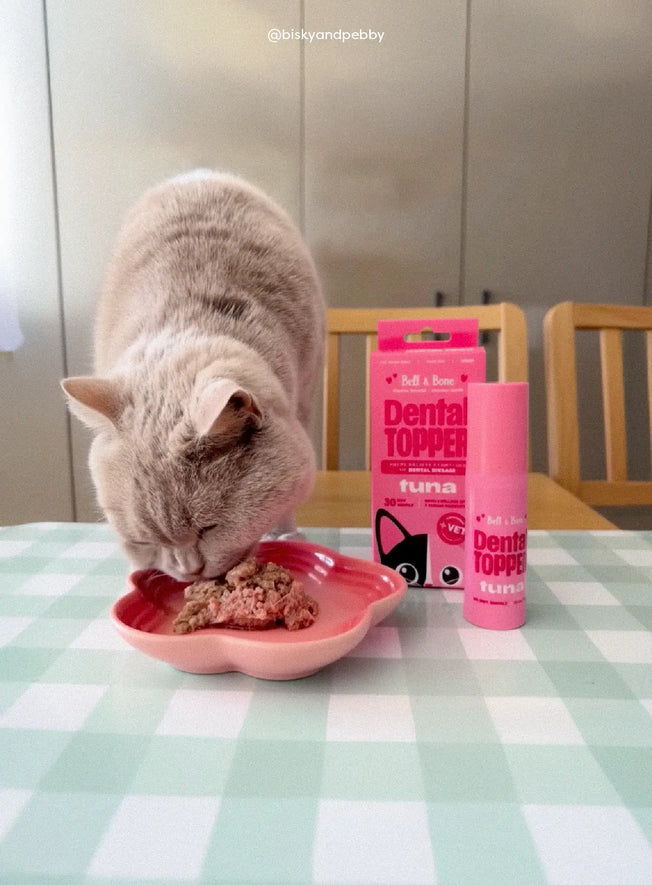
Why do cats like chicken more than cat food?
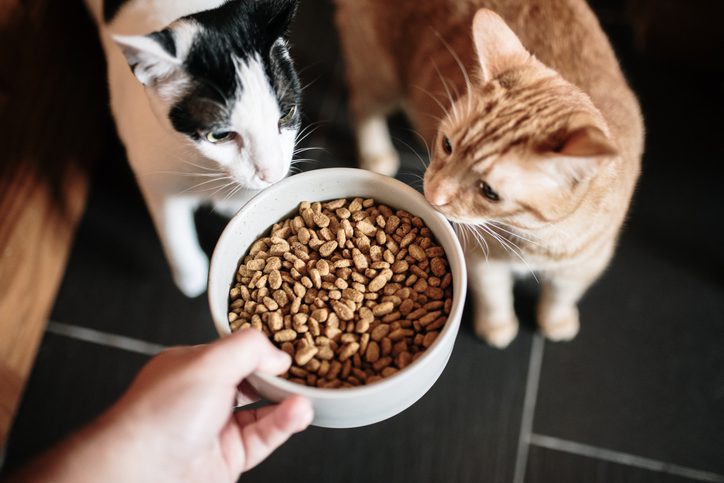
Many cats prefer chicken because it smells stronger than dry kibble. Dry food has limited moisture and may release fewer scent compounds. Chicken may also feel fresher and more rewarding.
Another factor is learning. If you give chicken after your cat meows, begs, or refuses dinner, your cat may learn that holding out leads to a better meal. This does not mean the cat is being naughty. It means the behavior worked.
This is another important part of why do cats like chicken so much. Preference is shaped by both instinct and experience.
How to avoid creating a picky eater
You can offer chicken without allowing it to control every meal.
• Give chicken after your cat eats some regular food.
• Keep treats small.
• Avoid replacing a balanced meal with table scraps.
• Use chicken as a topper, not the whole dinner.
• Keep feeding times steady.
• Introduce new foods slowly.
One mistake I often see in cat-care advice is adding a large amount of a favorite food too quickly. The cat may then reject its normal diet, and the sudden change may cause vomiting or diarrhea. Small portions and slow changes work better.
When a cat’s chicken obsession may signal a problem
Most chicken-loving cats are simply responding to a tasty food. A sudden and extreme appetite change can sometimes point to an underlying issue.
Contact your veterinarian if your cat suddenly becomes very hungry while also losing weight. Increased thirst, frequent urination, vomiting, diarrhea, weakness, or restlessness are also warning signs.
Health conditions that may affect appetite include:
• Hyperthyroidism
• Diabetes mellitus
• Intestinal disease
• Parasites
• Dental pain
• Kidney disease
• Certain medications
A cat that suddenly prefers only soft chicken may have mouth pain. Cats often hide discomfort, so changes in chewing, drooling, bad breath, or dropping food deserve a veterinary check.
Do not use chicken to mask a long-term appetite problem. It may encourage eating for a short time, but it will not treat the cause.

Chicken allergies and food sensitivities
Chicken is a common ingredient in cat food, but some cats can develop a reaction to it. Food allergies are not the most common cause of itching or stomach problems, but they are possible.
Signs may include:
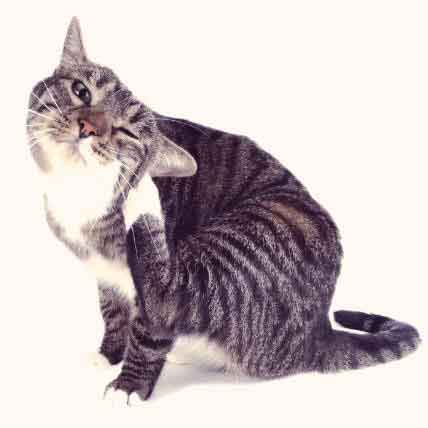
• Repeated itching
• Hair loss from overgrooming
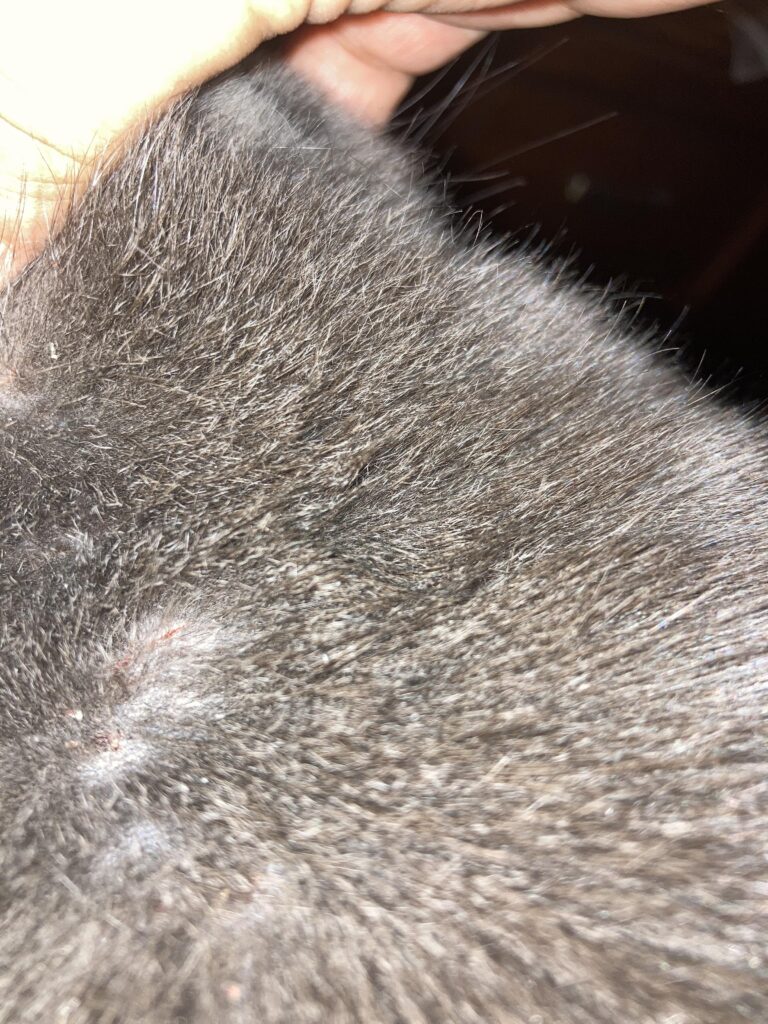
• Skin sores
• Vomiting
• Loose stool
• Chronic ear problems
If you suspect a chicken allergy, do not switch foods at random. A veterinarian may suggest a structured elimination diet. This process usually involves feeding a specific diet for several weeks and avoiding all other treats.
A cat can also react to seasonings, high fat, or sudden diet changes rather than chicken itself. Careful testing is the only reliable way to separate these causes.
Chicken treats for kittens, senior cats, and overweight cats
Kittens need food made for growth. Small pieces of plain chicken can be occasional treats, but they should not replace kitten food. Growing cats need carefully balanced levels of calories, calcium, and other nutrients.
Senior cats may enjoy shredded chicken because it is soft and easy to chew. Still, dental disease is common in older cats, so a new preference for soft food should be discussed with a veterinarian.
Overweight cats can have chicken treats, but portions must stay small. Protein-rich does not mean calorie-free. Extra treats can slow weight loss, especially when chicken skin or dark meat is included.
For cats with kidney disease, heart disease, diabetes, or food allergies, ask your veterinarian before adding chicken. The best choice depends on the full medical picture.
Practical ways to use chicken as a treat
Plain chicken can support positive training and daily enrichment. You can use a few tiny pieces to reward calm behavior, gentle handling, or entering a carrier.
Try these ideas:
• Hide one small piece in a puzzle feeder.
• Use shredded chicken to encourage water intake with a veterinarian-approved plan.
• Add a teaspoon as a food topper during a gradual diet transition.
• Reward your cat after nail trims or medication.
• Freeze tiny portions for later use.
Keep every piece small enough to prevent choking. Treats should be easy to count, and the calories should come from your cat’s daily allowance.
A useful lesson is to make chicken a reward, not a bribe for refusing food. This keeps the treat special and protects your cat’s normal eating routine.
Why do cats like chicken so much but ignore other meat?
Each cat has a unique food history. A cat raised on chicken-flavored food may recognize its aroma and prefer it. Another cat may favor fish, turkey, beef, or rabbit.
Texture also matters. Some cats like shredded meat, while others prefer pâté or small chunks in gravy. Temperature, freshness, bowl shape, and feeding location can change a cat’s response.
A cat may ignore a new meat today and accept it later. Cats often prefer familiar smells, so introduce new foods gradually. Never force food into a cat’s mouth, as this can create fear and worsen food refusal.
Frequently Asked Questions About Why Do Cats Like Chicken So Much
Can cats eat plain cooked chicken every day?
Most healthy cats can eat a small amount of plain cooked chicken as a daily treat. It should stay within the treat portion of the diet and should not replace complete cat food.
Is chicken good for cats with an upset stomach?
Plain cooked chicken may be gentle for some cats, but it is not a complete treatment for vomiting or diarrhea. If symptoms last, return often, or include weakness or blood, contact a veterinarian promptly.
Can cats eat raw chicken?
Raw chicken can carry harmful bacteria and may cause illness. It can also create nutritional problems if fed as a regular diet, so cooked, plain chicken is the safer choice for most cats.
Can cats eat chicken skin?
Chicken skin is high in fat and may cause stomach upset or add too many calories. It is better to remove the skin before offering chicken to your cat.
Why does my cat beg for chicken but refuse cat food?
Chicken may have a stronger smell and more appealing texture than regular food. If the change is sudden or your cat refuses all balanced food, schedule a veterinary check to rule out dental pain or illness.
Can cats eat chicken with rice?
Plain chicken and plain rice are not a complete diet for cats. A small amount may be tolerated by some cats, but do not use this combination as a long-term meal without veterinary guidance.
Does chicken help cats drink more water?
Moist chicken contains more water than dry treats, but it cannot replace fresh drinking water. Wet cat food and several clean water stations are usually better ways to support hydration.
Conclusion
So, why do cats like chicken so much? Chicken combines the signals cats naturally value: animal protein, savory taste, strong aroma, moisture, and a soft texture. It can be a useful treat when it is plain, fully cooked, boneless, and served in small portions.
The safest approach is to keep complete cat food at the center of the diet. Use chicken as a small reward or topper, avoid seasonings and bones, and watch for sudden appetite or texture changes. Try these tips with your cat, and share your experience or questions in the comments.