Why Do Cats Get Upset Stomachs: Causes And Solutions
Cats get upset stomachs from diet changes, spoiled food, hairballs, infections, toxins, stress, or hidden health problems.
Understanding why do cats get upset stomachs can help you spot a mild digestive upset before it becomes a serious concern. Cats have sensitive digestive systems, and small changes can affect them more than many owners expect. This guide explains common causes, warning signs, safe home care, prevention tips, and when a veterinarian should examine your cat.

What an Upset Stomach Means in Cats
An upset stomach is a general term for digestive discomfort. It may include vomiting, diarrhea, nausea, gas, belly pain, poor appetite, or changes in stool.
Cats often hide illness. A cat with stomach trouble may not cry or act obviously sick. Instead, you may notice small changes, such as hiding more, licking the lips, sitting near the water bowl, or walking away from food.
Knowing why do cats get upset stomachs starts with understanding that vomiting and diarrhea are signs, not diagnoses. The cause may be simple, such as eating too fast, or serious, such as an intestinal blockage.

Common Reasons Cats Get Upset Stomachs
Sudden food changes
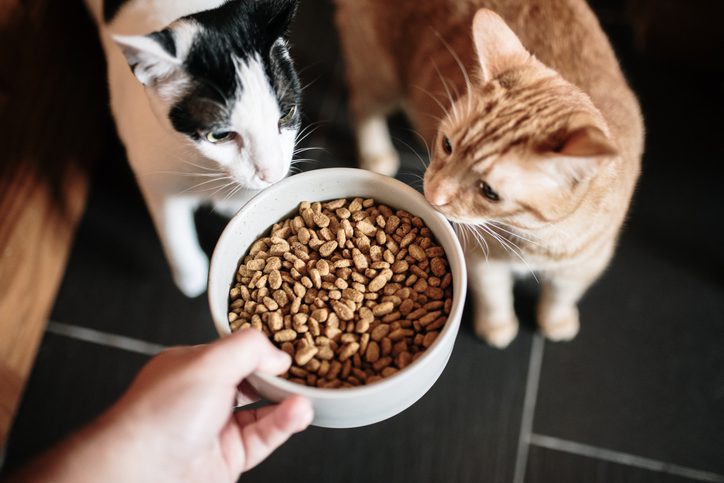
Cats can react to a new food if the change happens too fast. Their gut contains helpful bacteria that support digestion. A sudden diet switch can disturb this balance.
This may happen when you bring home a new brand, change from kitten food to adult food, or offer a new flavor without a gradual transition.
A safer food transition usually takes seven to ten days:
- Mix a small amount of the new food with the old food.
- Increase the new food slowly each day.
- Reduce the old food as your cat accepts the new diet.
- Slow down if vomiting or diarrhea begins.
Eating spoiled food or table scraps
Cats may get sick after eating food that is spoiled, greasy, spicy, or difficult to digest. Fatty meat, dairy products, and seasoned foods can irritate the stomach.
Some human foods are dangerous for cats. Onions, garlic, chocolate, alcohol, grapes, raisins, and products containing xylitol should never be offered.
Even a small bite may cause trouble in some cats. Keep leftovers, trash, and food wrappers out of reach.
Food intolerance or food allergy
Some cats do not digest certain ingredients well. Others develop an immune reaction to a food protein.
Possible signs include:
• Repeated vomiting
• Loose stool
• Itchy skin
• Hair loss
• Ear infections
• Excessive licking
• Poor weight gain
Common problem proteins may include beef, fish, chicken, or dairy. However, symptoms alone cannot prove a food allergy. A veterinarian may recommend a carefully planned elimination diet.
Hairballs
Cats swallow loose fur while grooming. Most of this hair passes through the digestive tract, but some can collect in the stomach and form a hairball.
A cat may gag, retch, or vomit a hairball. Occasional hairballs can be normal, especially in long-haired cats. Frequent retching, repeated vomiting, or an inability to pass stool needs veterinary attention.
Regular brushing can reduce the amount of loose hair your cat swallows. It also helps you notice skin problems early.
Eating too quickly
Some cats gulp food, especially when they live with other pets or feel worried about losing access to their meal. Fast eating can lead to vomiting soon after a meal.
Try offering smaller meals more often. A puzzle feeder, slow feeder, or wide shallow dish may also help. Avoid anything that makes your cat frustrated or unable to eat.
Parasites
Intestinal parasites can cause digestive problems in cats. Roundworms, hookworms, tapeworms, and Giardia are examples.
Signs may include diarrhea, vomiting, weight loss, a dull coat, a swollen belly, or visible worms in stool. Kittens are especially vulnerable because parasites can affect growth and hydration.
A veterinarian can test a stool sample and select the right treatment. Do not use a dog dewormer or an over-the-counter product without veterinary advice.
Viral or bacterial infections
Infections can inflame the stomach and intestines. They may spread through contaminated food, water, feces, or contact with another sick animal.
Infectious illness is more concerning when vomiting or diarrhea occurs with fever, weakness, dehydration, or loss of appetite. Kittens, older cats, and cats with weak immune systems can become seriously ill faster.
Stress and anxiety
Stress can affect the digestive system. Moving, boarding, loud sounds, a new pet, house guests, or changes in routine may trigger vomiting or diarrhea.
Cats often feel safest when life is predictable. Keep meals, litter box care, play, and sleep areas as consistent as possible. Give your cat a quiet retreat where other pets and people cannot disturb them.
Toxins and medications
Cats can become sick after chewing plants, licking cleaning products, or swallowing medication. Some common hazards include lilies, human pain relievers, antifreeze, insecticides, and certain essential oils.
Never give your cat human medicine unless a veterinarian specifically directs you to do so. Acetaminophen and ibuprofen can be extremely dangerous for cats.
If you suspect poisoning, contact a veterinarian or a pet poison service at once. Do not make your cat vomit unless a professional tells you to.
Foreign objects and intestinal blockage
Cats may swallow string, ribbon, hair ties, rubber bands, plastic, or small toys. These objects can block the stomach or intestines.
Warning signs include repeated vomiting, belly pain, severe tiredness, refusal to eat, straining to poop, or a swollen abdomen. A string hanging from your cat’s mouth or anus should never be pulled because it may cut the intestines.
A blockage is an emergency. Prompt treatment can prevent life-threatening damage.
Underlying diseases
Sometimes why do cats get upset stomachs has nothing to do with food. Digestive symptoms can occur with pancreatitis, kidney disease, liver disease, hyperthyroidism, inflammatory bowel disease, diabetes, or cancer.
This is more likely when symptoms keep returning or happen with weight loss, increased thirst, increased urination, or low energy. Repeated digestive problems deserve a proper examination rather than repeated home treatment.
Signs Your Cat May Have an Upset Stomach
The most obvious signs are vomiting and diarrhea, but cats can show many quieter symptoms.
Watch for:
• Eating less or refusing food
• Drooling or repeated lip licking
• Gagging or dry heaving
• Hiding or sleeping more
• Restlessness
• A hunched posture
• Tenderness around the belly
• Constipation or straining
• Blood in vomit or stool
• Weight loss
• Dehydration
• Changes in litter box habits
The appearance of vomit can offer clues, but it cannot confirm the cause. Food, clear liquid, yellow fluid, foam, hair, or blood may appear for different reasons.

When an Upset Stomach Is an Emergency
Call a veterinarian promptly if your cat has repeated vomiting, severe diarrhea, or cannot keep water down. Do not wait several days when a cat is clearly unwell.
Seek urgent care for:
• Blood in vomit or stool
• Black, tar-like stool
• A painful or swollen belly
• Trouble breathing
• Collapse or extreme weakness
• Pale, blue, or yellow gums
• Suspected poisoning
• Suspected foreign-object ingestion
• No food intake for about 24 hours
• Vomiting in a very young, elderly, or medically fragile cat
Cats that stop eating can develop hepatic lipidosis, also called fatty liver disease. This risk is especially important in overweight cats. A cat that refuses food should receive professional advice rather than being forced to eat.
How Veterinarians Find the Cause
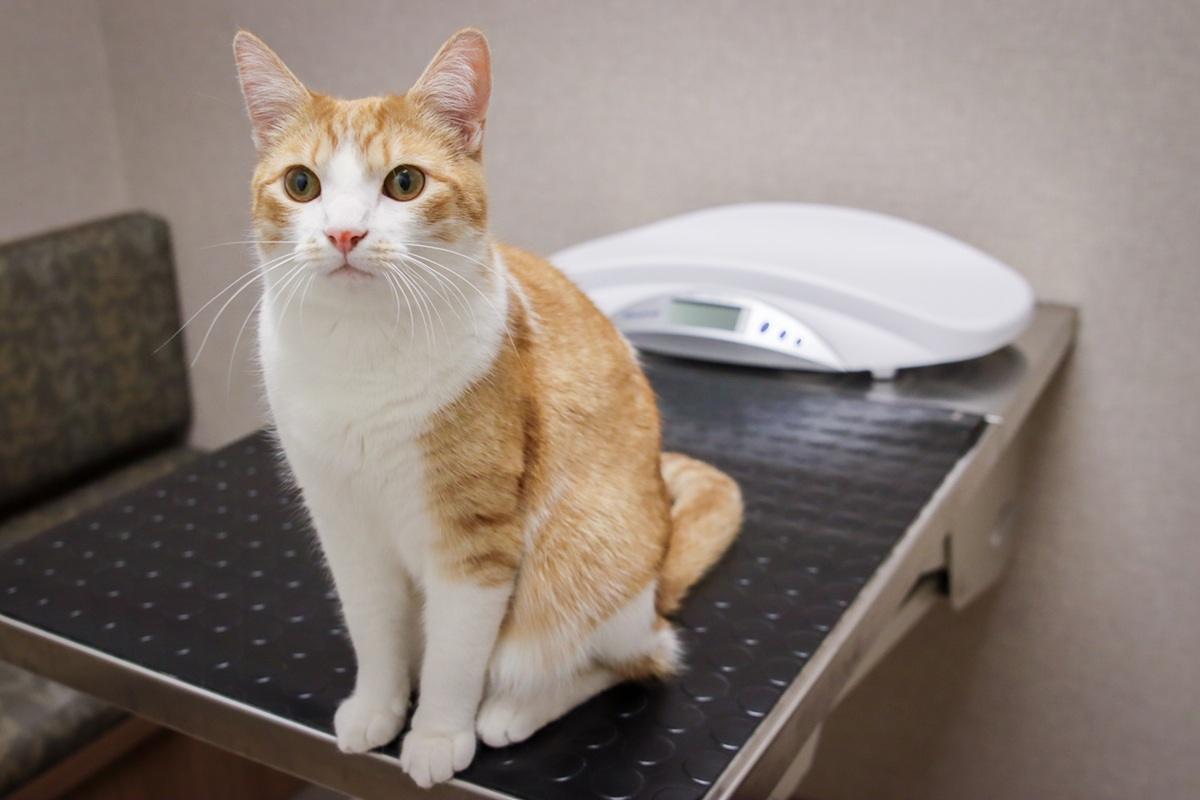
A veterinarian will ask when the signs began and how often they occur. Be ready to describe your cat’s food, treats, medications, possible exposure to toxins, and recent changes at home.
The examination may include checking hydration, body temperature, gum color, weight, and abdominal comfort. Depending on the findings, the veterinarian may recommend:
• A fecal test
• Blood and urine tests
• X-rays
• Ultrasound
• Tests for viral disease
• A food trial
• Endoscopy or biopsy in complex cases
Keeping a simple symptom record can help. Write down meal times, vomiting episodes, stool changes, water intake, and behavior. A photo of unusual vomit or stool may also help the veterinary team.
Safe Care for a Mild Upset Stomach
If your adult cat has one mild episode and otherwise acts normal, monitor closely. Offer fresh water and keep your cat indoors so you can track eating, drinking, vomiting, and litter box use.
Do not force food or water. Do not give human antacids, anti-diarrhea drugs, oils, milk, or herbal products without veterinary guidance.
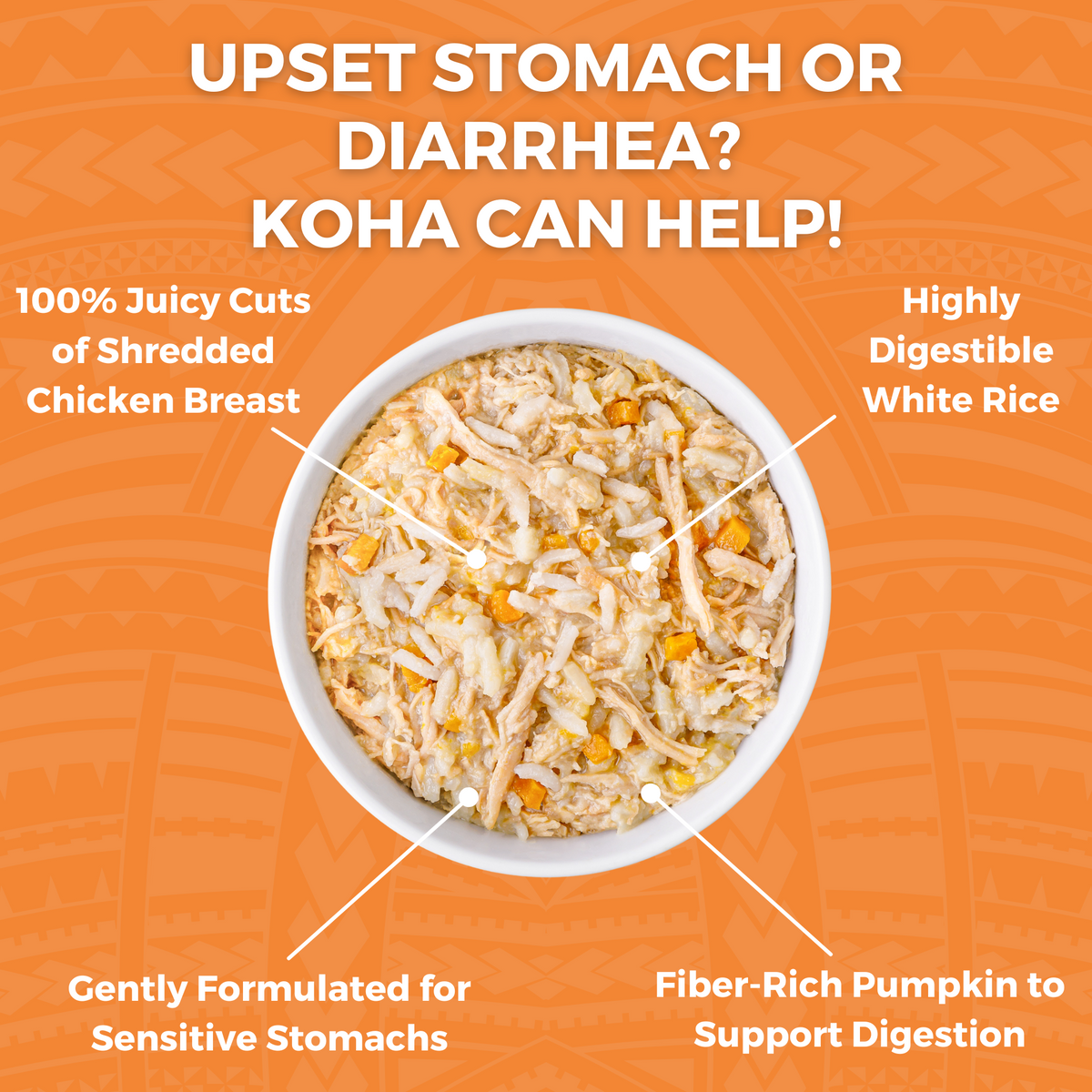
You can ask your veterinarian whether a short-term bland or prescription diet is suitable. Cats have special nutrition needs, so a homemade diet should not replace balanced cat food unless a veterinary nutrition professional creates the plan.
Contact your veterinarian if symptoms continue, return, or worsen. A mild issue should show improvement, not slowly become part of your cat’s normal routine.

How to Prevent Stomach Problems
You cannot prevent every cause, but daily habits can lower the risk.
• Make food changes gradually.
• Feed a complete and balanced cat diet.
• Keep fresh water available.
• Store medications and chemicals securely.
• Remove toxic plants from the home.
• Keep string, ribbon, and small objects away.
• Brush your cat often, especially during shedding seasons.
• Use parasite prevention recommended by your veterinarian.
• Keep feeding and litter box routines steady.
• Schedule regular wellness exams.
Avoid frequent food experiments. Many cats do best with a consistent diet that matches their age, health, and activity level.
One practical lesson from common veterinary cases is that owners often change several things at once. They switch food, add supplements, and offer new treats on the same day. If the cat becomes sick, no one knows which change caused it. Change one thing at a time whenever possible.
What Cat Owners Often Get Wrong
A common mistake is assuming every vomiting episode is a hairball. A cat that repeatedly vomits may have a medical problem, even when no hair appears.
Another mistake is withholding food for too long. Cats are not small dogs, and prolonged fasting can be risky. Ask a veterinarian for feeding advice, especially if your cat is overweight, young, elderly, or has another illness.
Some owners also rely on online remedies. Coconut oil, milk, essential oils, and human medicines can make digestive problems worse. Simple care is often safer than a cupboard full of untested treatments.
How Long Does a Cat’s Upset Stomach Last?
A mild stomach upset may improve within a day, but the time varies by cause. A sudden food change may settle after the diet is corrected, while parasites, pancreatitis, or a blockage will not resolve safely without proper treatment.
The pattern matters as much as the length. One mild episode in a bright, alert cat is different from vomiting every week or having diarrhea that keeps returning.
If symptoms last more than a day, become severe, or occur with poor appetite or weakness, contact your veterinarian. Early advice can prevent a small problem from becoming a major one.
Frequently Asked Questions About Why Do Cats Get Upset Stomachs
Why do cats get upset stomachs after changing food?
Cats may get upset stomachs after a fast food change because their digestive system has not adjusted to the new ingredients. Mix the new food with the old food over seven to ten days unless your veterinarian gives different advice.
Can stress cause an upset stomach in cats?
Yes, stress can contribute to vomiting, diarrhea, poor appetite, and changes in litter box habits. A calm routine, safe hiding place, and gradual introductions may help, but ongoing signs still need veterinary review.
Should I stop feeding my cat after vomiting?
Do not make long fasting periods a habit without veterinary guidance. Offer advice-based care from your veterinarian, because cats that stop eating can develop serious liver problems.
When should I take my cat to the vet for an upset stomach?
Call a veterinarian for repeated vomiting, blood, severe diarrhea, pain, weakness, suspected poisoning, or possible foreign-object ingestion. Also call if your cat refuses food, cannot keep water down, or belongs to a high-risk group.
Can hairballs cause an upset stomach?
Hairballs can cause gagging and occasional vomiting, but frequent episodes are not something to ignore. Repeated vomiting may point to poor grooming, intestinal disease, or an obstruction.
Are human medicines safe for cats with stomach problems?
Many human medicines are unsafe for cats, including common pain relievers. Give medication only when a veterinarian prescribes or approves it for your cat.
Why do cats get upset stomachs but still act normal?
Cats often hide pain and illness, so they may appear normal during an early problem. A repeated symptom, even without dramatic behavior changes, should be discussed with a veterinarian.
Conclusion
Why do cats get upset stomachs? The cause may be a fast food change, spoiled food, hairballs, parasites, stress, toxins, a swallowed object, or an underlying disease. Careful observation can help, but vomiting and diarrhea do not reveal the full cause on their own.
Keep your cat’s diet steady, remove household hazards, watch appetite and litter box habits, and seek veterinary help when symptoms are severe or persistent. If your cat has had recent digestive trouble, start a simple symptom log and discuss it at the next veterinary visit.