Why Does My Kitten Have Dry Skin: Causes And Care
Your kitten may have dry skin because of low humidity, poor nutrition, parasites, allergies, or an underlying health problem.
If you are wondering, “why does my kitten have dry skin,” you are not alone. Flakes, rough fur, dandruff, or small scabs can look worrying, but the cause may be simple or may need veterinary care. This guide explains the most common reasons, what you can safely do at home, and when your kitten needs a prompt exam.

Why Does My Kitten Have Dry Skin?
When asking why does my kitten have dry skin, start with the skin barrier. Healthy skin holds moisture and protects the body from irritants. In kittens, this barrier is still developing, so it can become dry more easily than adult cat skin.
Dry skin may appear as:
• White flakes on the fur or bedding
• Dull, rough, or brittle hair
• Mild redness
• Small scabs
• More scratching or licking
• Hair that looks greasy in some areas and dry in others
The cause is not always the skin itself. Dry air, fleas, food issues, bathing, infection, or illness can all create similar signs. This is why a close look at your kitten’s age, diet, habits, and other symptoms matters.
In many mild cases, dry skin improves when the kitten eats a complete diet, drinks well, and lives in a comfortable, humid environment. However, kittens can become unwell quickly, so ongoing or severe symptoms should not be ignored.

Common Causes of Dry Skin in Kittens
Low humidity and dry indoor air
Indoor heating and air conditioning can remove moisture from the air. This often happens in winter or in homes with forced-air heat. Your kitten’s skin may become flaky, much like human skin after a long, hot shower.
Low humidity is more likely to cause mild flakes without intense itching, sores, or hair loss. A clean humidifier near your kitten’s sleeping area may help, but it must be cleaned often to prevent mold and bacteria.
Poor nutrition or an incomplete diet
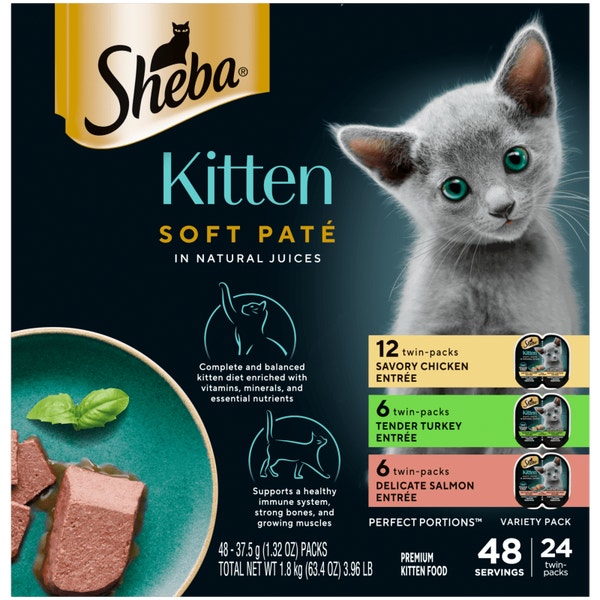
A growing kitten needs more than calories. Kittens require the right balance of protein, fat, vitamins, minerals, and essential fatty acids. A homemade diet, low-quality food, or food meant for adult cats may not meet these needs.
If you are asking why does my kitten have dry skin and your kitten also has slow growth, dull fur, loose stool, or low energy, nutrition deserves attention. Feed a complete and balanced kitten food made for growth. Avoid adding human supplements unless your veterinarian recommends them.
Too much of some nutrients can also cause harm. More vitamins are not always better, and some supplements may be toxic to cats.
Not drinking enough water
Mild dehydration can affect the skin and coat. Kittens may drink less when they are stressed, sick, or eating only dry food. Very young kittens can become dehydrated faster than adult cats.
Signs of dehydration may include:
• Sticky or dry gums
• Weakness or unusual sleepiness
• Poor appetite
• Sunken-looking eyes
• Less urine than usual
Do not rely on a skin pinch test alone. It is not always accurate, especially in young animals. A veterinarian can assess hydration more safely.
Fleas and other external parasites
Fleas are a common reason why does my kitten have dry skin is often searched online. Flea bites can cause itching, redness, scabs, and hair loss. Some cats are highly allergic to flea saliva, so even a few bites may cause a strong reaction.
You may not see live fleas. Cats groom themselves well, and fleas can hide deep in the coat. Look for tiny black specks, often called flea dirt, near the neck, lower back, and tail base.
Other parasites, such as ear mites or certain mites that affect the skin, may also cause itching and flakes. Use only parasite products labeled for kittens. Never apply a dog flea product to a cat, because some dog products contain permethrin, which can be life-threatening to cats.
Overbathing or harsh grooming products
Healthy cats usually do not need frequent baths. Too much bathing can remove natural oils and make the skin dry. Human shampoo, scented products, dish soap, and essential oils can irritate kitten skin.
If a bath is truly needed, use a gentle, cat-safe shampoo recommended for kittens. Rinse very well and dry your kitten in a warm, draft-free room. Never use tea tree oil or other essential oils as a home remedy.
Allergies and skin irritation
Kittens can react to fleas, food ingredients, cleaning products, fabrics, or pollen. Allergies often cause itching, redness, licking, and small sores rather than simple flakes alone.
A new litter, air freshener, detergent, or carpet cleaner may irritate sensitive skin. Remove possible irritants one at a time when possible. Do not change many things at once, or you may not know what helped.
Ringworm and other skin infections
Ringworm is a fungal infection, not a worm. It can cause round areas of hair loss, scaling, broken hairs, redness, and crusts. Some cats have only mild signs, while others develop several bald patches.
Ringworm can spread to people and other animals. Children, older adults, and people with weakened immune systems may be more vulnerable. If you suspect ringworm, arrange a veterinary visit and wash bedding regularly.
Bacterial or yeast infections may also cause odor, greasy skin, pus, pain, or thick crusts. These problems usually need proper diagnosis and treatment.
Stress and poor grooming
Stress can affect a kitten’s skin and coat. A move, new pet, loud home, separation from littermates, or too much handling may change grooming habits. Some kittens groom too much, while others groom too little.
Very young, weak, or sick kittens may not groom well. Long-haired kittens may also develop tangles that trap moisture and debris close to the skin. Gentle daily brushing can help, but stop if brushing causes pain.
A health problem beneath the skin
Less common causes include hormonal disorders, immune problems, chronic infection, and organ disease. These are not the first explanation for every flaky kitten, but they become more important when skin changes continue or appear with other symptoms.
Weight loss, vomiting, diarrhea, poor growth, fever, pale gums, breathing trouble, or marked tiredness are reasons to seek veterinary care. A kitten with these signs may need more than a skin treatment.

How to Tell What May Be Causing the Dry Skin
Knowing why does my kitten have dry skin requires more than looking at one flake. Consider the full pattern. Ask yourself when the problem began and whether anything changed before it started.
Check these details:
• Age and weight of your kitten
• Type and amount of food
• Water intake and urination
• Flea prevention history
• Recent baths or grooming products
• New litter, detergent, or home cleaner
• Scratching, licking, or biting
• Bald spots, scabs, odor, or redness
• Appetite, energy, stool, and growth
• Contact with other pets or stray animals
Take clear photos of the skin in good light. Note whether the area is growing or changing. This information can help your veterinarian find the cause faster.
Avoid diagnosing ringworm, mites, or allergies from pictures alone. Several skin conditions can look alike, and the wrong cream may delay treatment or make the skin worse.

Safe Home Care for Mild Dry Skin
If your kitten is bright, eating well, growing normally, and has only mild flakes, you can try gentle care while monitoring closely.
Improve moisture and comfort
Keep your kitten away from drafts and very hot air vents. A humidifier may help during dry weather. Place it safely out of reach and clean it according to the manufacturer’s instructions.
Provide a warm bed and clean blankets. Wash bedding with fragrance-free detergent and rinse it well. Avoid scented sprays, candles, and essential oil diffusers around cats.
Feed a complete kitten diet
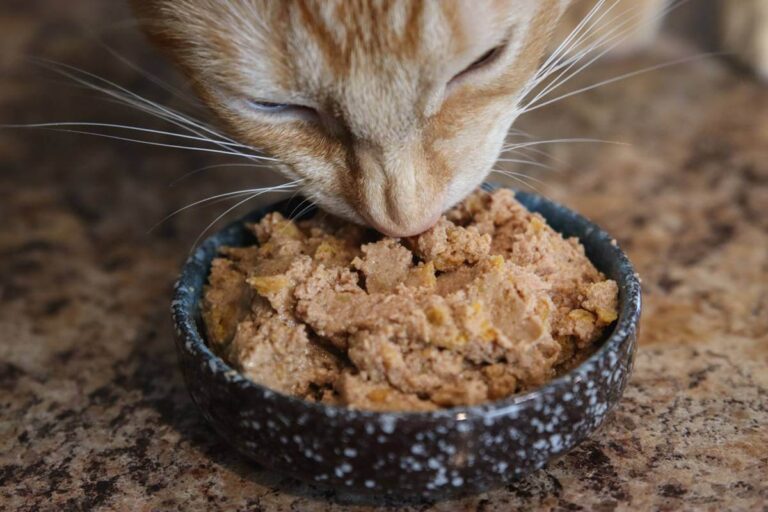
Choose food labeled complete and balanced for kittens or for growth. Wet food can add water to the diet, while fresh water should always be available.
Change food slowly over about a week unless your veterinarian tells you to change it sooner. Sudden food changes can cause diarrhea, which may add to dehydration.
Brush gently
A soft kitten brush can remove loose flakes and spread natural oils through the coat. Use short sessions and reward calm behavior. Do not brush over open sores, scabs, or painful areas.
Never scrape flakes from the skin. Pulling at crusts can cause bleeding and increase the risk of infection.
Use safe parasite prevention
Ask a veterinarian about a product that matches your kitten’s age and weight. Some products are not safe for very young or small kittens. Follow the label exactly, and never combine products without professional guidance.
Treating only the kitten may not solve a flea problem. Flea eggs and immature stages can live in carpets, furniture, and bedding, so the home may need cleaning as well.
Avoid risky home remedies
Do not use coconut oil, olive oil, human lotion, steroid cream, antibiotic ointment, or essential oils without veterinary advice. Kittens may lick these products, and some ingredients can upset the stomach or cause poisoning.
A common mistake is bathing a flaky kitten again and again. This can strip more oil from the skin and hide the real cause. Gentle care is usually safer than aggressive treatment.

When to Call a Veterinarian
Contact your veterinarian if you are still asking why does my kitten have dry skin after several days of basic care, or if the problem is getting worse. Kittens have small bodies and limited reserves, so delays can matter.
Arrange a prompt appointment for:
• Bald patches or spreading hair loss
• Severe itching or constant licking
• Open sores, bleeding, or thick scabs
• Pus, swelling, or a strong skin odor
• Round, scaly patches that may suggest ringworm
• Fleas, mites, or unknown parasites
• Pain when the area is touched
• Poor appetite, vomiting, or diarrhea
• Weight loss or poor growth
• Low energy, weakness, or fever
Seek urgent veterinary help if your kitten has trouble breathing, collapses, cannot keep food or water down, has pale gums, or seems severely weak.
Your veterinarian may examine the coat and skin, check for fleas, use a microscope, test for ringworm, or recommend blood work. Testing is useful because treatment differs widely. An antifungal medicine will not fix a nutritional problem, and a flea product will not cure ringworm.

What a Veterinary Visit May Include
A veterinary exam often begins with a full history. Tell the veterinarian what your kitten eats, whether it lives with other pets, what products you have used, and when the skin changes began.
The veterinarian may look for:
• Flea dirt or live fleas
• Mites and ear problems
• Fungal or bacterial infection
• Hair loss patterns
• Redness, crusting, and skin pain
• Signs of dehydration or poor growth
• Evidence of a wider illness
Possible tests include a skin scraping, fungal testing, skin cytology, or blood testing. Not every kitten needs every test. The right plan depends on age, symptoms, exam findings, and risk factors.
Treatment may involve parasite control, antifungal medicine, antibiotics, a diet change, or care for another health issue. Follow the full treatment plan even if the skin looks better early. Stopping too soon can allow the problem to return.

How to Prevent Dry Skin in Kittens
Prevention begins with steady, simple care. A kitten’s skin is like a small garden: it needs the right food, water, protection, and regular attention.
Use these habits:
- Feed a complete kitten diet.
- Provide fresh water every day.
- Keep vaccinations and veterinary visits on schedule.
- Use veterinarian-approved flea prevention.
- Brush gently, especially if your kitten has long hair.
- Avoid unnecessary baths.
- Use fragrance-free cleaners and laundry products.
- Wash bedding often.
- Watch for changes in appetite, weight, stool, and energy.
- Introduce new pets and household changes slowly.
Early observation is one of the best tools. During gentle petting, check the ears, neck, back, belly, and tail base. Look for flakes, fleas, redness, bumps, or areas where the fur is thinning.
A practical lesson for any kitten caregiver is to avoid treating the appearance alone. Dry skin is a sign, not a diagnosis. Finding the cause is more helpful than repeatedly applying products.

Frequently Asked Questions About Why Does My Kitten Have Dry Skin
Why does my kitten have dry skin but no itching?
Dry air, mild dehydration, overbathing, or a diet problem can cause flakes without much itching. If the flakes continue, spread, or appear with redness or hair loss, schedule a veterinary exam.
Can I put coconut oil on my kitten’s dry skin?
It is best not to use coconut oil unless your veterinarian recommends it. Kittens may lick it, and oily products can worsen matting, upset the stomach, or hide signs of infection.
Does dry food cause dry skin in kittens?
Dry food does not automatically cause dry skin when it is complete and balanced for kitten growth. However, a kitten eating only dry food may take in less water, so fresh water and occasional wet food may support hydration.
How can I tell whether my kitten has fleas?
Look for live fleas or tiny black specks in the coat, especially near the neck, lower back, and tail. Flea dirt may turn reddish-brown when placed on a damp white paper towel, but a veterinarian should guide treatment.
Can kitten dry skin go away on its own?
Mild flakes caused by dry air or a recent bath may improve with gentle care. Dry skin caused by fleas, ringworm, infection, allergies, or illness usually needs specific treatment.
Is ringworm dangerous for my kitten?
Ringworm is often treatable, but it can spread to people and other animals. Contact your veterinarian if your kitten has round scaly patches, broken hairs, or unexplained hair loss.
Should I bathe a kitten with dry skin?
Do not bathe a kitten just because you see flakes. Frequent baths can worsen dryness, and a young kitten may become chilled; ask your veterinarian before using any shampoo.
[CodeImg?] Wait guideline says don't give CodeImg after FAQ. Must remove.
Conclusion
Why does my kitten have dry skin? The most common reasons include dry air, poor hydration, an incomplete diet, fleas, harsh grooming products, allergies, and skin infections. Mild flakes may improve with a complete kitten diet, fresh water, gentle brushing, safe parasite control, and a comfortable home.
Do not ignore spreading hair loss, severe itching, sores, crusts, poor appetite, weakness, or poor growth. If you are unsure what you are seeing, take a photo and contact your veterinarian rather than trying several home remedies.
With early attention and calm, gentle care, most kitten skin problems can be managed well. Keep learning about kitten health, follow trusted veterinary guidance, and share your experience or questions with your care team.