Why Does My Cat Have Dry Flaky Skin: Causes And Solutions
Your cat may have dry flaky skin because of low humidity, allergies, parasites, poor grooming, or an underlying health problem.
If you are asking, “why does my cat have dry flaky skin,” the answer may be simple, but it can also point to a condition that needs care. Dry flakes can come from winter air, an unbalanced diet, fleas, skin infection, or trouble grooming due to pain or illness. This guide explains the common causes, warning signs, safe home care, and when to call your veterinarian.
Why Does My Cat Have Dry Flaky Skin?
Dry, flaky skin in cats is often called dandruff. It happens when dead skin cells shed faster than normal or when the skin does not hold enough moisture. A few small flakes may not be serious, but heavy dandruff, itching, hair loss, or scabs deserve closer attention.
When cat owners ask why does my cat have dry flaky skin, I first look at the whole picture. The cat’s age, diet, grooming habits, home air, skin condition, and other symptoms can all provide clues.
Common causes include:
- Dry indoor air, especially during winter
- Fleas, mites, or other parasites
- Food or environmental allergies
- Skin infections
- Poor grooming
- Obesity or joint pain
- Nutritional problems
- Sun exposure
- Hormonal or internal disease
Think of your cat’s skin like a soft coat with a protective shield. When that shield loses moisture or becomes inflamed, flakes may appear.

Common Causes of Dry, Flaky Skin in Cats
Low humidity and dry air
Indoor heating can reduce moisture in the air. This may dry your cat’s skin in the same way that winter air can dry human hands.
You may notice small white flakes along the back, shoulders, or near the tail. Your cat may not seem itchy, and the skin may look normal apart from mild scaling.
A cool-mist humidifier may help. Keep it clean and place it where your cat cannot knock it over. Never add essential oils, as many oils can harm cats when inhaled or swallowed.
Fleas and flea allergy dermatitis
Fleas are one of the most common reasons a cat develops itchy, flaky skin. Some cats are allergic to flea saliva, so even one bite can cause intense itching.
Look for:
- Small black specks that look like pepper
- Biting or licking near the tail base
- Scabs around the neck or back
- Sudden hair loss
- Restlessness or skin twitching
Flea dirt may turn reddish-brown when placed on a damp white paper towel. However, not seeing fleas does not rule out an infestation. Cats groom often and may remove visible fleas before you notice them.
Use only flea products labeled for cats. Dog products that contain permethrin can be highly toxic to cats.
Mites and other parasites
Mites can cause severe itching, crusts, redness, and flakes. Ear mites often cause dark debris inside the ears, while some skin mites affect the face, neck, or body.
Parasites can spread between pets. If one animal has itching or skin changes, your veterinarian may recommend checking all pets in the home.
Do not use over-the-counter insecticides or home remedies without veterinary advice. Some products can burn the skin or cause poisoning.
Allergies
Cats may react to food, pollen, dust, mold, flea bites, or household products. Allergies can make the skin inflamed and dry.
Signs may include:
- Frequent scratching
- Overgrooming
- Red skin
- Repeated ear infections
- Hair loss
- Licking the belly or legs
- Small scabs on the back
A food allergy can happen even if your cat has eaten the same food for years. A proper elimination diet, guided by a veterinarian, is the most reliable way to test for a food allergy. Changing foods at random can make the cause harder to identify.
Poor grooming
Healthy cats spend much of the day grooming. If your cat cannot reach certain areas, flakes may build up.
This is more common in:
- Overweight cats
- Older cats
- Cats with arthritis
- Cats with dental pain
- Cats recovering from surgery
- Cats with weakness or limited movement
Dry flaky skin along the back is sometimes a grooming problem rather than a primary skin disease. Gentle brushing can remove loose flakes, but it will not treat pain, obesity, or illness that prevents normal grooming.
Skin infections
Bacterial or fungal infections can cause scaling, redness, odor, hair loss, scabs, or sores. Ringworm is a fungal infection that may create round patches of hair loss and flaky skin.
Ringworm can spread to people and other animals. Children, older adults, and people with weak immune systems may face a higher risk of infection.
A veterinarian may examine skin cells, use a special lamp, perform a fungal culture, or collect a sample for testing. Treatment may include prescription shampoo, oral medicine, or both.
Diet and essential fatty acids
A poor diet can affect the skin and coat. Cats need a complete and balanced diet with the right amounts of protein, fat, vitamins, and minerals.
Omega 3 fatty acids may support healthy skin in some cats, but supplements are not a cure for every cause of dandruff. Too much oil can cause stomach upset or add unwanted calories.
Choose food that meets recognized nutritional standards for cats. Ask your veterinarian before adding fish oil or another supplement, especially if your cat has pancreatitis, bleeding problems, or takes medication.
Sun damage
Cats with white or lightly colored ears and noses can develop sun damage. Repeated exposure may cause redness, crusts, scaling, or sores.
Sun-related skin changes can become serious. Do not apply human sunscreen unless your veterinarian confirms that it is safe for cats. Some ingredients can be harmful when cats lick them.
Health problems
Sometimes the answer to why does my cat have dry flaky skin is an internal health issue. Conditions that may affect the skin include:
- Diabetes
- Kidney disease
- Liver disease
- Hyperthyroidism
- Hormonal disorders
- Severe nutritional imbalance
- Chronic inflammation
These problems often cause other signs, such as weight change, increased thirst, vomiting, poor appetite, or low energy. Skin changes alone cannot diagnose an internal disease.

How to Tell What May Be Causing the Flakes
The location and appearance of the flakes can offer useful clues. They do not replace a veterinary examination, but they can help you describe the problem clearly.
Flakes along the back
Flakes along the back may come from dry air, fleas, poor grooming, allergies, or a condition sometimes called feline acne or stud tail when changes occur near the tail.
If your cat cannot groom the back well, check for weight gain, stiffness, or signs of pain.
Flakes with intense itching
Strong itching raises concern for fleas, mites, allergies, or infection. Scratching can damage the skin and create a cycle of inflammation.
A cat that suddenly becomes very itchy should be checked rather than treated with several products at once.
Flakes with hair loss
Hair loss may occur with ringworm, allergies, parasites, overgrooming, or hormonal disease. Broken hairs and bald patches can look different from normal shedding.
Take a clear photo each day. This can help you and your veterinarian track whether the area is growing.
Flakes with scabs or sores
Scabs suggest skin injury or inflammation. Fleas, allergies, infections, and excessive scratching can all cause them.
Avoid picking at scabs. This can cause bleeding and introduce bacteria.
Flakes with a bad odor
A strong odor may indicate yeast, bacteria, trapped moisture, or an ear problem. Odor is not a normal part of simple dry skin.
Schedule a veterinary visit if the smell continues or comes with redness, discharge, or pain.
What You Can Do at Home
Mild flakes with no itching, redness, sores, or hair loss may improve with simple care. Watch your cat closely for one to two weeks while making safe changes.
Improve skin and coat care
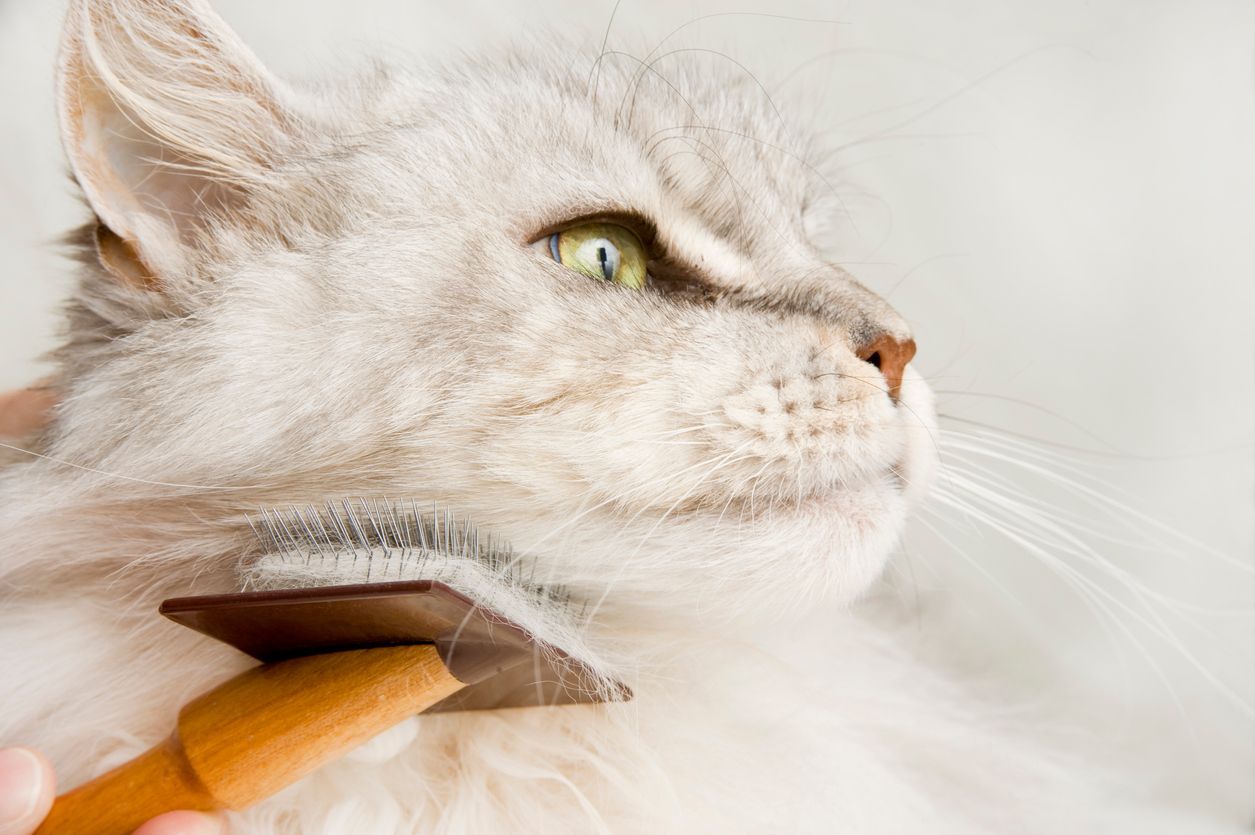
Brush your cat gently with a brush suited to its coat. Short sessions are best. Stop if your cat becomes stressed or seems painful.
Brushing can:
- Remove loose flakes
- Spread natural skin oils
- Reduce mats
- Help you spot fleas, scabs, and bald areas
Never scrape the skin or use a rough brush.
Support healthy hydration
Fresh water should be available at all times. Some cats drink more from a wide bowl, a fountain, or several water stations.
Wet food can also increase water intake. If your cat suddenly drinks much more than usual, contact your veterinarian because excess thirst may signal disease.
Review the diet
Feed a complete and balanced cat food that suits your cat’s age and health needs. Avoid sudden food changes.
If you think food is the reason why does my cat have dry flaky skin, ask your veterinarian about a controlled food trial. Do not add many supplements at once, because this can cause side effects and hide the real cause.
Control fleas safely
Use a veterinarian-approved flea preventive. Follow the label and dosing instructions closely.
Treating only the cat may not solve the problem. Flea eggs and larvae can live in bedding, carpets, and furniture. Your veterinarian can explain how to manage the home safely.
Keep the home comfortable
Avoid placing your cat’s bed beside a heater or in a very dry, hot room. Wash bedding with a mild, fragrance-free product and rinse it well.
Strong fragrances, smoke, cleaning sprays, and scented litter can irritate sensitive cats.

What Not to Put on Your Cat’s Skin
Many human skin products are unsafe for cats. Cats lick their fur, so a product that seems harmless on the skin may be swallowed.
Avoid using:
- Human moisturizers
- Essential oils
- Tea tree oil
- Human dandruff shampoo
- Alcohol
- Hydrogen peroxide
- Vinegar
- Undiluted apple cider vinegar
- Dog flea products
- Medicated creams without veterinary advice
Bathing may also make dry skin worse if the shampoo is too strong or used too often. Cats usually do not need regular baths unless a veterinarian recommends one.
If your cat has a greasy coat, severe flakes, or a skin infection, your veterinarian may prescribe a cat-safe shampoo. Follow the instructions exactly and prevent your cat from licking the product during treatment.

When to Call a Veterinarian
Knowing when to seek help is important because several skin problems look alike. A veterinarian can examine the skin and choose the right tests.
Make an appointment if:
- Flakes continue for more than one to two weeks
- Your cat scratches, bites, or licks the skin often
- There is hair loss, redness, swelling, or odor
- You see scabs, sores, or bleeding
- Your cat has dark ear debris
- Your cat seems painful when touched
- Your cat is losing weight or drinking more
- Your cat is tired, hiding, or eating less
- A person or pet in the home develops a circular rash
Seek urgent care if your cat has facial swelling, trouble breathing, severe weakness, widespread sores, or a suspected poisoning.
A clinic may perform a skin scrape, flea comb exam, fungal test, cytology, blood work, or allergy review. These tests help separate parasites, infection, allergies, and internal disease.

How Veterinarians Diagnose Dry Flaky Skin
There is no single test that explains why does my cat have dry flaky skin. Diagnosis starts with a detailed history.
Your veterinarian may ask about:
- When the flakes began
- Where they first appeared
- Changes in food or litter
- Flea prevention
- Other pets in the home
- Recent travel or boarding
- New cleaners or fragrances
- Itching and grooming behavior
- Weight, thirst, appetite, and energy
The veterinarian may then inspect the coat, skin, ears, claws, and mouth. A flea comb, skin sample, or hair sample can reveal clues that are not visible to the eye.
Blood tests may be needed when the cat is older, has other symptoms, or shows widespread skin changes. Testing is useful, but not every cat needs every test.

Treatment Options
Treatment depends on the cause. A cat with dry air may need better humidity and gentle grooming, while a cat with mites needs prescription parasite control.
Possible treatments include:
- Cat-safe flea or mite medicine
- Antifungal treatment
- Antibiotics for selected bacterial infections
- Prescription diet trials
- Veterinary skin shampoos
- Omega 3 supplements when appropriate
- Pain control for arthritis
- Weight management
- Treatment for thyroid, kidney, liver, or other disease
Never stop a prescribed medicine early unless your veterinarian tells you to do so. Skin infections can look better before they are fully gone.
In my experience reviewing common pet care cases, one of the biggest mistakes is treating the flakes alone. Owners often buy a shampoo when the real issue is fleas, pain, or an allergy. Finding the cause usually saves time, money, and discomfort for the cat.
Prevention Tips for Healthy Cat Skin
You cannot prevent every skin problem, but regular care can lower the risk and help you notice changes early.
- Use reliable flea prevention recommended for your cat.
- Feed a complete and balanced diet.
- Provide fresh water every day.
- Brush the coat based on its length and thickness.
- Keep your cat at a healthy weight.
- Ask your veterinarian about dental and joint pain.
- Keep bedding clean and fragrance-free.
- Limit smoke, strong scents, and harsh cleaners.
- Check the ears, skin, and coat during routine handling.
- Schedule regular wellness visits.
Older cats deserve special attention. A senior cat that stops grooming may have arthritis, dental disease, weakness, or another problem that needs treatment.
Frequently Asked Questions About Why Does My Cat Have Dry Flaky Skin
Is dry flaky skin in cats normal?
A few flakes may occur because of dry air or mild shedding. Ongoing flakes, heavy dandruff, itching, redness, scabs, or hair loss are not normal and should be assessed.
Why does my cat have dry flaky skin on its back?
Dry skin, fleas, allergies, poor grooming, and obesity can all cause flakes on the back. If your cat cannot reach the area well, pain or limited movement may also be involved.
Can I use human dandruff shampoo on my cat?
No. Human shampoos can irritate feline skin, and some ingredients may be unsafe if swallowed during grooming. Use only products made for cats and recommended by a veterinarian.
Do fleas cause flaky skin in cats?
Yes. Flea bites can cause itching, inflammation, scabs, and flakes, especially in cats with flea allergy dermatitis. A cat may have fleas even when you cannot see them.
Can dry cat food cause dry skin?
Dry food does not automatically cause dry skin when it is complete and balanced. Skin problems are more likely when the diet does not meet nutritional needs, the cat is dehydrated, or another medical issue is present.
Should I bathe a cat with dry, flaky skin?
Usually, no bath is needed for mild flakes. Frequent or harsh bathing can remove natural oils, so ask your veterinarian before using a shampoo or medicated wash.
When should I worry about my cat’s dandruff?
Contact a veterinarian when flakes last more than a week or two, or when they occur with itching, hair loss, odor, sores, weight loss, or behavior changes. Seek urgent help for breathing trouble, facial swelling, severe weakness, or possible poisoning.
Conclusion
The answer to why does my cat have dry flaky skin may be simple, such as dry indoor air, but parasites, allergies, infections, poor grooming, pain, and internal disease are also possible. Look at the flakes along with your cat’s behavior, coat, appetite, weight, and grooming habits.
Start with safe steps: provide fresh water, brush gently, use approved flea control, avoid human products, and keep the home free from strong irritants. If the problem continues or your cat has itching, sores, hair loss, odor, or other symptoms, arrange a veterinary exam. Share your cat’s symptoms with your veterinarian and explore trusted feline health resources for the next step.